For most kitchens, I’d start with the APEC Water ROES-50X: its conventional five-stage under-sink design and included extra filters make it a practical pick for buyers who want a familiar setup. The Waterdrop G3P800 stands out for high-capacity tankless filtration, while the DREO countertop models suit renters or anyone avoiding plumbing changes. The main tradeoffs are installation and cabinet space, storage versus flow, and added features such as remineralization or UV treatment. This roundup compares all 15 systems by fit, upkeep, and everyday kitchen use. Read on for the full breakdown and help matching a system to your water, household, and installation needs.

Get your wardrobe favorites delivered free with Prime
- Fast, free delivery on millions of items
- Prime Video, Amazon Music and more included
- Member-only deals all year
Key Takeaways
Conventional under-sink systems such as the APEC ROES-50X and iSpring RCC7 series favor established layouts and straightforward filter stages, but require room for a tank and plumbing connections.
Tankless Waterdrop models offer higher stated daily capacities, with the G3P800 leading this group at 800 GPD; buyers should check electrical needs, drain routing, and filter costs before choosing one.
Mineral stages are common across this lineup. Several iSpring and Waterdrop picks add alkaline or mineralization stages, so compare the specific model rather than assuming all systems produce the same taste profile.
Countertop DREO systems change the installation equation. They avoid under-sink plumbing work, but their pitcher-based format and counter footprint may be less suited to busy households seeking a continuous faucet supply.
Capacity alone does not settle the ranking. Water source, available cabinet space, replacement-filter access, and the household’s willingness to maintain the system matter as much as the GPD figure.
| APEC Water ROES-50X 5-Stage Under-Sink Reverse Osmosis System with Extra Filters, 50 GPD |  | Best for Straightforward Under-Sink Filtration | Filtration stages: 5 | Daily capacity: 50 gallons per day | Installation: Under sink | VIEW ON AMAZON | See Our Full Breakdown |
| iSpring RCC7AK-UV 7‑Stage Reverse Osmosis Water Filtration System with Alkaline and UV Light |  | Best for Added UV and Mineral Treatment | Filtration stages: 7 | Daily capacity: 75 gallons per day | Tank capacity: 3.2 gallons | VIEW ON AMAZON | See Our Full Breakdown |
| DREO Countertop Reverse Osmosis Water Filter with Two Autofill Pitchers |  | Best for Renters and No-Plumbing Kitchens | Filtration method: Reverse osmosis | Stated contaminant reduction: Up to 99.9% | Capacity: 5 liters | VIEW ON AMAZON | See Our Full Breakdown |
| iSpring RCC7AK-BLK 6-Stage Alkaline Reverse Osmosis Water Filter System with Black Faucet |  | Best for a Black-Faucet Kitchen Finish | Filtration stages: 6 | Installation: Under sink | Certification: NSF/ANSI 58 | VIEW ON AMAZON | See Our Full Breakdown |
| iSpring RCC7AK-BN 6-Stage Alkaline Reverse Osmosis Water Filtration System, 75 GPD |  | Best Value for Remineralized Under-Sink Water | Filtration stages: 6 | Production capacity: 75 gallons per day | Installation: Under sink | VIEW ON AMAZON | See Our Full Breakdown |
| Waterdrop G3P800 Tankless Reverse Osmosis Water Filter System, 800 GPD |  | Best for High-Demand Kitchens | Filtration: 10-stage reverse osmosis | Capacity: 800 gallons per day | Pure-to-drain ratio: 3:1 | VIEW ON AMAZON | See Our Full Breakdown |
| Waterdrop G5P700A Alkaline Mineral Reverse Osmosis Water Filter, 700 GPD |  | Best for Mineralized Water and Appliance Connections | Filtration: 8-stage reverse osmosis | RO membrane: 0.0001 μm | Mineralization: Adds calcium, magnesium, sodium, and potassium | VIEW ON AMAZON | See Our Full Breakdown |
| iSpring RCC7-BN 5-Stage Under-Sink Reverse Osmosis Water Filter System |  | Best Power-Free Pick | Filtration stages: 5 | Certification: NSF/ANSI 58 | Capacity: 75 gallons | VIEW ON AMAZON | See Our Full Breakdown |
| APEC Water ROES-50 5-Stage Under Sink Reverse Osmosis System, 50 GPD |  | Best for DIY Traditional Installation | Filtration stages: 5 | Capacity: 50 gallons per day | Certifications: NSF Certified 372 and 58 | VIEW ON AMAZON | See Our Full Breakdown |
| Waterdrop T3-M Remineralization Reverse Osmosis Water Filter, 450 GPD |  | Best Compact Tankless Remineralizer | Filtration: 9-stage reverse osmosis | Flow rate: 450 gallons per day | Pure-to-drain ratio: 2:1 | VIEW ON AMAZON | See Our Full Breakdown |
| Waterdrop WD-T4-A Alkaline Tankless Reverse Osmosis Water Filter System |  | Best for Two Water Styles | Installation: Under sink | Filtration stages: 10 | Capacity: 450 gallons per day | VIEW ON AMAZON | See Our Full Breakdown |
| Waterdrop G5P500A Tankless Reverse Osmosis System with Alkaline Mineralization |  | Best for Refrigerator and Ice-Maker Connections | Filtration: 8-stage reverse osmosis | RO membrane: 0.0001 μm | Capacity: 500 GPD | VIEW ON AMAZON | See Our Full Breakdown |
| Waterdrop G3P600 Tankless Reverse Osmosis Water Filter System, 600 GPD |  | Best for High-Use Kitchens with Live Filter Information | Filtration: 8-stage | Capacity: 600 gallons per day | Flow rate: 0.42 gpm | VIEW ON AMAZON | See Our Full Breakdown |
| DREO Countertop Reverse Osmosis Water Filter System, 3L | 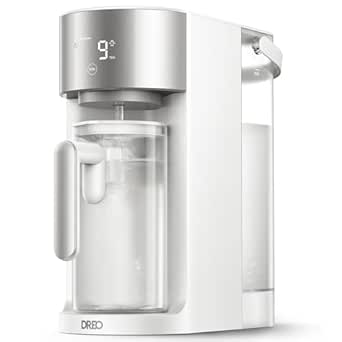 | Best Countertop Pick for Small Households | Installation: Countertop | Filtration: 7-in-1 | Tank capacity: 3L | VIEW ON AMAZON | See Our Full Breakdown |
| GLACIER FRESH GFU03 Tankless Electric-Free Reverse Osmosis Water Filter, 800 GPD |  | Best Electric-Free Under-Sink Pick | Filtration stages: 5 | Maximum flow rate: 800 GPD; listed flow rate: 0.6 gpm | RO membrane precision: 0.0001 μm | VIEW ON AMAZON | See Our Full Breakdown |
| reverse osmosis systems for kitchen | Dimensions | Installation | Pure-to-drain ratio | Filtration stages |
|---|---|---|---|---|
| APEC Water ROES-50X 5-Stage Un | 15.5 × 5.25 × 17 in | Under sink | — | 5 |
| iSpring RCC7AK-UV 7‑Stage Reve | 15 × 8 × 18 in | — | — | 7 |
| DREO Countertop Reverse Osmosi | 15.7 × 6.7 × 13.4 in | Countertop, install-free | 3:1 | — |
| iSpring RCC7AK-BLK 6-Stage Alk | 15.5 × 16 × 18 in | Under sink | — | 6 |
| iSpring RCC7AK-BN 6-Stage Alka | — | Under sink | — | 6 |
| Waterdrop G3P800 Tankless Reve | 18.12 × 5.67 × 17.72 inches | Under sink | 3:1 | — |
| Waterdrop G5P700A Alkaline Min | — | — | 2:1 | — |
| iSpring RCC7-BN 5-Stage Under- | 23.62 × 15.75 × 11.81 inches | Under sink | — | 5 |
| APEC Water ROES-50 5-Stage Und | 15.5 × 5.25 × 17 inches | Under sink | — | 5 |
| Waterdrop T3-M Remineralizatio | 13.39 × 6.22 × 17.95 inches | — | 2:1 | — |
| Waterdrop WD-T4-A Alkaline Tan | 16.54 × 6.22 × 17.95 in | Under sink | 2:1 | 10 |
| Waterdrop G5P500A Tankless Rev | 16.69 × 5.69 × 13.9 in | — | 2:1 | — |
| Waterdrop G3P600 Tankless Reve | 18.12 × 5.67 × 17.72 in | — | 2:1 | — |
| DREO Countertop Reverse Osmosi | 14.5 × 6.7 × 13.4 in | Countertop | 3:1 | — |
| GLACIER FRESH GFU03 Tankless E | 13.58 × 8.27 × 16.54 in | — | 3:1 | 5 |
More Details on Our Top Picks
APEC Water ROES-50X 5-Stage Under-Sink Reverse Osmosis System with Extra Filters, 50 GPD
I’d choose the APEC ROES-50X for a kitchen where dependable, conventional RO filtration matters more than mineral remineralization or added treatment stages. Its five-stage setup is designed to reduce contaminants including lead, chlorine, fluoride, and heavy metals, while the included tank and faucet make it a complete under-sink arrangement. Compared with the iSpring RCC7AK-BN, it has a lower stated daily production capacity, but the extra pre-filter set gives owners a useful head start on routine maintenance. Color-coded tubing and quick-connect fittings also make filter changes more approachable. The tradeoff is a tank-based installation that needs cabinet room, adequate water pressure, and periodic filter replacement; it is not the pick for a kitchen that needs a countertop or tankless design.
Pros:- Designed to reduce a broad range of contaminants, including lead, fluoride, and heavy metals.
- Includes a storage tank, brushed nickel faucet, installation kit, and extra pre-filters.
- Color-coded tubing and quick-connect fittings can simplify installation and upkeep.
- 50-gallon-per-day capacity suits routine household drinking and cooking needs.
Cons:- Its 50 GPD rating is lower than the 75 GPD iSpring RCC7AK models in this roundup.
- Requires under-sink cabinet space and a feed pressure within its specified range.
- Filter replacement intervals vary with water quality and require ongoing maintenance.
Best for: Households seeking a traditional under-sink RO system with a storage tank, included faucet, and spare pre-filters.
Not ideal for: Renters or kitchens with crowded cabinets, since it needs under-sink installation and room for the tank.
- Filtration stages:5
- Daily capacity:50 gallons per day
- Installation:Under sink
- Operating pressure:40–85 psi
- Maximum supported water TDS:2000 ppm
- Dimensions:15.5 × 5.25 × 17 in
- Weight:25 lb
- Included components:RO system, tank, filter set, extra pre-filter set, owner’s manual
Our verdict“Choose the ROES-50X if you want a complete, conventional under-sink system with spare pre-filters and do not need remineralization.”
iSpring RCC7AK-UV 7‑Stage Reverse Osmosis Water Filtration System with Alkaline and UV Light
The iSpring RCC7AK-UV is the most treatment-focused under-sink choice here: its seven stages combine RO filtration with an alkaline mineral boost and powered UV sterilizer. That added treatment may suit buyers who want more than the basic filtration approach of the APEC ROES-50X, especially where an extra microbial barrier is a priority. The stated 75 GPD capacity also exceeds the APEC’s 50 GPD rating, and the top-mounted faucet design is intended to make faucet installation easier. Those features come with more complexity: the UV lamp needs power, the system needs cabinet room and at least 40 psi feed pressure, and the product data gives two different maximum TDS figures. I’d favor this model for feature-seeking households, not for anyone after the simplest, power-free RO setup.
Pros:- Combines seven filtration stages with alkaline remineralization and LED UV treatment.
- Stated 75 GPD capacity is higher than the APEC ROES-50X’s 50 GPD.
- Top-mounted faucet design can make faucet installation easier to access.
- NSF/ANSI 58 and 372 certifications are stated in the product description.
Cons:- The UV stage requires an electrical connection and adds another component to maintain.
- Requires under-sink space and feed pressure of at least 40 psi.
- Product data lists both 2000 ppm and 750 ppm as maximum TDS figures, so buyers should verify compatibility.
Best for: Homeowners who want under-sink RO with both alkaline remineralization and a powered UV stage.
Not ideal for: Buyers seeking a simple, power-free system or those with limited cabinet space or feed pressure below 40 psi.
- Filtration stages:7
- Daily capacity:75 gallons per day
- Tank capacity:3.2 gallons
- Power:Corded electric; 11W UV lamp
- Feed water pressure:40–95 psi
- Maximum flow rate:132 cc/min
- Dimensions:15 × 8 × 18 in
- Certifications stated:NSF/ANSI 58 and 372
Our verdict“Pick the RCC7AK-UV if UV treatment and remineralization matter more to you than keeping an under-sink system simple.”
DREO Countertop Reverse Osmosis Water Filter with Two Autofill Pitchers
For a kitchen where drilling a faucet hole or connecting under the sink is off the table, the DREO countertop RO system is the clearest fit in this group. It runs without permanent installation and supplies two autofill pitchers, making filtered water easy to keep ready for drinking or cooking. The built-in TDS meter and filter-life indicator offer more at-a-glance feedback than the APEC ROES-50X, though they do not remove the need to replace filters. This model’s 5-liter capacity is also a different proposition from the 75 GPD iSpring systems: it favors convenient countertop batches rather than a larger under-sink supply. Its footprint and limited capacity can be drawbacks in busy kitchens, and buyers must make room on the counter.
Pros:- Install-free countertop format avoids under-sink plumbing work.
- Two autofill pitchers make stored drinking water readily available.
- Built-in TDS meter and filter-life indicator provide useful system feedback.
- Self-cleaning and touch controls add convenience to daily operation.
Cons:- The 5-liter capacity is limited compared with the 75 GPD under-sink iSpring options.
- Uses valuable countertop space.
- Does not provide the under-sink faucet-and-tank setup of the APEC ROES-50X.
Best for: Renters and apartment dwellers who want RO water without plumbing changes and can refill pitchers as needed.
Not ideal for: Large households that need a continuous, higher-volume supply or kitchens with little free counter space.
- Filtration method:Reverse osmosis
- Stated contaminant reduction:Up to 99.9%
- Capacity:5 liters
- Pure-to-drain ratio:3:1
- Installation:Countertop, install-free
- Dimensions:15.7 × 6.7 × 13.4 in
- Weight:10.8 lb
- Included components:Water filter body, RO filter, two autofill pitchers
Our verdict“Choose the DREO if plumbing-free installation and pitcher convenience matter more than high-volume capacity or a clear counter.”
iSpring RCC7AK-BLK 6-Stage Alkaline Reverse Osmosis Water Filter System with Black Faucet
The iSpring RCC7AK-BLK suits buyers who want under-sink RO with remineralization but also care about matching a black kitchen faucet. Its six-stage system is designed to reduce a wide range of contaminants and restore alkalinity, making it a more taste-oriented choice than the APEC ROES-50X, which does not list an alkaline stage. Like the brushed-nickel RCC7AK-BN, it has a stated 75-gallon capacity and NSF/ANSI 58 certification; the distinguishing feature here is the faucet finish, not a different capacity class. The transparent first-stage housing can help owners see filter buildup, while quick fittings support setup. Cabinet space and a potentially involved installation remain real drawbacks, and the supplied specifications do not clarify a per-day capacity.
Pros:- NSF/ANSI 58 certification is stated for the system.
- Six-stage filtration includes alkaline remineralization.
- Black faucet can coordinate with dark kitchen fixtures.
- Quick-fitting connectors and a transparent first-stage housing support installation and inspection.
Cons:- Requires under-sink space for the system and associated components.
- Installation may take more effort than a countertop option such as the DREO.
- The supplied data gives a 75-gallon capacity without specifying the time period.
Best for: Homeowners with a black-faucet kitchen who want certified under-sink RO and alkaline remineralization.
Not ideal for: People who need a countertop unit, have little cabinet room, or want a clearly specified daily production rate.
- Filtration stages:6
- Installation:Under sink
- Certification:NSF/ANSI 58
- Stated capacity:75 gallons
- RO membrane filtration:0.0001 microns
- Dimensions:15.5 × 16 × 18 in
- Weight:12.5 kg
- Included components:Extra filter
Our verdict“Choose the RCC7AK-BLK if a black faucet and remineralized RO water are priorities and you have room for under-sink installation.”
iSpring RCC7AK-BN 6-Stage Alkaline Reverse Osmosis Water Filtration System, 75 GPD
I’d put the iSpring RCC7AK-BN ahead of the black-faucet RCC7AK-BLK for buyers who want a clearly stated 75 GPD capacity and a conventional brushed-nickel finish. Six stages include alkaline remineralization, so this is better suited than the APEC ROES-50X to people who prefer minerals added back after RO filtration. Its top-mounted faucet fastener and quick-connect fittings are intended to make installation less awkward, and the system is certified to NSF/ANSI 58. The compromise is routine upkeep: the listed filter life is six months, shorter than the APEC’s stated two-year filter life cycle, though actual replacement needs can vary by filter and water quality. It also occupies under-sink space for its system and tank.
Pros:- Stated 75 GPD production capacity exceeds the APEC ROES-50X’s 50 GPD.
- Six-stage filtration includes an alkaline remineralization stage.
- NSF/ANSI 58 certification is stated.
- Top-mounted faucet fastener, quick-connect fittings, and an extra tool set support setup.
Cons:- Under-sink installation requires space for the system and storage tank.
- Listed filter life is six months, so maintenance may be more frequent than the APEC’s stated filter life cycle.
- Requires water pressure around its listed 70 psi operating point.
Best for: Households wanting a 75 GPD under-sink RO system with alkaline remineralization, a brushed-nickel faucet, and installation aids.
Not ideal for: Buyers who cannot spare cabinet space or who want a countertop system without plumbing work and recurring filter changes.
- Filtration stages:6
- Production capacity:75 gallons per day
- Installation:Under sink
- Purification methods:Reverse osmosis, alkaline, activated carbon, carbon block
- Certification:NSF/ANSI 58
- Maximum supported water TDS:750 ppm
- Operating pressure:70 psi
- Filter life cycle:6 months
- Included components:RO system, brushed nickel faucet, storage tank, extra tool set
Our verdict“Choose the RCC7AK-BN if you want a higher-capacity, remineralizing under-sink system and are comfortable with regular filter upkeep.”
Waterdrop G3P800 Tankless Reverse Osmosis Water Filter System, 800 GPD
The G3P800 is the strongest fit here for households that want fast, frequent access to filtered water without a storage tank. Its 800 GPD capacity and 3:1 pure-to-drain ratio make it better suited to busy kitchens than the lower-capacity Waterdrop T3-M, while the faucet’s TDS display gives a visible reading at the point of use. NSF/ANSI 42, 53, 58, and 372 certifications cover filtration performance and lead-free materials. The tradeoff is a more involved setup: the faucet requires drilling two holes, and the system needs a nearby electrical outlet. I’d choose the simpler, no-power iSpring RCC7-BN if avoiding electricity matters more than tankless speed and faucet monitoring.
Pros:- High 800 GPD capacity suits frequent kitchen use
- 3:1 pure-to-drain ratio limits water waste relative to many traditional RO systems
- NSF/ANSI 42, 53, 58, and 372 certifications
- Smart faucet displays TDS and has an LED indicator
Cons:- Requires a corded electrical connection under the sink
- Installation calls for drilling two holes
- Tankless performance and monitoring bring more installation complexity than the no-power iSpring RCC7-BN
Best for: Busy households that draw filtered water often and want a tankless system with a faucet-based TDS display.
Not ideal for: Renters or kitchens without an accessible outlet who want to avoid drilling additional countertop or sink holes.
- Filtration:10-stage reverse osmosis
- Capacity:800 gallons per day
- Pure-to-drain ratio:3:1
- Certifications:NSF/ANSI 42, 53, 58, and 372
- Installation:Under sink
- Power:Corded electric
- Maximum supported TDS:500 ppm
- Dimensions:18.12 × 5.67 × 17.72 inches
Our verdict“Choose the G3P800 for high daily demand and visible water readings, provided your kitchen can accommodate its electrical and drilling requirements.”
Waterdrop G5P700A Alkaline Mineral Reverse Osmosis Water Filter, 700 GPD
The G5P700A combines 700 GPD tankless output with mineralization, so it suits kitchens where taste and connections to an ice maker or refrigerator matter as much as contaminant reduction. Its added calcium, magnesium, sodium, and potassium distinguish it from the high-capacity G3P800, which emphasizes a TDS-display faucet rather than remineralization. The stated 2:1 pure-to-drain ratio is less water-efficient than the G3P800’s 3:1 ratio, but still makes this a more considered choice than a system without a supplied recovery figure. It also needs power and a drilled faucet opening, and its one-year warranty is comparatively short. I’d skip it if you want a no-electricity installation like the iSpring RCC7-BN.
Pros:- Adds calcium, magnesium, sodium, and potassium after filtration
- Tankless 700 GPD capacity saves storage-tank space
- Can connect to an ice maker or refrigerator
- NSF/ANSI 58 and 372 certifications
Cons:- Requires electricity and drilling for the faucet installation
- 2:1 pure-to-drain ratio is less efficient than the G3P800’s 3:1 ratio
- One-year warranty provides a limited coverage period
Best for: Homeowners who want mineralized RO water and plan to feed a refrigerator or ice maker from the kitchen filtration system.
Not ideal for: Renters, kitchens without a nearby outlet, or buyers who prioritize a higher pure-to-drain ratio over remineralization.
- Filtration:8-stage reverse osmosis
- RO membrane:0.0001 μm
- Mineralization:Adds calcium, magnesium, sodium, and potassium
- Capacity:700 gallons per day
- Pure-to-drain ratio:2:1
- Maximum flow rate:1.31 liters per minute
- Certifications:NSF/ANSI 58 and 372
- Warranty:1 year
Our verdict“Pick the G5P700A if you want mineralized water and appliance connections, not if power-free installation or water efficiency is your main priority.”
iSpring RCC7-BN 5-Stage Under-Sink Reverse Osmosis Water Filter System
The RCC7-BN is the straightforward choice for buyers who want a conventional under-sink RO system without adding an electrical connection. Its 75-gallon capacity is far below the tankless Waterdrop G3P800’s 800 GPD, so it is not the pick for rapid, high-volume dispensing. In return, the iSpring runs without power and includes a brushed nickel lead-free faucet, food-grade tubing, and a transparent first-stage housing that lets owners inspect that filter. NSF/ANSI 58 certification and a stated reduction of up to 99% of more than 1,000 contaminants support its filtration focus. The larger under-sink footprint and hands-on installation are real tradeoffs; the tankless Waterdrop T3-M is a better fit where space and quicker access matter more than power-free operation.
Pros:- Operates without an electrical connection
- NSF/ANSI 58 certified
- Includes a brushed nickel lead-free faucet and food-grade tubing
- Transparent first-stage housing makes the sediment filter visible
Cons:- 75-gallon capacity is much lower than the tankless Waterdrop G3P800
- Under-sink installation takes cabinet space and requires plumbing work
- One-year warranty requires registration
Best for: Homeowners who want a certified, no-power RO system with a coordinated brushed nickel faucet and room for a traditional under-sink setup.
Not ideal for: High-use households that need tankless dispensing speed or kitchens with little cabinet space for a larger system.
- Filtration stages:5
- Certification:NSF/ANSI 58
- Capacity:75 gallons
- Maximum supported TDS:750 ppm
- Power:No power needed
- Installation:Under sink
- Faucet finish:Brushed nickel
- Dimensions:23.62 × 15.75 × 11.81 inches
Our verdict“Choose the RCC7-BN for a power-free, certified kitchen RO setup if you have cabinet space and do not need tankless output.”
APEC Water ROES-50 5-Stage Under Sink Reverse Osmosis System, 50 GPD
The ROES-50 is a practical pick for buyers who prefer a traditional tank-based layout and want a kit described as DIY-friendly. Its quick-connect fittings, colored tubing, faucet, tank, filters, and installation hardware give the setup a more complete starting point than the tankless Waterdrop T3-M, which needs an electrical connection and a drilled faucet opening. The tradeoff is modest production: at 50 GPD, it is a slower choice than the 75-gallon iSpring RCC7-BN and nowhere near the throughput of the G3P800. A maximum supported TDS of 2,000 ppm is listed, though buyers should still match system requirements to their water conditions. Filter replacement intervals vary from 6 to 24 months, so upkeep depends on source water and usage.
Pros:- Quick-connect fittings and colored tubing support DIY installation
- Includes faucet, tank, filters, and installation hardware
- NSF Certified 372 and 58
- 50 GPD capacity and up to 2,000 ppm maximum supported TDS are specified
Cons:- 50 GPD capacity is lower than the iSpring RCC7-BN’s 75-gallon rating
- Traditional under-sink setup requires space for the tank and plumbing
- Filter replacement intervals vary with water quality and can require ongoing maintenance
Best for: DIY-minded homeowners who want a complete traditional under-sink RO kit and are comfortable maintaining replaceable filters.
Not ideal for: Households with high daily water demand, limited cabinet room, or a preference for a compact tankless system.
- Filtration stages:5
- Capacity:50 gallons per day
- Certifications:NSF Certified 372 and 58
- Maximum supported TDS:2,000 ppm
- Operating pressure:40–85 psi
- Installation:Under sink
- Dimensions:15.5 × 5.25 × 17 inches
- Weight:11.3 kg
Our verdict“Choose the ROES-50 if you want a complete, DIY-oriented traditional kit and can accept lower output than the tankless alternatives.”
Waterdrop T3-M Remineralization Reverse Osmosis Water Filter, 450 GPD
The T3-M suits kitchens that want a tankless footprint and mineralized water without stepping up to the G5P700A’s 700 GPD capacity. Its 450 GPD output is a middle ground: more production than the traditional iSpring RCC7-BN, but less than either the G5P700A or G3P800. A 2:1 pure-to-drain ratio and calcium-and-magnesium remineralization give it a useful balance for everyday drinking and cooking. Smart filter replacement alerts also make maintenance easier to track, although the listed filter lives vary by stage, from six to 24 months. It still needs plug-in power and a drilled faucet opening, and its NSF/ANSI 372 certification covers lead-free materials rather than the broader filtration certification listed for the G3P800.
Pros:- Tankless design saves space compared with a traditional tank-based system
- Adds calcium and magnesium after RO filtration
- 2:1 pure-to-drain ratio
- Smart alerts help track filter replacement timing
Cons:- Requires plug-in power and drilling for faucet installation
- 450 GPD capacity is below the G5P700A and G3P800
- Listed NSF/ANSI 372 certification is narrower than the G3P800’s listed certifications
Best for: Small or medium households seeking a tankless system with remineralization and filter-life alerts, without needing the lineup’s highest output.
Not ideal for: Buyers who need a no-power system, want the highest daily capacity, or prefer broader listed filtration certifications.
- Filtration:9-stage reverse osmosis
- Flow rate:450 gallons per day
- Pure-to-drain ratio:2:1
- Mineralization:Adds calcium and magnesium
- Certification:NSF/ANSI 372
- Power:Plug-in required
- Filter life:CF: 6 months; CB: 12 months; RO: 24 months
- Dimensions:13.39 × 6.22 × 17.95 inches
Our verdict“Choose the T3-M for a space-saving, remineralizing system with maintenance alerts if 450 GPD is enough for your household.”
Waterdrop WD-T4-A Alkaline Tankless Reverse Osmosis Water Filter System
The WD-T4-A suits kitchens where people want a choice between standard RO water and mineral-enhanced alkaline water from one under-sink system. Its 450 GPD capacity and 2:1 pure-to-drain ratio put it in the same practical high-output category as the Waterdrop T3-M, while the separate standard and alkaline options give it a distinct use case. The tankless body saves space compared with traditional tank systems, and filter-life alerts make maintenance easier to track. The tradeoff is installation: it needs an electrical connection and a drilled countertop faucet hole. Its stated certification is NSF/ANSI 372, so buyers looking for the specific RO certification listed for the Waterdrop G5P500A should compare those records before choosing. I’d pick this for households that value water choice over a simpler setup.
Pros:- Offers standard purified and mineral-enhanced alkaline water
- Tankless format frees cabinet space
- 2:1 pure-to-drain ratio
- Filter-life alerts help track replacement timing
Cons:- Requires an electrical connection under the sink
- Faucet installation requires countertop drilling
- Listed certification is NSF/ANSI 372, rather than the NSF/ANSI 58 certification listed for the G5P500A
Best for: Households that want both standard reverse-osmosis water and mineral-enhanced alkaline water from one under-sink unit.
Not ideal for: Renters or kitchens without an available outlet and permission to drill a countertop faucet hole.
- Installation:Under sink
- Filtration stages:10
- Capacity:450 gallons per day
- Pure-to-drain ratio:2:1
- Dimensions:16.54 × 6.22 × 17.95 in
- Power:Electrical connection required
- Certification:NSF/ANSI 372
- Filter life:CF filter: 6 months; RO membrane: 24 months; CB filter: 12 months; alkaline mineralizer: 12 months
Our verdict“Choose the WD-T4-A if two water options matter more than avoiding electrical and faucet-drilling work.”
Waterdrop G5P500A Tankless Reverse Osmosis System with Alkaline Mineralization
The G5P500A is a strong fit for a kitchen where filtered water needs to reach more than the sink. It can connect to refrigerators and ice makers, a useful distinction from the Waterdrop WD-T4-A, whose supplied details focus on faucet dispensing and two water styles. Its 500 GPD capacity, 0.0001 μm membrane, and 2:1 purified-water-to-drain ratio make it a high-output tankless choice, while alkaline mineralization adds calcium, magnesium, sodium, and potassium. At 13.9 inches deep, it is also shallower than the WD-T4-A listed here, though the two models have similar cabinet widths. The costs in convenience are an electrical connection and countertop drilling for the faucet; the listed warranty is one year. I’d favor it when appliance integration matters more than a no-drill setup.
Pros:- Connects to compatible refrigerators and ice makers
- 500 GPD capacity with a 2:1 purified-water-to-drain ratio
- Adds calcium, magnesium, sodium, and potassium through mineralization
- Listed with NSF/ANSI 58 and 372 certifications
Cons:- Requires corded electrical power
- Faucet installation requires countertop drilling
- One-year warranty is a limited coverage period for a built-in kitchen system
Best for: Homeowners who want RO water supplied to a kitchen faucet and compatible refrigerator or ice maker.
Not ideal for: Renters or people who cannot provide under-sink power or drill a countertop faucet opening.
- Filtration:8-stage reverse osmosis
- RO membrane:0.0001 μm
- Capacity:500 GPD
- Maximum flow rate:1.31 liters per minute
- Pure-to-drain ratio:2:1
- Dimensions:16.69 × 5.69 × 13.9 in
- Power source:Corded electric
- Certifications:NSF/ANSI 58 and 372
- Warranty:1 year
Our verdict“Pick the G5P500A if you want mineralized RO water available at both the faucet and compatible kitchen appliances.”
Waterdrop G3P600 Tankless Reverse Osmosis Water Filter System, 600 GPD
The G3P600 puts 600 GPD capacity and at-a-glance water information at the center of its kitchen setup. Its smart faucet displays TDS and filter life, which can make day-to-day checks more convenient than relying on replacement dates alone. Compared with the mineralizing Waterdrop G5P500A, this model focuses on monitoring and output rather than adding minerals; it also has a higher stated daily capacity. Both require corded power and countertop faucet drilling, so neither is the better fit for a kitchen where installation changes are off the table. The 2:1 pure-water-to-drain ratio and tankless design help preserve cabinet space, but the 31-pound system is substantial, and the listed operating pressure is 87 psi. I’d choose it for a busy household that values faucet feedback and has checked cabinet clearance.
Pros:- Smart faucet displays TDS and filter life
- 600 GPD stated capacity
- Tankless design saves space otherwise used by a storage tank
- 2:1 pure-water-to-drain ratio
Cons:- Requires a corded electrical connection under the sink
- At 31 lb, it is heavier than the listed countertop DREO system
- Cabinet dimensions and the listed 87 psi operating pressure need checking before installation
Best for: Busy households that want high stated output and a faucet that shows TDS and filter-life information.
Not ideal for: Kitchens with limited cabinet clearance, no under-sink outlet, or no suitable countertop location for a drilled faucet.
- Filtration:8-stage
- Capacity:600 gallons per day
- Flow rate:0.42 gpm
- Pure-to-drain ratio:2:1
- Maximum supported TDS:1500 ppm
- Operating pressure:87 psi
- Dimensions:18.12 × 5.67 × 17.72 in
- Power source:Corded electric
- Certifications:NSF/ANSI 42, 58, and 372; FCC
Our verdict“Choose the G3P600 when faucet-based monitoring and greater stated capacity outweigh its power and cabinet-fit requirements.”
DREO Countertop Reverse Osmosis Water Filter System, 3L
The DREO is the most straightforward choice here for someone who wants RO water without modifying kitchen plumbing. As a countertop system with a 3L tank and 1.1L pitcher, it avoids the under-sink installation and faucet drilling required by the Waterdrop G3P600. Its touch controls, TDS display, filter reminders, auto-fill sensor, and self-cleaning function also reduce routine handling. That convenience comes with less capacity for a household that goes through a lot of water: the filter is listed for 265 gallons, and the product is positioned for one or two people. The 3:1 pure-to-drain ratio is better than the 2:1 ratios listed for the Waterdrop tankless models, but this is still a countertop appliance that occupies usable surface space. I’d pick it for a small household that values easy setup over hidden installation.
Pros:- Countertop installation avoids under-sink plumbing work
- Built-in TDS monitoring and filter-change indicator
- Auto-fill sensor and self-cleaning feature reduce routine tasks
- 3:1 pure-to-drain ratio
Cons:- Filter life is listed as 265 gallons, so replacement may come sooner in heavier-use kitchens
- 3L tank and 1.1L pitcher suit smaller households better than high-volume use
- Takes up countertop space, unlike the under-sink Waterdrop G3P600
Best for: One- or two-person households that want countertop RO filtration with monitoring and automated dispensing features.
Not ideal for: Large households or kitchens with little free counter space and frequent high-volume water needs.
- Installation:Countertop
- Filtration:7-in-1
- Tank capacity:3L
- Pitcher capacity:1.1L
- Pure-to-drain ratio:3:1
- Filter life:265 gallons (1,000L)
- Maximum supported water TDS:500 ppm
- Dimensions:14.5 × 6.7 × 13.4 in
- Weight:9.5 lb
Our verdict“Choose the DREO if you want a feature-rich, no-plumbing countertop system for one or two people.”
GLACIER FRESH GFU03 Tankless Electric-Free Reverse Osmosis Water Filter, 800 GPD
The GFU03 stands apart from the powered Waterdrop models by operating without an electrical connection. That can simplify under-sink planning and avoids adding an operating motor, while its tankless form saves the storage space used by traditional RO systems. Its listed 800 GPD maximum is the highest capacity in this batch, and the 3:1 pure-to-drain ratio compares favorably with the 2:1 figures for the G3P600 and G5P500A. But output depends on adequate inlet pressure: the listing recommends at least 40 PSI, and it gives a pressure range of 0.25–0.7 MPa. Faucet installation still requires drilling, and the cartridge needs a 10–20 minute rinse after installation or replacement. I’d choose it when avoiding power matters, provided the kitchen’s water pressure and faucet setup suit the system.
Pros:- Operates without electricity
- 800 GPD listed maximum capacity
- 3:1 pure-to-drain ratio
- Quick-change filter cartridge is designed to simplify replacement
Cons:- Recommended inlet pressure is at least 40 PSI, and lower pressure may reduce flow
- Faucet installation requires drilling a 1/2–1 inch hole
- Filters need a 10–20 minute rinse after installation or replacement
Best for: Homeowners who want a tankless under-sink RO system without an electrical connection and have adequate inlet pressure.
Not ideal for: Kitchens with low water pressure, no permission to drill for a faucet, or a preference for a powered system with digital monitoring.
- Filtration stages:5
- Maximum flow rate:800 GPD; listed flow rate: 0.6 gpm
- RO membrane precision:0.0001 μm
- Pure-to-drain ratio:3:1
- Power source:No electric drive
- Operating pressure range:0.25–0.7 MPa
- Recommended inlet pressure:At least 40 PSI
- Dimensions:13.58 × 8.27 × 16.54 in
- Temperature range:41–100 °F
Our verdict“Choose the GFU03 if you want high listed capacity without under-sink power and can meet its pressure and drilling requirements.”

How We Picked
I compared these 15 kitchen-focused RO systems by the practical differences that shape daily use: installation format, stated output capacity, storage design, filtration stages, and features such as remineralization or UV treatment. I also weighed how each setup fits common kitchens, from renters who need a countertop appliance to homeowners willing to install a dedicated under-sink faucet. Filter replacement and access matter too, because an advanced system is less appealing if its upkeep is difficult to plan or verify.
The order favors useful balance over headline specifications. The APEC ROES-50X leads as a conventional, serviceable under-sink choice with extra filters included; tankless models rank strongly when their higher output and space-saving layout match the buyer’s priorities. Countertop options are positioned for installation flexibility, not as direct substitutes for every plumbed system. Similar models are separated by their stated capacity, stage configuration, and specific additions, while buyers should confirm current product documentation for compatibility, certifications, filter schedules, and water-quality claims.
| reverse osmosis systems for kitchen | Installation |
|---|---|
| APEC Water ROES-50X 5-Stage Un | Under sink |
| iSpring RCC7AK-UV 7‑Stage Reve | — |
| DREO Countertop Reverse Osmosi | Countertop, install-free |
| iSpring RCC7AK-BLK 6-Stage Alk | Under sink |
| iSpring RCC7AK-BN 6-Stage Alka | Under sink |
| Waterdrop G3P800 Tankless Reve | Under sink |
| Waterdrop G5P700A Alkaline Min | — |
| iSpring RCC7-BN 5-Stage Under- | Under sink |
| APEC Water ROES-50 5-Stage Und | Under sink |
| Waterdrop T3-M Remineralizatio | — |
| Waterdrop WD-T4-A Alkaline Tan | Under sink |
| Waterdrop G5P500A Tankless Rev | — |
| Waterdrop G3P600 Tankless Reve | — |
| DREO Countertop Reverse Osmosi | Countertop |
| GLACIER FRESH GFU03 Tankless E | — |
Factors to Consider When Choosing Reverse Osmosis Systems For Kitchen
Before choosing a system, I’d work from the kitchen constraints outward: decide where it can go, how water will be dispensed, and what ongoing maintenance is realistic. Those answers often narrow the field faster than comparing stage counts alone.
Choose Between Under-Sink and Countertop Installation
An under-sink unit usually connects to a dedicated faucet and may need space for both the filtration assembly and a storage tank. Measure the cabinet around plumbing, garbage disposals, and cleaning supplies rather than relying on the cabinet’s overall width. Tankless systems can free up room otherwise occupied by a reservoir, but they still need suitable plumbing access and often an electrical connection. Countertop units avoid permanent plumbing work, which can suit renters or temporary kitchens. The tradeoff is a visible appliance and a different filling routine, so check its footprint and pitcher capacity against your counter and daily habits. Don’t assume a system is renter-friendly just because it sits on the counter; some models still need a specific water connection or setup procedure.
Match Output and Storage to Household Demand
GPD is a stated production figure, not a guarantee of the amount you will get at your faucet under every home’s water pressure and temperature. A large household that fills bottles and cooks with filtered water may value a higher-capacity tankless unit, while a smaller household may be comfortable with a conventional system that stores filtered water. Storage tanks can provide ready water but take up cabinet space; tankless designs reduce that storage footprint and may supply water on demand. Think through peak use, such as filling a large pot while someone else draws drinking water. Avoid choosing only by the biggest capacity number without checking the system’s operating conditions and actual dispensing setup. If your household’s use varies widely, prioritize the format that makes refilling and access easiest.
Decide Whether Remineralization or UV Fits Your Water
Alkaline and mineral stages are intended to add minerals back after RO filtration and may change the finished water’s taste. That can appeal to buyers who prefer that flavor, but it is not a substitute for checking what is already in the source water or what a particular stage is designed to do. UV treatment is a separate feature from mineralization, so decide whether it addresses a relevant concern rather than treating extra stages as automatic improvements. Compare the exact model configuration: products within one brand family can differ in stage count and included components. Check product documentation for the contaminants tested, performance claims, and any applicable certifications. If taste is your main concern, choose a setup based on the water you actually drink and the maintenance you will keep up with.
Plan for Filter Changes and Replacement Access
Every RO system needs periodic filter maintenance, and replacement parts are part of the long-term ownership decision. Before buying, find the manufacturer’s recommended change intervals for each filter and identify the exact replacement set for the model number. A system with several stages may have different schedules for different cartridges, while a tankless design may use proprietary filter modules. Neither format is automatically easier to maintain: access, instructions, replacement availability, and reset procedures all matter. Check whether filter changes require tools or shutting off water, and leave enough clearance around the unit for servicing. A low-maintenance plan is more valuable than a long list of stages if it helps you keep the system operating as intended.
Check Water Pressure, Drain Access, and Plumbing Fit
Under-sink reverse osmosis systems usually need a cold-water feed and a drain connection, and the exact installation requirements vary by model. Low incoming pressure can affect production, so compare your home’s conditions with the manufacturer’s stated operating range before ordering. Tankless designs can have different electrical and drain needs from traditional tank systems, even when both fit under the sink. Inspect the space for a compatible faucet opening, or decide whether you are willing to drill one if needed. If you rent, have unusual plumbing, or are unsure about the drain setup, confirm permissions and installation requirements before purchasing. A careful fit check can prevent a capable system from becoming an awkward kitchen project.
Compare the Whole Ownership Cost, Not Just the Hardware
The purchase decision should include replacement filters, any required accessories, and the labor or tools needed for installation. Filter formats differ, so compare the cost and availability of the exact cartridges rather than assuming parts are interchangeable across a brand’s product family. A tankless unit may save cabinet space but rely on model-specific modules; a conventional unit may use a more familiar cartridge layout but still require regular changes. Mineral and UV features can add components to maintain, so include them only when they match your needs. Review warranty terms and the maker’s maintenance guidance before settling on a model. The best fit is the one whose upkeep you can sustain, not simply the system with the most functions.
Frequently Asked Questions
Can I install an under-sink reverse osmosis system without hiring a plumber?
Some homeowners can install an under-sink system with basic tools, but the work commonly involves a cold-water connection, drain connection, and dedicated faucet. The difficulty depends on your existing plumbing, available faucet openings, and the system’s installation method. Tankless units may also need an electrical outlet, while conventional models may need room for a storage tank. Read the full installation instructions before buying and check whether your lease or countertop material limits drilling. If any connection is unfamiliar or you find damaged plumbing, using a qualified installer can prevent leaks and avoid costly cabinet repairs.
Should I choose a tankless system or a system with a storage tank?
Choose based on how you use the sink and how much space you can give the equipment. A tankless design can free cabinet space and may suit households that want a higher stated production rate, though it can require power and model-specific filters. A storage-tank system keeps a reserve of filtered water ready but occupies room and may refill at a pace that depends on operating conditions. Compare the actual dispensing arrangement as well as the GPD figure. For a small kitchen, the tankless layout may be appealing; for a buyer who values a familiar under-sink setup, a traditional tank model may be easier to accept.
Do I need an alkaline or remineralization stage?
No single stage is necessary for every household. Mineralization can alter taste by adding minerals after RO filtration, which some drinkers prefer, while others may prefer the taste of water without that stage. The right choice depends on your source water, taste preference, and the system’s stated design—not just the number of filtration stages. Check the manufacturer’s documentation to see what the stage adds and what maintenance it requires. If you are choosing between otherwise similar models, consider whether you want the added feature enough to keep up with its replacement schedule.
Can a countertop RO system work for a renter or a kitchen with no spare cabinet space?
A countertop unit can avoid permanent under-sink installation and is a practical option when cabinet space or lease restrictions rule out a plumbed system. It still needs a clear, stable surface and enough room for its dispensing components, so measure the counter before ordering. Check how the unit draws water and how its pitcher or reservoir is filled, since countertop designs do not all work the same way. These systems may require more hands-on refilling than a dedicated faucet setup. For shared kitchens or frequent cooking, compare the capacity and refill routine with your household’s daily demand.
How can I tell whether an RO system is suitable for my tap water?
Start with a local water-quality report or a test of your own supply, then compare the results with the system’s documented contaminant claims. Look for claims tied to specific test methods or certifications rather than relying on stage count or broad phrases such as “purifies water.” Also check operating limits, including source-water pressure and temperature, because those can affect performance. If your water comes from a private well or has a specific concern, ask the manufacturer whether the exact model is rated for that condition. Keep the test results and maintenance schedule so you can reassess the system if your source water changes.
Conclusion
For the broadest range of kitchens, my best overall pick is the APEC Water ROES-50X, thanks to its conventional five-stage under-sink format and included extra filters. The best value choice is the APEC ROES-50, a simpler 50 GPD option for buyers who want a familiar setup without the extra-filter bundle. For a best premium, high-capacity option, I’d look at the Waterdrop G3P800, while checking its electrical, plumbing, and replacement-filter requirements first. Beginners who want to avoid under-sink installation may find the DREO countertop systems easier to fit into a rental or temporary kitchen, though they trade a dedicated faucet for counter space and pitcher handling. For shoppers who want a mineral stage, compare the iSpring RCC7AK-BN or Waterdrop G5P700A by capacity and installation fit; for added UV treatment, the iSpring RCC7AK-UV is the specific option to examine. Pick the format that fits your kitchen and maintenance routine, then verify the exact model’s installation and water-quality documentation before buying.
Halloween Picks
halloween
As an affiliate, we earn on qualifying purchases.