For many people with Alzheimer’s, the most suitable puzzle is one that feels approachable, familiar, and comfortable to handle. My best overall pick is the Set of 5 Large-Piece 16-Piece Jigsaw Puzzles, because its low piece count can make starting and finishing feel more manageable. The Wooden Dementia Activity Puzzle offers a different tactile format, while the Yigney 6-Pack of 48-Piece Puzzles gives families more variety for someone who enjoys a longer challenge. The main tradeoff is between a gentler activity and one that offers more sustained problem-solving; vision, dexterity, interests, and fatigue can all change what feels right. Read on for the full comparison, selection criteria, and guidance on choosing a puzzle for the person’s current abilities.

Get your wardrobe favorites delivered free with Prime
- Fast, free delivery on millions of items
- Prime Video, Amazon Music and more included
- Member-only deals all year
Complete the kit


Key Takeaways
Piece count changes the feel of the activity. The 16-piece sets are the gentlest starting point in this lineup, while 25-, 28-, and 48-piece options offer a step up for people who enjoy assembling a fuller picture.
Multipacks favor variety over a single tailored activity. Several picks bundle multiple puzzles, which can help caregivers rotate images, but a larger assortment may matter less than finding one scene the person recognizes and enjoys.
Not every suitable puzzle is a jigsaw. The wooden shape and sliding puzzles offer alternate ways to engage, while the activity books provide paper-based choices for people who prefer not to handle loose pieces.
The 100-piece seasonal set is the most demanding jigsaw format listed. Its higher piece count may suit someone with stronger puzzle skills, but it is a less natural first choice for a person who becomes frustrated by extended tasks.
Large pieces alone do not determine fit. A clear image, manageable task length, comfortable handling, and willingness to try the activity may matter as much as the number of pieces.
| Yigney 6-Pack Large-Piece Jigsaw Puzzles for Seniors, 48 Pieces Each |  | Best for Variety in a Familiar Jigsaw Format | Brand: Yigney | Puzzle count: 6 | Pieces per puzzle: 48 | VIEW ON AMAZON | See Our Full Breakdown |
| Set of 5 Large-Piece 16-Piece Jigsaw Puzzles for Seniors |  | Best for Simple, Nostalgic Sessions | Puzzle count: 5 | Pieces per puzzle: 16 | Puzzle dimensions: 12 x 9.5 inches | VIEW ON AMAZON | See Our Full Breakdown |
| Wooden Dementia Activity Puzzle for Seniors |  | Best for Guided Matching Activities | Brand: TieGokii | Material: Wood | Included components: 20 wooden puzzle pieces and 1 base | VIEW ON AMAZON | See Our Full Breakdown |
| Dementia Activity Sliding Puzzle Game for Seniors | 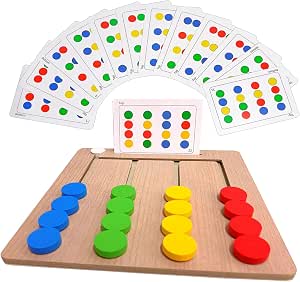 | Best for Repeatable, Card-Led Challenges | Base size: 7.7 x 7.7 inches | Cards included: 12 | Game challenges: 24 | VIEW ON AMAZON | See Our Full Breakdown |
| Six 48-Piece Large-Piece Puzzles for Seniors |  | Best for Organized 48-Piece Puzzle Sessions | Brand: NZNDB | Puzzle count: 6 | Pieces per puzzle: 48 | VIEW ON AMAZON | See Our Full Breakdown |
| 6-Pack Large-Piece 20-Piece Puzzles for Seniors |  | Best for Easy-Grip Variety | Brand: snspolt | Puzzle type: Jigsaw | Puzzles included: 6 | VIEW ON AMAZON | See Our Full Breakdown |
| TieGokii Wooden Shape Puzzles for Seniors |  | Best for Adjustable Shape Challenges | Brand: TieGokii | Material: Wood | Puzzle pieces: 8 geometric pieces | VIEW ON AMAZON | See Our Full Breakdown |
| 6-Pack Large-Piece Jigsaw Puzzles for Seniors, 28 Pieces Each |  | Best for a Small Step Up in Piece Count | Brand: CampPole | Puzzle type: Jigsaw | Puzzles included: 6 | VIEW ON AMAZON | See Our Full Breakdown |
| The Easy and Relaxing Memory Activity Book for Adults |  | Best for Mixed Paper Activities | ISBN-10: 1988923182 | Format: Activity book | Intended audience: Adults | VIEW ON AMAZON | See Our Full Breakdown |
| Six Pack of 16-Piece Large-Piece Jigsaw Puzzles for Seniors |  | Best for Very Large, Easy-to-Handle Pieces | Brand: WSCXSC | Puzzle type: Jigsaw | Puzzle count: 6 | VIEW ON AMAZON | See Our Full Breakdown |
| Fun and Relaxing Activities for Adults: Large-Print Puzzles for People with Dementia |  | Best Activity-Book Pick | Format: Large-print activity book | Intended audience: Adults with dementia | Activity type: Easy puzzles | VIEW ON AMAZON | See Our Full Breakdown |
| 6-Pack Large-Piece Jigsaw Puzzles for Seniors, 25 Pieces Each |  | Best for Gentle Variety | Brand: snspolt | Included puzzles: 6 | Pieces per puzzle: 25 | VIEW ON AMAZON | See Our Full Breakdown |
| Ciavotie 4-Pack 100-Piece Seasonal Jigsaw Puzzles with Large Pieces |  | Best for Supported, Longer Sessions | Brand: Ciavotie | Puzzle count: 4 | Pieces per puzzle: 100 | VIEW ON AMAZON | See Our Full Breakdown |
| WSCXSC Large-Piece Jigsaw Puzzles for Seniors, 3-Pack, 48 Pieces Each |  | Best for Visible, Tactile Pieces | Brand: WSCXSC | Puzzle count: 3 | Pieces per puzzle: 48 | VIEW ON AMAZON | See Our Full Breakdown |
| GoodDay Puzzles 16-Piece Jigsaw Puzzle for Seniors |  | Best for the Easiest Tabletop Start | Brand: GoodDay Puzzles | Number of pieces: 16 | Theme: Nautical | VIEW ON AMAZON | See Our Full Breakdown |
| puzzles for alzheimers patient | Brand | Material | Pieces per puzzle |
|---|---|---|---|
| Yigney 6-Pack Large-Piece Jigs | Yigney | Three-layer cardboard | 48 |
| Set of 5 Large-Piece 16-Piece | — | Paper/cardboard | 16 |
| Wooden Dementia Activity Puzzl | TieGokii | Wood | — |
| Dementia Activity Sliding Puzz | — | — | — |
| Six 48-Piece Large-Piece Puzzl | NZNDB | — | 48 |
| 6-Pack Large-Piece 20-Piece Pu | snspolt | Thick board | 20 |
| TieGokii Wooden Shape Puzzles | TieGokii | Wood | — |
| 6-Pack Large-Piece Jigsaw Puzz | CampPole | Plastic | 28 |
| The Easy and Relaxing Memory A | — | — | — |
| Six Pack of 16-Piece Large-Pie | WSCXSC | — | 16 |
| Fun and Relaxing Activities fo | — | — | — |
| 6-Pack Large-Piece Jigsaw Puzz | snspolt | Cardboard | 25 |
| Ciavotie 4-Pack 100-Piece Seas | Ciavotie | Recycled cardboard | 100 |
| WSCXSC Large-Piece Jigsaw Puzz | WSCXSC | Cardboard | 48 |
| GoodDay Puzzles 16-Piece Jigsa | GoodDay Puzzles | Plastic-free | — |
More Details on Our Top Picks
Yigney 6-Pack Large-Piece Jigsaw Puzzles for Seniors, 48 Pieces Each
I’d choose the Yigney six-pack for someone who enjoys traditional jigsaws but benefits from a fresh image after each completed puzzle. Its six scenes—spanning flowers, dogs, countryside, lighthouses, and beaches—offer more visual variety than the Set of 5 Large-Piece 16-Piece Jigsaw Puzzles for Seniors, while keeping every puzzle at a manageable 48 pieces. The large, thick cardboard pieces and included posters can make sorting and matching easier, and the storage box keeps the set together between sessions. The tradeoff is that 48 pieces may still feel demanding for someone who needs very simple matching, while experienced puzzlers may finish each image quickly. I’d start with a poster available and offer one puzzle at a time rather than presenting the full set at once.
Pros:- Six different scenes provide variety without changing the basic activity.
- Large, thick pieces are designed to be easier to grip and place.
- Matching posters offer a visual reference during assembly.
- Storage box keeps the reusable cardboard puzzles together.
Cons:- The 48-piece count may be too challenging for some people who need simpler activities.
- The same count may feel too easy for experienced puzzlers.
- Finished puzzles are a modest 11.8 x 8.5 inches.
Best for: Families seeking several colorful, traditional jigsaws for a person who can work with a modest piece count and enjoys changing images between sessions.
Not ideal for: People who need very low-piece-count matching activities, or experienced puzzlers seeking a sustained challenge beyond 48 pieces.
- Brand:Yigney
- Puzzle count:6
- Pieces per puzzle:48
- Piece size:Large
- Finished puzzle size:11.8 x 8.5 inches
- Material:Three-layer cardboard
- Included components:6 puzzles, 6 posters, storage box
- Skill level:Beginner
Our verdict“Choose Yigney for a varied set of traditional, large-piece jigsaws when 48 pieces is a suitable challenge.”
Set of 5 Large-Piece 16-Piece Jigsaw Puzzles for Seniors
For someone who benefits from a very small number of pieces, this set’s 16-piece format is a gentler starting point than the Yigney 6-Pack Large-Piece Jigsaw Puzzles, which has 48 pieces per image. The nostalgic themes may also give a caregiver an opening for conversation, though responses to images and memories will vary from person to person. Each puzzle measures 12 x 9.5 inches, and individual storage bags make it easier to keep designs separate or bring one along for a visit. The compromise is a narrower use case: the product description positions these puzzles for early- to mid-stage dementia, and the low piece count may not hold the interest of someone who wants more involved assembly. I’d select this set for accessible, short sessions rather than growing puzzle difficulty.
Pros:- Sixteen pieces per puzzle offer a simpler assembly task than 48-piece options.
- Nostalgic themes may provide prompts for shared conversation.
- Individual storage bags help keep the five puzzles organized.
- Each puzzle measures 12 x 9.5 inches.
Cons:- The low piece count may not engage people seeking a longer or more complex puzzle.
- The product description frames the set for early- to mid-stage dementia, limiting its stated fit.
- The available details do not specify piece thickness.
Best for: Caregivers looking for short, approachable jigsaw sessions with nostalgic imagery and separate bags for storing each puzzle.
Not ideal for: People who already complete 16-piece puzzles with ease, or buyers wanting an activity with several difficulty levels.
- Puzzle count:5
- Pieces per puzzle:16
- Puzzle dimensions:12 x 9.5 inches
- Material:Paper/cardboard
- Included components:5 puzzles and 5 storage bags
- Theme:Nostalgic
- Item weight:0.44 kg
- Recommended age:60 years and up
Our verdict“Pick this set when a lower-piece-count jigsaw and nostalgic imagery matter more than a longer challenge.”
Wooden Dementia Activity Puzzle for Seniors
Unlike the picture-building jigsaws in this group, the TieGokii Wooden Dementia Activity Puzzle centers on matching shapes, colors, and numbers to a base. That makes it a better fit for brief, guided repetition than for someone who prefers finding how image fragments connect. Its 20 wooden pieces support several simple recognition activities, and the pieces can be picked up and repositioned rather than locked into a finished cardboard picture. Compared with the Dementia Activity Sliding Puzzle Game for Seniors, this set offers more than one type of matching task, but it gives less structure through challenge cards. The beginner-level play may suit a caregiver-led session; it may feel limited for someone looking for independent, progressively harder puzzles. Product details also omit care instructions, so I’d ask the seller about cleaning before frequent shared use.
Pros:- Combines shape, color, and number recognition in one set.
- Large wooden pieces are designed for easier handling.
- Matching can be guided or repeated at a comfortable pace.
- Suitable for one or two players.
Cons:- Beginner-level matching may offer limited challenge for some users.
- No detailed care instructions are provided.
- It does not provide the picture-assembly experience of the Yigney 48-piece jigsaws.
Best for: Caregivers who want a tabletop activity they can guide through shape, color, and number matching with one or two players.
Not ideal for: Jigsaw fans who enjoy assembling a recognizable image, or buyers seeking documented cleaning guidance or graduated difficulty.
- Brand:TieGokii
- Material:Wood
- Included components:20 wooden puzzle pieces and 1 base
- Activities:Shape, color, and number recognition
- Number of players:1–2
- Item weight:0.4 kg
- Age recommendation:40 years and up
- Puzzle type:Assembly and disassembly
Our verdict“Choose this wooden set for caregiver-led shape, color, and number matching rather than traditional jigsaw assembly.”
Dementia Activity Sliding Puzzle Game for Seniors
I’d favor this sliding game for a person who responds well to short visual tasks and can move pieces across a board, rather than someone who prefers fitting loose pieces into a picture. Its 12 cards and 24 challenges give caregivers a ready-made sequence of activities; that structure distinguishes it from the TieGokii Wooden Dementia Activity Puzzle, which focuses on open-ended shape, color, and number matching. The 7.7-inch square base provides a defined play area, but the product information does not identify materials or explain durability. That makes it harder to judge how it will hold up to frequent handling than the cardboard or wooden alternatives in this roundup. The challenge may also be too simple for someone who wants a more involved task. I’d choose it for repeatable, card-guided play, not as a substitute for a traditional jigsaw.
Pros:- Twelve cards provide a clear visual prompt for play.
- Twenty-four challenges offer repeatable activities.
- The 7.7-inch square base gives the game a defined play area.
- Sliding mechanics differ from the piece-fitting action of standard jigsaws.
Cons:- Material and durability information is not provided.
- The puzzle may feel too easy for players seeking a larger challenge.
- Sliding play may not suit someone who prefers assembling a complete picture.
Best for: Caregivers seeking a compact, structured activity with multiple card-led challenges for a person who can manipulate sliding pieces.
Not ideal for: People who prefer tactile jigsaw assembly, need known material and durability details, or want a difficult puzzle.
- Base size:7.7 x 7.7 inches
- Cards included:12
- Game challenges:24
- Puzzle type:Sliding puzzle
Our verdict“Pick this game for card-guided sliding challenges when a traditional jigsaw is not the preferred activity.”
Six 48-Piece Large-Piece Puzzles for Seniors
This six-puzzle set matches the 48-piece format of the Yigney pack, but puts more emphasis on keeping each session organized: it includes six storage bags and image guides, plus two frames for displaying completed pictures. Those extras can help a caregiver present one design at a time and put the pieces away afterward. Its animal and landscape themes offer a different image mix from Yigney’s flowers, dogs, countryside, lighthouse, and beach scenes, though both remain traditional large-piece cardboard jigsaws. The stated piece thickness is 0.1 inches, but the description does not specify the material, so I would not assume it matches the three-layer cardboard used by Yigney. Like that set, 48 pieces may be a poor fit for someone who needs simpler matching or a player who wants a longer challenge.
Pros:- Six puzzles provide variety while keeping the piece count consistent.
- Six storage bags and six image guides support organized sessions.
- Two frames offer a way to display completed puzzles.
- Animal and landscape imagery provides alternatives to the Yigney pack’s listed scenes.
Cons:- Forty-eight pieces may be too challenging for some people and too simple for experienced puzzlers.
- The product details do not state the puzzle material.
- Only two frames are included for six puzzles.
Best for: Families who want several 48-piece puzzles with separate storage, image references, and frames for displaying completed scenes.
Not ideal for: People who need fewer than 48 pieces, experienced puzzlers seeking greater difficulty, or buyers who require clearly stated puzzle material.
- Brand:NZNDB
- Puzzle count:6
- Pieces per puzzle:48
- Puzzle dimensions:11.8 x 8.5 inches each
- Piece thickness:0.1 inches
- Included accessories:6 image guides, 6 storage bags, 2 picture frames
- Theme:Animals and landscapes
- Model number:Sp-36-6pk
Our verdict“Choose this pack over Yigney when storage bags, image guides, and display frames matter more than specified cardboard construction.”
6-Pack Large-Piece 20-Piece Puzzles for Seniors
For someone who benefits from large, easy-to-grip pieces and familiar picture cues, this set offers six separate puzzles without asking the solver to manage a large piece count. The matching reference posters can help a person work from a clear image instead of relying on memory alone, while the storage bags make it easier to put one puzzle away before bringing out another. Compared with the 16-piece WSCXSC Six Pack, these puzzles offer a small step up in assembly challenge; the WSCXSC set, however, specifies especially large five-inch pieces. The tradeoff here is that 20 pieces may still feel too simple for someone who enjoys longer tasks, and the product has no warranty. I’d choose it for variety and visual support, not for progressive difficulty.
Pros:- Six animal, flower, and scenic designs provide choice without requiring one long activity.
- Large pieces are intended to be easier to grip and assemble.
- High-contrast images and matching reference posters provide visual support.
- Individual storage bags support reuse and putting puzzles away between sessions.
Cons:- Twenty pieces per puzzle may offer too little challenge for people who prefer longer activities.
- No warranty is included.
- Piece dimensions are not specified, so the actual handling size is unclear.
Best for: Families seeking several approachable, high-contrast puzzles with reference images for a person who benefits from visual cues and easier handling.
Not ideal for: People who need very large pieces, a more demanding puzzle, or a product warranty; the listing gives no piece dimensions and each puzzle has only 20 pieces.
- Brand:snspolt
- Puzzle type:Jigsaw
- Puzzles included:6
- Pieces per puzzle:20
- Total pieces:120
- Included accessories:6 reference posters and 6 storage bags
- Material:Thick board
- Themes:Animals, flowers, and scenic images
- Difficulty:Easy
Our verdict“Choose this set for multiple visually supported, easy-level puzzles, but look elsewhere if the solver needs extra-large pieces or a greater challenge.”
TieGokii Wooden Shape Puzzles for Seniors
This is a different kind of activity from the picture-based jigsaws in this roundup: eight wooden geometric pieces are arranged on a base using instruction cards, rather than assembled into a depicted scene. Its main advantage is the range of 78 difficulty levels, which gives a caregiver or activity partner options for changing the task as a person’s attention or ability varies. Compared with the 6-Pack Large-Piece 20-Piece Puzzles, TieGokii offers more variety in task difficulty but far fewer finished-picture themes and no stated reference poster. The cards guide play, though the activity depends on following a card and using a stable tabletop. It suits someone who enjoys shape and color matching; it may not suit a person who finds abstract patterns less meaningful than recognizable images.
Pros:- Seventy-eight listed difficulty levels allow a range of task challenges.
- Wooden pieces and a base create a contained, hands-on tabletop activity.
- Instruction cards provide prompts for arranging the shapes.
- The shape, color, observation, and memory skills listed offer a change from ordinary image jigsaws.
Cons:- Abstract geometric tasks may be less engaging than recognizable animal or scenic pictures.
- Requires a tabletop and space for the base and instruction cards.
- Listed for one or two players, limiting larger-group participation.
Best for: Caregivers looking for a reusable tabletop activity with graded shape and color tasks for a person who enjoys guided, abstract challenges.
Not ideal for: People who prefer familiar picture scenes, need an activity that can be done away from a table, or do best with group play beyond two participants.
- Brand:TieGokii
- Material:Wood
- Puzzle pieces:8 geometric pieces
- Included components:1 base and 39 instruction cards
- Difficulty levels:78
- Number of players:1–2
- Listed skills:Color recognition, memory, observation, and shape recognition
- Item weight:442 g
- Age recommendation:40 years and up
Our verdict“Pick TieGokii when adjustable, guided shape tasks matter more than picture-based jigsaw play.”
6-Pack Large-Piece Jigsaw Puzzles for Seniors, 28 Pieces Each
At 28 pieces per puzzle, this six-pack offers a modest step up from the 20-piece snspolt set without moving into a much larger puzzle. That makes it a plausible choice for a solver who finishes simpler jigsaws readily but still benefits from a short, manageable activity. The bright, high-contrast artwork is intended to support matching and pattern recognition, and six animal and scenery designs give families options across sessions. Unlike the WSCXSC 16-piece set, this set asks the solver to sort and place more pieces, but its listing does not include image guides or storage bags. It is also made of plastic, which may appeal to buyers who prefer that material but disappoint those seeking traditional board pieces. Piece dimensions are not provided, so large-piece handling is not easy to verify from the specs.
Pros:- Six puzzles give caregivers options to rotate activities.
- Twenty-eight pieces provide more assembly work than the 16-piece WSCXSC set.
- Bright, high-contrast artwork is intended to support visual matching.
- Animal and scenery themes offer recognizable image choices.
Cons:- The 28-piece count may be too simple for people who enjoy more involved puzzles.
- Plastic construction may not suit buyers who prefer cardboard or thick board pieces.
- Piece dimensions and included image guides or storage bags are not specified.
Best for: Families looking for several relatively short jigsaws for a person who can handle more than a beginner-level piece count and likes animal or scenery images.
Not ideal for: Buyers who need specified extra-large pieces, included image guides and storage bags, or cardboard construction; those details are absent or differ from this set’s listing.
- Brand:CampPole
- Puzzle type:Jigsaw
- Puzzles included:6
- Pieces per puzzle:28
- Dimensions:11.42 × 7.87 × 0.04 inches
- Material:Plastic
- Themes:Animals and scenery
- Recommended age:12 years and up
Our verdict“Choose this set for a moderate piece-count step up, but favor another option if verified piece size or included picture guides are priorities.”
The Easy and Relaxing Memory Activity Book for Adults
This activity book is the non-jigsaw option among these five: it combines easy puzzles, memory activities, and brain games in one adult-focused format. That mix may suit a person who prefers changing tasks over repeatedly assembling picture pieces, or a caregiver who wants a book-based activity to try alongside other routines. Compared with the TieGokii Wooden Shape Puzzles, it does not depend on loose pieces or a tabletop setup, but the available product information gives no specific activity count, print size, difficulty progression, or page details. That makes it harder to judge whether a particular activity will match someone’s vision, reading ability, or current skills before purchase. I’d treat it as a flexible activity-book alternative, not as a substitute for a large-piece jigsaw when easy handling is the priority.
Pros:- Combines memory activities, easy puzzles, and brain games in one book.
- Designed for adults rather than presented as a children’s puzzle.
- Book format avoids loose puzzle pieces and separate storage bags.
- Offers an alternative to the picture-based jigsaws elsewhere in this group.
Cons:- Activity count, page format, and print size are not specified.
- No stated difficulty progression makes it difficult to judge how well tasks can match changing abilities.
- Does not provide the large tactile pieces available in the WSCXSC jigsaw set.
Best for: Caregivers seeking a book-format mix of easy puzzles and memory activities for an adult who prefers paper tasks to loose jigsaw pieces.
Not ideal for: People who need large tactile pieces, large-print content, or a clearly documented difficulty range; those features are not specified in the available product data.
- ISBN-10:1988923182
- Format:Activity book
- Intended audience:Adults
- Activity types:Memory activities, easy puzzles, and brain games
Our verdict“Choose this book for varied paper-based activities, but select a large-piece jigsaw if tactile handling support is the main need.”
Six Pack of 16-Piece Large-Piece Jigsaw Puzzles for Seniors
The clearest reason to choose this set is its specified five-inch-long, embossed pieces, a useful distinction for a person who struggles to grip or visually separate smaller puzzle parts. Each puzzle has only 16 pieces, so the activity stays brief and approachable; six designs, image guides, and storage bags also make it practical to rotate puzzles rather than leave pieces out. Compared with the snspolt 20-piece set, this one has fewer pieces but gives more detail about their size and includes full-size image guides. That is a better fit when handling ease matters more than added challenge. The tradeoff is limited puzzle complexity, which may leave a more capable solver wanting more; the age recommendation also reads as a children’s-use label despite the senior-focused description.
Pros:- Five-inch-long embossed pieces are specified for easier handling.
- Six puzzles provide several themes for activity rotation.
- Full-size image guides offer a clear visual reference.
- Storage bags help keep each puzzle’s pieces together between sessions.
Cons:- Sixteen pieces per puzzle may be too easy for someone who wants a longer challenge.
- The listed age recommendation is 3 years and up, which may not suit buyers seeking senior-specific labeling.
- The product data does not specify the themes beyond animals and other varied designs.
Best for: Families prioritizing large, clearly specified pieces and image guides for a person who benefits from short, straightforward jigsaw sessions.
Not ideal for: People who need a sustained or more challenging puzzle, or buyers who want a product listing with an adult-specific age recommendation.
- Brand:WSCXSC
- Puzzle type:Jigsaw
- Puzzle count:6
- Pieces per puzzle:16
- Puzzle size:12 × 8.6 inches
- Piece size:5 inches long
- Piece thickness:0.1 inches
- Included:6 image guides and 6 storage bags
- Number of players:1 or more
Our verdict“Pick this set when piece size and picture guides matter more than puzzle complexity, and skip it if 16 pieces will be too brief.”
Fun and Relaxing Activities for Adults: Large-Print Puzzles for People with Dementia
For families looking for a paper-based activity without loose jigsaw pieces, this large-print book offers easy puzzles framed as fun, relaxing activities for adults with dementia. That makes it a different kind of choice from the GoodDay Puzzles 16-Piece Jigsaw Puzzle, which offers a tactile tabletop task but requires handling and keeping track of pieces. Large print may be helpful for readers who find small text difficult, though the supplied details do not name the puzzle formats or explain how difficulty progresses. I would choose this book when a caregiver wants a simple activity that can be opened and put away easily, not when they need a clearly specified puzzle challenge. The lack of information about puzzle types and book length makes it harder to judge whether the content will suit a particular person’s interests or ability.
Pros:- Large-print format may be easier to read than standard-size activity pages
- Designed for adults with dementia rather than presented as a general children’s puzzle
- Easy puzzles are intended to support a relaxed activity session
- Book format avoids loose jigsaw pieces that can be misplaced
Cons:- Available details do not identify the puzzle types
- Book length and number of activities are not specified
- No information is given about adjustable difficulty
Best for: Caregivers seeking a large-print, easy-to-store activity book for an adult who prefers printed puzzles to handling jigsaw pieces
Not ideal for: Families who need a known number of activities, specific puzzle types, or a tactile jigsaw with large physical pieces
- Format:Large-print activity book
- Intended audience:Adults with dementia
- Activity type:Easy puzzles
- Activity style:Fun and relaxing
- Puzzle types:Not specified
- Book length:Not specified
Our verdict“Choose this book for a low-fuss, large-print activity, but pick a physical jigsaw if handling pieces is part of the goal.”
6-Pack Large-Piece Jigsaw Puzzles for Seniors, 25 Pieces Each
This set’s strongest advantage is six separate beginner-level puzzles, giving a caregiver a choice of animal and scenery subjects without jumping to a higher piece count. Each puzzle has 25 large cardboard pieces, a modest task for someone who may find a 48-piece option such as the WSCXSC Large-Piece Jigsaw Puzzles for Seniors too demanding. The range of scenes can help keep repeated sessions from feeling identical, though the listing does not say whether the images use strong contrast or offer assembly aids. I would favor this set for short, supported activities where finishing matters more than a long challenge. Its 25-piece limit can feel too easy for experienced puzzlers, and the age range starting at three is an odd fit for a product described for seniors, so I would verify the intended audience and handling needs before choosing it.
Pros:- Six puzzles provide variety across multiple sessions
- 25-piece format offers a manageable starting point for beginners
- Large cardboard pieces are intended to be easier to see and handle
- Themes include animals, birds, gardens, and scenery
Cons:- A 25-piece puzzle may offer too little challenge for some users
- Listing gives an age range starting at three despite the senior-focused description
- No assembly posters, back-letter guides, or high-contrast details are specified
Best for: Caregivers who want several short, beginner-friendly jigsaw sessions with varied animal and landscape scenes
Not ideal for: Experienced puzzle solvers or buyers who need confirmed dementia-specific design details, such as contrast, grip texture, or assembly guides
- Brand:snspolt
- Included puzzles:6
- Pieces per puzzle:25
- Material:Cardboard
- Puzzle dimensions:11.69 x 8.27 inches
- Skill level:Beginner
- Themes:Animals, beach, birds, city, train, gardens, landscapes, and farms
Our verdict“Pick this set for gentle variety and short sessions; choose a higher-piece-count set when the solver wants more challenge.”
Ciavotie 4-Pack 100-Piece Seasonal Jigsaw Puzzles with Large Pieces
Among these picks, this set is the clearest step up for someone who already enjoys assembling jigsaws: each seasonal scene has 100 pieces, with larger, thicker cardboard pieces intended to be easier to handle than standard small pieces. The letter guides on the backs add a practical cue if a solver gets stuck, while posters and storage bags help a caregiver set up and put away each activity. By comparison, the 25-piece snspolt set is better suited to brief beginner sessions; Ciavotie’s higher piece count offers more work but may also bring more frustration for someone who benefits from a simple, quick finish. The four country-life scenes give the set a consistent subject style rather than a broad mix of themes. I would choose it only when the person can manage a longer task, ideally with a helper nearby.
Pros:- Four seasonal puzzles offer repeat activities with related country-life imagery
- Large, thick pieces are designed for easier handling
- Letter guides on the backs can help with sorting and assembly
- Reference posters and storage bags support setup and cleanup
Cons:- 100 pieces may be too challenging for beginners or people with limited attention for longer sessions
- The seasonal country-life theme is less varied than a set mixing animals, buildings, and landscapes
- The listing does not specify puzzle dimensions
Best for: Caregivers supporting a confident jigsaw solver who enjoys longer activities and can use back-letter guides or a reference poster
Not ideal for: People who become distressed by longer or more complex tasks, or buyers seeking very low-piece-count puzzles for independent use
- Brand:Ciavotie
- Puzzle count:4
- Pieces per puzzle:100
- Total pieces:400
- Themes:Spring, summer, autumn, and winter country life
- Material:Recycled cardboard
- Included components:4 puzzles, 4 reference posters, and 4 storage bags
- Recommended age:15 years and up
Our verdict“Choose this set for a capable solver who wants a longer, guided jigsaw session, not for someone who needs the simplest possible task.”
WSCXSC Large-Piece Jigsaw Puzzles for Seniors, 3-Pack, 48 Pieces Each
WSCXSC balances a moderate 48-piece challenge with features that address two common barriers: seeing pieces clearly and gripping them. The set is described as having textured, large pieces and high-contrast designs, making it a more considered fit for someone who finds small, flat pieces difficult than the 25-piece snspolt set, though its higher count may take longer to complete. Three subjects—dog, bird, and building—offer some choice, and included posters can provide a visual reference if assembly stalls. The stated audience is early- to mid-stage dementia, but abilities vary, so the piece count alone cannot predict whether it will feel comfortable. I would rank it ahead of the Ciavotie 100-piece set for buyers seeking a shorter task, while noting that its three-puzzle selection is narrower than larger multipacks.
Pros:- Large, textured pieces are intended to be easier to grip
- High-contrast designs are intended to support visibility
- Three puzzles come with posters and storage bags
- 48-piece count offers more activity than beginner 16- or 25-piece puzzles without reaching 100 pieces
Cons:- 48 pieces may still be too demanding for some people with dementia
- Only three designs are included
- Individual puzzle images are not described in detail
Best for: Caregivers seeking a mid-level jigsaw with larger, textured pieces and visual references for an adult who can manage more than a beginner puzzle
Not ideal for: People who need a very simple puzzle, or buyers who want many varied themes or precise details about each image before purchasing
- Brand:WSCXSC
- Puzzle count:3
- Pieces per puzzle:48
- Material:Cardboard
- Puzzle dimensions:15.7 x 11.8 x 0.1 inches
- Designs:Dog, bird, and building
- Included components:3 puzzles, 3 posters, 3 storage bags, and packaging box
- Warranty:3 years
Our verdict“Choose WSCXSC for a moderate challenge with grip and visibility features, provided 48 pieces suit the solver.”
GoodDay Puzzles 16-Piece Jigsaw Puzzle for Seniors
With just 16 large ergonomic pieces, GoodDay is the simplest physical jigsaw in this group for someone who may find a larger puzzle discouraging. Its build-in-box design keeps the activity contained, reducing the chance of pieces sliding away or being separated from the puzzle during a session. The nautical artwork gives caregivers a possible conversation prompt, while the listing also describes solo or collaborative play. Compared with WSCXSC’s 48-piece puzzles, this asks for much less assembly and may be a better fit for shorter periods of concentration; the tradeoff is that confident puzzle solvers may finish quickly and want more. The supplied information describes indoor tabletop use and does not list multiple scenes or an adjustable difficulty. I would choose it for a supported, low-piece-count activity, not as a lasting challenge for an experienced puzzler.
Pros:- 16 large ergonomic pieces create a simple starting point
- Build-in-box design helps keep pieces together during assembly
- Nautical artwork may offer a familiar subject for conversation
- Can be completed solo or with another person
Cons:- Only 16 pieces may be too easy for experienced puzzlers
- Only one nautical theme is specified
- Designed for indoor tabletop use rather than portable or varied play
Best for: Caregivers looking for a contained, low-piece-count tabletop jigsaw for a beginner or someone who benefits from short, supported sessions
Not ideal for: Experienced puzzle solvers, people seeking several different images in one set, or anyone needing an activity for use away from a tabletop
- Brand:GoodDay Puzzles
- Number of pieces:16
- Theme:Nautical
- Piece shape:Rectangular
- Design:Build-in-box
- Number of players:1
- Item dimensions:12.8 x 9.7 x 0.8 inches
- Material:Plastic-free
Our verdict“Choose GoodDay for a simple, contained first jigsaw session; opt for WSCXSC or Ciavotie when the solver wants more pieces.”

How We Picked
I ranked these options around the practical needs behind the search for puzzles for people with Alzheimer’s: approachable task size, the potential ease of handling larger pieces, variety of activity, and the flexibility to match different abilities. I compared the listed piece counts and formats rather than treating every jigsaw as interchangeable. Lower-piece-count sets rank well for people who may benefit from a shorter, more accessible activity; higher-count sets offer a longer challenge but are less suitable as a default starting point. The books and non-jigsaw games are judged on the alternative kinds of engagement they provide.
The ranking also reflects buyer tradeoffs. Multipacks can provide options to rotate, but they do not guarantee that every image will appeal; a focused activity may be a better fit when a person has a clear preference. Product titles describe large pieces or dementia-oriented use, but they do not provide enough detail to confirm every individual’s handling comfort, visual needs, or current ability. I treat the picks as options to match with the person, not as medical interventions or guaranteed cognitive benefits.
Factors to Consider When Choosing Puzzles For Alzheimers Patients
Choosing well means matching the activity to the person, not simply selecting a product labeled for seniors or dementia. I would start with what the person enjoys and can comfortably do now, then adjust the challenge if the activity feels too easy or too frustrating.
Match Challenge to Today’s Ability
Abilities can vary from day to day, so a puzzle that worked last week may feel tiring today. A small piece count can make it easier to begin and finish without a long stretch of concentration. Higher counts may suit someone who actively enjoys searching for pieces and assembling a detailed image. A common mistake is choosing a harder puzzle because the person completed similar activities earlier in life. Start with a level that invites participation, then offer a more demanding option only if the person wants it. The goal is a comfortable activity, not a test of skill.
Look Beyond the Number of Pieces
Piece count is a helpful shortcut, but it does not tell the whole story. The image’s contrast, familiarity, and visual complexity can make a puzzle feel easier or harder than its count suggests. Repeated colors or a busy background may make pieces harder to distinguish, even in a modest puzzle. Large pieces can be easier to grasp than small ones, but the actual shape and material still affect handling. If possible, look for product images that show the completed picture and the pieces clearly. A recognizable subject may be more inviting than a technically simpler but unfamiliar scene.
Account for Vision and Hand Comfort
Vision changes, reduced grip, tremor, and joint discomfort can all affect whether a puzzle is pleasant to use. A large-piece label does not confirm that a person can easily pick up, turn, or separate the pieces. Check how much space the activity needs and whether a stable, well-lit table is available. Avoid setting out every loose piece if managing a large spread creates confusion; a small selection may be easier to approach. Consider whether a book-based activity or a tactile wooden puzzle may suit the person better than a traditional jigsaw. Choose for comfort and access, not just apparent difficulty.
Choose an Activity Format That Fits the Person
Jigsaws are not the only way to offer a structured activity. Shape puzzles and sliding games involve different kinds of movement and problem-solving, while activity books can offer several paper-based tasks in one place. These formats are not automatically easier: a sliding puzzle may require coordinated hand movements, and a book may depend on reading or vision. Think about what the person already likes, such as sorting objects, working with pictures, or using a pencil. The best format is often the one that feels familiar enough to invite a try. Keep an alternate format available if interest fades.
Decide Whether Variety Is Worth the Extra Pieces
A multipack can give caregivers several images to rotate, reducing reliance on a single puzzle that may quickly lose appeal. It can also introduce a practical challenge: more sets mean more pieces to store, sort, and keep together. Before choosing a bundle, think about whether the person enjoys trying different scenes or prefers repeating a familiar activity. A single puzzle can be a better match when storage space is limited or loose pieces are easily misplaced. Do not assume that more puzzles automatically provide more value for the household. Prioritize the images and formats most likely to be used.
Treat Participation as the Measure of Success
A puzzle should support enjoyable engagement, not become an obligation or a measure of cognitive ability. Fatigue, mood, noise, and interruptions can influence how an activity goes, even when the puzzle itself is a good match. Offer help in small steps, such as sorting a few pieces or pointing out a familiar color, while leaving room for the person to lead. If frustration appears, pause or switch to a simpler task rather than pressing to finish. Caregivers should also check whether the person prefers company or quiet while working. A short, pleasant session can be a better fit than completing the whole puzzle.
Frequently Asked Questions
Should I start with a 16-piece puzzle or a 48-piece puzzle?
I would use the person’s current comfort with puzzles as the guide rather than choosing by age or diagnosis. The 16-piece options in this roundup are the gentler starting point for someone who tires easily or has not shown interest in jigsaws recently. A 48-piece set may suit someone who already enjoys longer activities and can comfortably handle the pieces. If you are uncertain, begin with fewer pieces and offer more only if the person wants a greater challenge. Finishing is optional; the experience matters more than completing the image.
Are puzzles specifically labeled for dementia always the best choice?
No label can establish that a particular activity will suit every person. The person’s interests, vision, dexterity, patience, and familiarity with the format matter more than the wording on a package. A general large-piece puzzle with a meaningful image may be a better fit than a dementia-labeled activity that feels unfamiliar or too difficult. Product descriptions can help you compare format and piece count, but they cannot predict how someone will respond. Whenever possible, let the person’s comfort and interest guide the choice.
Is a multipack a better choice than one puzzle?
A multipack makes sense when the person enjoys changing images or when caregivers want several activities available to rotate. It may be less useful if the person prefers repetition, has limited storage space, or finds sorting loose pieces tiring. More sets also create more opportunities for pieces to be mixed or misplaced. A single activity with a familiar subject can be easier to set up and return to. Choose variety only when it serves the person’s preferences and the household’s routine.
Could a book or sliding puzzle be easier than a jigsaw?
It depends on the person’s abilities and interests, not just the activity format. A book avoids loose jigsaw pieces, but may require reading, writing, or sustained visual attention. A sliding puzzle uses fewer separate pieces, though moving tiles may be difficult for someone with limited hand coordination. A shape puzzle offers a tactile alternative, but its pieces still need to be handled and matched. If a jigsaw causes frustration, try a different format in a short, supported session rather than assuming every non-jigsaw activity will be easier.
What should I do if a puzzle begins to frustrate the person?
Pause and check whether the activity is tiring, visually confusing, or simply not appealing at that moment. You can reduce the task by setting out fewer pieces, offering a small amount of help, or taking a break. Avoid correcting the person repeatedly or turning completion into a goal. If frustration continues, put the puzzle away and offer a familiar, lower-effort activity instead. A calm response helps preserve the activity as an invitation rather than a source of pressure.
Conclusion
For the broadest starting point, I recommend the Set of 5 Large-Piece 16-Piece Jigsaw Puzzles as best overall: it pairs a gentle piece count with several images to rotate. The Yigney 6-Pack of 48-Piece Puzzles is my best value-style pick for households seeking multiple longer challenges, while the Ciavotie 4-Pack of 100-Piece Seasonal Puzzles is the best premium-style choice for someone who already enjoys more demanding jigsaws. Beginners may prefer the 16-piece set or the single GoodDay 16-Piece Puzzle to keep the task simple. For specific needs, choose the wooden shape puzzle or sliding game for an alternative to assembling a picture, and the large-print activity books for paper-based options. Match the format to the person’s comfort and interests, and treat willingness to participate as the clearest sign of fit.