To avoid damaging your jewelry, don’t neglect inspecting stones, use harsh chemicals, or scrub too hard with abrasive tools. Avoid household acids, bleach, and excessive force, which can scratch or weaken gemstones. Instead, choose gentle cleaning methods suitable for each stone, and always inspect your jewelry afterward for signs of damage. Want to keep your jewelry shining and intact? Keep going to discover essential tips that protect your precious stones.
Key Takeaways
- Avoid harsh chemicals like bleach and ammonia that can damage gemstones and tarnish metals.
- Do not scrub jewelry vigorously or use abrasive tools that can scratch delicate stones and surfaces.
- Always inspect for loose stones before cleaning to prevent loss or further damage during the process.
- Use gentle cleaning solutions and soft brushes tailored to specific gemstone types, especially for soft or treated stones.
- Refrain from ultrasonic cleaners on porous or fragile stones such as opals, pearls, or emeralds, to prevent internal damage.
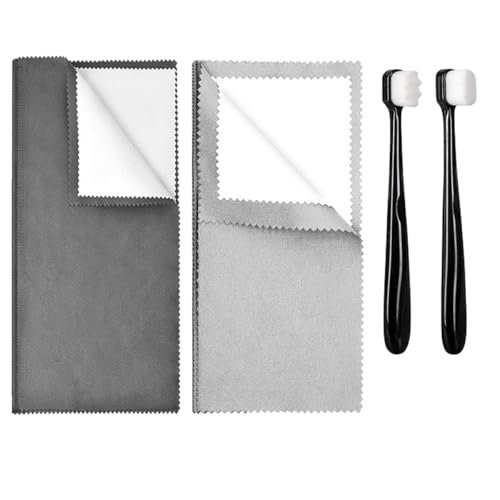
Syyflibb 2PCS Jewelry Cleaning Cloth, Silver Polishing Cloth Jewelry,2 PCS Ultra-Soft Brushes (Flat & Wave) for Cleaning Gold, Diamonds, Platinum, Gemstones, Coins (Black and Gray)
🔹 Dual-Action Silver Polishing Cloths; Includes 1 black (pre-polish) & 1 grey (final shine) cloths to remove tarnish…
As an affiliate, we earn on qualifying purchases.
As an affiliate, we earn on qualifying purchases.
Avoiding Common Jewelry Cleaning Mistakes
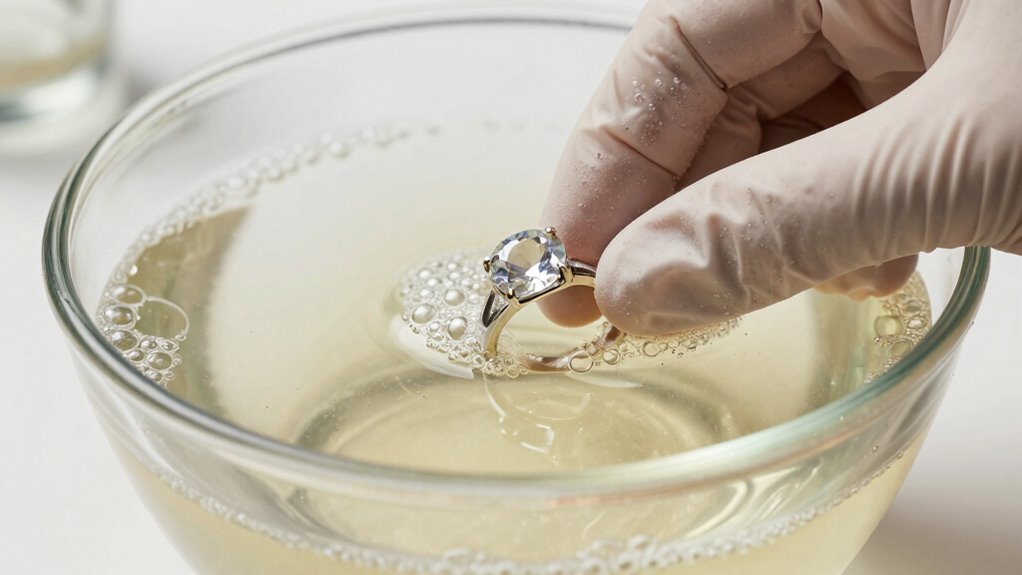
Many people unknowingly damage their jewelry by making simple cleaning mistakes. Proper jewelry maintenance is essential to keep your pieces looking their best, but improper cleaning can harm gemstones and settings. One common mistake is neglecting regular gemstone inspection; loose stones can fall out during cleaning if not checked beforehand. Avoid using abrasive materials or harsh brushes that can scratch delicate surfaces. Instead, use gentle cleaning solutions and soft cloths. Also, don’t skip rinsing thoroughly to remove residue. Additionally, proper maintenance routines help prevent damage and prolong the life of your jewelry. Incorporating energy-efficient cleaning methods can also contribute to sustainable jewelry care practices. Using appropriate cleaning tools designed specifically for jewelry can further minimize the risk of damage. Regular inspections and correct cleaning techniques are crucial to prevent unnecessary damage and preserve your jewelry’s beauty. Being aware of safe cleaning procedures is essential for maintaining your jewelry’s longevity. By paying attention to gemstone inspection and gentle cleaning techniques, you’ll prevent unnecessary damage and preserve your jewelry’s beauty. Regular maintenance and careful cleaning ensure your jewelry stays stunning and intact for years to come.

Blitz Gem & Jewelry Cleaner Liquid Concentrate for Gold, Silver, & Platinum Jewelry Cleans Non-Porous, Precious & Semi-Precious Stones. Non-Toxic, Non-Abrasive, & Planet Friendly Made in USA 8oz
THE ORIGINAL JEWELRY CLEANER | Since 1912, Blitz Has Been Making Your Silver Shimmer, Your Jewelry Glisten, and…
As an affiliate, we earn on qualifying purchases.
As an affiliate, we earn on qualifying purchases.
Using Harsh Chemicals That Damage Your Jewelry
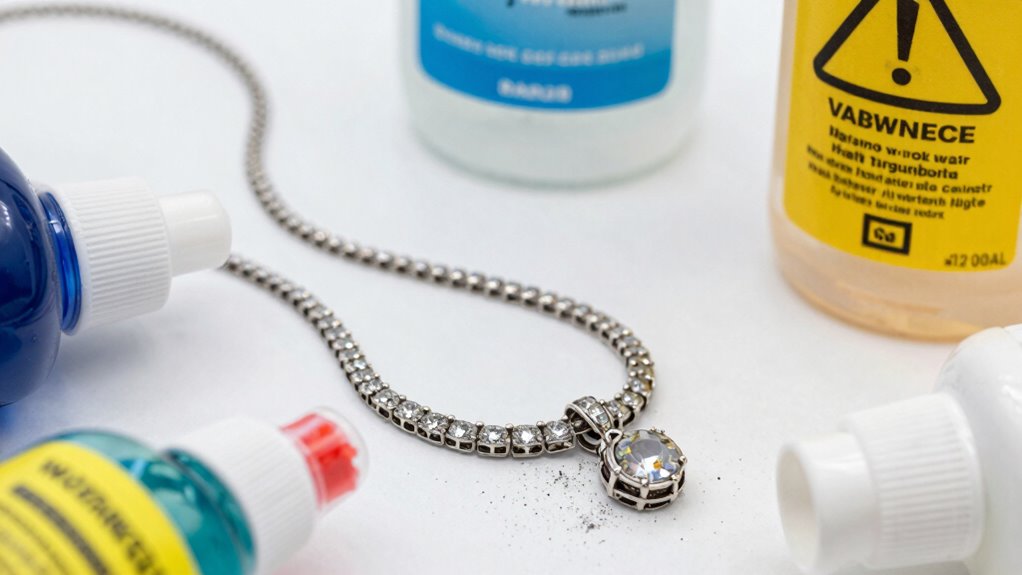
Using harsh chemicals to clean your jewelry can cause serious damage. These substances can tarnish metals and even harm delicate stones. It’s best to stick with gentle cleaners to protect your jewelry’s beauty and integrity. For example, using essential oils like lavender or tea tree oil can provide a safe, natural way to maintain your jewelry without risking damage to stones. Additionally, harsh chemicals can irritate piercings or cause allergic reactions, so choosing gentle cleaning methods is essential for piercing health. Moreover, many professional jewelry cleaning products are formulated to be sulfate-free, reducing the risk of damage to both metals and stones. Incorporating gentle, safe cleaning techniques helps preserve the longevity and appearance of your jewelry. Using Suprem fabric as a cleaning material can also offer a non-abrasive option that minimizes potential harm.
Harsh Chemicals Can Tarnish
Harsh chemicals can quickly damage your jewelry, causing tarnish, discoloration, or even deterioration of delicate materials. Using strong cleaners or household acids can lead to chemical etching, which damages surfaces and ruins the jewelry’s appearance. To prevent tarnish, avoid products with ammonia, bleach, or acetone, as they can accelerate corrosion. Instead, opt for gentle cleaning methods and products specifically designed for jewelry. Remember, improper chemical use not only tarnishes but also weakens metals and stones over time. Here’s a quick comparison:
| Chemical Type | Effect on Jewelry | Tarnish Prevention Tips |
|---|---|---|
| Ammonia | Causes discoloration | Use pH-balanced jewelry cleaners |
| Bleach | Leads to corrosion | Avoid harsh household cleaners |
| Acetone | Damages metal surfaces | Opt for mild soap and water |
Chemical Damage to Stones
Chemicals like bleach, ammonia, and acetone can directly damage the stones in your jewelry, leading to loss of luster, surface pitting, or even destroying delicate gems. These harsh agents disrupt the pH balance on your jewelry’s surface, triggering unwanted chemical reactions that weaken or discolor stones. Even if a cleaner seems harmless, its high alkalinity or acidity can cause irreversible damage over time. Some stones are especially sensitive to these chemical reactions, resulting in cracks or dullness. Always check the recommended cleaning methods for your specific jewelry. Avoid using strong chemicals unless approved by a professional. Instead, opt for gentle cleaning solutions that preserve the pH balance and prevent chemical reactions, ensuring your stones stay beautiful and intact.

Maplefield Ultrasonic Jewelry Cleaner Solution – Concentrated Formula & Ultrasonic Cleaning Fluid – Safe on Gold, Silver & Gemstones & Jewelry Cleaning Solution – 16 Fl Oz, Pack of 1
Ultimate Jewelry Care: Maplefield Ultrasonic Jewelry Cleaner Solution delivers meticulous care for your cherished gold and diamond mementos….
As an affiliate, we earn on qualifying purchases.
As an affiliate, we earn on qualifying purchases.
Don’t Scrub Too Hard: How Overcleaning Can Hurt Stones

While it might be tempting to scrub your jewelry vigorously to make it sparkle, applying too much force can actually damage the stones. Overcleaning with harsh scrubbing can loosen settings or scratch delicate surfaces. Instead, use gentle brushing with soft brushes or cloths to clean your jewelry effectively without risking harm. Soft cloths are excellent for removing surface dirt without abrasion, and gentle brushing reaches into crevices safely. Remember, patience is key—rushing the cleaning process can lead to chips or scratches, especially on softer stones like opals or pearls. Proper cleaning techniques are essential for maintaining your jewelry’s longevity and avoiding costly repairs. You want to preserve your jewelry’s beauty, not compromise it. Always opt for gentle cleaning techniques, and avoid the temptation to scrub too hard, ensuring your stones stay pristine and damage-free. Additionally, understanding jewelry care fundamentals can help prevent common cleaning mistakes that damage stones.

CONNOISSEURS Premium Edition Extra Large Polishing Cloth for Silver Jewelry – Ultrasoft Fabric with Anti-Tarnish Formula – 14×14 Inches
SILVER JEWELRY POLISHING CLOTH: Two-step dry-cleaning system polishes silver to a high luster; Removes tarnish and helps prevent…
As an affiliate, we earn on qualifying purchases.
As an affiliate, we earn on qualifying purchases.
Choosing the Right Tools and Techniques for Safe Cleaning
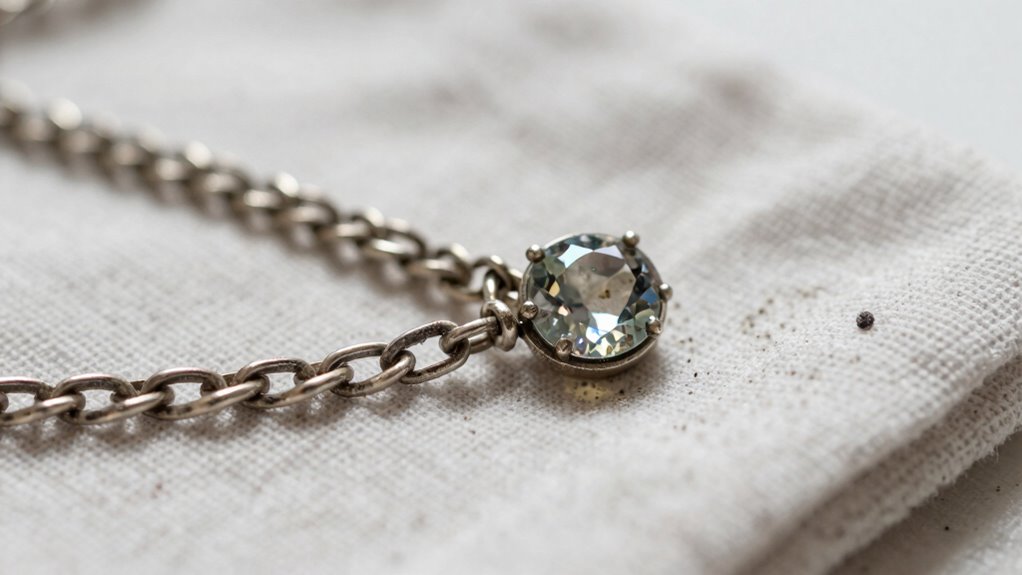
When cleaning your jewelry, choosing the right tools and techniques is vital to avoid damage. Make sure you select appropriate cleaning agents that won’t harm your pieces, and use gentle brushes or cloths designed for jewelry care. Steer clear of harsh abrasives that can scratch or dull your jewelry’s surface.
Selecting Appropriate Cleaning Agents
Choosing the right cleaning agents is essential to preserve your jewelry’s beauty and prevent damage. When selecting cleaning solutions, opt for practical cleaning methods specifically designed for jewelry, especially those that support gemstone preservation. Avoid harsh chemicals like chlorine, bleach, or abrasive cleaners that can weaken or discolor stones. Instead, choose gentle solutions such as mild soap and warm water or specialized jewelry cleaners recommended by professionals. Always read labels carefully and test a small area first. Using inappropriate cleaning agents risks dulling or damaging your stones, which can be costly to repair. Remember, the goal is to clean effectively without compromising the integrity of your jewelry. Properly chosen cleaning agents help maintain the sparkle and longevity of your pieces.
Using Proper Cleaning Tools
Using the right cleaning tools is crucial to guarantee your jewelry is cleaned safely and effectively. Choose soft brushes, microfiber cloths, and gentle cleaning solutions suited to your jewelry’s materials. Proper polishing techniques help restore sparkle without causing scratches or damage. Avoid abrasive pads or harsh chemicals that can harm delicate stones or settings. After cleaning, store your jewelry properly in soft-lined storage solutions to prevent scratches and tarnishing. Using appropriate tools not only preserves your jewelry’s appearance but also extends its lifespan. Be gentle and precise with your cleaning methods, and always follow manufacturer instructions for specific pieces. This careful approach ensures your jewelry remains beautiful and damage-free, keeping your investment safe for years to come.
Avoiding Harsh Abrasives
To keep your jewelry safe from scratches and damage, it is essential to avoid harsh abrasives during cleaning. Using abrasive cleaners or rough tools can scratch stones and dull metal surfaces. Instead, choose gentle methods that preserve your jewelry’s sparkle. When cleaning, steer clear of abrasive powders or scrubbing pads that can harm delicate settings. Proper jewelry storage helps prevent unnecessary contact and scratches. For metal polishing, opt for soft cloths designed for jewelry rather than abrasive pads. Remember, gentle cleaning preserves both the stones and metal, maintaining their brilliance over time. Always handle jewelry with care, ensuring you’re using the right tools for safe, effective cleaning. Avoiding harsh abrasives is key to keeping your jewelry beautiful for years to come.
Following Proper Care Instructions for Different Gemstones

Since different gemstones have unique properties, following their specific care instructions is essential to keep them looking their best. Knowing about gemstone treatments and mineral compositions helps you understand how to care for each stone properly. Some gemstones, like sapphires and rubies, are treated to enhance their appearance, so harsh cleaning methods can damage these treatments. Others, such as opals or pearls, are more delicate and require gentle handling. Always check the care guidelines for each gemstone type and avoid generic cleaning advice. Proper care preserves their brilliance and prevents irreversible damage. Additionally, being aware of gemstone ethnicity can help you better understand their unique care needs and origins. Understanding the care categories of different gemstones guides you in selecting the appropriate cleaning methods, ensuring your jewelry stays beautiful without risking harm to the stone itself. For example, knowing the treatment history of a gemstone can influence the cleaning method you choose to avoid damaging any enhancements. Regularly educating yourself on gemstone properties can further improve your jewelry maintenance practices.
Are Ultrasonic Jewelry Cleaners Safe? Risks to Know
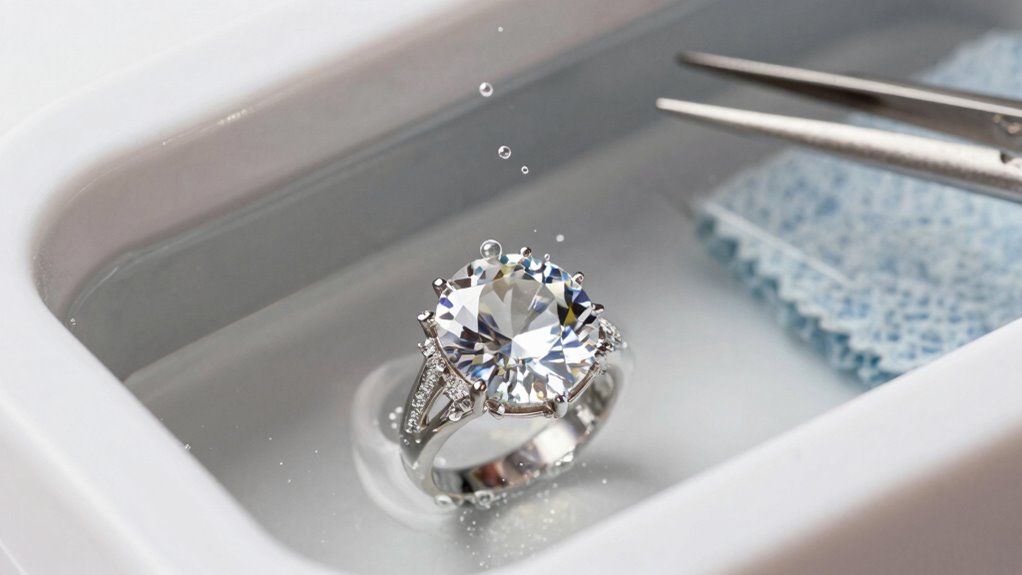
Ultrasonic jewelry cleaners can be effective for removing dirt and grime, but they aren’t suitable for every type of gemstone or jewelry piece. While they offer convenience, it’s important to understand the ultrasonic safety and potential cleaning risks involved. Certain stones, like opals, pearls, and emeralds, can be damaged by ultrasonic vibrations. Additionally, some settings or fragile components may loosen or break during cleaning. Many gemstones vary in porosity, affecting how they respond to cleaning methods and their susceptibility to damage from ultrasonic waves. Be cautious if your jewelry has:
- Soft or porous stones
- Loose or fragile settings
- Antique or vintage pieces
- Hidden or internal cracks
Using ultrasonic cleaners without considering these risks can lead to permanent damage. Always verify whether ultrasonic cleaning is safe for your specific jewelry to avoid costly mistakes. Understanding gemstone porosity and how it affects cleaning methods can help prevent unintended harm, especially since some stones are more susceptible to cleaning damage than others. It is also helpful to consider the variety of gemstones and their unique properties before proceeding.
Inspect and Maintain Your Jewelry After Cleaning
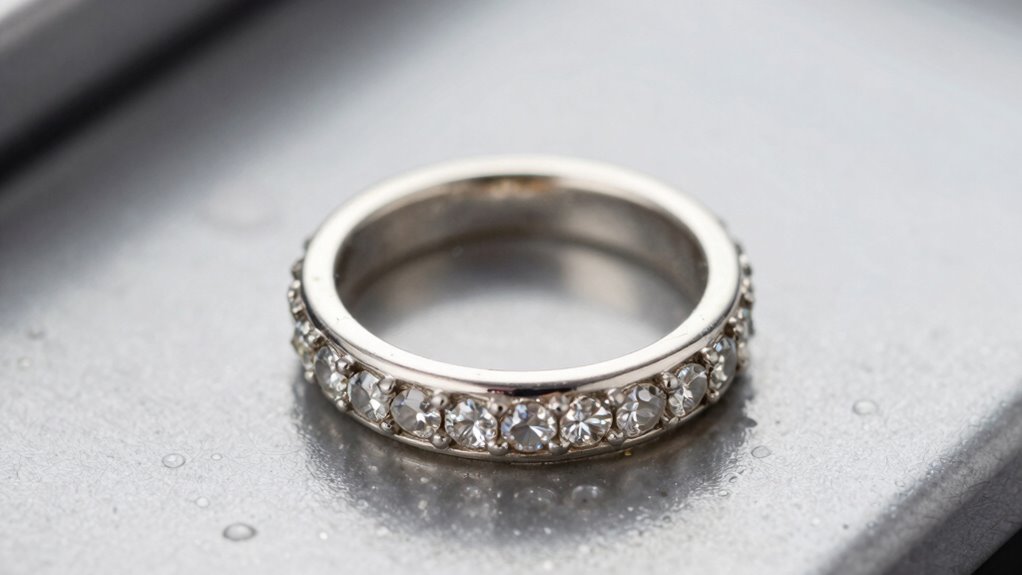
After cleaning your jewelry, it’s important to carefully inspect each piece to guarantee no damage has occurred. Check for loose stones or clasps, and ensure the settings are secure. Regular gemstone inspection helps identify any chips, cracks, or loosened stones early, preventing further damage. During this step, examine the polish maintenance, making sure surfaces are shiny and free from scratches or residue. If you notice dullness or scratches, consider professional polishing to restore their appearance. Handle your jewelry gently, using a soft cloth to wipe away any remaining residue and maintain its luster. Additionally, proper cleaning techniques can help prevent damage and preserve the stones’ integrity. Using the right cleaning methods tailored to specific stone types is essential to avoid unintended harm. By consistently inspecting and maintaining your jewelry after cleaning, you prolong its beauty and integrity, avoiding costly repairs or replacements in the future. Regular professional inspections are also recommended to catch issues early and ensure your jewelry stays in top condition.
Frequently Asked Questions
How Often Should I Professionally Clean My Jewelry?
You should have your jewelry professionally cleaned every six to twelve months to maintain its sparkle and prevent damage. Regular DIY cleaning at home is great between visits, but professional maintenance guarantees deep cleaning without risking stones or settings. This routine helps you avoid common jewelry cleaning mistakes that can ruin stones, prolonging their beauty and durability. Make it a habit to schedule professional cleanings to keep your jewelry looking its best.
Can Homemade Cleaning Solutions Damage Delicate Gemstones?
Homemade cleaning solutions can damage delicate gemstones if you’re not careful. Harsh acids or incorrect ingredients can erode or discolor the stones, risking gemstone safety. To avoid this, stick to gentle options like warm water and mild soap, and research your specific gemstones beforehand. Always test any homemade solution on a small area first, and when in doubt, consult a professional to confirm your jewelry stays pristine without harm.
What Are Signs My Jewelry Needs Repair After Cleaning?
When your jewelry starts to look dull or loose stones, it’s a sign you’ve hit a snag. After DIY cleaning, watch for loose settings, scratches, or a cloudy appearance—these indicate gemstone damage or a need for repair. Don’t ignore these signs; it’s better to be safe than sorry. If you notice any of these, take your jewelry to a professional to prevent further damage and make certain it stays sparkling.
Are There Specific Cleaning Tips for Vintage or Antique Jewelry?
For vintage and antique jewelry, focus on gentle cleaning techniques to guarantee antique preservation. Use a soft brush and mild soap for vintage cleaning, avoiding harsh chemicals that can damage delicate stones and settings. Never soak jewelry with porous stones or fragile metalwork. Instead, lightly clean and dry carefully. Always test a small area first, and consider consulting a professional for valuable or intricate pieces to prevent accidental damage.
How Can I Best Store Jewelry After Cleaning to Prevent Damage?
Imagine your jewelry as delicate whispers of elegance, deserving gentle care. To prevent tarnish and damage, store each piece properly—preferably in soft, lined compartments or jewelry pouches that separate them like protective guardians. Keep your jewelry in a cool, dry place away from direct sunlight and humidity. Proper storage shields your treasures, preserves their sparkle, and keeps tarnish at bay, ensuring your jewelry remains stunning for years to come.
Conclusion
To keep your jewelry sparkling without risking damage, avoid harsh chemicals and aggressive scrubbing. Use gentle tools and follow specific care instructions for each gemstone. Regular inspections help catch issues early. Did you know that improper cleaning can reduce a gemstone’s value by up to 50%? By following these simple tips, you’ll preserve your jewelry’s beauty and worth for years to come. Don’t rush—proper care makes all the difference.