TL;DR
Elegant dinnerware sets pair coordinated plates, bowls, and sometimes cups or serving pieces with materials and details that suit your needs. Compare porcelain, bone china, and stoneware; check care instructions and replacement options; and choose a set size that fits both your household and your cabinet. A polished table can serve Tuesday’s leftovers as well as a holiday dinner.
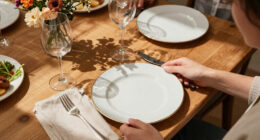
A beautiful dinner table doesn’t need candles or a special occasion. Sometimes all it takes is a clean white plate, a bowl with a soft blue rim, and the familiar clink of cutlery against ceramic. The right elegant dinnerware set can make a weeknight meal feel cared for while still standing up to your ordinary routine.

Get your wardrobe favorites delivered free with Prime
- Fast, free delivery on millions of items
- Prime Video, Amazon Music and more included
- Member-only deals all year
This guide helps you choose dinnerware by material, care, design, and set size, so you can buy pieces you’ll enjoy using instead of a box that looks impressive on a shelf. You’ll also learn how to mix complementary pieces and what to check before you order.
Choose porcelain, bone china, or stoneware based on the weight, appearance, and care that suit your household.
Read the maker’s microwave and dishwasher guidance; metallic trim commonly rules out microwave use.
Check what the piece count includes: a 16-piece set may mean four settings rather than sixteen separate place settings.
Measure cabinet shelves and review plate and bowl dimensions before ordering.
Look for open-stock availability if you want to replace individual pieces or expand your collection.
Choose a material that suits your everyday routine
Elegant dinnerware sets can be made from porcelain, bone china, or stoneware, and each material brings a different feel to your table. Porcelain often has a polished, versatile appearance; bone china is commonly lighter and more translucent; and stoneware tends to feel heavier, with a relaxed, tactile look. These differences affect more than appearance: weight matters when you carry a stack from the dishwasher, while translucency and finish can make a table feel more formal. Your best match depends on how the pieces feel in your hands and how often you use them.
Imagine setting breakfast for two before work. Lighter plates may be easier to carry from counter to table, while a heavier stoneware bowl can feel reassuring for thick oatmeal. Those preferences can also shape how dishes fit your routine: lighter pieces may be more comfortable to handle in quantity, whereas heavier pieces can feel substantial but take more effort to stack and unload. For a dinner party, fine china may lend a more formal mood, but a well-made porcelain set can look just as composed without feeling reserved for holidays.
Material alone does not tell you how sturdy a piece will be. Firing, construction, shape, glaze, and how you handle the dishes all play a part, so two sets made from the same material may have different care needs or hold up differently in everyday use. If you often load a dishwasher after family dinners, read the maker’s guidance and look for clear details about durability and care. Product labels such as “premium” do not replace those specifics, and choosing a delicate finish can mean accepting extra care in exchange for a particular look.
Hold a plate in person if you can, or check its listed weight and dimensions online. A broad, heavy dinner plate may look dramatic in a product photo but feel awkward to lift with one hand or difficult to fit in a crowded dishwasher. Comfort matters: the set should suit the people who use it, not an imagined formal table. A small compromise in visual impact may pay off every day if the plates are easier to handle and store.
Popular right now

Roborock Q7 M5+ Robot Vacuum and Mop with Self-Emptying Dock

Ninja Foodi DZ401 DualZone XL Air Fryer, 10 Qt, 6-in-1, Grey

De'Longhi Classic Signature Espresso Machine with Adjustable Milk Frother
As an affiliate, we earn on qualifying purchases.
Compare porcelain, bone china, and stoneware before you buy
Porcelain, bone china, and stoneware can all create an elegant table, but they differ in weight, visual character, and common uses. Those differences influence how a set feels in daily use and the mood it gives a meal: a lighter, more translucent piece may look delicate, while a heavier, tactile glaze can make a casual dinner feel relaxed. Compare the actual collection as well as its material name: a glaze, rim, or shape can change the look and care needs just as much as the base material does.
| Material | Common feel and look | Good fit when |
|---|---|---|
| Porcelain | Polished and versatile | You want pieces that work for daily meals and guests |
| Bone china | Often light and somewhat translucent | You prefer a refined look and lighter handling |
| Stoneware | Usually heavier, with a more relaxed appearance | You like tactile glazes and a casual, handmade feel |
Say you host a Sunday lunch once a month but eat at home most evenings. Porcelain with a simple rim might bridge both occasions: it can feel polished for guests without making everyday meals seem too formal. If you love a handcrafted look, stoneware may make roast vegetables and bread feel right at home, though its weight and stack size may matter if you have limited storage. A translucent bone china cup can look especially delicate, though a delicate appearance does not by itself tell you how a particular piece will perform.
There is no material that wins for every household. A lighter set might be easier to handle but still need careful treatment depending on its construction; a heavier one may suit your preferred look but require more cabinet space. Your choice also depends on the specific maker’s instructions, the weight you like, and whether replacement pieces are available. Ask yourself whether the dishes will serve quick lunches, long dinners, or a mix of both. The useful comparison is the one based on your table, not a claim that one material always lasts longest.
Check care details before a glossy finish meets your dishwasher
To buy dinnerware you can confidently use, check the manufacturer’s dishwasher, microwave, and care instructions before placing an order. Safe use varies by collection, and decorative details can change what you can do: metallic trim commonly makes a piece unsuitable for the microwave, while some finishes call for hand washing. These limits affect how much time you spend caring for the set and whether it fits your kitchen routine, so the finish you choose has practical consequences beyond its appearance.
- Read the product care label for each piece or collection.
- Check metallic decoration before using a dish in the microwave.
- Look for finish-specific advice, especially for textured glazes or delicate details.
- Avoid sudden temperature changes, which can stress ceramic pieces.
Picture a busy Wednesday: dinner is over, the dishwasher is full, and you’re deciding whether to wash a gold-rimmed plate by hand. If the instructions say hand wash, that extra step is part of owning the set; over time, it may make the plates feel like special-occasion pieces instead of everyday ones. A plain glazed plate marked dishwasher-safe may fit that household’s routine better, even if both options look equally polished at the table.
Rims and edges deserve a little attention as you stack dishes or unload them. Overcrowding a cabinet can knock plates together, and setting a hot dish on a very cold surface may stress ceramic. Care is a buying decision, not an afterthought. Choosing a finish that suits your habits can reduce routine effort, while choosing a more delicate finish may be worthwhile if its appearance matters enough to you to make the extra care feel acceptable.
Pick a set size that fits your guests and your cabinet
Choose enough dinnerware for the people you serve regularly, then account for guests, replacements, and storage. Start with your usual table: a household of four that often hosts six may appreciate extra settings, but a large boxed collection can waste cabinet space if you rarely use its serving pieces. The tradeoff is between having enough on hand when company comes and storing, maintaining, and paying for pieces that may seldom leave the cupboard.
Before buying, check what the piece count means. A 16-piece set may contain four place settings, each with a dinner plate, smaller plate, bowl, and cup; another collection’s count may be built differently. Some sets are sold by setting for four or eight people, while larger boxed collections can add serving pieces instead of extra plates for guests. This matters because two sets with the same headline count can solve different problems: one may provide more individual settings, while another equips you to serve food at the table.
Take a minute to measure your shelves, especially if you have a small kitchen. A wide dinner plate may not stack comfortably in a shallow cupboard, and a deep bowl can take more space than its product photo suggests. Imagine unloading groceries into a compact apartment kitchen: stackable plates and bowls can matter more than an extra platter you use once a year. Measuring also helps prevent a mismatch between the dishes you like and the space you can realistically give them.
Open-stock collections let you buy individual pieces and may make it easier to replace a chipped bowl or add settings later. Boxed sets can simplify the initial purchase when you want a matching group at once, and may offer a convenient way to furnish a table in one go. Check availability before deciding: a collection that is easy to expand offers more flexibility if your household or hosting plans change, while a boxed set may be the simpler choice if you need a complete group now.
Create a coordinated table without buying every piece as a set
You can create an elegant table with matching pieces or with a thoughtful mix of plates, bowls, and serving dishes. A shared color, shape, or finish gives different pieces a visual thread, so a table feels coordinated rather than accidentally mismatched. The benefit of mixing is flexibility: you can add personality gradually or use pieces you already own. The tradeoff is that a collection of individual purchases takes a little more attention to scale and compatibility than a ready-made set.
For example, pair a plain ivory dinner plate with a smaller plate in a muted green glaze. Add clear glassware, brushed metal flatware, and a linen napkin, and the table feels pulled together without every item coming from one box. The color echoes the herbs on a serving platter; the varied surfaces catch the light differently as people pass food around. Repeating that green in a napkin or serving bowl can strengthen the connection, while too many competing colors may make the arrangement feel less settled.
White and neutral dinnerware remains a versatile starting point because it works with changing linens and seasonal accents. Bolder glazes, embossed details, organic shapes, and contrasting rims can bring more personality, though a distinctive color may be harder to match if the collection is discontinued. Recent styling often mixes more formal shapes with tactile surfaces and muted, nature-inspired colors; what you find will vary by retailer and region. A neutral base is easier to build on over time, while a distinctive set can make a stronger statement but may limit future pairing choices.
Before combining pieces, check their scale. A small dessert plate can look lost beside a very broad dinner plate, and a tall bowl may feel out of place next to low, shallow dishes. Try one shared detail first, such as a repeated rim color or similar matte finish. That simple connection can make everyday meals feel considered without demanding a perfectly identical setting, and it gives you a clear basis for deciding whether another piece belongs.
Get more value from every place setting you bring home
A dinnerware set offers better value when its pieces suit your meals, care routine, and plans for replacing broken items. Price per piece is only one clue; also check what you will actually use, how the dishes need to be cared for, and whether you can buy a replacement later. A low cost per item can be misleading if much of the box sits unused or if a piece that breaks cannot be replaced.
Imagine a boxed set that includes a large platter and several serving bowls at a tempting price. If you already have serving dishes and need everyday bowls, a smaller set sold by place setting could be a better fit. On the other hand, if you are furnishing a new home, the larger collection may save you from buying useful pieces separately. Comparing the contents against what you own helps distinguish a real saving from paying less per piece for items you do not need.
Use this quick checklist as you compare options:
- Materials and finish: Do you like the weight, surface, and shape?
- Care instructions: Do they fit your routine for dishwashing and reheating?
- Piece count: How many full settings and serving pieces are actually included?
- Storage: Will the plates and bowls stack in your available cabinet space?
- Replacement options: Can you buy individual pieces if one breaks?
Fit also includes personal comfort. Plate sizes, bowl shapes, and weight should work for the people at your table; there is no single ideal style for every body or meal. When buying online, check dimensions and return details rather than relying on a styled photo. Dimensions help you judge how a dish will feel and store, while return terms matter if its scale or finish looks different in person. Good value is a set you enjoy reaching for, whether you are serving toast on a Tuesday or soup to friends on a cold evening.
Frequently Asked Questions
What material is best for elegant dinnerware?
It depends on what you value. Porcelain is often polished and versatile, bone china is commonly lighter and more translucent, and stoneware usually has a heavier, relaxed feel. Check the specific collection’s care guidance and choose the weight and style you enjoy using.
Can elegant dinnerware go in the dishwasher or microwave?
Some sets can, but it varies by maker and finish, so follow the product instructions. Metallic decoration commonly makes dinnerware unsuitable for microwave use, and some surfaces need hand washing. Check before you buy if dishwasher or microwave use is part of your routine.
How many place settings should I buy?
Start with the number of people in your household and add settings if you often host. Check how the brand defines a place setting and whether individual pieces are available later. Extra settings help with guests, while a smaller collection can suit limited storage or occasional entertaining.
What does a 16-piece dinnerware set usually include?
It can mean four place settings with four pieces each, such as a dinner plate, smaller plate, bowl, and cup. Other collections count pieces differently or include serving items. Read the item list rather than relying on the headline number.
Can I mix different dinnerware patterns?
Yes. A repeated color, shape, or finish can tie different patterns together. For example, a plain ivory dinner plate can sit comfortably beside a smaller plate with a muted green rim. Check scale as well as color so the pieces look balanced together.
How can I help prevent chips and cracks?
Avoid overcrowding stacks, handle rims carefully, and follow the maker’s care advice. Sudden temperature changes can stress ceramic pieces, so avoid moving a hot dish onto a very cold surface. Good stacking and careful handling help reduce knocks in a busy kitchen.
Conclusion
Choose dinnerware for the way you really eat: compare material and care instructions, check the full piece count, and measure your storage before you buy. A versatile set can look composed on a holiday table and feel perfectly at home beside a quick weekday meal.
Start with pieces you’ll reach for often, then add a little color or texture if you want. The best table is the one that welcomes you back to it.