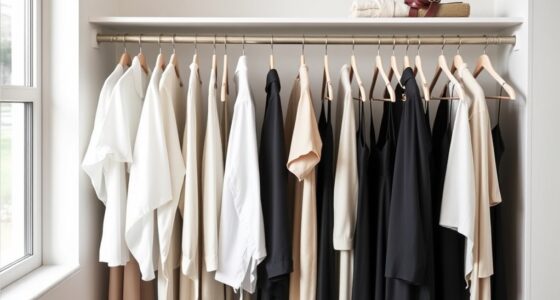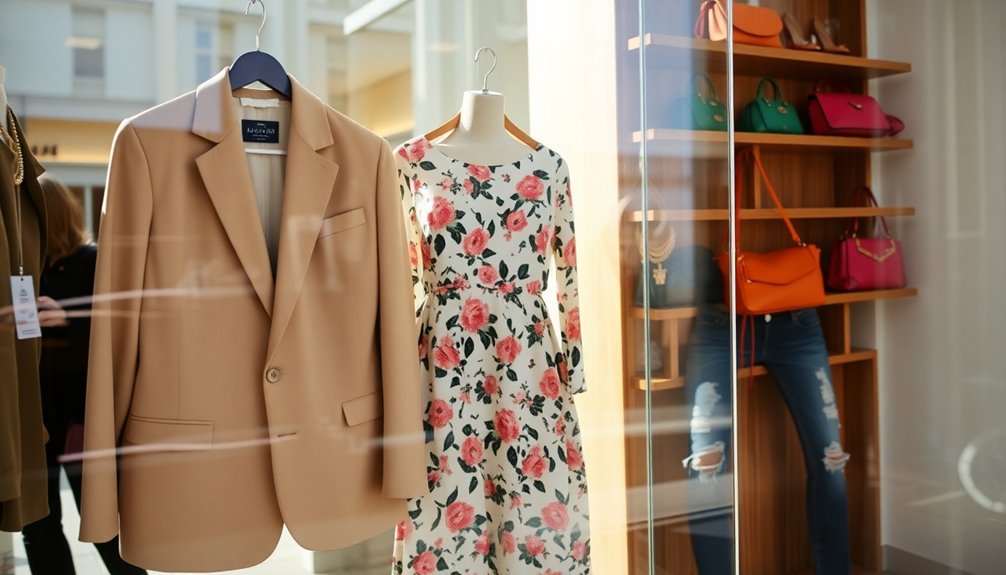

Fabric weight affects how your clothes move and feel because it determines their structure and drape. Heavier fabrics feel more substantial and often stay in place, giving a sturdier, formal look. Lighter fabrics are softer and sway more easily, creating a relaxed, breezy feel. This influences comfort, flexibility, and style. If you want to understand how different fabrics behave and why, keep exploring how weight impacts clothing performance.

Get your wardrobe favorites delivered free — and shop member deals
- Fast, free delivery on millions of items
- Access to Prime Big Deal Days deals on October 6–7
- Prime Video, Amazon Music and more included
Key Takeaways
- Heavier fabrics provide more structure, making clothes feel more substantial and offering a stiffer drape.
- Lighter fabrics are more flexible, allowing garments to sway and move easily with body movements.
- Thick, dense fibers in heavier textiles resist fluttering, resulting in a more rigid, formal appearance.
- Lightweight fabrics flow freely, creating a relaxed, breezy sensation and enhancing ease of movement.
- Fabric weight influences how garments respond to environmental factors like wind and body motion.
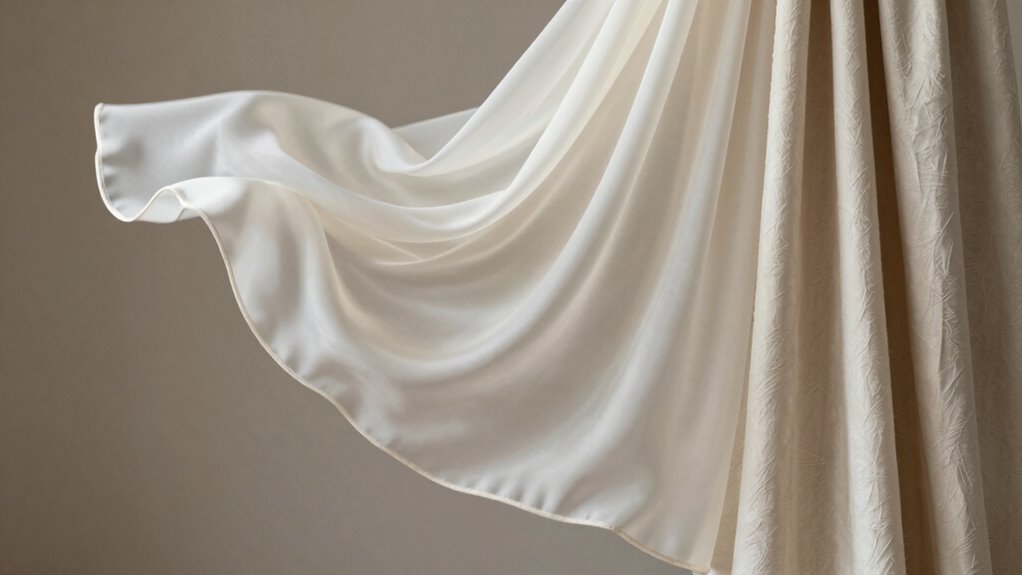
Understanding fabric weight is essential because it directly influences how a piece of clothing feels against your skin. Heavier fabrics tend to be thicker and denser, while lighter ones are more delicate and airy. When you choose clothing, the fabric weight impacts not just comfort but also how the garment moves and behaves throughout the day. For example, a lightweight cotton shirt feels breezy and flexible, perfect for hot weather, whereas a heavier denim jacket feels sturdy and substantial, ideal for colder days.
Fabric weight influences comfort, movement, and suitability for different weather; lighter fabrics are breezy, heavier ones are sturdy.
The weight of the fabric also affects fiber durability and breathability characteristics. Heavier fabrics often have fibers that are more tightly woven or thicker, which enhances their durability. This means your clothing will hold up better over time, resist tearing, and maintain its shape longer. Conversely, lighter fabrics might not last as long but excel in breathability and comfort. They allow air to flow freely through the fibers, helping you stay cool and comfortable, especially during physical activity or in warm environments. Additionally, fabric weight can influence the overall texture and feel of the material against your skin. The fiber composition also plays a role in how the fabric behaves, especially when considering weight and movement.
When you wear a garment made from a heavier fabric, you’ll notice a different kind of movement—more weight behind the fabric, less fluttering or shifting with every step. Heavier textiles tend to drape more heavily, providing a sense of structure and formality. This makes them suitable for tailored suits or outerwear that needs to hold its shape. Lighter fabrics, however, move more freely and tend to feel more casual or relaxed. They sway with your movements, giving a sense of ease and fluidity that complements laid-back styles. The weight of the fabric can also influence how the garment responds to different environments, enhancing comfort in varying conditions.
Your choice of fabric weight also influences how the clothing feels against your skin. Heavier materials often feel more substantial and sometimes warmer, making them ideal for cooler climates. Lighter fabrics feel softer and more delicate, which can enhance comfort during hot weather or for layering purposes. The fabric weight also affects how the fabric drapes and moves, contributing to the overall style and fit of the garment. The breathability of lighter fabrics helps regulate your body temperature by allowing moisture and heat to escape, preventing you from feeling overheated.
lightweight breathable cotton shirts
As an affiliate, we earn on qualifying purchases.
As an affiliate, we earn on qualifying purchases.
Frequently Asked Questions
How Does Fabric Weight Affect Breathability?
Fabric weight directly impacts breathability because lighter fabrics have lower fiber density, allowing air to flow through more easily. This improves moisture management by helping sweat evaporate quickly, keeping you cooler and more comfortable. Heavier fabrics, with higher fiber density, tend to trap heat and moisture, reducing breathability. So, choosing a lighter fabric enhances airflow and moisture control, making your clothes feel fresher and more breathable during activity or hot weather.
Can Fabric Weight Influence Clothing Durability?
Yes, fabric weight influences clothing durability. Heavier fabrics typically have stronger thread strength, making them more resistant to wear and tear. This increased durability extends the fabric’s longevity, meaning your clothes last longer. Lighter fabrics might feel more comfortable but can wear out faster. So, if you want sturdy, long-lasting clothing, choosing a higher fabric weight can make a noticeable difference in how your garments hold up over time.
Does Heavier Fabric Mean Warmer Clothing?
Heavier fabric generally means warmer clothing because increased fabric weight often correlates with better insulation. While fabric insulation influences warmth, weight versatility allows fabrics to serve multiple functions, like being both warm and lightweight. Some heavier fabrics are designed with insulation layers, enhancing warmth without bulk. So, yes, a heavier fabric usually provides more warmth, but the overall insulation quality and fabric type also play essential roles in how warm your clothing feels.
How Does Fabric Weight Impact Clothing Care and Maintenance?
Fabric weight impacts clothing care by influencing how you should wash and maintain your garments. Heavier fabrics may require gentler washing cycles and longer drying times, while lighter fabrics often need quick, delicate handling. Always follow the fabric care tips and washing instructions on the label to prevent damage or shrinking. Proper care keeps your clothes looking their best, preserves their weight and feel, and extends their lifespan.
Are There Specific Fabrics Suited for Lightweight or Heavy Weight?
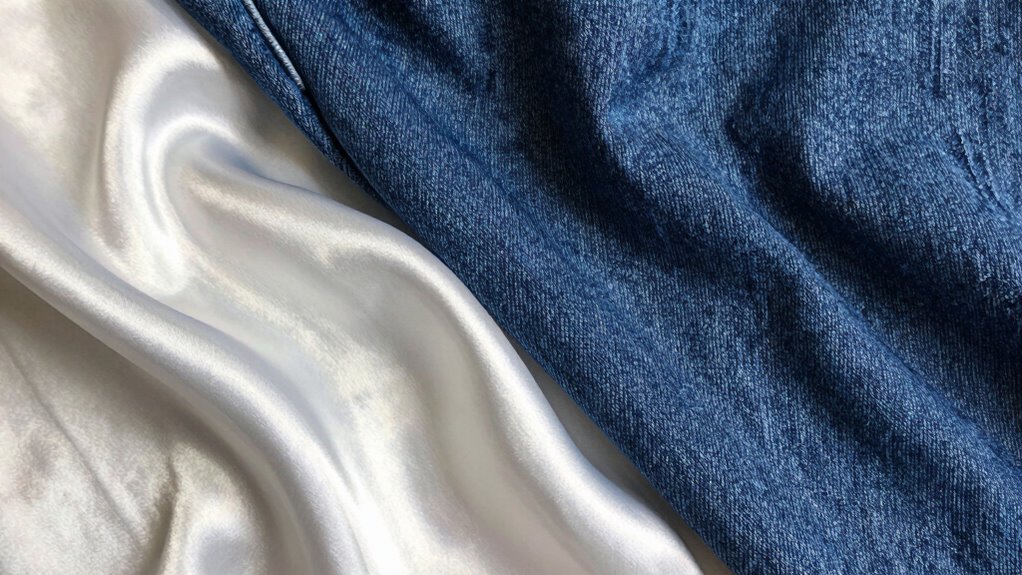
Sure, some fabrics are naturally suited for lightweight or heavy weights, like silk for airy, drapey designs, and denim for sturdy, stiff garments. You’ll love the fabric stiffness and drape characteristics that come with these choices. Lightweight fabrics often feel delicate and flowy, while heavy ones provide structure and durability. So, if you crave a breezy blouse or a rugged pair of jeans, pick your fabric wisely—you’ll thank yourself later.
Conclusion
Remember, the weight of the fabric truly shapes how your clothes move and feel. Lighter fabrics offer breathability and flutter, perfect for a breezy day, while heavier ones provide structure and warmth. As the saying goes, “You are what you wear,” so selecting the right fabric weight guarantees your clothes not only look good but feel just right. Pay attention to weight, and you’ll always wear your comfort with confidence.
Fall Picks
fall essentials
As an affiliate, we earn on qualifying purchases.