
Regulation guarantees your timekeeping devices remain accurate and trustworthy, from COSC-certified Swiss watches to atomic clocks that set global standards. COSC certification involves rigorous testing to guarantee precision, while newer technologies push the boundaries further. These standards help you rely on accurate timing in critical fields like healthcare and finance. If you want to understand how regulations continue to evolve beyond COSC, there’s more to discover about advancements that keep world clocks synchronized and trustworthy.
Key Takeaways
- COSC certification ensures watches meet strict accuracy standards through rigorous testing in various positions and temperatures.
- Regulatory frameworks evolve to incorporate advanced technologies like atomic clocks, maintaining high precision globally.
- Industry standards promote accountability and reliability, safeguarding against inaccuracies that could impact safety and performance.
- Beyond COSC, additional certifications and standards refine and elevate precision benchmarks for high-accuracy timekeeping devices.
- Regulations facilitate global synchronization of time, fostering trust and consistency across industries and consumers.
Regulation plays a essential role in ensuring the accuracy of information and systems, especially in fields like healthcare, finance, and technology. When it comes to timekeeping, this importance becomes even more evident. Chronometer standards set the benchmark for precision, making sure that watches and timing devices deliver reliable results. These standards aren’t just arbitrary rules; they’re the result of rigorous precision testing designed to eliminate errors and guarantee consistency. If you’re shopping for a high-accuracy watch, understanding these standards helps you recognize quality and trustworthiness. The COSC (Contrôle Officiel Suisse des Chronomètres) certification is a perfect example of regulation at work. Watches that earn the COSC label undergo extensive testing over several days, in different positions and temperatures, ensuring they meet strict criteria for precision. This process isn’t only about meeting a number on a chart; it’s about establishing a standard that guarantees your watch will keep time reliably. When you see a chronometer certified by COSC, you know it’s passed some of the toughest precision testing in the industry. But regulation in timekeeping isn’t limited to COSC alone. Many countries and organizations have their own standards, all aimed at maintaining accuracy. These standards ensure that devices, whether for everyday use or scientific research, operate within specified tolerances. This level of oversight is essential in fields like healthcare, where timing precision can impact patient care, or in finance, where milliseconds matter in trading. Beyond COSC, newer standards and technological advancements continue to push the boundaries of accuracy. For instance, atomic clocks set the global standard for precision, influencing how chronometer standards evolve. The regulatory framework adapts with these innovations, ensuring that industries maintain high levels of accuracy and reliability. You benefit from these regulations every time you rely on a certified chronometer, knowing it has passed rigorous precision testing. They serve as a safeguard against inaccuracies that could lead to costly mistakes or safety issues. Additionally, world clock technology plays a vital role in coordinating global time standards, helping industries synchronize activities across time zones. Ultimately, regulation and standards are about accountability—they ensure manufacturers uphold quality, and that consumers can trust the tools they depend on. In the end, whether you’re tracking time for scientific experiments, navigation, or daily scheduling, understanding these standards helps you appreciate the effort behind precision and the importance of regulation in maintaining it. The ongoing development of chronometer standards and precision testing continues to shape a future where accuracy is not just expected but guaranteed, providing you with confidence in the devices and systems you rely on daily.

Tissot Ballade Powermatic 80 COSC 39mm, Swiss Automatic Watch for Men, Stainless Steel Case, Silver Dial, T1564081103300
COSC Certified Chronometer
As an affiliate, we earn on qualifying purchases.
As an affiliate, we earn on qualifying purchases.
Frequently Asked Questions
How Do COSC Standards Compare to Other Watch Certifications?
You’ll find that COSC standards focus mainly on precision, certifying Swiss chronometers with strict accuracy requirements. While this highlights mechanical complexity, other certifications like Rolex’s Superlative Chronometer go further, testing for durability and overall performance. For luxury branding, these distinctions matter, as they demonstrate a watch’s precision and craftsmanship. Ultimately, COSC is a solid benchmark, but some brands push beyond to showcase superior regulation, enhancing their reputation for quality and excellence.
Can a Watch Be Accurate Without COSC Certification?
Yes, a watch can be accurate without COSC certification. Mechanical precision depends on the quality of craftsmanship, regulation, and maintenance, not just certification. While COSC certification signifies rigorous testing, it doesn’t guarantee perfect accuracy. Certification’s significance lies in its assurance of standards, but many high-quality watches achieve precision through expert regulation and assembly. So, a non-COSC watch can still deliver excellent accuracy if well-made and properly maintained.
What Are the Costs Associated With COSC Certification?
The costs associated with COSC certification include certification costs, which typically range from $300 to $600 per movement, depending on the watchmaker and complexity. You should also consider maintenance expenses, as maintaining COSC standards can add to long-term costs due to regular adjustments and servicing. These expenses guarantee your watch stays accurate and certified, providing reassurance of precision and quality.
How Often Should a Chronometer Be Recalibrated?
Think of your chronometer as a finely tuned instrument that needs regular attention. You should recalibrate your watch every 1 to 2 years to maintain peak timing precision. Frequent watch calibration guarantees your timepiece stays accurate, especially if you wear it daily or subject it to extreme conditions. Staying proactive with calibration keeps your watch running smoothly, turning back the hands of time with confidence and precision.
Are There Non-Cosc Certifications That Ensure Watch Accuracy?
Yes, there are non-COSC certifications that guarantee watch accuracy. Luxury watch brands often seek independent watchmakers’ certifications like the Geneva Seal or the Master Chronometer certification from METAS, which verify high standards of precision. These certifications go beyond COSC, emphasizing not only accuracy but also craftsmanship and durability. As a watch enthusiast, you’ll find that these marks of quality assure you’re getting a highly reliable timepiece from renowned brands or skilled independent watchmakers.

WallarGe Atomic Clock with Outdoor and Indoor Temperature – 12.5 Inch Self-Setting Digital Clock Large Display, Battery Operated Wall Clocks or Desk Clocks for Bedroom, Livingroom, Office
Atomic Wall Clock – Never Need Setting. Atomic clock has a built-in receiver that automatically synchronizes itself with…
As an affiliate, we earn on qualifying purchases.
As an affiliate, we earn on qualifying purchases.
Conclusion
As you navigate the world of regulation and accuracy, remember that nearly 70% of data breaches happen due to oversight, highlighting the need for stronger oversight. When regulations like Cosc are in place, they help prevent costly errors and protect both organizations and individuals. Staying vigilant and adhering to these standards isn’t just about compliance — it’s about safeguarding your future in a digital landscape where accuracy truly makes all the difference.
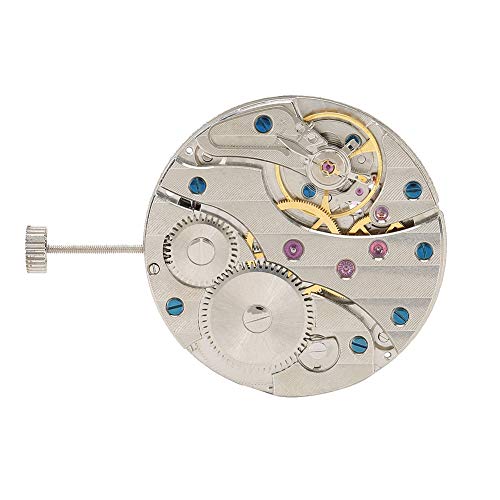
Watch Movement Automatic Mechanical Watch Movement Replacement Part 6497,High Accuracy Parts Watch Wrist,Watch Accessories (Gooseneck 6497)
REPLACEMENT PART: Wonderful replacement for the old or broken mechanical watch movement.Can be used as a spare parts…
As an affiliate, we earn on qualifying purchases.
As an affiliate, we earn on qualifying purchases.
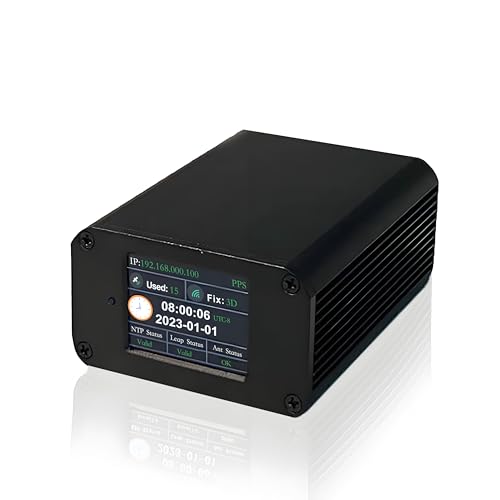
GPS-Synced NTP Server – High-Precision Network Time Protocol Device for Enterprise Data Centers – Reliable Global Satellite Time Synchronization Solutio(32ft Portable Antenna)
1. GPS Satellite Time Synchronization: This NTP server receives global time signals from GPS satellites, ensuring nanosecond-level time…
As an affiliate, we earn on qualifying purchases.
As an affiliate, we earn on qualifying purchases.

Born in Dubai to Pakistani parents, Aisha deeply understands Middle Eastern and South Asian luxury markets. She excels in forging strategic partnerships with top-tier luxury brands worldwide, fostering cross-cultural collaborations that enhance our global presence.