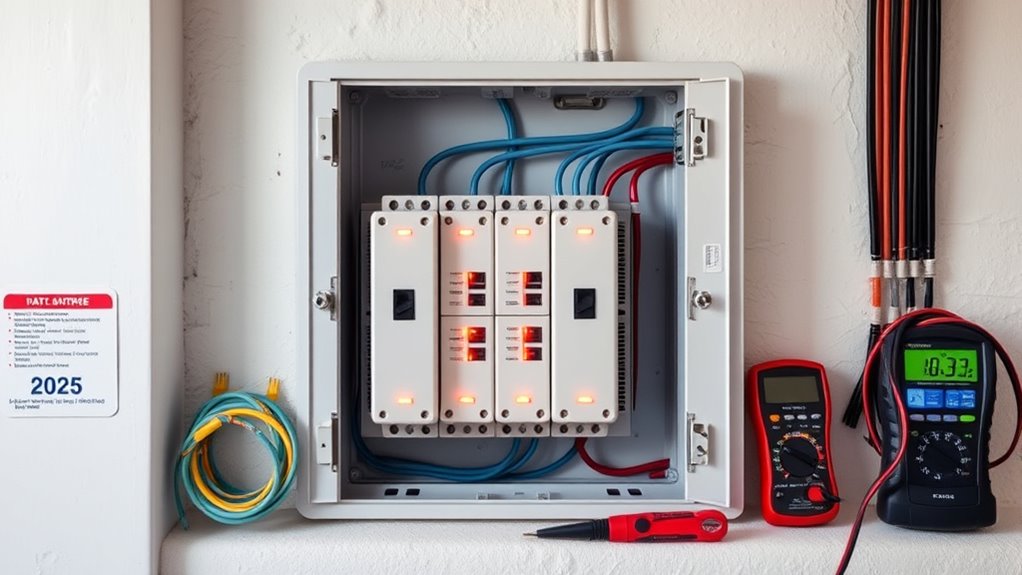

For most homes, I’d start with the Square D HEPD80: its 80 kA rating makes it a strong middle ground between the 36 kA models and higher-capacity premium options. The Siemens Boltshield FSPD140 is the high-capacity pick, while the Eaton CHSPT2SURGE stands out for its Type 2 design and NEMA 4 enclosure. The right choice depends on your panel, the device’s Type 1 or Type 2 installation point, and how much surge capacity you want. A larger amp rating alone does not confirm compatibility or guarantee better protection for every home. Read on for the full comparison, selection criteria, and buying advice.

Get your wardrobe favorites delivered free with Prime
- Fast, free delivery on millions of items
- Prime Video, Amazon Music and more included
- Member-only deals all year
Key Takeaways
Square D HEPD80 is my overall pick because its 80 kA rating sits between the 36 kA options and the 108 kA or 140 kA models, giving many homeowners a useful balance of capacity and scope.
Siemens Boltshield FSPD140 leads on listed surge capacity at 140,000 amps, but that specification alone does not establish that it suits every service panel or installation.
Several models share a 36 kA rating, including the Furniqro FHSPD36S, Leviton R2120-B, and Siemens FSPD036; brand, device type, and panel fit help distinguish them.
Type and installation point matter as much as capacity: the Gloyatin and Leviton are Type 1 models, while the Siemens FSPD models and Eaton CHSPT2SURGE are identified as Type 2.
Specifications are incomplete for some listings. The Eaton single-phase device and Square D Homeline HOM2175SB need model-specific panel and protection details checked before a buyer can compare their capacity directly with the rated models.



| whole house surge protector | Voltage |
|---|---|
| Furniqro FHSPD36S Whole-House | 240 V |
| Square D HEPD80 Whole-Home Sur | 120/240 V |
| Gloyatin HSPD-25 Whole-Home Su | 120/240 VAC |
| Furniqro FHSPD108S Whole-Home | 120/240 V |
| Eaton Surge Protection Device | 120/240 V |
| Siemens Boltshield FSPD140 Lev | 120/240V |
| Leviton R2120-B Type 1 Surge P | 120/240 VAC |
| Siemens Boltshield FSPD036 Lev | 120/240V |
| Square D Homeline HOM2175SB Su | — |
| EVOSPD2SURGE Whole House Surge | 120/240V |
| Eaton CHSPT2SURGE SPD Type 2 W | — |
More Details on Our Top Picks
Furniqro FHSPD36S Whole-House Surge Protector, 36,000 A, 120/240 V
The FHSPD36S is a straightforward fit for homeowners who want a compact device connected to a 120/240 V home electrical system. Its stated 36,000 A capacity and compatibility with load centers and breakers from any brand make it easier to match with varied panel setups. Compared with the Furniqro FHSPD108S, it has a lower stated capacity, so it suits buyers prioritizing a smaller, simpler installation over the highest figure in this group. Indoor or outdoor mounting adds placement flexibility, and LED indicators provide a quick status check. The tradeoff is limited reassurance in the supplied product data: it lists no warranty, and grounding or installation mistakes can undermine protection. This pick makes most sense when panel compatibility and compact size matter more than a documented warranty.
Pros:- Compatible with load centers and circuit breakers from any brand
- Compact wall-mount design
- Rated for indoor or outdoor installation
- LED indicators show device status
Cons:- No warranty is listed in the supplied product data
- Grounding or installation errors may compromise protection
Best for: Homeowners with a compatible 120/240 V panel who want a compact, brand-flexible device and can arrange correct installation
Not ideal for: Buyers who want a stated warranty or prefer a higher listed surge capacity, such as the Furniqro FHSPD108S
- Model:FHSPD36S
- Voltage:240 V
- Compatible system:120/240 V, 60 Hz
- Surge capacity:36,000 A
- Mounting type:Wall mount
- Circuit breaker type:Standard
- Installation:Indoor or outdoor
- Unit count:1
Our verdict“Choose the FHSPD36S for a compact, brand-flexible home installation when its stated capacity and lack of a listed warranty fit your needs.”
Square D HEPD80 Whole-Home Surge Protection Device, 1-Phase, 3-Wire, 120/240V, 80kA
The Square D HEPD80 stands out for homeowners who want a panel-connected layer of protection for appliances that plug-in strips cannot cover, including HVAC equipment and refrigerators. Its 80 kA rating is higher than the Furniqro FHSPD36S’s stated 36,000 A, giving it a stronger listed capacity among these two options. A status LED signals when replacement is needed, which gives the owner a practical cue to check the device after a surge. Its compact form is suited to a residential load center. The main limitation is that it still requires load-center installation, and the supplied data describes six outlets and ports even though this is a panel device; buyers should verify the exact configuration before purchase. It also supplements, rather than replaces, plug-in protection for sensitive electronics.
Pros:- Stated 80 kA maximum current
- LED indicator signals when replacement is needed
- Designed to supplement plug-in strips by covering connected home appliances
- Compact design for residential load centers
Cons:- Requires installation in a residential load center
- Does not replace plug-in surge strips for devices that need their own protection
- Supplied data lists six outlets and ports, so buyers should confirm the actual configuration
Best for: Homeowners seeking panel-level protection for major appliances such as HVAC systems and refrigerators, with a replacement status indicator
Not ideal for: Renters or homeowners unable to arrange load-center installation, and buyers expecting this device alone to protect every plug-in electronic
- Voltage:120/240 V
- Phase:1-phase
- Wire configuration:3-wire
- Maximum current:80 kA
- Number of outlets:6
- Number of ports:6
- Recommended use:Indoor
- Enclosure material:Polycarbonate, rubber
Our verdict“Pick the HEPD80 if you want an 80 kA panel-connected layer for home appliances and can also provide plug-in protection where needed.”
Gloyatin HSPD-25 Whole-Home Surge Protector, Type 1 SPD, 120/240 VAC
The Gloyatin HSPD-25 is the option here for buyers who value flexible placement and a stated Type 1 SPD designation. It supports 120/240 VAC and is described for indoor or outdoor installation, while its two-pole design distinguishes it from the one-pole Furniqro FHSPD36S. Gloyatin also lists surge capacity as up to 25/50/80 kA, a broad range that gives less clarity than the Square D HEPD80’s single 80 kA figure. Its casing is described as durable and it claims compatibility with circuit breakers from any brand, which may help with varied home panels. The tradeoff is that the available information gives little detail on status monitoring or warranty, and installation in the home’s electrical system is required. I would favor it when placement flexibility matters more than a clearly specified single capacity.
Pros:- Stated Type 1 SPD designation
- Indoor or outdoor installation
- Two-pole configuration
- Claims compatibility with circuit breakers from any brand
Cons:- Surge capacity is given as a range rather than one clear rating
- Requires installation in the home’s electrical system
- Supplied product data does not specify a status indicator or warranty
Best for: Homeowners who need an indoor or outdoor wall-mount option and want a stated Type 1 SPD with two-pole design
Not ideal for: Buyers who want one clearly stated surge-capacity figure, detailed status-indicator information, or a plug-in device
- Model:HSPD-25
- Type:Type 1 SPD
- Voltage:120/240 VAC
- Surge capacity:Up to 25/50/80 kA
- Number of poles:2
- Circuit breaker type:Standard
- Mounting type:Wall mount
- Installation:Indoor or outdoor
Our verdict“Choose the HSPD-25 when Type 1 designation and flexible indoor or outdoor placement matter more than a single clear capacity rating.”
Furniqro FHSPD108S Whole-Home Surge Protector, 108,000 A, 120/240 V
For a homeowner who prioritizes the highest stated capacity among these five, the FHSPD108S leads with 108,000 A. That figure sets it apart from the Furniqro FHSPD36S and the Square D HEPD80, though capacity alone does not establish how well a device fits a particular home’s panel or installation. Its 120/240 V, 60 Hz support and compatibility with any brand of load center or breaker make it broadly aimed at residential systems. Indoor or outdoor installation and LED status indicators add practical flexibility and a way to check status. The tradeoff is that product information specifically flags grounding and improper use as possible installation problems, and recommends an electrician familiar with surge protection. This is a stronger fit for owners seeking a high listed capacity who are prepared to get the installation right.
Pros:- Highest stated capacity among these five products at 108 kA
- Compatible with load centers and breakers from any brand
- Suitable for indoor or outdoor installation
- LED indicators show protection status
Cons:- Grounding problems or improper use can affect installation and protection
- Product information recommends an electrician familiar with surge-protector installation
Best for: Homeowners seeking the highest stated surge capacity in this five-product group and planning professional installation
Not ideal for: DIY buyers without surge-protector installation experience or homeowners who do not need the highest listed capacity
- Model:FHSPD108S
- Maximum current:108,000 A (108 kA)
- Voltage:120/240 V
- Frequency:60 Hz
- Number of outlets:1
- Number of ports:1
- Installation:Indoor or outdoor
- Weight:0.46 kg
Our verdict“Choose the FHSPD108S for a home where the highest stated capacity in this group is the priority and professional installation is planned.”
Eaton Surge Protection Device, 1 Phase, 120/240V, 2 Poles, 2 Wires
The Eaton CHSPT2ULTRA has a clear appeal for buyers who need a 120/240 V surge device designed to fit load centers from different manufacturers. Its two-pole, two-wire configuration gives useful basic compatibility details, while the description also cites residential and commercial use. Compared with the Square D HEPD80, though, the Eaton listing provides no capacity figure or status indicator, so it is harder to compare its surge performance or know when service may be needed. The supplied information calls installation easy, but this is still a device for a load center, not a plug-in alternative. With few technical details beyond voltage, poles, and wires, this pick makes most sense for someone matching an existing panel setup or product specification rather than choosing by capacity.
Pros:- Designed for load centers from any manufacturer
- Specified for 120/240 V systems
- Two-pole, two-wire configuration is stated
- Description cites residential and commercial use
Cons:- No surge capacity figure is provided in the supplied data
- No status indicator is listed
- Limited technical detail makes performance comparisons difficult
Best for: Homeowners or property managers matching a two-pole, two-wire 120/240 V device to a compatible load center
Not ideal for: Buyers comparing options by surge capacity, status monitoring, or detailed installation specifications
- Model number:CHSPT2ULTRA
- Voltage:120/240 V
- Phase:1 phase
- Poles:2
- Wires:2
- Compatible load centers:Any manufacturer’s load center
- Stated use:Residential or commercial
Our verdict“Choose the Eaton CHSPT2ULTRA when its two-pole, two-wire configuration matches your panel and you can verify the performance details you need.”
Siemens Boltshield FSPD140 Level 2 Whole House Surge Protection Device 140,000 Amps, 120/240V
For a homeowner prioritizing a high stated surge-current rating, the Siemens Boltshield FSPD140 leads this group at 140,000 amps. Its outdoor-rated enclosure gives installers more placement flexibility, while visual and audible replacement alerts make it easier to notice when protection needs attention. Compared with the Siemens Boltshield FSPD036, it offers a substantially higher stated capacity and adds audible alerts; that makes it the stronger fit for buyers who value those features over a simpler status light. The tradeoff is that this is a Level 2 device requiring installation beside electrical gear, so it is not a plug-in upgrade for most homeowners. The supplied data also does not identify specific panel compatibility, so buyers should confirm fit with an electrician before choosing it.
Pros:- 140,000-amp stated surge-current rating
- Visual and audible replacement alerts
- Outdoor-rated enclosure allows varied installation locations
- Thermal protection for MOVs
Cons:- Requires installation beside electrical gear
- May be complex for DIY installation
- Specific electrical-system compatibility is not provided
Best for: Homeowners seeking a high stated surge-current capacity and replacement alerts, with an electrician available for installation
Not ideal for: DIY buyers seeking a plug-on device or anyone who cannot confirm compatibility with their electrical system
- Voltage:120/240V
- Protection type:Level 2
- Surge current:140,000 amps
- Enclosure:Outdoor-rated
- Status alerts:Visual and audible replacement alerts
- MOV protection:Thermal protection
Our verdict“Choose the FSPD140 if your home needs a high stated surge-current rating and you can have an electrician confirm compatibility and install it.”
Leviton R2120-B Type 1 Surge Protective Panel, 120/240 VAC, 36 kA per Phase
The Leviton R2120-B is the lineup’s clearly specified Type 1 option, with a UL 1449 listing, thermally protected MOVs, and LED status monitoring. Its stated 36 kA per phase is below the Siemens Boltshield FSPD140’s 140,000-amp figure, so buyers focused on the largest stated capacity may prefer the Siemens. Leviton instead gives more detail about electrical performance, including VPR values and nominal discharge current, which helps a buyer or electrician compare the device against a system’s requirements. The NEMA 4X enclosure adds installation flexibility. Its supplied description limits the intended use to residential applications, and the data does not explain the installation arrangement, so this is a better fit for buyers who can verify placement and system compatibility before purchase.
Pros:- Type 1 surge protective device
- UL 1449 listing
- NEMA 4X enclosure
- LED status monitoring and thermally protected MOVs
Cons:- 36 kA per phase is below the stated capacity of the Siemens Boltshield FSPD140
- Designed for residential applications
- Installation arrangement and panel compatibility are not specified
Best for: Homeowners and electricians seeking a Type 1 residential SPD with a UL 1449 listing and specified performance figures
Not ideal for: Light-commercial buyers or homeowners who prioritize a higher stated surge-current rating over Type 1 classification and detailed specs
- Model:R2120-B
- Device type:Type 1 surge protective device
- Voltage:120/240 VAC
- Phase:Split phase
- Maximum surge current:18 kA per mode / 36 kA per phase
- Nominal discharge current:10 kA
- VPR performance:L-N: 700; L-L: 1200
- Enclosure:NEMA 4X
- Listing:UL 1449
Our verdict“Pick the Leviton if you want a Type 1 residential device with listed performance details and can verify its fit for your installation.”
Siemens Boltshield FSPD036 Level 2 Whole House Surge Protection Device 36,000 Amps, 120/240V
The Siemens Boltshield FSPD036 covers a home’s 120/240V system and uses LED indicators to show protection status. Its 36,000-amp stated rating places it below the FSPD140, making this the simpler choice for homeowners who do not need the higher figure or audible alerts. The weather-resistant enclosure supports indoor or outdoor placement near load centers, but installation still requires external mounting beside electrical gear. That makes it less convenient than the plug-on Square D Homeline HOM2175SB, which only fits compatible Homeline load centers and is described as not protecting electronic devices. The FSPD036 is a whole-house Level 2 option, though the supplied data says little about service life or maintenance beyond its LED indicators.
Pros:- 36,000-amp stated surge-current rating
- LED protection-status indicators
- Weather-resistant enclosure supports indoor or outdoor installation
- Designed for 120/240V whole-house protection
Cons:- Requires external mounting beside electrical gear
- Installation may require professional assistance
- Supplied information does not detail lifespan or maintenance
Best for: Homeowners seeking a Level 2 whole-house protector with a visible status indicator and indoor or outdoor mounting options
Not ideal for: Buyers who want plug-on installation, a higher stated surge rating, or detailed maintenance information
- Voltage:120/240V
- Protection type:Level 2
- Surge current:36,000 amps
- Installation location:Indoor or outdoor, next to load centers
- Status indicator:LED
- Enclosure:Weather-resistant
Our verdict“Choose the FSPD036 for visible status checks and flexible mounting if its 36,000-amp rating suits your home and you can arrange installation.”
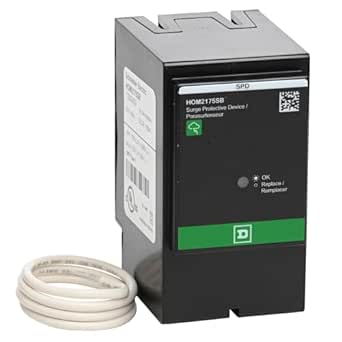
Square D Homeline HOM2175SB SurgeBreaker Surge Protection Device
If your home already has a compatible Square D Homeline load center, this plug-on SurgeBreaker can fit directly into the panel and uses two pole positions. That is a more integrated installation than the externally mounted Siemens Boltshield models, but its compatibility is narrower: it is specified for 120/240V single-phase, three-wire Homeline systems. Its LED shows operational status, while the supplied description says it protects electrical service and major appliances excluding electronic devices. That limitation makes it a less complete choice for homes where protecting sensitive electronics is a priority. The product data also gives conflicting surge-rating information, so buyers should confirm the rating and intended protection with an electrician before treating it as a whole-house solution.
Pros:- Plug-on installation for compatible Homeline load centers
- LED operational-status indicator
- Designed for 120/240V single-phase, three-wire systems
- UL Listed and UL 1449 3rd Edition Listed
Cons:- Does not protect electronic devices according to the supplied description
- Requires two pole positions in the load center
- Surge-rating information differs between the title and product description
Best for: Homeowners with a compatible Homeline load center seeking a plug-on device for electrical service and major appliances
Not ideal for: Homeowners with other panel brands or anyone seeking protection for electronic devices
- Model:HOM2175SB
- System:120/240V, single-phase, 3-wire
- Installation:Plug-on; requires 2 pole positions
- Maximum current:10 kA
- SCCR:22.5 kA
- Status indicator:LED operational status
- Certification:UL Listed; UL 1449 3rd Edition Listed
- Dimensions:2.58 × 2 × 3.13 inches
Our verdict“Choose the HOM2175SB only if you have a compatible Homeline panel and its stated appliance-focused protection meets your needs.”
EVOSPD2SURGE Whole House Surge Protector for 72,000 Amps/Phase, 1880 Joules, 120/240V
The EVOSPD2SURGE pairs a stated 72,000 amps per phase with 1,880 joules of energy absorption, thermally protected MOVs, and a green status LED. The description says it works with major electrical panels, making it a more flexible candidate for homeowners whose panel brand rules out the Square D Homeline HOM2175SB. Its capacity claim also sits between the Siemens Boltshield FSPD036 and FSPD140 figures, giving buyers another point of comparison. However, the supplied data does not identify a specific listing or installation method, so the broad compatibility claim needs confirmation before purchase. The green LED offers a quick visual check, but there is no remote monitoring. This is best for residential buyers who value stated capacity and panel flexibility and can verify the technical fit.
Pros:- 72,000-amp-per-phase stated surge-current rating
- 1,880 joules of energy absorption
- Thermally protected MOV components
- Green LED protection-status indicator
Cons:- No remote monitoring feature is specified
- Specific panel compatibility is not listed
- Installation method and listing details are not provided
Best for: Homeowners with a major-brand electrical panel who want a Type 2 device and will confirm compatibility before installation
Not ideal for: Buyers who need remote monitoring, verified panel-specific compatibility, or a clearly documented listing
- Voltage:120/240V
- Protection type:Type 2 surge protective device
- Surge current:72,000 amps per phase
- Energy absorption:1,880 joules
- MOV protection:Thermally protected
- Status indicator:Green LED
- Compatibility:Description states compatibility with major electrical panels
Our verdict“Consider the EVOSPD2SURGE if you want a Type 2 device with a stated 72,000-amp-per-phase rating and can verify panel compatibility and installation details.”
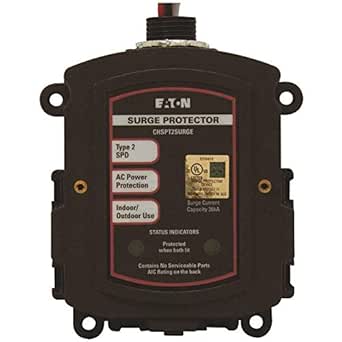
Eaton CHSPT2SURGE SPD Type 2 Whole Home Surge Protector, NEMA 4, Single Phase, 120/240 V, UL 1449 3rd Edition
The Eaton CHSPT2SURGE is a practical home pick when the surge protector needs to sit near an outdoor load center. Its NEMA 4 enclosure is suited to weather exposure, while the quick-connect mounting helps simplify placement. The listed 36 kA per-phase capacity gives buyers a concrete protection figure to compare, though it is below the Square D HEPD80’s listed 80 kA and the Siemens Boltshield FSPD140’s 140,000-amp rating. That makes the Eaton a more focused choice than a highest-capacity option. It is a Type 2 device for single-phase 120/240 V systems, and installation requires a dedicated breaker and code-compliant work. Buyers who want an outdoor-ready enclosure should weigh that fit against electrician costs and the higher listed capacities elsewhere.
Pros:- NEMA 4 enclosure is suited to outdoor installation
- 36 kA per-phase surge capacity is clearly specified
- Quick-connect mounting simplifies load-center placement
- Designed for single-phase 120/240 V systems
Cons:- Requires a dedicated circuit breaker and code-compliant installation
- Its listed surge capacity is lower than the Square D HEPD80 and Siemens Boltshield FSPD140
- Type 2 installation may require an electrician
Best for: Homeowners with an outdoor 120/240 V load center who want a weather-rated Type 2 surge protector and plan to use a qualified installer.
Not ideal for: Buyers seeking the highest listed surge capacity in this lineup, or those who need a plug-in device without breaker-panel installation.
- Protection type:Type 2 SPD
- System:Single phase, 120/240 V
- Enclosure:NEMA 4
- Per-phase surge capacity:36 kA (18 kA each L-N and L-G)
- Surge current capacity:22 kA
- Nominal discharge current:5 kA
- Maximum continuous operating voltage:150 V L-N, 300 V L-L
- Frequency:60 Hz
- Mounting:Wall mount; quick-connect load-center mounting
Our verdict“Choose the Eaton CHSPT2SURGE for a home with an outdoor load center where its weather-rated enclosure matters more than having the lineup’s highest listed surge capacity.”

How We Picked
I compared the 11 listed devices by the details supplied: stated surge capacity, Type 1 or Type 2 classification where provided, voltage and phase, enclosure information, and any named panel family. These details affect whether a device can fit a home’s electrical system and where it can be installed. I treated missing specifications as a limitation rather than filling gaps with assumptions, and I did not treat a higher amp figure as proof of broader protection by itself.
The ranking favors options with clearer, useful specifications and a plausible role for a home installation. The Square D HEPD80 leads as a capacity middle ground; Siemens FSPD140 is the high-capacity choice; and Eaton CHSPT2SURGE earns a place for its Type 2 designation and NEMA 4 enclosure. Lower-rated or less fully specified models rank behind these picks, though a lower position does not rule out a fit for a particular panel or installation plan.
Factors to Consider When Choosing Whole House Surge Protectors
Before choosing a whole-house surge protector, I’d match the device to the electrical service and installation plan first, then compare ratings. These broader checks can prevent a common mistake: buying a seemingly powerful unit that an electrician cannot install in the intended location or panel.
Match Type 1 or Type 2 to the installation
Type 1 and Type 2 refer to where a surge protective device is intended to connect in the electrical system. That distinction can affect installation requirements, so I would check the product documentation and have an electrician confirm the intended location before buying. A Type 1 label does not automatically make a device a better choice than Type 2; the service layout determines what is appropriate. In this lineup, Gloyatin HSPD-25 and Leviton R2120-B are identified as Type 1, while the Siemens Boltshield models and Eaton CHSPT2SURGE are Type 2. Some product names omit a type, so I would verify the full datasheet instead of inferring it from the brand. If a contractor has specified a connection point, use that as the starting point for selection.
Confirm panel, voltage, and phase compatibility
Check the device documentation against the home’s service voltage, phase, wiring, and breaker or panel requirements. A 120/240 V label appears on many of these products, but that alone does not confirm physical or electrical compatibility with a particular panel. Named panel families can be especially relevant: the Square D Homeline HOM2175SB is specifically identified with the Homeline line. Some listings provide little detail beyond single-phase service, which leaves more work for the buyer and installer. I would bring the model number and panel information to an electrician before purchasing. This check matters even when the device’s rating looks suitable on paper.
Interpret surge ratings without treating them as a guarantee
Amperage ratings help compare stated surge-handling capacity, but they do not capture every part of a device’s performance or installation. The listed models range from 36 kA to 140 kA, with the Square D HEPD80 at 80 kA and the Furniqro FHSPD108S at 108 kA. A larger number may appeal to buyers seeking more stated capacity, but it does not prove a unit will protect every appliance or outperform another unit under all conditions. Check the full technical sheet for clamping voltage, modes of protection, and other specifications when available. Avoid comparing figures labeled per phase with figures that may use a different convention unless the documentation clarifies the basis. Ask an electrician to interpret ratings for the specific service.
Decide whether a panel device is enough
A whole-house unit is installed at the service or panel, but sensitive electronics may also benefit from point-of-use protection. Those devices can address the final connection to equipment, while the panel unit handles surges at the service entrance or distribution point. The right combination depends on the home’s wiring, equipment, and local electrical conditions. I would prioritize correct installation and compatibility before adding multiple devices based on assumptions. If a home has expensive electronics or equipment with manufacturer-specific requirements, check those requirements as part of the plan. A surge protector should not be treated as a substitute for backup power or protection from every electrical fault.
Check enclosure, status monitoring, and replacement details
The enclosure can affect where a device may be installed and how well it suits the environment. Eaton’s CHSPT2SURGE listing names a NEMA 4 enclosure, a detail that can matter for installation conditions, but the installer should confirm the location and applicable requirements. Before choosing any model, look for status indicators, alarm behavior, warranty terms, and instructions for replacing the unit after it reaches end of life. These details are not provided consistently in the product names here, so check the manufacturer documentation. A visible status indicator can make it easier to spot when a device needs attention. Ask who will inspect it and what the indicator means during installation.
Frequently Asked Questions
Should I choose the highest amp rating for my home?
Not automatically. The Siemens FSPD140 lists the highest capacity in this roundup, but a higher number does not establish compatibility with your panel or make every installation more protective. Compare devices using their full technical documentation, including the rating basis and other protection specifications. Then confirm that the model and installation location suit your service. If the details are unclear, have an electrician compare the specific datasheets.
How do I know whether I need a Type 1 or Type 2 model?
The choice depends on the electrical system and the intended connection point, so I would not select by type label alone. Type 1 and Type 2 devices have different installation contexts, and the service layout affects which model is appropriate. The products in this roundup include examples of both types, but a product listing cannot determine what your home requires. Ask an electrician to review your panel and service configuration. Confirm the installation instructions before ordering.
Can I install one of these surge protectors myself?
These devices connect to residential electrical equipment, so installation involves working with a panel or service connection. Whether a homeowner may legally perform that work depends on local rules, and safe installation depends on the product instructions and the electrical system. I would check the manufacturer’s requirements and local regulations before treating a unit as a DIY project. A licensed electrician can also verify breaker fit, wiring, and installation location. A correctly rated device installed incorrectly may not provide the intended protection.
Is a whole-house protector enough to protect computers and televisions?
A panel-mounted surge protector adds protection at the home’s electrical distribution point, but it does not guarantee that every connected device is protected against every event. For sensitive equipment, I would check the device manufacturers’ guidance and consider suitable point-of-use protection as part of a layered plan. Keep in mind that surge protection does not provide battery backup during an outage. Equipment connected through data, coaxial, or other lines may have separate protection needs. Ask an electrician how those connections fit into the home’s protection plan.
What should I check when the product listing leaves out key specifications?
Look up the exact model number in the manufacturer’s current technical sheet and installation instructions. Confirm voltage, phase, device type, surge rating basis, panel or breaker compatibility, and any required enclosure or wiring details. The Eaton single-phase device and Square D Homeline HOM2175SB are harder to compare from the supplied names alone, so I would avoid guessing at missing ratings. If the documentation still leaves a gap, ask the manufacturer or installer before purchase. A clear fit is more useful than a ranking based on incomplete product data.
Conclusion
For most homeowners, I recommend the Square D HEPD80 as the best overall because its 80 kA rating offers a middle ground among the listed options, subject to panel compatibility. For a high-capacity preference, the Siemens Boltshield FSPD140 is my premium pick, while the Furniqro FHSPD36S is a value-oriented option for buyers whose installer confirms that its 36 kA rating and specifications fit their needs. Beginners should start with the Eaton CHSPT2SURGE only after an electrician confirms its Type 2 installation and panel fit; its NEMA 4 enclosure is a useful listed detail. For a Type 1 installation, compare the Gloyatin HSPD-25 and Leviton R2120-B against the service requirements and full datasheets. The right choice is the one that matches the home’s panel, service, and installation plan—not simply the largest number on the label.
Halloween Picks

MGparty 14.5 ft Halloween Inflatable Walk-In Pumpkin House with LED Lights

Halloween Inflatable Haunted House Maze – 20×20 ft with Removable Roof and Blower

27FT Giant Inflatable Pumpkin Lighted Outdoor Halloween Decor
As an affiliate, we earn on qualifying purchases.