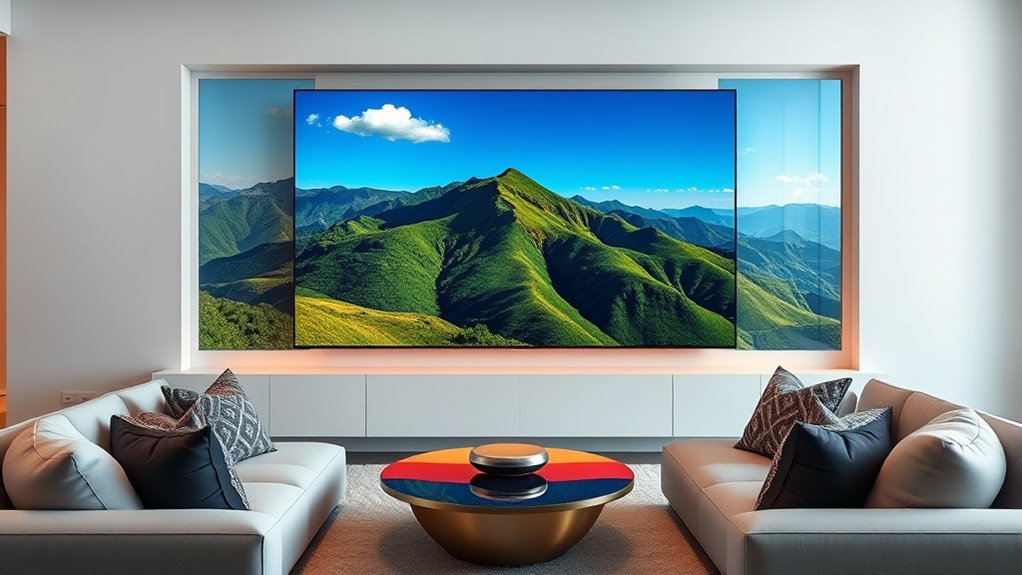
Among the most expensive OLED TVs on Amazon, my best overall pick is the LG 83-Inch OLED evo C6 for its large screen and current-generation features. The Samsung 83-Inch S95F stands out for buyers who want a glare-reducing screen, while the Sony BRAVIA 8 II offers a smaller QD-OLED alternative for a more compact room. The main tradeoffs are screen size versus picture refinements, premium features versus simpler models, and the uncertainty that can come with renewed or older-generation listings. A higher asking price does not automatically make a TV the right fit for your room or viewing habits. Read on for my comparison of all 12 options and guidance on choosing among them.

Get your wardrobe favorites delivered free with Prime
- Fast, free delivery on millions of items
- Prime Video, Amazon Music and more included
- Member-only deals all year
Key Takeaways
- LG’s 83-inch C6 is my best overall pick because it pairs a very large OLED screen with a current-generation feature set, while the B5 and S85F are simpler alternatives for buyers who care more about screen size than premium positioning.
- Samsung’s S95F is the glare-conscious choice in this lineup; buyers who watch in a bright room should compare its screen treatment with their lighting and seating before choosing a model based on size alone.
- The Sony BRAVIA 8 II and A95L bring QD-OLED into the comparison at 65 and 77 inches, respectively, offering a different premium route for buyers who do not need an 83-inch screen.
- Model year and listing condition matter: the 2023 LG G3 and the renewed C6 bundle call for closer checks of the exact model, included items, warranty coverage, and seller terms.
- The 55-inch LG C5 is the lineup’s compact option, while the 83-inch models suit larger rooms; choosing the right screen size can matter more to daily comfort than paying for the highest-tier series.


| most expensive oled tvs on amazon | Screen size | Resolution | Processor | Model year |
|---|---|---|---|---|
| LG 83-Inch OLED evo AI 4K C6 S | 83 inches | 4K | — | 2026 |
| LG B5 Series 83-Inch OLED 4K S | 83 inches | 4K | Alpha 8 AI Processor Gen2 | — |
| Sony 65-Inch BRAVIA 8 II QD-OL | 65 inches | 4K | XR Processor with AI | — |
| Samsung 77-Inch Class OLED 4K | 77 inches | 4K | NQ4 AI Gen2 | 2025 |
| Samsung 83-Inch S90H Series OL | 83 inches | 4K | NQ4 AI Gen3 | 2026 |
| Samsung 83-Inch S85F OLED 4K S | 83 inches | 4K | NQ4 AI Gen2 | 2025 |
| LG 83" OLED evo AI C6H 4K Smar | 83 inches | 4K | a11 AI Processor | — |
| LG 83-Inch OLED evo G5 Series | 83 inches | 4K | α11 AI Processor Gen 2 | 2025 |
| LG G3 Series 83" OLED evo 4K S | 83 inches | 4K | a9 AI Processor Gen6 | 2023 |
| Samsung 83" Class OLED S95F 4K | 83 inches | 4K | NQ4 AI Gen3, 128 neural networks | 2025 |
| Sony BRAVIA XR A95L 77-inch 4K | 77 inches | 4K Ultra HD | — | — |
| LG 55-Inch Class OLED evo C5 S | 55 inches | — | Alpha 9 AI Processor Gen8 | — |
More Details on Our Top Picks
LG 83-Inch OLED evo AI 4K C6 Series Smart TV (2026)
The C6 pairs an 83-inch OLED evo screen with gaming support that reaches 165Hz VRR, giving PC players room to use high frame rates on a very large display. Its four HDMI 2.1 inputs also make it easier to keep multiple consoles and other sources connected. Compared with the LG B5 83-Inch OLED, this newer model adds OLED evo and higher VRR support; the B5 still covers 120Hz gaming and offers Filmmaker Mode. Dolby Vision and Dolby Atmos round out the C6’s movie setup, while webOS 26 supplies streaming apps. The tradeoff is practical: an 83-inch screen takes substantial room, and reaching 165Hz requires a compatible PC graphics card. Buyers who mainly watch shows may not make use of its extra gaming headroom.
Pros:- 83-inch OLED evo display with self-lit pixels
- VRR support up to 165Hz and 0.1ms response time
- Four HDMI 2.1 inputs
- Dolby Vision, Dolby Atmos, and webOS 26
Cons:- 165Hz gaming depends on a compatible PC graphics card
- The 83-inch panel needs substantial space and careful installation
- Some streaming features require an internet connection or subscription
Best for: PC gamers who want an 83-inch OLED screen, have a compatible graphics card, and need several HDMI 2.1 connections.
Not ideal for: Viewers in smaller rooms or buyers who do not use high-refresh PC gaming and would leave its 165Hz support unused.
- Screen size:83 inches
- Display:OLED evo
- Resolution:4K
- Model year:2026
- Refresh rate:Native 120Hz; VRR up to 165Hz
- Response time:0.1ms
- HDMI inputs:Four HDMI 2.1
- Smart platform:webOS 26
Our verdict“Choose the C6 if you want a very large OLED with more PC gaming headroom than the 120Hz LG B5.”
LG B5 Series 83-Inch OLED 4K Smart TV (OLED83B5PUA, 2025)
The B5 is the straightforward choice for buyers who want 83 inches of OLED for films and shows, with Dolby Vision and Filmmaker Mode to keep compatible movies closer to their intended presentation. Its 120Hz panel, VRR, and four HDMI 2.1 inputs also cover current console gaming without requiring the C6’s higher 165Hz PC ceiling. Compared with the LG C6 83-Inch OLED evo, the B5 is the less gaming-focused option and lacks the C6’s OLED evo designation, though it retains the same listed 0.1ms response time. The Alpha 8 AI Processor Gen2 handles picture and sound processing, and webOS includes LG Channels and up to five years of updates. Its 2.0-channel speakers are a limitation for buyers expecting spacious built-in sound, and the large, heavy set complicates installation.
Pros:- 83-inch OLED with Dolby Vision and HDR10
- Filmmaker Mode for compatible movie content
- 120Hz refresh rate, VRR, and four HDMI 2.1 inputs
- webOS with more than 300 free LG Channels and up to five years of software updates
Cons:- 2.0-channel built-in speaker configuration may not satisfy buyers seeking fuller sound
- Large screen and 61.1-pound listed weight make installation demanding
- Does not list the C6’s VRR support up to 165Hz
Best for: Movie-focused households that want a large OLED, Filmmaker Mode, and strong console gaming support in one TV.
Not ideal for: PC gamers seeking VRR above 120Hz or buyers who need a lighter, easier-to-install television.
- Screen size:83 inches
- Display technology:OLED
- Resolution:4K
- Refresh rate:120Hz
- HDR formats:Dolby Vision, HDR10, HLG
- Processor:Alpha 8 AI Processor Gen2
- HDMI inputs:Four HDMI 2.1
- Audio:2.0-channel with Dolby Atmos, AI Sound Pro, and WOW Orchestra
- Weight:61.1 lbs; 58.9 lbs without stand
Our verdict“Pick the B5 for a film-oriented 83-inch OLED with 120Hz gaming, and choose the C6 if higher-refresh PC gaming matters more.”
Sony 65-Inch BRAVIA 8 II QD-OLED 4K HDR Smart Google TV (K-65XR80M2)
At 65 inches, the BRAVIA 8 II is the smaller-screen choice in a batch otherwise dominated by 77- and 83-inch sets. Its QD-OLED panel combines self-lit pixels with Quantum Dot color, while Sony’s XR Processor applies AI-enhanced picture processing and upscaling. That makes it a distinct fit for buyers who prioritize Sony’s processing and a manageable room size over sheer screen area. The Samsung S85F 77-Inch OLED gives you a much larger viewing surface, but its supplied data describes a conventional OLED panel rather than QD-OLED and emphasizes Samsung’s own AI processing. Google TV, AirPlay 2, and Google Cast provide flexible app and device access. The supplied specifications do not list refresh rate, HDMI count, or dimensions, so buyers comparing gaming needs or installation fit have less detail here.
Pros:- 65-inch QD-OLED display with self-lit pixels and Quantum Dot color
- XR Processor with AI-enhanced picture processing and upscaling
- Google TV with Google Assistant
- Apple AirPlay 2 and Google Cast support
Cons:- Smaller screen than the 77- and 83-inch models in this batch
- Provided specifications do not state refresh rate or HDMI input count
- Provided specifications do not include dimensions for installation planning
Best for: Buyers with a medium-sized room who want Sony picture processing, QD-OLED color, and broad casting support.
Not ideal for: Shoppers whose priority is a cinema-scale 77- or 83-inch picture, or gamers who need listed refresh-rate and HDMI details before choosing.
- Screen size:65 inches
- Display technology:QD-OLED
- Resolution:4K
- Smart platform:Google TV
- Processor:XR Processor with AI
- Casting:Apple AirPlay 2 and Google Cast
- Video formats:Dolby Vision and IMAX Enhanced
- Audio formats:Dolby Atmos and DTS:X
Our verdict“Choose the BRAVIA 8 II if you want Sony’s QD-OLED and processing in a room where an 83-inch TV would be too large.”
Samsung 77-Inch Class OLED 4K S85F Series Vision AI Smart TV (2025 Model, 77S85F)
The S85F lands between the 65-inch Sony BRAVIA 8 II and the 83-inch LG and Samsung options, making 77 inches its clearest practical distinction. Samsung’s NQ4 AI Gen2 processor uses 20 neural networks for 4K upscaling and picture and sound adjustments, which can help older or lower-resolution sources look more at home on a large screen. Pantone-validated color and Object Tracking Sound Lite with Dolby Atmos add to its movie and TV appeal. Compared with the Samsung S90H 83-Inch OLED, the S85F is smaller and lists an earlier processor generation; the S90H instead highlights Glare Free technology and gaming up to 165Hz. Samsung’s S85F description does not list a refresh rate or HDMI count, which leaves less clarity for gaming setup planning. Its upscaling benefit also depends on the quality of the source.
Pros:- 77-inch 4K OLED screen fits between the 65- and 83-inch choices here
- NQ4 AI Gen2 processor with 20 neural networks for upscaling
- Pantone-validated color and Color Booster Pro
- Object Tracking Sound Lite with Dolby Atmos
Cons:- Supplied specifications do not state refresh rate or HDMI input count
- Upscaling results depend on the source material
- Does not list the S90H’s Glare Free technology or up to 165Hz gaming
Best for: Viewers who want a large but not 83-inch OLED and regularly watch mixed-quality streaming or broadcast sources.
Not ideal for: Gamers who need confirmed high-refresh specifications or buyers with a bright room who specifically want listed Glare Free technology.
- Screen size:77 inches
- Resolution:4K
- Display type:OLED
- Model year:2025
- Processor:NQ4 AI Gen2
- AI neural networks:20
- Audio:Object Tracking Sound Lite with Dolby Atmos
- Voice assistant:Alexa built-in
Our verdict“Choose the S85F if 77 inches suits your room and AI upscaling matters more than the S90H’s listed gaming and glare features.”
Samsung 83-Inch S90H Series OLED 4K Smart TV (2026)
The S90H combines an 83-inch OLED screen with Glare Free technology, a useful pairing for large living rooms where reflections can distract during daytime viewing. Its NQ4 AI Gen3 processor and 128 neural networks are specified for AI-enhanced picture and sound, while compatible PC games can reach 165Hz with NVIDIA G-SYNC or AMD FreeSync Premium Pro. Compared with the LG C6 83-Inch OLED evo, the S90H calls out glare reduction and Samsung’s Gen3 processor; the C6 lists four HDMI 2.1 inputs, Dolby Vision, and a 0.1ms response time, details not supplied for the S90H. That missing information makes direct comparison harder for buyers choosing ports or HDR formats. The S90H’s high-refresh gaming also depends on compatible PC hardware, and its 83-inch size demands a generous viewing area.
Pros:- 83-inch 4K OLED display
- Glare Free technology to reduce distracting reflections
- NQ4 AI Gen3 processor with 128 AI neural networks
- Gaming support up to 165Hz with compatible PC games and graphics hardware
Cons:- 165Hz gaming requires compatible PC games and hardware
- Supplied specifications do not state HDMI count, response time, or HDR formats
- Large screen needs substantial wall or stand space
Best for: PC gamers and daytime viewers who want an 83-inch OLED with listed glare reduction and compatible high-refresh support.
Not ideal for: Buyers who need confirmed HDMI counts, response time, or HDR formats before purchase, or whose room cannot accommodate an 83-inch screen.
- Screen size:83 inches
- Display type:OLED
- Resolution:4K
- Model year:2026
- Processor:NQ4 AI Gen3
- AI neural networks:128
- Gaming refresh rate:Up to 165Hz
- Gaming features:NVIDIA G-SYNC or AMD FreeSync Premium Pro
Our verdict“Pick the S90H for a large OLED where glare reduction and PC gaming headroom are priorities, and the C6 if listed ports and Dolby Vision matter more.”
Samsung 83-Inch S85F OLED 4K Smart TV (2025)
For buyers focused on a large OLED picture, the 83-inch S85F pairs self-lit pixels with 4K upscaling that can make lower-resolution programs look more detailed. Its NQ4 AI Gen2 processor uses 20 neural networks to adjust picture and sound, while Pantone validation speaks to color accuracy. Compared with the Samsung S95F, the S85F has a simpler listed processor and no stated glare-free screen or high-refresh gaming specification. That makes it a more straightforward choice for films and everyday viewing than a feature-led pick for bright rooms or fast gaming. The tradeoff is limited evidence here about advanced gaming and reflection handling; its 83-inch size also calls for ample viewing distance and room.
Pros:- Self-illuminating OLED pixels create deep contrast
- AI upscaling targets sharper-looking 4K images from lower-resolution content
- Pantone-validated color supports accurate-looking tones
- Alexa is built in alongside Samsung Vision AI
Cons:- No high refresh rate or variable refresh rate specification is provided
- No glare-reduction feature is listed for bright rooms
- The 83-inch screen needs substantial space and viewing distance
Best for: Viewers who want an 83-inch OLED for films and everyday streaming, plus Alexa voice control
Not ideal for: Competitive gamers or viewers in bright, reflective rooms who want the S95F’s stated high refresh rate and glare-free screen
- Screen size:83 inches
- Display technology:OLED
- Resolution:4K
- Model year:2025
- Processor:NQ4 AI Gen2
- AI upscaling:Up to 4K using 20 neural networks
- Color validation:Pantone Validated
- Voice assistant:Alexa built-in
Our verdict“Choose the S85F if a very large OLED for general viewing matters more to you than the S95F’s listed gaming and glare-control features.”
LG 83″ OLED evo AI C6H 4K Smart webOS TV 2026 (Renewed) Bundle with 2x HDMI Cable, Home Theater Guide, and 26-Month CPS Protection Plan
This renewed 83-inch LG C6H is the gaming-focused bundle in this group: its listed 165Hz refresh rate, G-Sync, FreeSync Premium, and 0.1ms response time target smooth play on compatible systems. Brightness Booster Pro and Dolby Vision also make it a broader home theater option than the older LG G3, while the bundle adds two HDMI cables and a 26-month CPS protection plan. Its main distinction is also its clearest tradeoff: this is a renewed set, so buyers should weigh condition against the attraction of its gaming specification and included protection. The LG G5 is listed as a new 2025 model with four HDMI 2.1 inputs, making it a more clearly documented alternative for buyers prioritizing new condition and connectivity details.
Pros:- 165Hz refresh rate and 0.1ms response time target responsive gaming
- G-Sync and FreeSync Premium support compatible gaming systems
- Dolby Vision, Dolby Atmos, and FILMMAKER MODE support home theater viewing
- Bundle includes two HDMI cables and a 26-month CPS protection plan
Cons:- Renewed condition may not suit buyers seeking a new set
- The provided specs do not state how many HDMI 2.1 inputs it has
- An 83-inch TV requires substantial wall or stand space
Best for: Big-screen PC and console gamers willing to buy a renewed TV and who value the included protection plan
Not ideal for: Buyers who require a new TV or want clearly listed HDMI 2.1 input details before choosing
- Screen size:83 inches
- Panel type:OLED evo
- Resolution:4K
- Smart platform:webOS
- Processor:a11 AI Processor
- Refresh rate:165Hz
- Gaming features:NVIDIA G-Sync, AMD FreeSync Premium, 0.1ms response time
- Condition:Renewed
- Protection plan:26-month CPS enhanced protection plan
Our verdict“Pick this renewed C6H bundle if its stated gaming features and included protection matter more to you than buying new.”
LG 83-Inch OLED evo G5 Series 4K Smart TV (2025)
The LG G5 brings a balanced set of picture and gaming features to an 83-inch OLED. Brightness Booster Max is designed to help the image hold up in brighter rooms, while Dolby Vision and Dolby Atmos support film-focused setups. For gaming, it lists up to 120Hz, VRR, G-Sync, FreeSync Premium, and four HDMI 2.1 inputs, giving buyers clear connectivity details. Compared with the renewed C6H bundle, the G5 is listed as a 2025 model and spells out its HDMI 2.1 count, but its stated refresh rate is lower than the C6H’s 165Hz. It makes more sense for mixed film and gaming use than for shoppers chasing the highest listed refresh rate. Streaming content may require internet access or subscriptions.
Pros:- Brightness Booster Max is designed for brighter-room viewing
- Four HDMI 2.1 inputs provide connection options for compatible devices
- VRR, G-Sync, and FreeSync Premium support compatible gaming systems
- Dolby Vision and Dolby Atmos suit film and home theater setups
Cons:- Its listed refresh rate of up to 120Hz is below the renewed C6H’s 165Hz
- Full gaming features require compatible devices
- Some streaming content may require subscriptions and internet access
Best for: Home theater buyers who game on current consoles and need several HDMI 2.1 connections
Not ideal for: PC gamers who specifically want the highest listed refresh rate or viewers seeking a compact screen
- Screen size:83 inches
- Resolution:4K
- Display technology:OLED evo
- Model year:2025
- Processor:α11 AI Processor Gen 2
- Refresh rate:Up to 120Hz
- HDMI inputs:4 HDMI 2.1
- Smart TV platform:webOS 25
- Audio and video formats:Dolby Vision, Dolby Atmos
Our verdict“Choose the G5 for a bright-room friendly OLED with clearly specified HDMI 2.1 connectivity and strong console gaming support.”
LG G3 Series 83″ OLED evo 4K Smart TV (OLED83G3PUA, 2023) with Magic Remote, Alexa Built-in
The LG G3’s defining appeal is how it fits into a room: its One Wall Design mounts flush and can present the screen as a gallery display when idle. Brightness Booster Max is specified as delivering up to 70% brighter images, and Dolby Vision, Dolby Atmos, and FILMMAKER MODE support a more cinema-focused setup. Against the newer LG G5, the G3 offers a distinct design-led case and a stated five-year panel warranty, but it uses the older a9 Gen6 processor and webOS 23. The included wall bracket also makes placement less flexible for anyone who needs a stand. This pick suits buyers planning a wall-mounted installation; those seeking the newer G5’s listed gaming and connection details may prefer that model.
Pros:- Flush One Wall Design supports a clean wall-mounted installation
- Gallery display mode can show artwork when the TV is idle
- Brightness Booster Max is designed for brighter images
- Includes Dolby Vision, Dolby Atmos, FILMMAKER MODE, and a five-year panel warranty
Cons:- Wall bracket is included instead of a stand
- Its 2023 model year and webOS 23 are older than the LG G5’s 2025 platform
- Gaming refresh rate and HDMI input details are not provided
Best for: Design-conscious home theater owners planning a flush wall mount and who value the stated panel warranty
Not ideal for: Renters or buyers who need a stand-based setup, newer software, or clearly specified gaming features
- Screen size:83 inches
- Resolution:4K
- Display type:OLED evo
- Processor:a9 AI Processor Gen6
- Smart platform:webOS 23
- Model year:2023
- HDR support:Dolby Vision
- Audio:Dolby Atmos
- Warranty:5-year panel warranty
Our verdict“Choose the G3 if a flush-mounted gallery-style installation and the stated panel warranty matter more than newer platform details.”
Samsung 83″ Class OLED S95F 4K Glare-Free Smart TV (2025)
Among these 83-inch options, the Samsung S95F makes its case with a glare-free screen and the lineup’s highest listed gaming refresh specification: Motion Xcelerator up to 164Hz, with VRR up to 4K 165Hz. That combination suits bright living rooms where reflections compete with the image, as well as compatible gaming setups. Its NQ4 AI Gen3 processor uses 128 neural networks for picture and sound processing, giving it a more advanced listed processor than the S85F’s Gen2 chip and 20 networks. Samsung specifies HDR Pro and Dolby Atmos, while the LG G5 offers Dolby Vision and four HDMI 2.1 inputs. Buyers should choose by room lighting and format preference; the S95F’s large size and device-dependent gaming features demand planning.
Pros:- Glare-free screen is suited to rooms with strong reflections
- Up to 164Hz Motion Xcelerator and VRR up to 4K 165Hz support fast gaming
- NQ4 AI Gen3 processor uses 128 neural networks for picture and sound processing
- Dolby Atmos and built-in Alexa add home theater and voice features
Cons:- Some gaming features require compatible devices
- Its 83-inch screen requires substantial space
- Dolby Vision is not listed, while the LG G5 supports it
Best for: Buyers with bright living rooms who also use compatible high-refresh-rate gaming hardware
Not ideal for: Shoppers who prefer Dolby Vision or need a screen smaller than 83 inches
- Screen size:83 inches
- Resolution:4K
- Display type:OLED
- Processor:NQ4 AI Gen3, 128 neural networks
- Refresh rate:Up to 164Hz; VRR up to 4K 165Hz
- HDR support:HDR Pro
- Anti-glare:Yes
- Audio:Dolby Atmos
- Model year:2025
Our verdict“Pick the S95F if reflection control and high-refresh gaming are your priorities in an 83-inch OLED.”
Sony BRAVIA XR A95L 77-inch 4K QD-OLED Smart TV
The 77-inch QD-OLED panel makes the A95L a premium pick for viewers who want OLED contrast with a wide color range and strong brightness. Sony’s Cognitive Processor XR and XR Triluminos Max are aimed at detailed, natural-looking images, while Google TV brings streaming apps and voice search together. Compared with the Sony BRAVIA 8 II 65-inch QD-OLED, this model gives a larger viewing area for a dedicated theater room; the 8 II is the more space-conscious choice. Gamers also get 4K/120, VRR, and ALLM, with picture features tailored to PS5. The tradeoffs are its 77-inch footprint and time-limited BRAVIA CORE benefits. Alexa control also requires an Alexa-enabled device, so this is best suited to buyers already invested in Sony’s picture and gaming features.
Pros:- QD-OLED combines deep blacks with high brightness and a wide color range.
- 77-inch screen suits a larger viewing area than the 65-inch Sony BRAVIA 8 II.
- HDMI 2.1 features include 4K/120, VRR, and ALLM.
- Google TV, Dolby Vision, and Apple AirPlay support a range of viewing setups.
Cons:- The 77-inch size requires substantial room and suitable placement.
- BRAVIA CORE movie credits and subscription are time-limited.
- Alexa control requires a separate Alexa-enabled device.
Best for: Home theater viewers with room for a 77-inch screen who prioritize cinematic color, OLED contrast, and PS5 features.
Not ideal for: Buyers with limited wall or seating space, or anyone seeking ongoing value from BRAVIA CORE after its time-limited benefits expire.
- Brand:Sony
- Model:XR77A95L
- Screen size:77 inches
- Resolution:4K Ultra HD
- Display technology:QD-OLED
- HDR format:Dolby Vision
- Smart TV platform:Google TV
- Gaming features:HDMI 2.1, 4K/120, VRR, ALLM
- Wireless streaming:Apple AirPlay
Our verdict“Choose the A95L if you want a large Sony QD-OLED for cinematic viewing and PS5 play, and have room for its 77-inch screen.”
LG 55-Inch Class OLED evo C5 Series 4K Smart TV with AI Super Upscaling
The 55-inch C5 OLED evo brings LG’s premium picture features to a smaller screen size than the 77-inch Sony A95L. Its Alpha 9 AI Processor Gen8 and AI Super Upscaling are designed to improve lower-resolution sports and shows, which can help when the source is not native 4K. Brightness Booster targets more luminous detail, while Dolby Vision, Dolby Atmos, and Filmmaker Mode cover movie-focused viewing. The Sony A95L is the better fit for viewers who want a much larger screen and QD-OLED color; the C5 instead makes sense for a smaller room where its 55-inch footprint is easier to place. The tradeoffs are OLED’s potential for burn-in with prolonged static content and the smaller viewing area. Buyers who mainly watch fixed news tickers or use a TV as a monitor should weigh that risk carefully.
Pros:- OLED evo uses over 8.3 million self-lit pixels for deep blacks.
- AI Super Upscaling is designed to improve lower-quality video.
- Brightness Booster supports luminous detail in brighter rooms.
- Dolby Vision, Dolby Atmos, and Filmmaker Mode support movie viewing.
Cons:- The 55-inch screen is much smaller than the 77-inch Sony A95L.
- OLED panels can be vulnerable to burn-in with prolonged static content.
- OLED carries a premium compared with LED/LCD alternatives.
Best for: Movie and sports viewers furnishing a smaller room who want OLED picture features, AI upscaling, and built-in Alexa.
Not ideal for: Buyers seeking a large-screen theater setup or people who leave static images, tickers, or interface elements on screen for long periods.
- Model:OLED55C5PUA
- Year:2025
- Screen size:55 inches
- Display type:OLED evo 4K
- Processor:Alpha 9 AI Processor Gen8
- HDR support:Dolby Vision, HDR10
- Audio:Dolby Atmos
- Smart feature:Alexa built-in
- Special mode:Filmmaker Mode
Our verdict“Pick the C5 for premium OLED features in a smaller room, but choose a larger model if screen size is your priority.”

How We Picked
I compared the 12 listed TVs by the factors that change the buying decision: screen size, OLED or QD-OLED positioning, series tier, model year, room suitability, and the practical implications of a renewed or bundled listing. I gave weight to how clearly each model serves a distinct buyer, from a large-screen centerpiece to a compact premium set or a glare-conscious option. Since the title focuses on the most expensive OLED TVs on Amazon, this roundup looks at premium candidates without treating listing price as a measure of picture quality.
The ordering favors a useful balance of size, current model positioning, and broad appeal, followed by more specialized premium choices and then models whose age, simpler tier, or listing condition make them less universal picks. The Samsung S95F and Sony QD-OLED models rank as distinctive options rather than default choices because their strengths suit particular rooms and preferences. The B5, S85F, and C5 offer a counterpoint: they can make more sense when size or everyday usability matters more than a flagship label. Amazon listings can change, so I would verify the exact model code, condition, seller, included accessories, and warranty before ordering.
Factors to Consider When Choosing Most Expensive Oled Tvs On Amazon
With premium OLED listings, the decision is less about finding the single most expensive model and more about matching the screen and feature set to your room. I would settle the physical fit and viewing conditions first, then compare tiers, model years, and listing details.
Choose screen size around viewing distance
An 83-inch set can make films and sports feel more immersive, but it also dominates a small room and can be harder to position. Measure the wall or stand width, the path into the room, and the distance from your main seat before settling on a size. A 77-inch model such as the Sony A95L may be a better fit where an 83-inch screen feels overwhelming. The 65-inch BRAVIA 8 II and 55-inch LG C5 give buyers more flexibility for bedrooms, apartments, or closer seating. A common mistake is to compare screen diagonals without checking the TV’s full width, stand footprint, and viewing distance. Size should serve the room you have, not a room you imagine having later.
Match screen treatment to the room’s light
Think about where windows and lamps sit relative to the screen, and when you usually watch. Reflections can distract during daytime viewing even when a TV has strong picture capabilities. Samsung’s S95F is specifically presented as a glare-free option in this group, making it worth a closer look for bright rooms. Still, screen treatments do not replace curtains, careful lighting, or positioning the TV away from direct reflections. If you mostly watch after dark, room brightness may matter less than screen size, seating, or the content you enjoy. Check how the set will look from side seats too, especially in a wide living room.
Compare tiers by features you will use
Premium series names signal a product’s place in a brand’s range, but they do not tell you whether its extras fit your habits. Before paying for a higher tier, identify the features you will use, such as gaming connections, picture processing, smart TV functions, or a particular screen finish. A simpler series may leave more room in your budget for a sound system or better light control. If you watch mostly streamed shows, confirm the services and interfaces you need are available and comfortable to use. For console gaming, check the exact model’s supported connections and refresh features in its current product listing. Compare the specification sheets for the exact model codes, since names and features can vary between years and screen sizes.
Treat model year as part of the decision
This roundup ranges from 2023 and 2025 models to 2026 listings, so age is a meaningful comparison point. A newer model may bring updated processing or features, but the year alone does not establish that it is the best fit. An older premium set such as the LG G3 or Sony A95L may still appeal if its features match your needs and its listing is clear. Check whether the product is new, renewed, or sold as a bundle, and read what the seller includes. For renewed listings, review the condition description, return window, and who handles warranty support before ordering. Do not assume an accessory bundle adds meaningful value unless you would use the included items.
Plan for placement, sound, and upkeep
Large OLED TVs need a stable, suitably rated mount or stand, and wall mounting can affect cable access and installation cost. Check the VESA pattern, total weight, stand dimensions, and clearance for connected devices against your setup. Thin TV cabinets may leave little room for a soundbar, while wall-mounted screens can make cable routing more involved. Built-in TV sound may suit casual viewing, but buyers building a dedicated movie setup should budget space and connections for separate audio. Keep the screen away from direct sunlight and follow the manufacturer’s care guidance when cleaning it. A thoughtful placement plan can improve the experience more than adding another premium feature.
Frequently Asked Questions
Is the biggest OLED in this roundup automatically the best choice?
No. An 83-inch screen can be a strong choice for a large room and a distant viewing position, but it may overwhelm a smaller space or leave little room for speakers and furniture. The 65-inch Sony BRAVIA 8 II and 55-inch LG C5 serve buyers with more compact setups. Measure the room and seating distance before comparing premium tiers. I would choose the largest size that fits comfortably, not simply the largest model listed.
Should I choose a QD-OLED model over a standard OLED?
Not by label alone. This roundup includes Sony QD-OLED options at 65 and 77 inches, which give buyers a premium alternative to the many large LG and Samsung OLED models. Compare the exact model’s picture features, room fit, connections, smart TV platform, and warranty. Your content and lighting conditions matter more than the panel name in isolation. If possible, compare the models in the lighting conditions where you expect to watch.
Does a 2026 TV make more sense than an older premium model?
A newer model may offer updated features, but the year does not answer whether those features matter to you. The 2023 LG G3 and Sony A95L remain candidates for buyers who find their specifications and listing terms suitable. Compare exact model codes and manufacturer details rather than relying on a series name or year alone. Check software support, included accessories, condition, and warranty coverage on the listing. If the older model lacks a feature you need, a newer set may be the cleaner choice.
What should I verify before buying a renewed TV or bundle?
Confirm whether the TV itself is renewed, what condition standards apply, and who handles returns and warranty claims. Compare the listing’s model code with the manufacturer’s specifications so you know which version is being sold. For the renewed LG C6 bundle, check whether the protection plan is clearly described and whether the HDMI cables and guide are items you need. Read the return window and seller information before checkout. Treat bundled accessories as secondary to the TV’s condition and support terms.
When is it worth choosing a premium series over a simpler OLED?
Pay for a higher series when its specific features solve a real problem in your setup, such as managing reflections or meeting a particular gaming or connectivity need. A bright, open living room may make the Samsung S95F’s glare-reducing screen more relevant than a basic tier difference. If you watch mostly in a dim room and want a large screen, a simpler model such as the LG B5 or Samsung S85F may suit you better. Compare the exact specifications and inputs before deciding. Consider whether a sound system, mount, or room-darkening curtains would improve your setup more.
Conclusion
For the broadest mix of large-screen appeal and current positioning, I recommend the LG 83-Inch OLED evo C6 as best overall. Buyers focused on getting a large OLED without choosing the highest-tier series should compare the LG B5 and Samsung S85F as value-oriented picks, after checking their exact features and listing terms. For a premium option in a bright room, the Samsung 83-Inch S95F is my specialized recommendation; buyers seeking a smaller QD-OLED should look at the Sony BRAVIA 8 II, while the 77-inch Sony A95L suits those who want a larger Sony alternative. Beginners who want a manageable screen and straightforward choice can start with the 55-inch LG C5. Before ordering, match the dimensions to your room and verify the exact model, condition, seller, and warranty on Amazon.
Halloween Picks
halloween
As an affiliate, we earn on qualifying purchases.