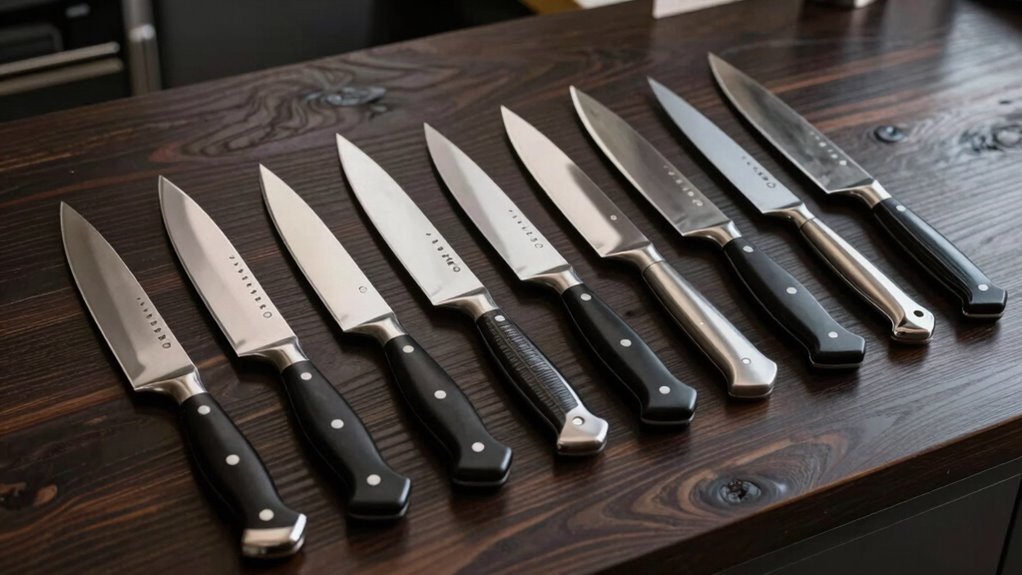

Choosing the right meat cutting knife depends on your specific needs, whether you’re slicing large roasts, deboning poultry, or carving for special occasions. Among the top picks, the Cutluxe 12-inch Carving & Slicing Knife stands out for its length and precision, ideal for heavy-duty tasks like brisket and turkey. The Huusk Japanese Carving Knife offers exceptional sharpness and control for detailed cuts, perfect for seasoned chefs. Meanwhile, the imarku 7-Inch Santoku provides a versatile, all-around option suitable for smaller, more delicate slicing. Each of these choices involves a tradeoff: longer blades excel at large cuts but can be unwieldy for everyday tasks, while smaller knives are easier to handle but less suited for big meat jobs.

Get your wardrobe favorites delivered free with Prime
- Fast, free delivery on millions of items
- Prime Video, Amazon Music and more included
- Member-only deals all year
Key Takeaways
- Longer blades like the Cutluxe excel at slicing large meats but may be cumbersome for daily use.
- Japanese steel blades, like the Huusk, deliver sharpness and edge retention but require careful handling and maintenance.
- Multifunctional options such as the imarku santoku offer versatility but are limited in their ability to handle large, heavy cuts.
- Ergonomic handles significantly improve comfort, especially during extended use, while non-slip grips enhance safety.
- Price varies widely, with premium knives providing durability and precision, but potentially exceeding casual budgets.
| imarku 7-Inch Santoku Knife with High Carbon Stainless Steel |  | Best Versatile All-Around Meat Cutting Knife | Blade Length: 7 inches | Material: Japanese high carbon stainless steel | Edge Angle: 15-18 degrees per side | VIEW ON AMAZON | See Our Full Breakdown |
| Mercer Culinary Ultimate White 6-inch Curved Boning Knife |  | Best for Precision Deboning and Trimming | Blade Length: 6 inches | Material: High-carbon Japanese steel | Handle: Ergonomic with textured finger points | VIEW ON AMAZON | See Our Full Breakdown |
| Huusk Japanese High Carbon Steel Carving Knife with Ergonomic Handle |  | Best for Precise, Large Meat Carving | Material: Japanese high carbon steel | Blade Edge: 15° precision-honed | Handle: Ergonomic, anti-slip | VIEW ON AMAZON | See Our Full Breakdown |
| Cutluxe 12″ Carving & Slicing Knife for Meat & BBQ |  | Best for Heavy-Duty, Large Meat Carving | Blade Length: 12 inches | Blade Material: High-carbon German steel | Blade Edge: 14-16 degrees per side | VIEW ON AMAZON | See Our Full Breakdown |
| meat cutting knife | Blade Length | Material | Handle | Blade Edge |
|---|---|---|---|---|
| imarku 7-Inch Santoku Knife wi | 7 inches | Japanese high carbon stainless steel | — | — |
| Mercer Culinary Ultimate White | 6 inches | High-carbon Japanese steel | Ergonomic with textured finger points | — |
| Huusk Japanese High Carbon Ste | — | Japanese high carbon steel | Ergonomic, anti-slip | 15° precision-honed |
| Cutluxe 12" Carving & Slicing | 12 inches | — | Pakkawood, triple-riveted | 14-16 degrees per side |
More Details on Our Top Picks
imarku 7-Inch Santoku Knife with High Carbon Stainless Steel
This 7-inch santoku knife is a flexible choice for slicing, dicing, and mincing. Its Japanese high carbon stainless steel offers excellent sharpness and edge retention, making it ideal for precise cuts. Compared with longer knives, it’s easier to maneuver for intricate tasks, but its smaller size limits its effectiveness on large roasts or briskets. The hollow edge design prevents sticking, and the Pakkawood handle provides a comfortable, non-slip grip—though it’s slightly heavier than traditional wood handles, which might tire some users. This model suits home cooks and professionals who need a reliable, sharp blade for everyday prep, but it’s less suited for big, heavy-duty meat carving.
Pros:- Very sharp and durable blade suitable for detailed work
- Hollow edge reduces sticking and mess
- Ergonomic, comfortable handle for extended use
Cons:- Handle may feel heavier than traditional options
- Limited to 7 inches, not ideal for large cuts
Best for: Home cooks and professionals needing a versatile, sharp knife for daily meat prep
Not ideal for: Heavy-duty carving of large meats or those preferring a longer blade for bulk slicing
- Blade Length:7 inches
- Material:Japanese high carbon stainless steel
- Edge Angle:15-18 degrees per side
- Handle Material:Pakkawood
- Blade Thickness:2.5mm
Our verdict“A reliable, sharp, and versatile knife perfect for everyday meat prep, but less suited for large carcasses or heavy-duty tasks.”
Mercer Culinary Ultimate White 6-inch Curved Boning Knife
This 6-inch boning knife is designed specifically for deboning poultry, fish, and trimming meat. Its high-carbon Japanese steel ensures a sharp, long-lasting edge, ideal for delicate, precise cuts. The ergonomic handle with textured finger points enhances safety and control, making it a favorite among professional chefs. However, its specialized nature means it’s not well-suited for slicing large roasts or carving big cuts. It’s best for detailed work, but requires hand washing to preserve its edge—dishwasher damage can dull or corrode the blade. If you focus on deboning or trimming, this knife offers excellent control, but it’s less appropriate for general slicing tasks.
Pros:- Sharp, durable blade for precision work
- Ergonomic handle provides comfort and safety
- Ideal for deboning and trimming meat, poultry, and fish
Cons:- Requires hand washing; not dishwasher safe
- Limited to specific tasks like deboning
Best for: Chefs and home cooks focused on deboning, trimming, and detailed meat work
Not ideal for: Heavy carving, large roasts, or multi-purpose slicing
- Blade Length:6 inches
- Material:High-carbon Japanese steel
- Handle:Ergonomic with textured finger points
Our verdict“A precision tool for deboning and trimming, offering control and comfort, but not suitable for heavy-duty slicing or carving larger cuts.”
Huusk Japanese High Carbon Steel Carving Knife with Ergonomic Handle
The Huusk carving knife offers a 15° precision-honed edge, making it ideal for slicing large cuts like roasts, hams, or briskets. Its high carbon Japanese steel provides excellent edge retention and rust resistance, while the full-tang construction and anti-slip ergonomic handle ensure stability during demanding tasks. Compared with shorter knives, this model’s length and sharpness make it a standout for carving large meats, but it’s less nimble for delicate tasks or small cuts. It’s a more expensive investment, requiring careful handling and regular maintenance to preserve its sharpness and rust resistance. This pick makes the most sense for serious meat enthusiasts and professional settings where large slicing is routine.
Pros:- Exceptional sharpness and edge retention
- Full-tang, anti-slip ergonomic handle for stability
- Versatile for various large meat carving tasks
Cons:- Requires careful handling to maintain sharpness
- Potentially expensive
Best for: Professional chefs or serious home cooks carving large meats
Not ideal for: Everyday kitchen tasks or small, intricate cuts
- Material:Japanese high carbon steel
- Blade Edge:15° precision-honed
- Handle:Ergonomic, anti-slip
- Construction:Full-tang
Our verdict“A high-performance carving knife designed for large cuts, combining durability and precision but demanding careful maintenance.”
Cutluxe 12″ Carving & Slicing Knife for Meat & BBQ
The Cutluxe 12-inch carving and slicing knife is built for large meats like brisket, turkey, or roast. Its high-carbon German steel grants excellent durability and edge retention, while the razor-sharp granton blade minimizes friction, making effortless slicing possible even through tough, thick cuts. The triple-riveted pakkawood handle offers a comfortable, secure grip for extended use, and the lifetime warranty adds peace of mind. Compared with shorter knives, this model is better suited for professional kitchens or serious home enthusiasts handling large quantities of meat. However, the longer blade can feel unwieldy for everyday tasks or smaller cuts, and the premium price may be a barrier for casual cooks.
Pros:- Razor-sharp granton blade for precise, effortless slicing
- Ergonomic, triple-riveted pakkawood handle for comfort
- Durable, rust-resistant German steel with a lifetime warranty
Cons:- Premium price point
- Blade length may be unwieldy for small or quick tasks
Best for: Serious home cooks and professionals carving large meats or BBQ
Not ideal for: Small, delicate cuts or everyday slicing in a casual kitchen
- Blade Length:12 inches
- Blade Material:High-carbon German steel
- Blade Edge:14-16 degrees per side
- Rockwell Hardness:56+
- Handle:Pakkawood, triple-riveted
- Warranty:Lifetime
Our verdict“A heavy-duty, large meat carving knife ideal for serious meat carving, offering durability and precision but less convenience for everyday use.”
How We Picked
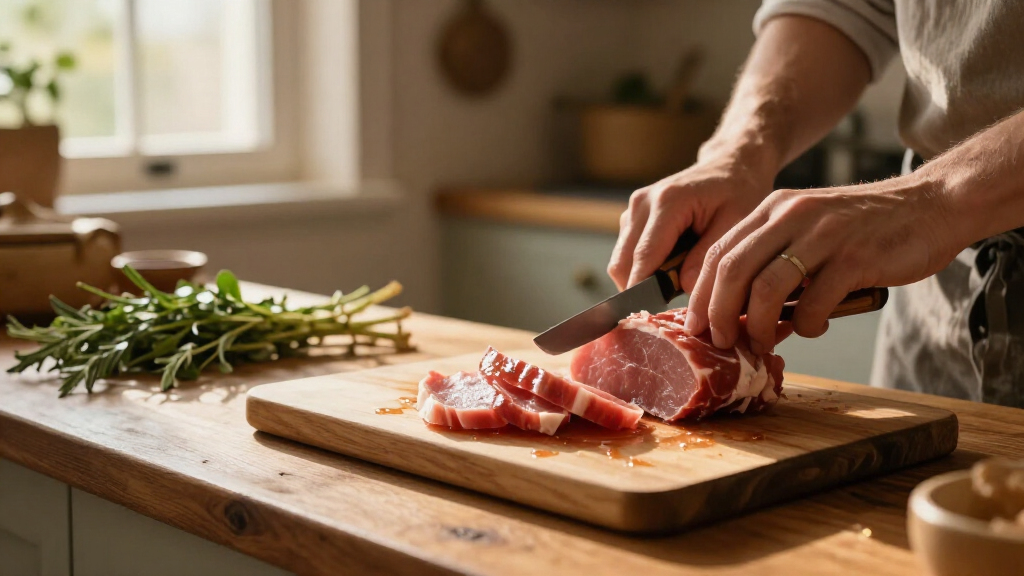
Our selection process focused on knives specifically designed for meat cutting tasks, prioritizing sharpness, durability, and comfort. We compared blades made from high-carbon steels, as they retain sharp edges longer and handle heavy cutting demands. Handle ergonomics was a key factor, ensuring a secure grip during demanding kitchen work. We also considered the versatility of each knife—whether it’s suited for slicing, deboning, or carving large cuts—and balanced this against price and maintenance requirements. Our choices aim to serve a range of users from home cooks to professional chefs, emphasizing real-world utility over marketing claims.
| meat cutting knife | Material | Handle |
|---|---|---|
| imarku 7-Inch Santoku Knife wi | Japanese high carbon stainless steel | — |
| Mercer Culinary Ultimate White | High-carbon Japanese steel | Ergonomic with textured finger points |
| Huusk Japanese High Carbon Ste | Japanese high carbon steel | Ergonomic, anti-slip |
| Cutluxe 12" Carving & Slicing | — | Pakkawood, triple-riveted |
Factors to Consider When Choosing Meat Cutting Knives
When selecting a meat cutting knife, the key factors include blade material, length, and handle ergonomics. The right knife should match your typical meat prep tasks, whether it’s delicate deboning, detailed carving, or heavy-duty slicing. Consider your comfort and safety, especially during extended use, and weigh the importance of maintenance—some steels require more careful care to prevent rust and dulling. Price points vary, with premium options offering longer-lasting sharpness and durability, while budget models focus on basic functionality. This guide will help you understand what features matter most for your specific needs and how to balance performance with maintenance and cost.
Blade Material and Sharpness
High-carbon steels like Japanese and German options are favored for their ability to hold a sharp edge longer. This is vital for meat cutting, where precision and clean slices are important. While stainless steels are more resistant to rust, they often require more frequent sharpening. For heavy-duty tasks, a blade with a high Rockwell hardness rating, such as the Cutluxe’s 56+, provides durability, but may be more brittle and prone to chipping if mishandled. The choice of steel directly impacts the blade’s longevity and ease of maintenance, making it a critical consideration.
Blade Length and Design
The length of the blade determines what kinds of cuts the knife can handle. Longer blades like the 12-inch Cutluxe excel at big cuts such as briskets and turkeys, providing a smooth, continuous slice. Shorter knives, like the 6- or 7-inch models, are more manageable for everyday tasks and detailed work like trimming or deboning. The blade’s design—such as the granton edge—also affects performance by reducing resistance and sticking. Matching the blade length to your typical meat size is key to efficiency and safety.
Handle Comfort and Safety
Ergonomic, non-slip handles reduce fatigue and improve control during prolonged cutting sessions. Pakkawood handles, like those on the Cutluxe and Huusk, combine comfort with durability, though they may require extra care to prevent cracking or warping. Textured or rubberized grips on professional-grade knives, such as the Mercer boning knife, enhance safety, especially when working with slick or fatty meats. Remember that a comfortable handle can prevent slips and injuries, especially when applying force through tough cuts.
Price and Maintenance
Premium knives crafted from high-carbon steels tend to carry higher price tags but offer longer-lasting sharpness and better corrosion resistance, provided they’re cared for properly. Budget options may dull faster and require more frequent sharpening, but often suffice for casual use. Maintenance considerations include hand washing, regular honing, and occasional sharpening—especially for high-carbon blades. Balancing cost with expected usage and maintenance willingness will ensure you pick a knife that stays sharp and reliable over time.
Frequently Asked Questions
How often should I sharpen my meat cutting knife?
The frequency of sharpening depends on how often you use the knife and the type of meat you cut. Generally, a high-quality steel blade should be honed every few uses to maintain its edge, with sharpening needed less frequently—perhaps every few months for regular use. For professional settings or frequent heavy-duty slicing, more regular maintenance might be necessary. Proper honing and correct cutting technique will also extend the time between sharpenings, helping you keep your knife performing at its best.
Can I put my meat carving knife in the dishwasher?
Most high-carbon steel knives, especially those with Japanese or German steel, should be hand washed to prevent corrosion and damage. Dishwashers expose blades to harsh detergents and high heat, which can dull the edge and cause rust or warping—particularly with Pakkawood handles. Hand washing with mild soap and drying immediately is recommended to preserve the knife’s sharpness and structural integrity, ensuring it remains a reliable tool for years to come.
What blade length should I choose for my needs?
The ideal blade length depends on the typical size of the cuts you handle. For large meats like brisket or turkeys, a 12-inch knife provides the leverage and length needed for clean, effortless slices. For smaller cuts or more precise work, a 6- or 7-inch knife offers better control and maneuverability. If you’re unsure, a versatile 7-inch santoku can handle a variety of tasks, but for serious meat carving, longer blades tend to produce cleaner, more uniform slices.
What is the difference between granton and non-granton blades?
Granton blades feature a series of hollowed-out sections along the edge, which create air pockets during slicing. This design reduces friction and prevents meat or other foods from sticking to the blade, resulting in cleaner cuts and less effort. Non-granton blades are smooth and may cause more resistance, especially with sticky or fatty meats. For high-volume or professional use, granton blades can improve efficiency, but for everyday tasks, a smooth edge may suffice and be easier to sharpen.
How do I maintain the sharpness of my high-carbon steel knife?
Proper maintenance includes regular honing with a sharpening steel to realign the edge, along with periodic sharpening using whetstones or professional sharpeners. Hand washing and drying immediately after use prevent rust and corrosion, especially for high-carbon blades. Storing the knife properly, either in a sheath or on a magnetic strip, reduces the risk of chipping or dulling. Regular care keeps the knife performing like new and extends its lifespan, making it a worthwhile investment.
Conclusion
For home cooks or casual users, a versatile, manageable knife like the imarku santoku offers good performance at an accessible price. Serious meat enthusiasts or professionals carving large cuts should consider the Cutluxe 12-inch or the Huusk carving knife for their durability and precision. Deboning specialists will find the Mercer boning knife indispensable, while those needing detailed control might prefer the Huusk for its sharpness and stability. Ultimately, matching your typical tasks and maintenance preferences with the right blade size and steel type will lead to the best slicing experience.
Halloween Picks
halloween
As an affiliate, we earn on qualifying purchases.