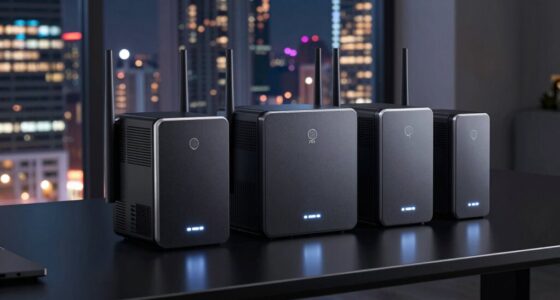
For home use, I’d put the LUNTHINK Generator Quiet Box first because its roomy interior and ventilation-focused design suit buyers seeking a more complete enclosure. The Zombiebox Generator Shed is a standout for larger generators, while the Bezseller Metal Generator Shed may appeal to buyers who prefer a rigid shelter. The central tradeoff is that smaller foam or sponge covers can fit compact pumps and machines but are not interchangeable with ventilated generator shelters. Fit, heat management, exhaust routing, and access matter as much as noise reduction. Read on for how all 10 options differ and which type of enclosure makes sense for your setup.

Get your wardrobe favorites delivered free with Prime
- Fast, free delivery on millions of items
- Prime Video, Amazon Music and more included
- Member-only deals all year
Complete the kit


Key Takeaways
- The LUNTHINK and Zombiebox options are the lineup’s shelter-style picks: their larger stated dimensions and ventilation or exhaust features make them more relevant to generator use than the compact machine covers.
- Compact covers dominate the small end of the comparison: the GALPADA, Kisangel, and IWOWHERO 10 × 8 × 8-inch enclosure are aimed at small pumps or machines, so buyers need to check generator dimensions carefully.
- Product titles do not establish sound reduction or safe operating limits: the provided details offer no measured decibel reduction, temperature limits, or generator-specific safety certification.
- Ventilation and exhaust design separate a generator shelter from a simple noise cover: a sound-dampening enclosure that traps heat or directs exhaust poorly is the wrong fit for running a generator.
- The best choice depends on scale and construction: the lineup ranges from small soft enclosures to a large lightweight shelter and a metal shed, so one style cannot serve every home setup.
| TroyStudio Portable Sound Proof Box, 16″ x 12″ x 16.2″ Noise Reduction Enclosure |  | Best Compact Pick | Exterior dimensions: 16 x 12 x 16.2 inches | Interior dimensions: 12 x 8 x 14.2 inches | Weight: 3.1 lb | VIEW ON AMAZON | See Our Full Breakdown |
| LUNTHINK Generator Quiet Box – 39.4″ x 35″ x 35.5″ Interior |  | Best for Large Home Backup Generators | Model: LK-06 | Interior dimensions: 39.4 x 35 x 35.5 inches | Maximum generator capacity: 15,000 watts | VIEW ON AMAZON | See Our Full Breakdown |
| Zombiebox Generator Shed – Large Lightweight Shelter with Exhaust System & Base Mat |  | Best Complete Generator-Specific Package | Model: Lite-PkgDeal-MU | Weight: 125 lb | Interior dimensions: 35 x 39 x 39 inches | VIEW ON AMAZON | See Our Full Breakdown |
| FONDOTIN Soundproof Box Soundproofing Cover for Generator and Water Booster |  | Best for Small Utility Equipment | Brand: FONDOTIN | Model number: 55007M57 | Dimensions: 17.32 x 17.32 x 17.32 inches | VIEW ON AMAZON | See Our Full Breakdown |
| GALPADA Thick Foam Soundproof Enclosure for Water Pumps and Generators – 11 in |  | Best for Tight Spaces | Brand: GALPADA | Model number: KO617PW499S8I0X0E4JB | Manufacturer part number: KO617PW499S8I0X0E4JB | VIEW ON AMAZON | See Our Full Breakdown |
| Kisangel Sponge Soundproof Enclosure for Water Pumps, Black, 11 × 11 × 9.8 in |  | Best for Tight Pump Installations | Material: Sponge | Color: Black | Dimensions: Approximately 11 × 11 × 9.8 in | VIEW ON AMAZON | See Our Full Breakdown |
| IWOWHERO Portable Noise Reduction Enclosure for Pumps and Generators, 10 × 8 × 8 in |  | Best Compact Portable Pick | Brand: IWOWHERO | Dimensions: 10 × 8 × 8 in | Weight: 11.36 oz | VIEW ON AMAZON | See Our Full Breakdown |
| Three-Layer Soundproof Cover for Pool Pumps and Generators |  | Best for Layered Noise Damping | Brand: SOUTH SILK | Model: SPB001 | Dimensions: 30 × 25 × 30 cm (11.81 × 9.84 × 11.81 in) | VIEW ON AMAZON | See Our Full Breakdown |
| IWOWHERO 17.3-Inch Soundproof Enclosure for Generators and Small Machines | | Best for Maintenance Access | Brand: IWOWHERO | Model number: 35V07FO | Size: 17.3 in | VIEW ON AMAZON | See Our Full Breakdown |
| Bezseller Metal Generator Shed, 36 x 26 x 27 Inches |  | Best for Weather Protection | Brand: Bezseller | Model: BSXCOT034SG | Dimensions: 36 × 26 × 27 in | VIEW ON AMAZON | See Our Full Breakdown |
| generator soundproof enclosures for home use | Weight | Material | Brand | Dimensions |
|---|---|---|---|---|
| TroyStudio Portable Sound Proo | 3.1 lb | Polyurethane with flame-retardant egg crate foam and felt | — | — |
| LUNTHINK Generator Quiet Box | — | High-temperature galvanized steel with baked paint finish | — | — |
| Zombiebox Generator Shed | 125 lb | — | — | — |
| FONDOTIN Soundproof Box Soundp | — | Sponge | FONDOTIN | 17.32 x 17.32 x 17.32 inches |
| GALPADA Thick Foam Soundproof | — | — | GALPADA | — |
| Kisangel Sponge Soundproof Enc | 13.76 oz | Sponge | — | Approximately 11 × 11 × 9.8 in |
| IWOWHERO Portable Noise Reduct | 11.36 oz | Sponge | IWOWHERO | 10 × 8 × 8 in |
| Three-Layer Soundproof Cover f | 2.39 kg | — | SOUTH SILK | 30 × 25 × 30 cm (11.81 × 9.84 × 11.81 in) |
| IWOWHERO 17.3-Inch Soundproof | 2.7 lb | — | IWOWHERO | — |
| Bezseller Metal Generator Shed | — | Metal frame and corrugated metal panels | Bezseller | 36 × 26 × 27 in |
More Details on Our Top Picks
TroyStudio Portable Sound Proof Box, 16″ x 12″ x 16.2″ Noise Reduction Enclosure
The TroyStudio Portable Sound Proof Box is the most compact, easy-to-store choice here, but its dimensions make it a better fit for small equipment than for a typical home backup generator. Its listed maximum noise reduction of 21.5 dB above 400 Hz is aimed at higher-frequency sound; it should not be read as eliminating the deeper rumble of a generator. Compared with the much larger LUNTHINK Generator Quiet Box, TroyStudio is far easier to fold away and move, but it cannot take a generator up to 15,000 watts. The 12 x 8 x 14.2-inch interior is the deciding limit, and any generator also needs adequate airflow and safe exhaust routing. I’d choose this for a small device only when its size and operating requirements fit, not as a universal generator shed.
Pros:- Foldable construction allows compact storage between uses.
- Listed noise reduction of up to 21.5 dB targets sounds above 400 Hz.
- Light-blocking seal may help when equipment operates near a sleeping or light-sensitive space.
- Weighs 3.1 pounds, making it easier to reposition than the steel LUNTHINK enclosure.
Cons:- Small interior dimensions rule out many generators used for home backup.
- The stated reduction focuses on frequencies above 400 Hz, not a guarantee of suppressing low-frequency engine rumble.
- Product data does not specify weatherproofing or a dedicated exhaust system for outdoor generator use.
Best for: People seeking a foldable noise cover for a small portable generator or compact machine that fits within the 12 x 8 x 14.2-inch interior and can be operated safely with suitable ventilation.
Not ideal for: Owners of large home backup generators or anyone needing a weatherproof outdoor shelter; the interior is small, and the product data does not establish outdoor weather protection or a generator exhaust system.
- Exterior dimensions:16 x 12 x 16.2 inches
- Interior dimensions:12 x 8 x 14.2 inches
- Weight:3.1 lb
- Material:Polyurethane with flame-retardant egg crate foam and felt
- Maximum stated noise reduction:Up to 21.5 dB
- Effective frequency range:Above 400 Hz
- Foldable:Yes
Our verdict“Choose TroyStudio for a compact device that fits its interior and needs a stowable cover, but choose a purpose-built shed for a larger outdoor generator.”
LUNTHINK Generator Quiet Box – 39.4″ x 35″ x 35.5″ Interior
For buyers whose priority is sheltering a substantial standby or portable generator outdoors, the LUNTHINK Generator Quiet Box offers the lineup’s largest stated capacity: generators up to 15,000 watts within a 39.4 x 35 x 35.5-inch interior. Its galvanized-steel body and baked finish speak more directly to weather exposure and security than the foam-based TroyStudio Portable Sound Proof Box, which is smaller and foldable but not presented as a weatherproof shed. Double-layer vents are intended to balance airflow with sound and rain protection, while the included exhaust pipe gives the setup a more generator-specific design. The cost of that robust approach is practical: this is a large, heavy steel enclosure, not a cover to shift around casually. Buyers should confirm their generator’s dimensions and ventilation needs before choosing it.
Pros:- Spacious stated interior accommodates generators up to 15,000 watts.
- Galvanized steel with a baked paint finish is suited to outdoor exposure.
- Double-layer vents are designed to support airflow while limiting rain entry and noise escape.
- Includes a solid lock and stainless-steel exhaust pipe.
Cons:- Large dimensions can be difficult to fit in a tight residential outdoor space.
- Heavy steel construction makes delivery, installation, and repositioning more demanding.
- The product data gives no numerical noise-reduction figure for direct comparison with the Zombiebox Generator Shed.
Best for: Homeowners with a large outdoor generator rated up to 15,000 watts who want a lockable, weather-oriented steel enclosure and have room for a permanent installation.
Not ideal for: People with limited yard or patio space, smaller devices, or a setup that must be moved often; its steel construction and large footprint favor a fixed location.
- Model:LK-06
- Interior dimensions:39.4 x 35 x 35.5 inches
- Maximum generator capacity:15,000 watts
- Material:High-temperature galvanized steel with baked paint finish
- Ventilation:Double-layer air vents
- Included exhaust component:Stainless steel exhaust pipe
- Lock:Solid lock
Our verdict“Pick LUNTHINK if you need a large, lockable outdoor enclosure for a generator up to 15,000 watts and can dedicate space to it.”
Zombiebox Generator Shed – Large Lightweight Shelter with Exhaust System & Base Mat
The Zombiebox Generator Shed stands apart from generic foam covers by arriving as a generator-focused package: enclosure, secondary ZPipe exhaust system, rubber acoustic base mat, and cord grommet. That combination reduces the number of separate parts a buyer needs to source, while the stated 40–50% noise reduction gives it a clearer sound-reduction claim than the LUNTHINK box, which emphasizes capacity, steel construction, and weather resistance without a numerical figure. Zombiebox fits generators up to about 10 kW and a maximum size of 30 x 30 x 32 inches, so it gives up LUNTHINK’s higher stated capacity. At 125 pounds, it is lighter than many substantial sheds but still not an easy option for frequent moves. I’d shortlist it for outdoor backup use where the included exhaust and base components suit the generator.
Pros:- Package includes a secondary ZPipe exhaust system, rubber acoustic base mat, and 3-inch cord grommet.
- States approximately 40–50% noise reduction.
- Provides rain and snow protection for outdoor use.
- 125-pound weight is more manageable than some heavier enclosure options.
Cons:- Capacity is limited to generators up to about 10 kW, below the LUNTHINK box’s stated 15,000-watt capacity.
- At 125 pounds, it remains cumbersome for regular relocation.
- Maximum generator dimensions require careful fit checks before purchase.
Best for: Homeowners or RV users with a compatible generator up to 10 kW who want an enclosure supplied with an exhaust system, acoustic mat, and cord grommet.
Not ideal for: Owners of generators above 10 kW or larger than 30 x 30 x 32 inches, and buyers who need a lightweight enclosure they can move frequently.
- Model:Lite-PkgDeal-MU
- Weight:125 lb
- Interior dimensions:35 x 39 x 39 inches
- Maximum generator size:30 x 30 x 32 inches
- Maximum generator capacity:Up to 10 kW
- Stated noise reduction:Approximately 40–50%
- Included components:Enclosure, ZPipe secondary exhaust system, rubber acoustic base mat, 3-inch grommet
Our verdict“Choose Zombiebox for a compatible generator up to 10 kW when a supplied exhaust system and acoustic base mat matter more than maximum capacity.”
FONDOTIN Soundproof Box Soundproofing Cover for Generator and Water Booster
The FONDOTIN Soundproof Box is a compact sponge enclosure aimed at generators, water boosters, and pumps, making it a more plausible fit for small utility equipment than the large Zombiebox Generator Shed. Its roughly 17.3-inch cube footprint may suit a tight equipment area, and the described access for inspection is useful when a pump needs routine attention. But the product data does not give an interior measurement, generator wattage limit, quantified noise reduction, weather rating, or exhaust arrangement. Those missing details make it harder to recommend for home backup use than the purpose-built Zombiebox or the weather-oriented LUNTHINK steel box. I’d treat FONDOTIN as a small-machine noise cover only after confirming fit and safe airflow, rather than assuming it can enclose a running generator outdoors.
Pros:- Compact 17.32-inch cube dimensions may fit smaller equipment areas.
- Described as suitable for generators, water boosters, pool pumps, and other equipment.
- Inspection access can make routine maintenance less disruptive.
- Sponge construction provides a sound-deadening layer without the footprint of the Zombiebox shed.
Cons:- No interior dimensions or generator capacity are supplied, making fit difficult to confirm.
- No quantified noise-reduction figure is provided.
- Product data does not specify outdoor weather protection or a dedicated exhaust system.
Best for: Buyers seeking a compact sponge cover for a small water booster, pump, or generator in a protected location, after verifying equipment fit and ventilation.
Not ideal for: Owners of large backup generators or anyone needing a clearly specified outdoor shed with a rated capacity, weather protection, and dedicated exhaust routing.
- Brand:FONDOTIN
- Model number:55007M57
- Dimensions:17.32 x 17.32 x 17.32 inches
- Material:Sponge
- Color:Black
- Pack count:1
- Listed equipment uses:Generator, water booster, pool pump, and other equipment
Our verdict“Consider FONDOTIN for a small pump or generator in a protected space, but choose a generator-specific shed when capacity and outdoor operation need clear specifications.”
GALPADA Thick Foam Soundproof Enclosure for Water Pumps and Generators – 11 in
The GALPADA Thick Foam Soundproof Enclosure is the smallest, simplest-style option in this group: its listed 11-inch size and slip-on design favor compact pumps or other small machines, not most home backup generators. Compared with the FONDOTIN Soundproof Box, which measures about 17.3 inches across and is described with inspection access, GALPADA is positioned for a tighter fit and tool-free installation. Its dense foam is intended to absorb operational noise and isolate vibration, but the listing does not provide full enclosure dimensions, a numerical noise-reduction result, weather protection, or exhaust provisions. That leaves more uncertainty for outdoor generator use than with the generator-specific Zombiebox Generator Shed. I’d choose GALPADA only after checking the equipment’s measurements and confirming that its operating setup can maintain safe airflow.
Pros:- Compact 11-inch size is aimed at tight equipment locations.
- Slip-on installation requires no tools.
- Dense foam is intended to absorb noise and isolate vibration.
- Described for pumps, generators, aquarium air stones, and other small equipment.
Cons:- Single listed size may not fit many generators or larger pumps.
- No complete dimensions or numerical noise-reduction figure are provided.
- Product data does not specify weather protection or a generator exhaust arrangement.
Best for: People with a very small pump or machine in a confined space who want a simple slip-on foam cover and can verify a safe fit and operating setup.
Not ideal for: Homeowners with standard or large backup generators, or anyone who needs a weather-rated enclosure, stated capacity, or dedicated exhaust system.
- Brand:GALPADA
- Model number:KO617PW499S8I0X0E4JB
- Manufacturer part number:KO617PW499S8I0X0E4JB
- Listed size:11 inches
- Construction:Thick, dense foam
- Installation:Slip-on; no tools required
- Pack count:1
Our verdict“Choose GALPADA for a small machine that fits its 11-inch format, but skip it for a typical outdoor home backup generator.”
Kisangel Sponge Soundproof Enclosure for Water Pumps, Black, 11 × 11 × 9.8 in
The Kisangel’s main advantage is its compact 11 × 11 × 9.8-inch footprint, which may suit a small residential pump where a larger cover would be awkward. Its sponge construction is intended to reduce noise and vibration, while the water-resistant material offers more protection in damp surroundings than the Three-Layer Soundproof Cover, which is explicitly not water resistant. That does not make this a dependable generator enclosure: the product details focus on water pumps, and they provide no generator fit guidance, ventilation openings, or measured noise reduction. There is also no closure, so it may not wrap securely around every machine. I’d treat it as a niche pump-noise cover, not a general-purpose home generator solution.
Pros:- Compact dimensions suit installations with limited space
- Sponge material is intended to reduce pump noise and vibration
- Water-resistant construction is suited to damp settings
- Lightweight at 13.76 oz
Cons:- Product information focuses on water pumps rather than generator fit
- No closure may make it difficult to secure around some equipment
- No measured noise reduction or ventilation details are provided
Best for: Homeowners seeking a compact, water-resistant cover for a small water pump in a tight installation space.
Not ideal for: Generator owners who need confirmed equipment compatibility, ventilation provisions, or a documented noise-reduction result.
- Material:Sponge
- Color:Black
- Dimensions:Approximately 11 × 11 × 9.8 in
- Weight:13.76 oz
- Water resistance:Water resistant
- Closure:No closure
- Included components:Case
Our verdict“Choose the Kisangel for a small pump in a damp, space-limited spot, but skip it if you need a purpose-specified generator enclosure.”
IWOWHERO Portable Noise Reduction Enclosure for Pumps and Generators, 10 × 8 × 8 in
At 10 × 8 × 8 inches and 11.36 ounces, this IWOWHERO enclosure is the most portable option in this group, making it easier to reposition around a small pump or machine. Unlike the Kisangel, its description explicitly includes generators, though it gives no model-specific dimensions beyond the enclosure itself. That leaves buyers to measure carefully rather than rely on a compatibility list. The sponge construction is intended to reduce noise and vibration, but the listing provides no measured results, and it says nothing about ventilation or weather protection. Compared with the larger 17.3-inch IWOWHERO enclosure, this one favors portability and smaller equipment over access for servicing or coverage of a bigger machine. I see it as a compact, general-purpose cover—not a proven solution for a home standby generator.
Pros:- Small dimensions suit compact equipment
- Lightweight design is easy to reposition
- Description includes generators as well as air and water pumps
- Sponge material is intended to reduce noise and vibration
Cons:- Compatibility is not tied to specific generator or pump models
- No measured noise-reduction performance is listed
- Ventilation and water-resistance details are not provided
Best for: Owners of small portable generators or pumps who need a lightweight cover they can move between locations.
Not ideal for: Buyers with larger generators or anyone needing specified ventilation, weather protection, or verified noise-reduction figures.
- Brand:IWOWHERO
- Dimensions:10 × 8 × 8 in
- Weight:11.36 oz
- Color:Black
- Material:Sponge
- Items:1
Our verdict“Pick this IWOWHERO for a small machine you need to move easily, not for larger equipment requiring documented fit or operating provisions.”
Three-Layer Soundproof Cover for Pool Pumps and Generators
The SOUTH SILK cover is the clearest choice here for buyers prioritizing a layered sound-damping design: it has approximately 30 mm of material and lists an estimated reduction of 10–25 dB, depending on use. Its four detachable sides and hook-and-loop fasteners also make installation and removal more flexible than the simple sponge covers from Kisangel and IWOWHERO. The tradeoff is that this is not a weather shelter: it is not water resistant, and it has no pre-cut ventilation or pipe openings. Buyers may need to make openings to suit their setup, which calls for care around a running generator’s airflow and heat requirements. At 2.39 kg, it is also substantially heavier than the small sponge enclosures. I’d favor it for a sheltered equipment area where customizable access matters more than rain protection.
Pros:- Approximately 30 mm layered construction is designed for noise damping
- Estimated noise reduction is provided, with results dependent on use
- Four detachable sides simplify fitting and removal
- Hook-and-loop fastening allows flexible access
Cons:- Not water resistant, so it is unsuitable as outdoor weather protection
- No pre-cut ventilation or pipe holes
- Heavier than the compact sponge covers at 2.39 kg
Best for: Owners of small generators or pumps in a sheltered location who want layered damping and removable panels.
Not ideal for: Anyone placing a generator outdoors in rain or needing ready-made ventilation and pipe openings.
- Brand:SOUTH SILK
- Model:SPB001
- Dimensions:30 × 25 × 30 cm (11.81 × 9.84 × 11.81 in)
- Material thickness:Approximately 30 mm
- Noise reduction:Approximately 10–25 dB, depending on usage
- Weight:2.39 kg
- Closure:Hook and loop
- Water resistance:Not water resistant
- Openings:No pre-cut pipe or ventilation holes
Our verdict“Choose the SOUTH SILK cover for a sheltered setup where layered damping and removable panels matter more than weather protection.”
IWOWHERO 17.3-Inch Soundproof Enclosure for Generators and Small Machines
Where the smaller IWOWHERO enclosure prioritizes portability, this 17.3-inch model emphasizes access during checks and repairs. That makes it a more practical candidate for owners who need to reach covered equipment without removing the whole enclosure. Its stated uses include generators, pumps, and other small machines, giving it broader generator relevance than the pump-focused Kisangel. Still, the listing does not identify compatible machine dimensions or quantify noise reduction, so buyers must verify fit and should not expect a guaranteed sound level change. The product may help protect equipment, but no water-resistance rating or ventilation details are supplied. Compared with the Three-Layer Soundproof Cover, it offers an access-friendly design rather than a stated material thickness and noise-reduction range. It is best viewed as a serviceable small-machine cover, not a complete outdoor generator shelter.
Pros:- Access-friendly design supports checks and repairs while installed
- Designed for generators, pumps, and other small machines
- May help protect covered equipment
- Larger stated size than the 10-inch IWOWHERO enclosure
Cons:- Specific machine compatibility is not listed
- Noise-reduction performance is not quantified
- Weather resistance and ventilation details are not specified
Best for: Owners of compact generators or pumps who perform regular checks and want access without removing the cover.
Not ideal for: Buyers who need confirmed model fit, quantified sound reduction, or specified weather and ventilation protection.
- Brand:IWOWHERO
- Model number:35V07FO
- Size:17.3 in
- Weight:2.7 lb
- Color:Black
- Number of items:1
- Included components:See package
Our verdict“Choose this IWOWHERO if routine access matters for a small machine, but confirm its fit and operating requirements before buying.”
Bezseller Metal Generator Shed, 36 x 26 x 27 Inches
The Bezseller is the outlier in this roundup: it is a metal generator shed, not a soundproof cover. Its weather-resistant panels are designed to shield a compatible generator from rain, snow, wind, dust, and sun, while the flip-up lid, open front, and cable port simplify access. That makes it more useful for outdoor protection than the sponge enclosures or the non-water-resistant SOUTH SILK cover, but it does not provide a closed, sound-damping setup while the generator runs. The manufacturer specifies that the lid and front must stay fully open during operation for ventilation, so buyers should not expect the shed to contain operating noise. Its generous 36 × 26 × 27-inch dimensions suit many 3000W–6500W units only if they fit, and assembly requires screws. Choose it for shelter and access, not noise reduction.
Pros:- Metal frame and corrugated panels are designed to protect against weather and sun
- Flip-up lid and open front provide access to the generator
- Side cable port routes power cords
- Front opening allows compatible wheeled generators to roll in and out
Cons:- Must remain fully open at the front and lid during operation for ventilation
- Does not function as a closed soundproof enclosure while running
- Generator must fit within the listed interior dimensions
Best for: Homeowners who need a weather-resistant outdoor shelter for a wheeled generator within the listed size range.
Not ideal for: Buyers whose main goal is reducing generator noise during operation or who need a closed enclosure while the unit runs.
- Brand:Bezseller
- Model:BSXCOT034SG
- Dimensions:36 × 26 × 27 in
- Door width:26 in
- Door height:27 in
- Material:Metal frame and corrugated metal panels
- Water resistance:Water resistant
- Generator compatibility:Most 3000W–6500W generators that fit within the listed dimensions
- Assembly:Screw assembly; about one hour for one person
Our verdict“Buy the Bezseller for outdoor weather shelter and convenient access, but choose a sound-damping enclosure if noise reduction is your priority.”

How We Picked
I ranked these options by how directly their stated design and dimensions address the needs of a home generator: space for the intended unit, an apparent path for ventilation and exhaust, practical access, and construction suited to the installation. The LUNTHINK and Zombiebox lead because their listings describe larger generator shelters and call out ventilation or exhaust features. The Bezseller ranks as a rigid-shelter alternative, but the supplied details do not describe its ventilation arrangement.
Compact foam, sponge, and layered covers rank lower for generator use because their listed dimensions point toward small machines, pumps, or similar equipment, and the available descriptions do not establish generator-scale airflow or heat handling. I also weighed versatility and how clearly a buyer can judge fit from the supplied information. No measured noise reduction, material fire rating, or safe operating guidance was provided, so I do not treat soundproofing claims alone as proof of safe generator use.
| generator soundproof enclosures for home use | Material | Brand |
|---|---|---|
| TroyStudio Portable Sound Proo | Polyurethane with flame-retardant egg crate foam and felt | — |
| LUNTHINK Generator Quiet Box | High-temperature galvanized steel with baked paint finish | — |
| Zombiebox Generator Shed | — | — |
| FONDOTIN Soundproof Box Soundp | Sponge | FONDOTIN |
| GALPADA Thick Foam Soundproof | — | GALPADA |
| Kisangel Sponge Soundproof Enc | Sponge | — |
| IWOWHERO Portable Noise Reduct | Sponge | IWOWHERO |
| Three-Layer Soundproof Cover f | — | SOUTH SILK |
| IWOWHERO 17.3-Inch Soundproof | — | IWOWHERO |
| Bezseller Metal Generator Shed | Metal frame and corrugated metal panels | Bezseller |
Factors to Consider When Choosing Generator Soundproof Enclosures For Home Use
Choosing a home generator enclosure is a safety-and-fit decision as much as a noise-control decision. I’d start with the generator’s operating requirements and the enclosure’s airflow design, then judge sound control, weather exposure, access, and upkeep. These checks can prevent a common mistake: buying a cover that fits on paper but is unsuitable for a running generator.
Match the enclosure to the generator’s operating needs
Measure the generator with handles, outlets, and any attached fittings included, then compare those measurements with the enclosure’s usable interior rather than its outside dimensions. Leave room for airflow and routine access, not just enough space to close the cover around the machine. A snug cover may seem better for containing sound, but restricting ventilation can create dangerous heat buildup. Check the generator maker’s guidance for required clearances before choosing an enclosure. If the product listing does not state interior dimensions or operating clearances, treat that as missing information rather than assuming a tight fit is safe.
Check ventilation and exhaust routing before sound control
A generator enclosure must move cooling air and direct exhaust away from people, doors, windows, and air intakes. Look for a clearly described airflow path and exhaust arrangement, then compare it with the generator’s outlet location and the installation site. A generic vent opening may not line up with your generator or provide adequate airflow. Never rely on a sound cover to contain exhaust, and do not run a generator in an enclosed room, garage, or other poorly ventilated space. If a listing leaves exhaust routing unclear, contact the manufacturer or choose a purpose-designed shelter with clearer operating guidance.
Treat noise claims as one part of the decision
Sound reduction depends on more than the enclosure material: gaps, the generator’s own noise, mounting surfaces, and the path sound takes through the yard all matter. Without measured reduction figures and testing conditions, phrases such as “soundproof” or “noise reduction” do not tell you how much quieter your setup will be. First identify whether the loudest sound comes from the engine, exhaust, or vibration transmitted into a deck or slab. Keep the enclosure’s openings functional rather than blocking them with extra foam. A suitable location and vibration control may help more than adding insulation to a poorly ventilated box.
Choose materials for the location and upkeep you can manage
Soft foam and sponge covers can suit small equipment, but buyers should check whether the materials tolerate outdoor exposure, moisture, cleaning, and the heat near a generator. A rigid metal shed may offer a more substantial physical shelter, but its weight, corrosion protection, assembly, and ventilation details affect whether it suits a particular yard. Lightweight shelters can be easier to move, though they may need a stable base or anchoring in windy conditions. Check how panels, seams, and access points are maintained before leaving an enclosure outdoors. If the listing does not state material ratings or weather limits, do not infer them from appearance alone.
Plan for access, maintenance, and changing needs
Routine tasks such as refueling, checking oil, inspecting connections, and cleaning should not require awkwardly removing a heavy enclosure every time. Confirm that doors or removable panels provide access to the parts you need while preserving the intended airflow and exhaust route. Consider where the enclosure will sit and whether you can reach it safely during poor weather or a power outage. Buyers with more than one machine should also check whether a larger shelter’s usable layout accommodates different footprints, not just greater capacity. Paying more for a larger or sturdier shelter can make sense when it solves access and fit problems, but extra size offers little value if the ventilation design does not match your generator.
Frequently Asked Questions
Can I run a generator inside any of these soundproof enclosures?
No. The product names alone do not establish that an enclosure is safe for continuous generator operation. A running generator needs adequate cooling airflow and exhaust directed outdoors, away from people and openings; never operate it inside a home, garage, or other enclosed space. Check both the generator manufacturer’s instructions and the enclosure maker’s operating guidance for clearances and setup. If either source does not confirm compatibility, do not assume a generic sound cover is suitable.
How do I tell whether a compact cover will fit my generator?
Compare your generator’s full operating footprint and height with the enclosure’s stated interior dimensions, allowing space for handles, outlets, airflow, and access. The listed 11-inch, 17.3-inch, and 10 × 8 × 8-inch options are presented for pumps, small machines, or similar uses, so their titles do not establish fit for a generator. Check whether dimensions describe the usable interior or the exterior shell. If the listing omits interior measurements, ask the seller before buying rather than estimating from the product title.
Is a larger enclosure automatically quieter?
No. A larger enclosure can provide more room for airflow and access, but size alone does not establish how much sound it reduces. Openings needed for cooling and exhaust can let noise escape, while poorly planned internal space may do little to control vibration. The supplied product details do not include comparable measured decibel reductions, so I would not rank these options by an assumed noise figure. Match the enclosure to the generator first, then look for verified sound data measured under stated conditions.
Should I choose a metal shed or a soft sound cover for home use?
Choose based on the job rather than the material label. A metal shed, such as the Bezseller, is a rigid shelter option, but the provided description does not specify its ventilation or exhaust design. Soft and foam-style covers in this lineup are mostly described for pumps and smaller machines, so they may be a poor match for a full-size generator even if they appear easier to handle. For any generator that will run inside a shelter, prioritize documented airflow, exhaust routing, and operating guidance over whether the enclosure is soft or rigid.
What should I do if a listing does not state noise reduction or heat limits?
Do not treat the words “soundproof” or “quiet” as a measured performance claim. Ask the manufacturer for sound-reduction data, the conditions under which it was measured, material temperature limits, and written instructions for generator operation. Also confirm whether the stated dimensions are interior dimensions and whether the enclosure is designed for your generator’s exhaust layout. If those details remain unavailable, choose a product with clearer documentation or use a shelter approved for your specific setup. Keep following the generator maker’s instructions regardless of any noise-control claims.
Conclusion
For most buyers seeking a purpose-oriented home generator shelter, I’d choose the LUNTHINK Generator Quiet Box as best overall because its stated interior dimensions and ventilation-focused design address more of the practical fit and airflow questions than the compact covers. The Zombiebox Generator Shed is my best premium-style pick for buyers needing a larger shelter with an exhaust system and base mat; verify compatibility and site requirements before purchase. For a rigid shelter, the Bezseller is the specific alternative, though its supplied details leave ventilation questions open. I can’t confidently name a best value from the information provided, and the small foam or sponge models are best for beginners only when the intended machine is a compact pump or similar device—not an assumed full-size generator. If you need a compact enclosure for a small machine, compare the GALPADA, Kisangel, and IWOWHERO models by interior fit; for any running generator, make confirmed airflow and exhaust guidance your deciding test.
Halloween Picks
halloween
As an affiliate, we earn on qualifying purchases.