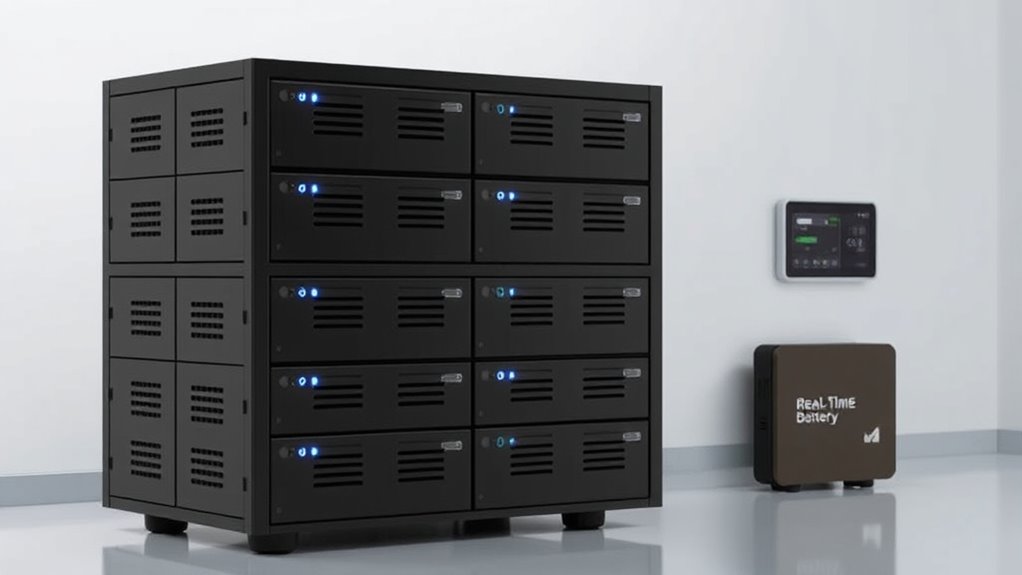

When choosing an energy storage battery for blackout protection, I focus on capacity, portability, and power output. For emergency use, the BLUETTI Elite 30 V2 offers a lightweight option with reliable UPS features, but its limited capacity makes it less suitable for prolonged outages. The Anker SOLIX S2000 provides a high-capacity solution designed for home backup, though it’s heavier and more expensive. The BLUETTI AC70 strikes a balance with decent capacity and fast charging, ideal for short-term outages or outdoor trips. Lastly, the Jackery HomePower 3600 Plus stands out for its immense capacity and expandability, suited for long-term or large-scale backup needs, but it comes at a higher cost. Each option involves tradeoffs between portability, capacity, and price, making your choice depend on specific backup needs and mobility preferences.

Get your wardrobe favorites delivered free with Prime
- Fast, free delivery on millions of items
- Prime Video, Amazon Music and more included
- Member-only deals all year
Complete the kit


Key Takeaways
- Capacity varies significantly, from 288Wh to over 3500Wh, affecting runtime during outages.
- Portability ranges from ultra-lightweight units under 10 lbs to heavier, home-scale solutions exceeding 35 lbs.
- Charge speed and solar compatibility differ; faster charging models may need additional panels or longer time.
- Price and expandability are key factors; larger, expandable systems cost more but support longer outages.
- Tradeoffs between compactness and power capacity dictate suitability for outdoor use versus home backup.
| BLUETTI Elite 30 V2 Portable Power Station 288Wh 600W LFP Solar Generator |  | Best for portability and emergency use | Capacity: 288Wh | Weight: 9.4 lbs | Continuous Power: 600W | VIEW ON AMAZON | See Our Full Breakdown |
| Anker SOLIX S2000 Portable Power Station, 2010Wh, 3000W Peak, Home Backup |  | Best for large capacity and home backup | Capacity: 2010Wh | Peak Power: 3000W | Continuous Power: 1500W | VIEW ON AMAZON | See Our Full Breakdown |
| BLUETTI AC70 Portable Power Station 768Wh 1000W LFP Battery Solar Generator |  | Best for balance of capacity and portability | Capacity: 768Wh | Inverter Power: 1000W | Surge Power: 2000W | VIEW ON AMAZON | See Our Full Breakdown |
| Jackery HomePower 3600 Plus Portable Power Station, 3600W AC Output, 3584Wh LFP Solar Generator, Expandable up to 21kWh, Home Backup, RV |  | Best for large-scale and expandable backup | Power Output: 3600W (7200W in parallel) | Capacity: 3584Wh, expandable to 21kWh | Voltage: 120V & 240V in parallel | VIEW ON AMAZON | See Our Full Breakdown |
| energy storage batteries for blackout protection | Capacity | Weight | Continuous Power | Surge Power |
|---|---|---|---|---|
| BLUETTI Elite 30 V2 Portable P | 288Wh | 9.4 lbs | 600W | 1500W |
| Anker SOLIX S2000 Portable Pow | 2010Wh | 35.7 lbs | 1500W | — |
| BLUETTI AC70 Portable Power St | 768Wh | — | — | 2000W |
| Jackery HomePower 3600 Plus Po | 3584Wh, expandable to 21kWh | Lightweight, 34% smaller and lighter than similar models | — | — |
More Details on Our Top Picks
BLUETTI Elite 30 V2 Portable Power Station 288Wh 600W LFP Solar Generator
The BLUETTI Elite 30 V2 stands out for its portability, weighing just 9.4 lbs, making it ideal for outdoor adventures and quick emergency setups. Its 288Wh capacity is modest but sufficient to power essential devices like laptops or small appliances during short outages. The 600W continuous output, with surge support up to 1500W, allows for powering multiple small devices simultaneously. Its fast charging capabilities via AC, solar, or car, combined with a reliable UPS mode, make it a versatile backup option. Compared with larger systems, it sacrifices capacity for weight and portability, which is a clear tradeoff if you need prolonged power.
Pros:- Lightweight and portable
- Fast charging with multiple modes
- Reliable UPS for critical devices
- Surge capacity supports larger devices
Cons:- Limited battery capacity for extended outages
- Requires compatible solar panel for optimal solar charging
- Power output may not support larger appliances
Best for: Outdoor enthusiasts, emergency preppers seeking lightweight portability
Not ideal for: Long-term home backup or powering high-energy appliances
- Capacity:288Wh
- Weight:9.4 lbs
- Continuous Power:600W
- Surge Power:1500W
- Charging Modes:AC wall, solar, car
- Fast Wall Charge:380W/200W adjustable
Our verdict“A highly portable, quick-charging power station perfect for short-term emergency needs and outdoor use.”
Anker SOLIX S2000 Portable Power Station, 2010Wh, 3000W Peak, Home Backup
The Anker SOLIX S2000 offers an impressive 2010Wh capacity and supports a continuous 1500W load, making it suitable for whole-house backup during prolonged outages. Its LiFePO4 chemistry ensures a long lifespan of up to 10,000 cycles, which means years of reliable service. Despite its weight of 35.7 lbs, it remains relatively compact for such capacity, thanks to thoughtful design. It supports multiple charging options, including solar input up to 400W, making it adaptable for various setups. Compared with smaller units, this model provides the peace of mind that comes with a large, durable battery, but its size and cost may be prohibitive for casual users.
Pros:- High-capacity 2010Wh battery
- Long lifespan with LiFePO4
- Supports multiple recharging options
- Supports essential home appliances
Cons:- Heavier and more expensive
- No 12V DC port available
- Runtime depends on appliance power draw
Best for: Homeowners seeking reliable, long-term backup power
Not ideal for: Frequent outdoor use or portable camping
- Capacity:2010Wh
- Peak Power:3000W
- Continuous Power:1500W
- Battery Type:LiFePO4
- Cycle Life:10,000 cycles
- Weight:35.7 lbs
Our verdict“A robust, high-capacity backup system designed for reliable home power during extended outages.”
BLUETTI AC70 Portable Power Station 768Wh 1000W LFP Battery Solar Generator
The BLUETTI AC70 offers a solid 768Wh capacity paired with a 1000W inverter, making it a versatile choice for both outdoor trips and short-term outages. Its fast AC charging — reaching 80% in just 45 minutes — and solar compatibility (up to 500W) support eco-friendly recharging. The app remote control adds convenience for monitoring status remotely. Compared with the smaller Elite 30 V2, it provides more power capacity, while being more portable than the larger home systems. However, its 500W solar input limits rapid recharging with multiple panels, and it might fall short during multi-day outages requiring high energy use.
Pros:- High capacity for outdoor and emergency use
- Fast AC recharge
- Solar compatible
- App remote management
Cons:- Limited to 500W solar input
- Relatively short charging time for some users
- No detailed weight info
Best for: Moderate outdoor use and short-term backup for essential devices
Not ideal for: Long-term home backup or powering large appliances
- Capacity:768Wh
- Inverter Power:1000W
- Surge Power:2000W
- Charging Time (AC):1.5 hours to 100%
- Solar Charging Max:500W
- Battery Type:LFP
Our verdict“A balanced portable power station ideal for outdoor adventures and short-term outages with moderate power needs.”
Jackery HomePower 3600 Plus Portable Power Station, 3600W AC Output, 3584Wh LFP Solar Generator, Expandable up to 21kWh, Home Backup, RV
The Jackery HomePower 3600 Plus delivers an enormous 3584Wh capacity, expandable to 21kWh, making it a standout for whole-home backup and RV use. Its 3600W continuous AC output supports most home appliances, while the 6,000-cycle lifespan and 10-year estimated lifespan ensure long-term reliability. Its luggage-style design with wheels makes it portable for its size, and multiple charging options—including solar, AC, and gas generator—add flexibility. The main tradeoff is its higher price and the need for additional units for larger expansion, which can add to overall costs. It’s best suited for users wanting a scalable, large-scale backup system.
Pros:- Massive capacity with expandability
- Supports high power appliances
- Long lifespan and reliability
- Portable design despite size
Cons:- Higher initial cost
- Requires additional units for larger expansion
- Limited detailed info on solar panel compatibility
Best for: Large households, RV travelers, or users needing scalable backup power
Not ideal for: Casual outdoor use or those with limited budget
- Power Output:3600W (7200W in parallel)
- Capacity:3584Wh, expandable to 21kWh
- Voltage:120V & 240V in parallel
- Cycle Life:6,000 cycles
- Lifespan:10 years
- Weight:Lightweight, 34% smaller and lighter than similar models
Our verdict“Most suitable for users needing extensive, scalable backup power with long-term reliability.”

How We Picked
Our selection process focused on batteries that excel in blackout scenarios, prioritizing capacity, reliability, and ease of use. I considered battery chemistry (LiFePO4 vs other types) for longevity, as well as portability for outdoor or emergency use. Each product was evaluated based on its power output, charging options, expandability, and user-friendly features such as app control or UPS capabilities. We also looked at real-world tradeoffs: higher capacity often means more weight and higher cost, while smaller units sacrifice runtime. Our goal was to identify options that serve different needs—from lightweight portable units for camping to robust systems for whole-home backup—ensuring a range of choices for various emergency scenarios.
| energy storage batteries for blackout protection | Battery Type |
|---|---|
| BLUETTI Elite 30 V2 Portable P | — |
| Anker SOLIX S2000 Portable Pow | LiFePO4 |
| BLUETTI AC70 Portable Power St | LFP |
| Jackery HomePower 3600 Plus Po | — |
Factors to Consider When Choosing Energy Storage Batteries For Blackout Protection
Choosing the right energy storage battery for blackout protection depends on your specific power needs, portability preferences, and budget. I recommend considering the capacity needed to run essential devices, the weight if portability matters, and the recharging options available. Larger systems offer longer backup, but they come with increased costs and weight. Smaller, portable units are quick to deploy but may only support critical devices for limited durations. Expandability is another factor—if you expect prolonged outages, investing in more scalable systems makes sense. Keep in mind the chemistry of the batteries, as LiFePO4 models tend to last longer and offer safer operation, which is important during emergencies.Capacity and Runtime
The capacity of a battery determines how long it can power your devices during a blackout. Small units around 288Wh are suitable for brief outages or outdoor use, powering essential gadgets. Larger systems like the Jackery HomePower or Anker SOLIX provide hours of backup for multiple devices or entire home circuits. If you need to sustain critical appliances for days, prioritize higher capacity and scalability, but be aware that larger batteries tend to be heavier and more expensive.
Portability vs. Power
If mobility is a priority, lighter units like the BLUETTI Elite 30 V2 are excellent, offering quick deployment and easy transport. However, these may not support long-term backup due to limited capacity. Conversely, systems like the Jackery HomePower are designed for portability of large capacities, but they are heavier and may require assistance to move. For outdoor adventures or camping, a compact unit with fast charging is preferable, while home backup favors larger, more powerful systems.
Charging Options and Speed
Fast charging and multiple recharging methods can be game-changers during power outages. AC charging is typically fastest, but solar input adds eco-friendliness and independence from grid power. Be sure to check the solar input capacity—more wattage means quicker recharging if you have multiple panels. Some models support quick AC recharge, reaching 80% in under two hours, which can be critical in emergency situations. Always match your system’s charging capabilities with your expected use case for optimal performance.
Cost and Expandability
Prices vary widely, with smaller portable units costing less but offering limited runtime. Larger, expandable systems like the Jackery HomePower justify their price with scalability and extensive capacity, ideal for long-term or large-scale backup. Consider whether you want a system that can grow over time or if a fixed capacity suffices. Remember that additional units or modules will add to your overall investment but can provide peace of mind against lengthy outages.
Frequently Asked Questions
What is the best battery chemistry for blackout protection?
LiFePO4 batteries are generally considered superior for blackout protection because they offer longer cycle life, enhanced safety, and better thermal stability compared to traditional lithium-ion chemistries. These qualities make them suitable for long-term, reliable emergency power, especially in home or critical device applications where safety and durability are priorities.
How much capacity do I need for basic blackout backup?
The amount of capacity depends on your essential devices and how long you want to keep them running. For brief outages powering a few critical devices like a router, phone chargers, and a small fridge, around 300-500Wh may suffice. For longer outages supporting multiple appliances or whole-house backup, systems exceeding 2000Wh are advisable. Carefully estimate your power needs and plan accordingly.
Can I expand my energy storage system later?
Many systems, especially larger or modular ones like the Jackery HomePower, are designed for expansion. You can add additional units or modules to increase capacity, which is advantageous if you anticipate longer outages or increasing power needs. However, expansion options vary by brand and model, so it’s important to confirm compatibility before investing.
How long does it take to recharge these batteries?
Recharge times depend on the power source and capacity. Smaller units like the BLUETTI AC70 can recharge in about 1.5 hours via AC, while larger systems like the Jackery can take several hours to fully recharge from solar or AC sources. Solar recharging speed is limited by input wattage, typically between 300-500W, which means multiple panels may be necessary for faster replenishment. Planning recharge times is vital for continuous backup readiness.
Are these batteries safe to use during extreme temperatures?
Battery safety in extreme temperatures varies by chemistry and design. LiFePO4 batteries, used in many of these models, tend to perform better and remain safer under high or low temperatures compared to traditional lithium-ion packs. However, it’s always recommended to operate and store batteries within the manufacturer’s specified temperature ranges to prevent damage and ensure safe, reliable operation during emergencies.
Conclusion
For those seeking a lightweight, portable backup for outdoor or short-term emergencies, the BLUETTI Elite 30 V2 offers quick deployment but is limited in runtime. Homeowners or large-scale users needing long-lasting, reliable backup power should consider the Anker SOLIX S2000 for its capacity and durability, while the Jackery HomePower 3600 Plus is ideal for scalable, extensive backup needs, despite its higher cost. Users prioritizing eco-friendly charging and moderate capacity may find the BLUETTI AC70 aligns with their needs. Ultimately, your choice hinges on balancing portability, capacity, and budget based on your specific blackout protection requirements.