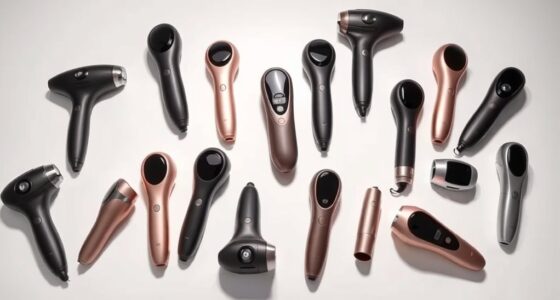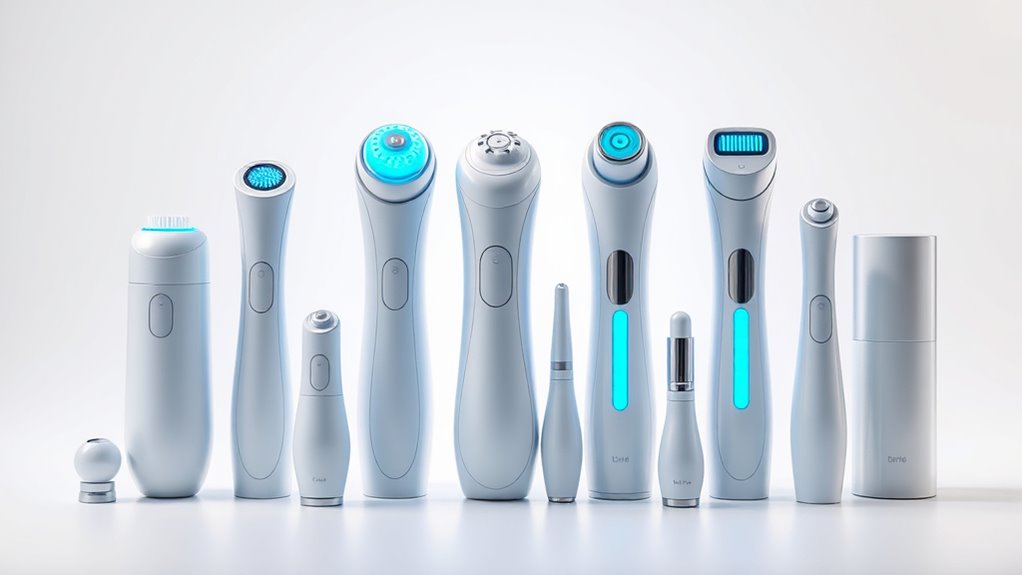

Blue light acne therapy devices range from compact spot-treatment wands to full-face masks, and the best fit depends on whether you want targeted coverage or a hands-free routine. My best overall pick is the LightStim for Acne LED Light Therapy Device, a focused option for treating individual breakout areas. For broader coverage, the Aphrona Moonlight LED Facial Mask stands out for its high LED-chip count, while the Solawave Bye Acne suits shoppers seeking a portable face-and-body device. The main tradeoffs are treatment area, device format, and whether added light modes matter for your routine. Read on for how all 13 options compare and which buyers each one suits.

Get your wardrobe favorites delivered free with Prime
- Fast, free delivery on millions of items
- Prime Video, Amazon Music and more included
- Member-only deals all year
Key Takeaways
- Wands and masks solve different problems: LightStim and the reVive spot devices focus treatment on individual areas, while the Aphrona and other masks are designed for broader facial coverage.
- LED count alone does not settle the choice: Aphrona lists 450 LED chips and VogueNow lists 280, but fit, coverage, and how consistently you can use a device also shape its practical value.
- Blue light is the acne-focused feature in this lineup: Multi-mode devices add red, near-infrared, or yellow light, but those extra modes do not automatically make a device a better acne pick.
- FDA-cleared labeling appears across several formats: It may help narrow options, but shoppers should still check the intended use, instructions, and whether a device suits their skin-care routine.
- Convenience is a deciding factor: A hands-free mask may suit someone treating several areas at once, while a small wand can be easier to store and direct at occasional breakouts.
| VogueNow LED Light Therapy Mask – FDA-Cleared Red, Blue & Near Infrared Facial Skincare Device with 280 LEDs |  | Best Full-Face Coverage | Number of LEDs: 280 | Light modes: Red, blue, near infrared | Coverage: Full face, chin, and lip area | VIEW ON AMAZON | See Our Full Breakdown |
| reVive Light Therapy Glo Acne Wand |  | Best for Portable Spot Treatment | Light wavelengths: Blue and red; exact wavelengths not specified | Recommended use: 3 minutes per area | Power source: Battery-powered | VIEW ON AMAZON | See Our Full Breakdown |
| Solawave Bye Acne Red and Blue Light Therapy Device for Face and Body |  | Best for Face-and-Body Spot Care | Blue wavelength: 415 nm | Red wavelength: 630 nm | LEDs: 24 | VIEW ON AMAZON | See Our Full Breakdown |
| NEWKEY 4D LED Red and Blue Light Therapy Face Mask for Skin Rejuvenation and Acne |  | Best Wired Full-Face Mask | Wavelengths: Red 630 nm; blue 465 nm | LED chips: 450 | Light-emitting chips: 150 | VIEW ON AMAZON | See Our Full Breakdown |
| LightStim for Acne LED Light Therapy Device |  | Best Long-Warranty Pick | LED count: 36 | Blue wavelength: 415 nm | Red wavelength: 630 nm | VIEW ON AMAZON | See Our Full Breakdown |
| Blue Light Therapy Wand for Acne Spot Treatment |  | Best for Cordless Spot Treatment | Light type: Blue LED | Power source: Battery-operated | Treatment areas: Face, neck, and other areas | VIEW ON AMAZON | See Our Full Breakdown |
| Aphrona FDA Cleared Moonlight LED Facial Mask Skin Care Mask with 450 LED Chips |  | Best Hands-Free Mask | LED chips: 450 high-purity (99%) narrow-spectrum chips | Blue wavelength: 415 nm ± 5 nm | Red wavelength: 630 nm ± 5 nm | VIEW ON AMAZON | See Our Full Breakdown |
| reVive Light Therapy Lux Collection Spot Acne Device, Black |  | Best Compact Dual-Light Wand | Color: Black | Blue light: 415 nm | Red light: 630 nm | VIEW ON AMAZON | See Our Full Breakdown |
| BONTANNY Blue/Yellow Light Therapy Device with 3 Wavelengths, Remote Control, Timer, 60 Dual Chip LEDs, for Face and Body |  | Best for Broad Face-and-Body Coverage | Wavelengths: 450 nm, 480 nm, and 590 nm | LED count: 60 dual-chip LEDs | Irradiance: 120 mW/cm² at 6 inches | VIEW ON AMAZON | See Our Full Breakdown |
| FDA-Cleared Blue Light Therapy Mask for Mild-to-Moderate Acne |  | Best for a Defined Acne Routine | Intended use: Mild-to-moderate inflammatory acne | Blue wavelength: 415 nm | Other wavelengths: 590 nm amber, 630 nm red, and 850 nm near-infrared | VIEW ON AMAZON | See Our Full Breakdown |
| Red Light Therapy Mask for Face, Wireless LED Mask, FDA Cleared, 4 Light Modes, 660nm Red & 850nm Near Infrared Light, Anti-Aging & Acne | 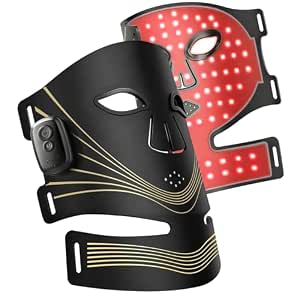 | Best for Face-and-Neck Coverage | Light modes: Red, blue, yellow, and infrared | LED configuration: 104 LEDs and 416 light chips | Coverage: Full face and neck | VIEW ON AMAZON | See Our Full Breakdown |
| Red Light Therapy for Face, FDA-Cleared Blue Light Mask for Acne |  | Best for Defined Acne Sessions | Light wavelengths: 415 nm blue, 630 nm red, 850 nm near-infrared, and 590 nm amber | LED chips: 432 | Power density: 40 mW/cm² | VIEW ON AMAZON | See Our Full Breakdown |
| reVive Light Therapy Clinical Acne Device, Red and Blue Light Wand |  | Best for Targeted Spots | Light wavelengths: 415 nm blue and 630 nm red | Light type: Non-UV LED | Session time: Three minutes per area | VIEW ON AMAZON | See Our Full Breakdown |
More Details on Our Top Picks
VogueNow LED Light Therapy Mask – FDA-Cleared Red, Blue & Near Infrared Facial Skincare Device with 280 LEDs
The VogueNow mask makes the most sense for someone who wants blue-light acne care across the face rather than a spot-by-spot routine. Its 280 LEDs cover the face, chin, and lip area, while the blue mode is paired with red and near-infrared modes for a broader skincare routine. Compared with the Solawave Bye Acne, which treats one area at a time, this mask is better suited to broader coverage but offers less precision for an isolated blemish. Its wireless, lightweight design can make regular at-home sessions easier to fit into a routine. The tradeoff is that it still calls for consistent use, and the supplied details do not establish long-term results. I would skip it if you want a simple, focused acne-only device.
Pros:- 280 LEDs provide full-face coverage, including the chin and lip area.
- Blue mode is joined by red and near-infrared modes for a broader skincare routine.
- Wireless and lightweight design supports at-home use.
- Two-year warranty is specified.
Cons:- A mask is less precise than a handheld device for treating individual spots.
- Visible results require regular use.
- Long-term effectiveness details are limited.
Best for: People who want hands-free, full-face blue-light coverage that includes the chin and lip area, alongside additional light modes.
Not ideal for: Buyers treating only a few isolated blemishes or seeking a compact spot device; a handheld option such as the Solawave Bye Acne is more targeted.
- Number of LEDs:280
- Light modes:Red, blue, near infrared
- Coverage:Full face, chin, and lip area
- Design:Wireless and lightweight
- Warranty:2 years
- FDA status:FDA-cleared, as stated in the product title
Our verdict“Choose VogueNow if you want broad, hands-free face coverage; choose a handheld device if your acne treatment is mainly spot-focused.”
reVive Light Therapy Glo Acne Wand
The reVive Glo Acne Wand is the straightforward pick for buyers who want to treat selected areas without wearing a mask. Its cordless, battery-powered handheld design is easy to maneuver at home or on the go, and the guidance of three minutes per area gives each spot a defined session. Unlike the VogueNow mask, which covers the face, chin, and lips at once, this wand lets you focus attention on specific areas but requires repeated placement if you have several blemishes. It combines blue and red light and is described as FDA-cleared. The tradeoff is practical: battery and charging details are not provided, and the area-by-area routine can take longer than using a full-face mask. I would favor it for portability, not broad coverage.
Pros:- Cordless handheld form is easy to carry and position.
- Blue and red light are combined in one device.
- Three-minute guidance gives each treated area a defined session.
- Described as FDA-cleared.
Cons:- Each area must be treated separately, making broad coverage time-consuming.
- Battery and charging details are not specified.
- The product information does not state an LED count or wavelength values.
Best for: People who want a cordless device for treating a few specific facial areas at home or while traveling.
Not ideal for: Anyone wanting a hands-free treatment across the whole face, or a buyer who needs clearly specified charging and battery information.
- Light wavelengths:Blue and red; exact wavelengths not specified
- Recommended use:3 minutes per area
- Power source:Battery-powered
- Design:Handheld and cordless
- FDA status:FDA-cleared
Our verdict“Pick the reVive Glo Wand for portable, targeted sessions, but choose a mask such as VogueNow for broader face coverage.”
Solawave Bye Acne Red and Blue Light Therapy Device for Face and Body
The Solawave Bye Acne stands out among these handheld options because its stated use includes both the face and body. It specifies 415 nm blue light and 630 nm red light, with a silicone seal designed to direct the treatment against the skin. A three-minute cycle with auto shut-off gives each area a consistent session; compared with the reVive Glo Acne Wand, Solawave provides more detail about wavelengths, charging, and treatments per charge. Its collapsible grip and storage bag also make it easier to pack than a full-face mask such as NEWKEY. The compromise is coverage: it treats one area at a time, so larger zones require repeated sessions. I would choose it for targeted face-and-body use, not fast full-face treatment.
Pros:- Specifies 415 nm blue and 630 nm red wavelengths.
- Use areas include face and body.
- Three-minute treatment cycle has auto shut-off.
- Collapsible grip, USB charging, and included storage bag support portability.
Cons:- Treats one area at a time, which can make larger treatment zones slow.
- Consistent use is required.
- The supplied details do not specify an FDA clearance.
Best for: People who want a rechargeable spot device for individual blemishes on the face or body and value specified wavelengths and session timing.
Not ideal for: Buyers who want simultaneous full-face coverage or need to treat large areas quickly; a mask such as NEWKEY better fits that routine.
- Blue wavelength:415 nm
- Red wavelength:630 nm
- LEDs:24
- Treatment time:3 minutes per area
- Auto shut-off:Yes
- Charging time:2 hours via USB
- Treatments per charge:20
- Use areas:Face and body
- Included accessories:USB cable and storage bag
Our verdict“Choose Solawave for portable, timed spot care on the face or body, not for hands-free full-face treatment.”
NEWKEY 4D LED Red and Blue Light Therapy Face Mask for Skin Rejuvenation and Acne
The NEWKEY 4D mask is the full-face choice for buyers who prefer a timed, wired setup over moving a handheld device from spot to spot. Its 450 LED chips, 4D ergonomic contour, and 10-minute auto shut-off are intended to support a consistent face-wide session. The specified 630 nm red and 465 nm blue wavelengths give buyers more wavelength detail than the reVive Glo wand, whose exact values are not supplied. Compared with the wireless VogueNow mask, NEWKEY trades portability for a wired connection and lists an irradiance figure. Its broader coverage may suit a full-face routine, but the cord limits where it can be used, and the product information notes possible discomfort for sensitive skin during longer sessions. I would skip it if portability or spot-level precision matters most.
Pros:- 450 LED chips provide full-face mask coverage.
- Specifies 630 nm red and 465 nm blue wavelengths.
- 10-minute auto shut-off sets a defined treatment session.
- Wired power avoids reliance on a battery during use.
Cons:- The wired connection limits portability and where it can be used.
- Visible results require regular use over weeks.
- Prolonged sessions may be uncomfortable for sensitive skin.
Best for: People who want a wired, full-face mask with specified red and blue wavelengths and a timed session.
Not ideal for: Travelers, buyers who prefer cordless use, or people with sensitive skin who may find longer mask sessions uncomfortable.
- Wavelengths:Red 630 nm; blue 465 nm
- LED chips:450
- Light-emitting chips:150
- Irradiance:75 mW/cm²
- Design:4D ergonomic contour
- Power:Wired connection
- Treatment time:10 minutes
- Auto shut-off:Yes
Our verdict“Choose NEWKEY for a timed, wired full-face routine, but pick a handheld device if you need portability or precise spot treatment.”
LightStim for Acne LED Light Therapy Device
The LightStim for Acne is a targeted handheld device for buyers who value a clearly stated acne-use clearance and a longer warranty. It combines 415 nm blue and 630 nm red light, with 36 LEDs, and calls for moving to the next area after three minutes. That makes it a more deliberate spot-treatment routine than the VogueNow mask, which covers the face, chin, and lips in one wearable format. Compared with Solawave Bye Acne, LightStim lists a five-year warranty and says it needs no cartridge or battery replacements, while Solawave provides USB charging and a stated number of treatments per charge. LightStim’s main drawback is the repeated repositioning: it is a poor fit for anyone who wants broad coverage in one session.
Pros:- Combines 415 nm blue and 630 nm red light.
- FDA-cleared for mild to moderate acne, according to the product data.
- Five-year warranty is specified.
- No cartridge or battery replacements required.
Cons:- Requires repositioning after every three-minute area session.
- Handheld spot treatment is less convenient for broad face coverage than a mask.
- The supplied details do not list a charging method or treatment count per charge.
Best for: Buyers seeking a handheld device described as FDA-cleared for mild to moderate acne, with specified wavelengths and a five-year warranty.
Not ideal for: People who want hands-free full-face treatment or need to cover many areas quickly, since the device must be repositioned every three minutes.
- LED count:36
- Blue wavelength:415 nm
- Red wavelength:630 nm
- Treatment interval:Move to each area after 3 minutes
- FDA status:Cleared for mild to moderate acne
- Warranty:5 years
- Manufactured in:USA
- Replacement needs:No cartridge or battery replacements required
Our verdict“Choose LightStim for specified acne clearance and a long warranty if you are comfortable treating one area at a time.”
Blue Light Therapy Wand for Acne Spot Treatment
This wand makes the most sense for someone treating a few areas at a time rather than covering the whole face. Its compact, battery-operated design avoids a cord during use, and the stated treatment areas include the face, neck, and elsewhere on the body. Unlike the Aphrona Moonlight LED Facial Mask, it offers no hands-free coverage, so you must move it across the skin yourself. The routine is also relatively time-intensive: sessions run 10–20 minutes, repeated two to three times weekly. That may suit a patient spot-treatment routine, but it is a drawback if you want a short, evenly applied facial session. Product details specify blue LED light but do not give a wavelength or irradiance, leaving less information for comparing treatment output.
Pros:- Cordless battery operation supports treatment away from an outlet
- Portable handheld format is easy to store
- Can be used on the face, neck, and other areas
Cons:- Requires manually moving the device rather than treating the full face at once
- Sessions last 10–20 minutes and need repeating several times a week
- Product details do not specify wavelength or irradiance
Best for: People who want cordless, localized blue-light treatment for occasional facial or neck breakouts and are willing to move the wand by hand.
Not ideal for: Buyers who want hands-free treatment across the full face, short sessions, or detailed wavelength and output specifications.
- Light type:Blue LED
- Power source:Battery-operated
- Treatment areas:Face, neck, and other areas
- Suggested session:10–20 minutes
- Suggested frequency:2–3 times a week
- Design:Handheld and compact
Our verdict“Choose this wand for portable, manually applied spot care, but pick the Aphrona mask if you want hands-free facial coverage.”
Aphrona FDA Cleared Moonlight LED Facial Mask Skin Care Mask with 450 LED Chips
The Aphrona stands out for buyers who want a mask format with acne-focused blue light alongside red light for broader skincare use. Its 415 nm blue LEDs provide a stated wavelength, while the 450-chip array is designed to cover more of the face than a spot wand such as the reVive Lux Collection Spot Acne Device. That wider, hands-free approach can make treating the face less fiddly, though it is not as targeted for a single blemish. Treatment time is adjustable from 5 to 50 minutes, with a 15-minute default; flexibility is useful, but a long possible session may not suit people seeking a quick routine. The device is FDA 510(k) cleared and UV-free, yet the product description cautions that consistent use is needed and severe skin conditions may respond less well.
Pros:- Specifies 415 nm blue and 630 nm red wavelengths
- 450-chip mask design offers broader facial coverage than a spot wand
- Adjustable treatment duration from 5 to 50 minutes
- FDA 510(k) cleared and described as UV-free
Cons:- A mask is less targeted for individual blemishes than the reVive Lux wand
- Visible results depend on consistent use
- The adjustable range includes sessions that may feel lengthy
Best for: People seeking a hands-free facial mask with specified blue and red wavelengths and adjustable session length for a consistent home routine.
Not ideal for: People who only need to treat a few isolated spots, want a very quick fixed routine, or are seeking care for severe acne.
- LED chips:450 high-purity (99%) narrow-spectrum chips
- Blue wavelength:415 nm ± 5 nm
- Red wavelength:630 nm ± 5 nm
- Energy output:30–80 mW/cm²
- Treatment duration:5–50 minutes
- Default treatment duration:15 minutes
- FDA status:FDA 510(k) cleared
Our verdict“Pick the Aphrona for hands-free facial coverage and adjustable sessions, not for pinpoint treatment or a short, fixed routine.”
reVive Light Therapy Lux Collection Spot Acne Device, Black
For a buyer who wants to target small areas without carrying a full mask, the Lux Collection is the most travel-oriented option in this group. Its lipstick-sized rechargeable body and ¾-inch triangular head are suited to placing light over individual blemishes, not sweeping across the whole face. That makes it more precise than the Aphrona Moonlight mask for spot work, while the mask is the more practical choice for broader, hands-free coverage. The Lux also offers 415 nm blue and 630 nm red modes, giving it more wavelength detail than the basic Blue Light Therapy Wand, whose listing does not specify a wavelength. The tradeoff is clear: a small treatment head means you must work spot by spot, and the product data does not state session length, frequency, or irradiance.
Pros:- Lipstick-sized design is suited to travel and compact storage
- ¾-inch triangular head targets small areas
- Offers blue 415 nm and red 630 nm modes
- Rechargeable battery with USB charging cord included
Cons:- Small head is inefficient for treating broad facial areas
- Manual spot treatment requires moving the device between blemishes
- Product details do not specify session duration, frequency, or irradiance
Best for: Travelers and people treating a small number of facial blemishes who want a rechargeable, dual-mode handheld device.
Not ideal for: People seeking full-face coverage, hands-free sessions, or published treatment timing and irradiance details.
- Color:Black
- Blue light:415 nm
- Red light:630 nm
- Head width:¾ inch
- Power:Rechargeable battery
- Included:USB charging cord and user guide
- Design:Compact handheld wand
Our verdict“Choose the Lux for portable, targeted dual-light care; choose the Aphrona mask for broader facial treatment.”
BONTANNY Blue/Yellow Light Therapy Device with 3 Wavelengths, Remote Control, Timer, 60 Dual Chip LEDs, for Face and Body
BONTANNY takes a different approach from the masks and spot wands: its 14 x 12-inch coverage area is aimed at treating a broad region, including the body, rather than placing light on one blemish. It lists 450 nm, 480 nm, and 590 nm wavelengths, but does not list the 415 nm blue wavelength specified by the Aphrona Moonlight mask and the FDA-Cleared Blue Light Therapy Mask. That difference matters for shoppers comparing devices specifically for blue-light acne treatment, so I would not rank it as the most directly acne-focused choice here. Remote control and an adjustable timer add convenience for larger sessions, while the 1.8-meter cord and lack of an included battery mean it is tied to a powered home setup. Its broad coverage is useful, but less precise for isolated spots.
Pros:- 14 x 12-inch coverage area suits broader face and body sessions
- Remote control and adjustable timer simplify operation
- Lists three wavelengths: 450 nm, 480 nm, and 590 nm
- 60 dual-chip LEDs and stated irradiance of 120 mW/cm² at 6 inches
Cons:- Does not list the 415 nm blue wavelength specified by the Aphrona mask and FDA-cleared acne mask
- Requires an external power source; battery is not included
- Broad panel format is less suited to pinpoint spot treatment
Best for: Home users who want a larger treatment area for face or body and value remote operation and adjustable timing over pinpoint acne treatment.
Not ideal for: Buyers specifically seeking a listed 415 nm acne wavelength, a portable cordless device, or precise treatment of individual blemishes.
- Wavelengths:450 nm, 480 nm, and 590 nm
- LED count:60 dual-chip LEDs
- Irradiance:120 mW/cm² at 6 inches
- Beam angle:60 degrees
- Coverage area:14 x 12 inches
- Device size:13.2 x 8.7 x 2.4 inches
- Power cord length:1.8 meters
- Battery:Not included
Our verdict“Choose BONTANNY for broad home coverage and remote controls, but favor a device listing 415 nm if acne-specific blue light is your priority.”
FDA-Cleared Blue Light Therapy Mask for Mild-to-Moderate Acne
This mask is the clearest match for shoppers focused specifically on mild-to-moderate inflammatory acne: it lists 415 nm blue light, a 10-minute session, and use three to five times weekly as directed. The flexible silicone construction and adjustable straps are meant to follow facial contours, while included eye protection addresses a practical concern with face-mounted light devices. Compared with the Aphrona Moonlight mask, it has a shorter stated session and explicitly identifies its acne indication, but its corded controller limits freedom of movement. Amber, red, and near-infrared modes add options beyond blue light; they also make this a broader skincare device rather than a blue-only tool. Its stated maximum irradiance is 35 mW/cm², and the recommended frequency still calls for a regular routine rather than occasional spot use.
Pros:- Lists 415 nm blue light and an intended use for mild-to-moderate inflammatory acne
- Flexible silicone and adjustable straps are designed to follow facial contours
- 10-minute sessions provide a shorter stated routine than the Aphrona mask’s adjustable range
- Includes eye protection and offers amber, red, and near-infrared wavelengths
Cons:- Corded controller restricts movement during treatment
- Recommended schedule requires use three to five times per week
- Intended for mild-to-moderate inflammatory acne, not severe acne
Best for: People with mild-to-moderate inflammatory acne who prefer a flexible, facial mask with a defined 10-minute session and specified weekly schedule.
Not ideal for: People who need cordless use, want to treat only a few spots, or need a device intended for severe acne.
- Intended use:Mild-to-moderate inflammatory acne
- Blue wavelength:415 nm
- Other wavelengths:590 nm amber, 630 nm red, and 850 nm near-infrared
- Light modes:3
- Maximum irradiance:35 mW/cm²
- Session duration:10 minutes
- Recommended frequency:3–5 times per week as directed
- Material and power:Flexible silicone; corded controller
- FDA status:FDA-cleared
Our verdict“Choose this mask for a defined, short-session acne routine, provided a corded controller and regular weekly use fit your habits.”
Red Light Therapy Mask for Face, Wireless LED Mask, FDA Cleared, 4 Light Modes, 660nm Red & 850nm Near Infrared Light, Anti-Aging & Acne
This mask stands out among these three for treating the face and neck together, making it a better fit for buyers who want more coverage than the face-only B0H1WKB9WR mask or the targeted reVive wand. Its four light modes include blue for acne care alongside red, yellow, and infrared options for broader skincare goals. The 104 LEDs and 416 light chips provide high-density coverage, while the wireless remote and timer can make hands-free sessions easier to manage. The tradeoff is that its broad coverage may be more than an acne-only user needs, and the supplied details do not specify a blue-light wavelength or session schedule. A wearable mask can also feel uncomfortable during longer sessions, and visible changes require regular use.
Pros:- Covers the full face and neck rather than the face alone
- Offers four modes, including blue light for acne-focused use
- Wireless remote and timer support hands-free sessions
- FDA-cleared device, according to the supplied product data
Cons:- May feel uncomfortable during extended wear
- Broad multi-mode design may be unnecessary for buyers focused only on acne
- Blue-light wavelength and recommended session frequency are not provided
Best for: Buyers seeking one at-home device for acne-focused care plus full-face-and-neck coverage and several light modes.
Not ideal for: People who want a simple, acne-only spot treatment or who find wearable masks uncomfortable; the reVive wand is more targeted, while this mask covers a larger area.
- Light modes:Red, blue, yellow, and infrared
- LED configuration:104 LEDs and 416 light chips
- Coverage:Full face and neck
- Control:Wireless remote control with timer
- FDA clearance:Yes
- Listed wavelengths:660 nm red and 850 nm near-infrared
Our verdict“Choose this mask if you want hands-free, multi-mode treatment across your face and neck, but pick the reVive wand for focused spots.”
Red Light Therapy for Face, FDA-Cleared Blue Light Mask for Acne
For buyers who want acne care from a wearable mask with a stated routine, this is the most specific option in this group: it lists 415 nm blue light, full-face coverage, and sessions of 10, 15, or 20 minutes. Its medical-grade silicone construction may suit someone who prefers a flexible mask over a rigid device, while the three modes extend its use to fine lines and rejuvenation. Compared with the face-and-neck B0GLYSCMHN, it gives up neck coverage but provides more detail about wavelengths and session length. Compared with the plug-in reVive wand, it treats the whole face rather than isolated areas. The tradeoffs are the need for consistent use several times weekly and the possibility that certain skin conditions make light treatment unsuitable.
Pros:- Lists 415 nm blue light, a wavelength associated with acne-focused use
- Full-face coverage treats multiple facial areas in one session
- Medical-grade silicone offers a flexible mask format
- Provides 10-, 15-, and 20-minute session options
Cons:- Does not cover the neck like the B0GLYSCMHN mask
- Recommended use of three to five times weekly calls for a regular routine
- May not suit people with certain skin conditions
Best for: People with acne across several facial areas who want a flexible, full-face mask and clearly listed session options.
Not ideal for: Buyers seeking neck treatment, a quick spot-focused device, or light therapy without first checking whether it suits their skin condition.
- Light wavelengths:415 nm blue, 630 nm red, 850 nm near-infrared, and 590 nm amber
- LED chips:432
- Power density:40 mW/cm²
- Coverage:Full face
- Material:Medical-grade silicone
- Treatment modes:Anti-acne, anti-fine line, and rejuvenation
- Session duration options:10, 15, or 20 minutes
- Recommended use:Three to five times weekly
- FDA clearance:Yes
Our verdict“Pick this mask if you want full-face acne treatment with a stated blue-light wavelength and session choices, rather than targeted wand treatment.”
reVive Light Therapy Clinical Acne Device, Red and Blue Light Wand
The reVive wand takes a different approach from both masks: its slim, plug-in design is meant for specific areas such as the forehead, cheeks, or chin, with three-minute sessions per area. That makes it a more focused choice for occasional blemishes or buyers who do not want to wear a full-face mask. It lists 415 nm blue and 630 nm red light, matching the acne-focused blue wavelength specified by the B0H1WKB9WR mask, but it does not provide whole-face coverage in a single session. The plug-in power source can supply steady light, though it limits where treatment is convenient. If breakouts span multiple areas, the time spent moving the wand may make this less practical than either wearable mask.
Pros:- Targets specific areas with a slim wand design
- Lists both 415 nm blue and 630 nm red light
- Three-minute sessions per treatment area
- Plug-in power provides steady light delivery
Cons:- Requires access to a power outlet during treatment
- Treats targeted areas rather than the full face
- Multiple blemish areas may require repeated positioning and sessions
Best for: People who want to target a few defined facial areas and prefer a small wand to a wearable full-face device.
Not ideal for: Buyers treating widespread facial acne or seeking cordless, hands-free use; the two masks cover more skin in one session.
- Light wavelengths:415 nm blue and 630 nm red
- Light type:Non-UV LED
- Session time:Three minutes per area
- Design:Slim, targeted wand
- Power:Plug-in
Our verdict“Choose the reVive wand for a few isolated areas and skip it if you need broad, hands-free coverage.”

How We Picked
I ranked these blue light acne therapy devices by how clearly each format fits a real treatment routine: targeted wands for individual blemishes, masks for broader facial coverage, and face-and-body units for shoppers who want more placement flexibility. I also weighed the details provided about light modes, coverage, controls, timers, portability, and FDA-cleared labeling. Those features matter because they affect how easy it is to choose a device that matches a buyer’s intended use, rather than simply adding a longer feature list.
The ranking favors options with a clear acne-treatment role and a practical format, while accounting for tradeoffs such as limited spot coverage or the extra commitment of wearing a mask. Multi-mode and high-chip-count models are not ranked higher just for having more specifications: those details are useful only when they suit the buyer’s needs. Product descriptions do not establish comparative clinical performance, so I avoid treating device claims or LED counts as proof of better results. Buyers should check each product’s current instructions, intended use, and safety guidance before choosing.
Factors to Consider When Choosing Bluelight Acne Therapy Devices
Before choosing a device, decide how you expect to use it. Treatment area, routine fit, and clear instructions are more useful decision points than a long feature list on its own. These broader checks can help prevent mismatches between a device’s format and your acne-care habits.
Match the Coverage to Your Breakouts
A wand concentrates use on selected areas, while a mask is designed to cover a larger part of the face at once. If breakouts are usually limited to a few spots, broad coverage may add bulk without improving convenience. If you want to address several facial areas in a single session, a mask may feel easier than moving a small device from place to place. Check how the product’s instructions define the treatment area rather than assuming its shape guarantees coverage. Face-and-body labeling can be useful, but confirm which body areas are actually addressed in the manual. Choose the format that fits where you plan to use it, not the one with the largest-looking device.
Separate Blue-Light Features From Extra Modes
Several products in this lineup pair blue light with red, near-infrared, or yellow modes. Those additions may broaden a device’s stated skincare uses, but they do not automatically make its acne function stronger. Before paying more or accepting a more complex routine, identify which modes are intended for acne and how the manufacturer says to select them. A single-purpose device can be simpler if acne treatment is your only goal. Multi-mode options make more sense when you are likely to use their other functions and can follow separate instructions for each. Avoid choosing by the number of modes alone.
Check Fit, Comfort, and Session Practicality
A mask only helps if you can wear it as directed, so check its fit, fastening method, visibility, and whether it restricts your preferred activities during a session. A wand avoids face-wide wear but requires you to position it deliberately over treatment areas. Think about storage and setup too: a device that is awkward to retrieve or prepare may be harder to use regularly. Look for clear guidance on session length and frequency before purchase, rather than assuming all light devices follow the same schedule. If a product’s instructions are vague or difficult to access, that is a practical drawback regardless of its feature list. A comfortable, understandable routine is more useful than an ambitious routine you will not maintain.
Read the Intended-Use and Safety Guidance
Terms such as FDA-cleared appear in several product names, but they do not replace reading the device’s intended-use statement and instructions. Confirm the exact product model and what condition or use its labeling covers; similar names do not prove that two devices have the same status. Follow the manufacturer’s directions for eye protection, exposure, and use around other skincare products or medications. If you have a skin condition, take medication that affects light sensitivity, or are unsure whether light treatment is suitable for you, ask a qualified health professional before use. Treat device claims as a starting point for questions, not a promise of results. This check matters especially when product descriptions use broad skincare language.
Decide When More Features Are Worth It
Paying for a mask, remote, timer, multiple wavelengths, or a higher stated LED count makes sense only if that feature solves a problem for you. A timer may make sessions easier to manage, while a remote can help with controls on a mask; neither tells you by itself how well the device fits your acne routine. Higher LED counts are not a direct substitute for clear treatment instructions or a usable fit. Compare what is included with the habits you already have, such as whether you prefer hands-free sessions or targeted use. If you will not use the added functions, a simpler device may be the more sensible choice. Focus on practical value, not the longest specification list.
Set Realistic Expectations for Home Devices
Light devices are one possible part of an acne-care routine, not a guarantee that breakouts will clear. Product descriptions may not provide enough information to compare outcomes across different models, so avoid reading a ranking as proof that one device will work for every skin type. Consider how the device fits alongside your existing skincare, and check whether the manufacturer gives clear guidance about combining products. A device may be a poor match if its required schedule is hard to follow or if you expect it to replace professional care. Persistent, painful, or worsening acne is a reason to seek advice from a qualified clinician. Keep expectations tied to the product’s stated intended use and your own care needs.
Frequently Asked Questions
Should I choose a blue-light wand or an LED mask?
Choose a wand if your breakouts are usually confined to a few spots and you want to target them individually. A mask is a better format when you prefer broader facial coverage in one session. Wands require you to position the device over each area, while masks require a comfortable fit and time wearing the device. Neither format is automatically better for acne, and product instructions should guide how it is used. The deciding factor is which routine you can follow consistently.
Does a higher LED-chip count mean a device will work better?
No single LED-chip count proves that one device will produce better results than another. Counts such as the Aphrona mask’s 450 chips or VogueNow’s 280 describe a product feature, not a direct measure of comparative clinical performance. Treatment area, fit, instructions, and the device’s intended use also matter. Compare the full product information rather than using chip count as a shortcut. If effectiveness claims are unclear, consult the manufacturer’s documentation or ask a qualified health professional.
Are multi-mode devices a better buy than blue-light-only options?
They are only a better fit if you expect to use the added modes and understand what each is intended to do. In this roundup, some devices combine blue light with red, near-infrared, or yellow light, while others focus more directly on acne use. Extra modes can add flexibility, but they can also make the controls and instructions less straightforward. For a buyer focused only on acne, a simpler device may be easier to use. Check the product’s directions to see which mode is intended for your goal.
What should I verify before buying a device labeled FDA-cleared?
Confirm the exact model and read its stated intended use rather than relying only on wording in a product title. Check the manufacturer’s instructions for treatment schedule, safety precautions, and any restrictions relevant to you. A label does not mean that every model works the same way or that it is suitable for every person. If you have a health condition, use medication that may affect light sensitivity, or have questions about safety, ask a clinician before starting. Keep the product documentation so you can follow the directions for that specific device.
Can a light therapy device replace my acne treatment or a dermatologist visit?
Do not assume a home light device can replace treatments recommended for your skin or care from a clinician. The devices here differ in format and stated features, and the product descriptions alone cannot establish how well each will work for an individual. Follow the device instructions and check with a qualified professional about using it alongside prescription products or other treatments. Seek medical advice for persistent, painful, scarring, or worsening acne. A device is best viewed as a possible addition to a care plan, not a guaranteed substitute.
Conclusion
For a focused acne option, my best overall pick is LightStim for Acne; it suits shoppers who want a dedicated device for individual areas rather than a full-face mask. The best value direction is a straightforward spot wand, such as the Blue Light Therapy Wand for Acne Spot Treatment, for buyers who want a simple format without extra modes. For a more feature-rich mask, the Aphrona Moonlight is my premium-style pick for shoppers prioritizing broad facial coverage and a high stated LED-chip count. Beginners who feel unsure about committing to a mask may prefer a compact wand they can direct at specific areas. For face-and-body flexibility, consider the Solawave Bye Acne, but confirm that its instructions match the areas you intend to treat. Choose by coverage and routine fit first, then compare added modes and controls.