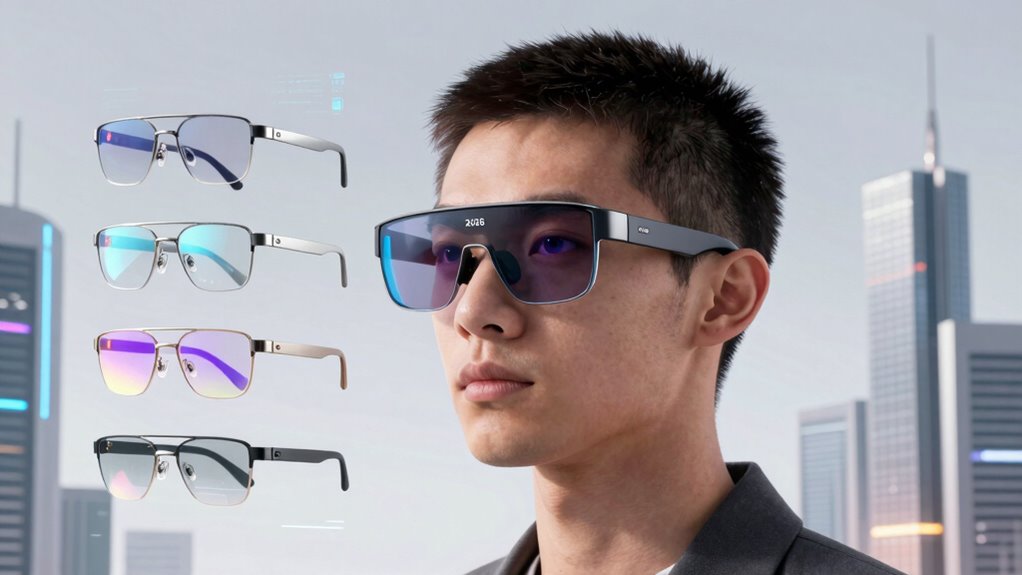

AR smart glasses continue to evolve, blending digital overlays with real-world views to enhance productivity, gaming, or immersive experiences. The best models offer crystal-clear displays, comfortable fit, and seamless connectivity, but tradeoffs often include price, bulk, or limited compatibility. The RayNeo Air 4 Pro Batman Limited Edition stands out for its unique design and immersive visuals, while the VITURE Beast XR delivers impressive display quality at a competitive price. However, choosing between them involves balancing display size, comfort, and feature sets. Continue reading for a detailed comparison of these top AR glasses and find the best fit for your needs.

Get your wardrobe favorites delivered free with Prime
- Fast, free delivery on millions of items
- Prime Video, Amazon Music and more included
- Member-only deals all year
Key Takeaways
- Display quality varies significantly, with some models offering ultra-sharp visuals while others prioritize portability.
- Comfort and fit are critical for extended use, yet many high-performance glasses remain bulky or heavy.
- Price ranges widely, making value a key consideration depending on feature needs and budget.
- Compatibility with devices and software ecosystems influences usability and future-proofing.
- Tradeoffs often exist between immersion (larger displays, 6DoF) and ease of wear or affordability.
| RayNeo Air 4 Pro Batman Limited Edition (Justice Edition) AR/XR Glasses |  | Best for Fans of Cinematic Immersion and Limited Editions | Edition: Justice Edition | Brightness: 1200 nits | AI HDR Conversion: Yes | VIEW ON AMAZON | See Our Full Breakdown |
| VITURE Beast XR/AR Glasses: 174″ 1200p, 58°FOV |  | Best for Large-Scale, Versatile XR Experiences | Display Size: 174 inches | Resolution: 1200p per eye | Field of View: 58° | VIEW ON AMAZON | See Our Full Breakdown |
| XREAL 1S AR Glasses, 500″ Virtual Screen, Powered by X1 Chip, Native 3DoF |  | Best for On-the-Go Lifelike AR Entertainment | Display Size: 500 inches | Refresh Rate: 120Hz | Optical Engine: Redesigned for 9% clarity boost | VIEW ON AMAZON | See Our Full Breakdown |
| VITURE Luma Ultra XR/AR Glasses, 152” Ultra Sharp Display, 1500 Nits, 6DoF |  | Best for Full 6DoF Multi-Device XR Engagement | Display Resolution: 1200p (4K-like) | Display Size: 152 inches | Brightness: 1500 nits | VIEW ON AMAZON | See Our Full Breakdown |
| XREAL One Pro AR Glasses with X1 Chip, 171″ 120Hz FHD Display, Native 3 DoF |  | Best for Versatile Indoor and Outdoor AR with Adjustable Tints | Display Technology: Sony Micro-OLED | Display Size: 171 inches | Refresh Rate: 120Hz | VIEW ON AMAZON | See Our Full Breakdown |
| Rokid Max2 Black AR Glasses with 215″ Micro-OLED Display |  | Best for Immersive Visuals on a Lightweight Platform | Display: Micro-OLED, 215″ virtual screen | Field of View: 50° | Brightness: 600 nits | VIEW ON AMAZON | See Our Full Breakdown |
| ar smart glasse | Brightness | Display Size | Refresh Rate | Audio |
|---|---|---|---|---|
| RayNeo Air 4 Pro Batman Limite | 1200 nits | — | — | Quad-speaker system by Bang & Olufsen |
| VITURE Beast XR/AR Glasses: 17 | 1250 nits | 174 inches | 120 Hz | — |
| XREAL 1S AR Glasses | — | 500 inches | 120Hz | Bose tuned, open-ear |
| VITURE Luma Ultra XR/AR Glasse | 1500 nits | 152 inches | — | Open-ear, immersive |
| XREAL One Pro AR Glasses with | 700 nits | 171 inches | 120Hz | — |
| Rokid Max2 Black AR Glasses wi | 600 nits | — | 120Hz | — |
More Details on Our Top Picks
RayNeo Air 4 Pro Batman Limited Edition (Justice Edition) AR/XR Glasses
This limited edition Batman-themed AR glasses stand out for their striking matte Bat Shade design and high-brightness HDR10 display, delivering vivid visuals that are perfect for immersive media. Compared to the VITURE Luma Ultra, they prioritize cinematic quality with HDR conversion and premium Bang & Olufsen audio, but their limited edition status likely means a higher price and a niche appeal. While they excel in visual fidelity and audio, their bulkiness and specialized design make them less suitable for everyday use or prolonged wear. This pick is ideal for die-hard Batman fans or collectors seeking a high-performance, themed AR experience.
Pros:- Limited edition design with a sleek matte Bat Shade
- Advanced AI features for immersive media experience
- Premium audio quality with Bang & Olufsen speakers
- High brightness and HDR support for clear visuals in dark environments
Cons:- Likely high price due to limited edition status
- Potentially bulky or specialized for dedicated fans
Best for: Batman enthusiasts seeking a premium, immersive AR experience with cinematic visuals and sound.
Not ideal for: Casual users or those wanting a versatile, everyday AR glasses without a specialized design or high cost.
- Edition:Justice Edition
- Brightness:1200 nits
- AI HDR Conversion:Yes
- 3D Content Transformation:Yes
- Audio:Quad-speaker system by Bang & Olufsen
- Display Technology:HDR10
- Chip:Vision 4000
Our verdict“This AR glasses set suits serious Batman fans who want cinematic quality and premium audio in a collector’s edition.”
VITURE Beast XR/AR Glasses: 174″ 1200p, 58°FOV
The VITURE Beast XR glasses are distinguished by their massive 174-inch virtual display and a wide 58° field of view, making them ideal for immersive gaming and productivity. Unlike the XREAL 1S, which emphasizes portability and comfort, these prioritize a giant, vivid visual experience and include smart features like auto transparency and screen customization that do not depend on external software. Their high brightness and durable aerospace-grade frame support extended outdoor use, but the complex feature set and limited info on battery life introduce some usability challenges. This model is better suited for users who need a large, adaptable XR display for both work and entertainment, willing to navigate its setup complexity.
Pros:- Largest consumer XR display with vivid, edge-to-edge clarity
- Built-in smart features like auto transparency and screen customization
- High brightness and premium audio support outdoor and immersive activities
- Lightweight and durable for all-day wear
Cons:- Complex feature set may require learning curve
- Limited info on battery life and connectivity options
Best for: Power users seeking a large, flexible XR display for gaming, professional tasks, or extended entertainment sessions.
Not ideal for: Light users or those preferring compact, ultra-portable glasses for quick tasks or casual use.
- Display Size:174 inches
- Resolution:1200p per eye
- Field of View:58°
- Refresh Rate:120 Hz
- Brightness:1250 nits
- Frame Material:Aerospace-grade aluminum-magnesium alloy
- Size Options:Regular (up to 70 iPD), Large (up to 74 iPD)
Our verdict“This pick makes the most sense for tech-savvy users who want a massive, immersive XR experience with versatile features.”
XREAL 1S AR Glasses, 500″ Virtual Screen, Powered by X1 Chip, Native 3DoF
The XREAL 1S offers a remarkable 500-inch virtual screen with a 120Hz refresh rate, ideal for portable entertainment like movies and games. Its optical engine has been redesigned for 9% better clarity, and the Bose open-ear audio enhances immersive sound without blocking outside noise. Compared to the XREAL One Pro, it sacrifices some tracking capabilities by sticking to 3DoF unless paired with the XREAL Eye for 6DoF, which could limit spatial accuracy. Its reliance on connection to a USB-C device makes it less flexible for standalone use, but it’s lightweight and straightforward for quick, immersive viewing. This model is perfect for users who prioritize portability and high-quality visuals over full spatial tracking.
Pros:- Impressive 500-inch virtual screen for portable entertainment
- High refresh rate with smooth visuals at 120Hz
- Open-ear Bose audio for immersive sound without noise isolation
- Lightweight and easy to wear for extended periods
Cons:- Requires connection to a USB-C DP-enabled device, limiting portability
- Limited to 3DoF spatial tracking unless paired with additional hardware
Best for: Mobile users seeking an immersive, large virtual display for quick entertainment on compatible devices.
Not ideal for: Users requiring full 6DoF tracking or standalone operation without external hardware.
- Display Size:500 inches
- Refresh Rate:120Hz
- Optical Engine:Redesigned for 9% clarity boost
- Audio:Bose tuned, open-ear
- Connectivity:USB-C DP-enabled device
- Weight:Approx. lightweight
Our verdict“This AR glasses suit users who want a large virtual screen that’s easy to carry but are okay with limited tracking features unless paired with extra hardware.”
VITURE Luma Ultra XR/AR Glasses, 152” Ultra Sharp Display, 1500 Nits, 6DoF
The VITURE Luma Ultra stands out with its 152-inch Ultra Sharp display powered by Sony Micro-OLED panels and a stunning brightness of 1500 nits, making it highly visible even in bright outdoor settings. Its support for full 6DoF, hand gestures, and multi-screen functionality, along with compatibility across iOS and gaming consoles, positions it as a versatile, high-end XR device. Compared to the XREAL One Pro, it offers more advanced spatial tracking and multi-device support, but this complexity can introduce a steeper learning curve and setup time. The open-ear audio and sleek translucent design cater to users seeking immersive, multi-purpose XR experiences in both gaming and productivity contexts.
Pros:- Ultra-sharp 152-inch virtual display with high brightness
- Supports full 6DoF and hand gesture control
- Compatible with multiple devices including iOS and gaming consoles
- Open-ear audio for immersive, noise-aware sound
Cons:- Complex setup process may be challenging for some
- Heavier build may cause discomfort during prolonged use
Best for: Power users and professionals wanting full 6DoF interaction and multi-device support for gaming, work, or creative tasks.
Not ideal for: Casual users or those preferring simple, plug-and-play AR glasses without complex setup or multi-functionality.
- Display Resolution:1200p (4K-like)
- Display Size:152 inches
- Brightness:1500 nits
- Support:6DoF, hand gestures, multi-screen
- Connectivity:USB-C, multi-device support
- Audio:Open-ear, immersive
Our verdict“Ideal for tech-savvy users demanding precise 6DoF tracking and multi-device compatibility for immersive XR engagement.”
XREAL One Pro AR Glasses with X1 Chip, 171″ 120Hz FHD Display, Native 3 DoF
The XREAL One Pro offers a 171-inch virtual display with a 120Hz refresh rate, powered by Sony Micro-OLED technology, and features the XREAL X1 chip for smooth performance. Its adjustable electrochromic lens tint enhances outdoor usability, making it a versatile choice for both indoor entertainment and outdoor visibility. While it provides high-quality visuals and Bose audio, it relies on compatible USB-C devices for full functionality, similar to the XREAL 1S, but with added features like adjustable tint and optional 6DoF tracking. It suits users who need a flexible AR device capable of outdoor use and high immersion, but the heavier weight and setup complexity might be drawbacks for some.
Pros:- Immersive 171-inch virtual screen with 120Hz refresh rate
- Adjustable electrochromic lens tint for outdoor use
- High-quality Bose audio integrated into design
- Supports native 3DoF with optional 6DoF tracking
Cons:- Requires compatible USB-C device, limiting standalone use
- Potentially heavier for extended wear depending on fit
Best for: Outdoor enthusiasts and multi-purpose users seeking a large, versatile AR display with adjustable tint and good audio.
Not ideal for: Casual users or those seeking a lightweight, purely portable AR device without outdoor features.
- Display Technology:Sony Micro-OLED
- Display Size:171 inches
- Refresh Rate:120Hz
- Field of View:57°
- Brightness:700 nits
- Tracking:Native 3DoF, optional 6DoF
- Connectivity:USB-C
Our verdict“Best suited for users needing adaptive outdoor AR experiences combined with large virtual displays and good audio support.”
Rokid Max2 Black AR Glasses with 215″ Micro-OLED Display
The Rokid Max2 stands out for its huge 215-inch virtual display, making it ideal for watching movies or detailed presentations. Compared with the XREAL One Pro, which offers native 3DoF and a slightly smaller 171″ display, the Max2 provides a larger, more immersive experience—though it sacrifices some versatility in tracking. Its lightweight design at just 75 grams means extended wear is feasible without fatigue, a clear advantage over bulkier options. The adjustable myopia correction up to 600 diopters makes it more accessible for users with significant vision needs, unlike many competitors that lack such flexibility. However, its reliance on USB-C compatibility limits use to specific devices, and it doesn’t support correction for astigmatism or presbyopia—potential barriers for some users. Content protection features are limited, which could restrict certain streams or apps. Overall, this pick makes the most sense for those prioritizing large-screen immersion over device versatility or advanced tracking, especially if they own compatible hardware.
Pros:- Enormous 215-inch virtual display enhances immersive viewing
- Lightweight at just 75 grams for extended comfort
- Adjustable for myopia up to 600 diopters, accommodating high prescriptions
Cons:- Does not support correction for astigmatism or presbyopia, limiting usability for some
- Requires compatible devices with USB-C output, reducing flexibility
- Limited to specific content protection features, which may restrict streaming options
Best for: Users seeking a large, immersive viewing experience with minimal weight, especially for media consumption or visual demonstrations on compatible devices.
Not ideal for: Those needing versatile AR applications involving interactive 3D tracking or users with complex vision correction needs beyond simple myopia adjustment.
- Display:Micro-OLED, 215″ virtual screen
- Field of View:50°
- Brightness:600 nits
- Refresh Rate:120Hz
- Weight:75 grams
- Myopia Adjustment:up to 600 diopters
- Power Source:USB-C from compatible devices
- Compatibility:Smartphones, Windows laptops, iPads, Mac, Android phones
Our verdict“This device is ideal for users prioritizing a massive, lightweight virtual screen primarily for media viewing on compatible hardware.”

How We Picked
I evaluated these AR smart glasses based on a combination of key criteria relevant to buyers: display quality, comfort, battery life, connectivity options, and build quality. Performance and usability were prioritized, alongside value for money, especially considering tradeoffs like bulkiness or limited compatibility. The ranking reflects a balance between high-end features and practical usability, ensuring options cater to different user needs—from casual users to professionals and enthusiasts. Each product was compared on its ability to deliver immersive AR experiences without excessive compromise, helping readers identify the best overall, best value, and other specific picks.| ar smart glasse | Audio | Connectivity |
|---|---|---|
| RayNeo Air 4 Pro Batman Limite | Quad-speaker system by Bang & Olufsen | — |
| VITURE Beast XR/AR Glasses: 17 | — | — |
| XREAL 1S AR Glasses | Bose tuned, open-ear | USB-C DP-enabled device |
| VITURE Luma Ultra XR/AR Glasse | Open-ear, immersive | USB-C, multi-device support |
| XREAL One Pro AR Glasses with | — | USB-C |
| Rokid Max2 Black AR Glasses wi | — | — |
Factors to Consider When Choosing Ar Smart Glasses
Choosing the right AR smart glasses involves considering several factors that impact daily use, comfort, and long-term value. It’s important to understand how display quality, comfort, software compatibility, and battery life can influence your experience. Many buyers make the mistake of focusing solely on features without considering fit or ecosystem support, which can lead to dissatisfaction. The right model depends on your primary use—whether for gaming, productivity, or professional applications—and your willingness to invest in higher-end options for better immersion or lighter wear.Display Quality and Size
The clarity, brightness, and size of the display directly affect your AR experience. Larger screens or higher resolutions provide more immersive visuals but often add bulk and weight. Consider how vivid and sharp the display needs to be for your use case—gaming benefits from bigger, brighter screens, while casual or professional tasks may prioritize smaller, more discreet designs. Keep in mind that higher display quality often comes with increased cost and potential battery drain.
Comfort and Fit
Comfort is vital, especially if you plan to wear your AR glasses for extended periods. Bulky or heavy frames can cause fatigue, while lightweight designs improve usability but may sacrifice durability. Adjustable straps, padding, and ergonomics differ widely across models. Skipping comfort considerations can lead to discomfort or even health issues over time, so try to assess weight and fit before purchase, especially if you want to use them daily.
Software Compatibility and Ecosystem
Ensure the glasses are compatible with your devices and preferred platforms. Some models work seamlessly with Android or iOS, while others are tailored to specific ecosystems or enterprise environments. Compatibility influences how easily you can access apps, updates, and integrations, which can extend the lifespan and usability of your glasses. Overlooking this aspect might result in frustration or additional costs for adapters or software workarounds.
Battery Life and Connectivity
Battery life varies from a few hours to all-day use, impacting how practical the glasses are for your daily routines. Look for models that balance power with performance, especially if mobility is a priority. Connectivity options such as Wi-Fi, Bluetooth, or tethering influence setup ease and flexibility. Poor battery life or limited connection capabilities can severely restrict your experience, so match these specs with your intended use.
Price and Long-Term Value
AR glasses span a broad price range, often reflecting their feature set and build quality. Cheaper models may suffice for casual use but often lack durability or advanced features, while premium options deliver richer experiences at a higher cost. Consider the longevity and support offered—investing in a reliable brand can save money over time. Avoid focusing solely on initial cost; instead, weigh features and durability for true value.
Frequently Asked Questions
Can I wear AR smart glasses all day without discomfort?
Wearing AR glasses comfortably for extended periods depends heavily on their weight, fit, and design. Models with lighter frames, adjustable straps, and padding are generally better suited for long-term use. Some glasses incorporate ergonomic features to reduce pressure points, but even the best designs may cause fatigue if worn for many hours. It’s wise to try different models or check reviews focused on comfort before committing to continuous wear.
Are AR smart glasses compatible with multiple devices?
Most AR glasses are designed to work with specific ecosystems, such as Android or iOS, while some target enterprise or specialized platforms. Compatibility hinges on Bluetooth, Wi-Fi, or dedicated app support. If you want seamless integration with your device, verify the manufacturer’s compatibility list and supported operating systems. Overlooking this can lead to setup hassles or limited functionality, especially if you rely on certain apps or hardware accessories.
How much should I expect to pay for quality AR glasses?
Entry-level models can start around a few hundred dollars, suitable for casual use or experimentation. High-end models with features like large displays, 6DoF tracking, and premium build quality can cost upwards of a thousand dollars or more. Your ideal choice depends on your intended use—professional or gaming-grade glasses require a larger investment, while casual or occasional users might find more affordable options sufficient. Remember that more expensive models often offer better durability, software support, and immersion.
Do AR smart glasses work outdoors in bright sunlight?
Display brightness and anti-reflective coatings influence outdoor usability. Models with high luminance (measured in nits) and matte or anti-glare screens perform better in bright conditions. However, even the brightest displays can struggle under direct sunlight, potentially reducing visibility. If outdoor use is a priority, look for glasses explicitly rated for high brightness and check reviews for outdoor performance to avoid disappointment.
What is the typical battery life for AR smart glasses?
Battery life varies significantly, with many models offering between 2 to 8 hours of use on a single charge. Longer battery life is essential if you plan to use the glasses for extended periods without recharging. Some models include quick-charging features or replaceable batteries, which can extend usability. Always match your daily needs with the battery specifications to avoid unexpected power loss during critical tasks or leisure activities.
Conclusion
For most users, the RayNeo Air 4 Pro Batman Limited Edition offers a compelling blend of style, immersive visuals, and versatility, making it the best overall choice. Budget-conscious buyers should consider the VITURE Beast XR for its impressive display at a more accessible price. Professionals or heavy users looking for premium features will find the VITURE Luma Ultra XR or XREAL One Pro appealing due to their advanced tracking and display quality. Beginners or casual users might prefer lighter, simpler models like the XREAL 1S or the Rokid Max2 for ease of use and comfort. Ultimately, your decision should hinge on your primary use, comfort needs, and budget constraints.Halloween Picks
halloween
As an affiliate, we earn on qualifying purchases.