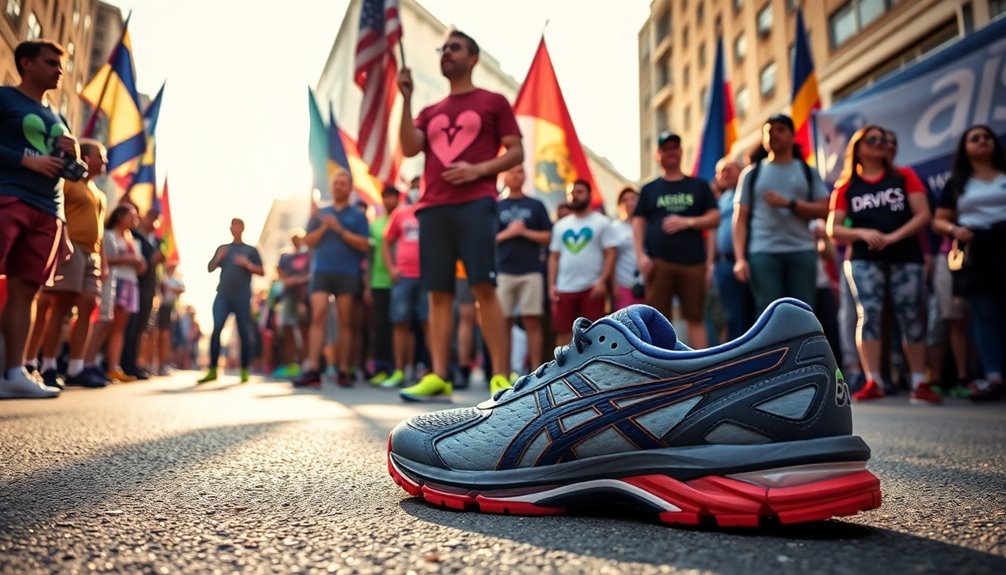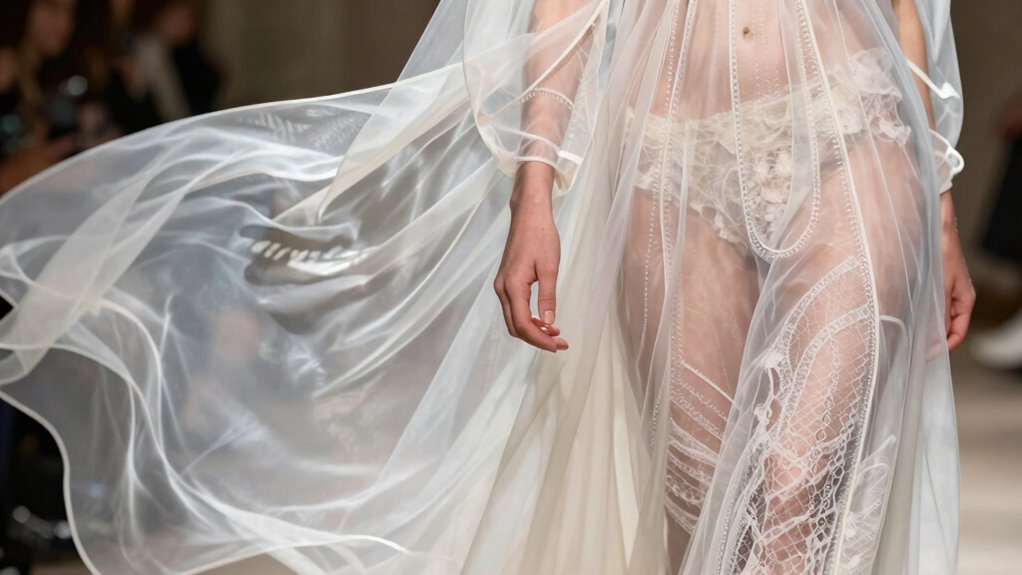

You’ve seen transparency become essential in fashion because consumers now ask for clear details about how products are made, their origins, and environmental impact. Brands respond by sharing supply chains and sustainable practices, building trust and setting new industry standards. Your choices support responsible brands and encourage others to follow suit. This shift in expectations promotes ethical, eco-friendly practices, transforming fashion into a more honest and sustainable industry—if you want to discover how this change continues to unfold, keep exploring.

Get your wardrobe favorites delivered free with Prime
- Fast, free delivery on millions of items
- Prime Video, Amazon Music and more included
- Member-only deals all year
Key Takeaways
- Consumer demand for ethical practices and eco-friendly products has driven transparency to become an industry standard.
- Increased awareness of supply chain issues encourages brands to openly share sourcing and manufacturing processes.
- Social media and digital platforms facilitate consumer access to brand practices, fostering accountability and transparency.
- Regulatory pressures and industry initiatives promote transparency as essential for trust and compliance.
- A shift toward responsible consumption motivates brands to prioritize openness to meet ethical and sustainability expectations.

Have you ever wondered how transparency is transforming the worlds of design and fashion? It’s no longer enough to just create beautiful products; consumers now want to know the stories behind them. They’re increasingly demanding clarity about where materials come from, how they’re made, and whether ethical sourcing is prioritized. This shift isn’t just a trend; it’s becoming an essential part of the industry’s expectations. Brands that embrace transparency build trust and loyalty by openly sharing their supply chains, labor practices, and environmental impact. When you see labels emphasizing sustainable materials, it indicates a commitment to reducing environmental footprints and promoting eco-friendly practices. These materials—like organic cotton, recycled fabrics, or plant-based dyes—are sourced with care, minimizing harm to ecosystems and communities. Your awareness of these aspects influences your purchasing decisions, pushing brands to adopt more responsible methods.
Transparency in design and fashion encourages brands to be honest about their supply chains. You can find brands that openly display their ethical sourcing policies, showing how they ensure fair wages and safe working conditions for artisans and factory workers. This openness holds companies accountable, discouraging exploitative practices that have long plagued the industry. As a consumer, you have the power to support brands that are committed to responsible sourcing by choosing products made with transparency and integrity. This shift also motivates designers to innovate with sustainable materials, seeking eco-conscious alternatives that perform well and look great. When brands communicate their efforts clearly, it elevates the entire industry and sets new standards for accountability. Furthermore, increasing consumer awareness about the importance of sustainable materials encourages brands to prioritize eco-friendly options in their collections. Recognizing the impact of transparent practices can also inspire more brands to adopt ethical sourcing as a core value, leading to systemic change.
By understanding and valuing supply chain transparency, consumers can influence companies to be more open about their manufacturing processes, fostering a culture of accountability. Your role in this transformation is significant. When you prioritize transparency, you send a message that ethical sourcing and sustainable materials matter. You become part of a movement that values honesty and responsibility over superficial luxury. This demand for openness pushes brands to reevaluate their practices, invest in sustainable innovations, and foster transparency throughout their supply chains. Knowing how transparency influences consumer choices helps you make more informed decisions and encourages a shift towards more responsible fashion practices. It also fosters a culture where consumers are more informed and conscious of their choices, ultimately encouraging a more ethical and sustainable industry. Transparency isn’t just a trend—it’s reshaping the way design and fashion operate, emphasizing integrity as much as aesthetics. By supporting brands that value openness, you help create a future where fashion is not only beautiful but also responsible and sustainable.
Popular right now

Dyson Big Ball Multi Floor Canister Vacuum, Yellow

TCL 85-Inch QM6K Series QLED Mini LED 4K HDR Smart Google TV

Bose QuietComfort Headphones (2nd Gen), Wireless Noise-Cancelling Over-Ear Headphones, Eucalyptus Green
As an affiliate, we earn on qualifying purchases.
Frequently Asked Questions
How Has Transparency Influenced Consumer Trust in Fashion Brands?
Transparency enhances your trust in fashion brands by showcasing brand authenticity, making you feel more confident about their values and practices. When brands openly share sourcing, manufacturing processes, and sustainability efforts, your perception shifts positively, fostering loyalty. You’re more likely to support brands that are honest and genuine, which encourages a deeper connection. Transparency therefore directly influences your perception, making you value honesty and integrity in the brands you choose to buy from.
What Materials Are Most Commonly Used in Transparent Fashion Designs?
You’ll find sheer fabrics like chiffon, organza, and tulle most commonly used in transparent fashion designs. Notably, about 60% of designers prioritize fabric transparency for aesthetic appeal. These materials balance fabric durability with transparency, allowing you to showcase craftsmanship while maintaining structure. Mesh fabrics, often made from nylon or polyester, also feature prominently, offering both strength and a see-through effect that aligns with modern, transparent styles.
Are There Cultural Differences in the Acceptance of Transparent Fashion?
Cultural perceptions greatly influence how you accept transparent fashion, with some societies embracing it as bold and empowering, while others see it as inappropriate or provocative. Fashion norms vary worldwide; in more conservative cultures, transparency might be limited or avoided, whereas in more liberal areas, it’s celebrated as a form of self-expression. You should always consider local customs and sensitivities to navigate transparent fashion appropriately and respectfully.
How Do Designers Balance Transparency With Privacy Concerns?
Ironically, designers master the art of balancing transparency with privacy concerns by pushing design innovation while respecting boundaries. You’ll find they use sheer fabrics strategically, revealing just enough to intrigue without overexposing. They innovate with layered or semi-opaque materials, allowing personal privacy to coexist with bold transparency. This delicate dance creates daring yet respectful styles, showcasing how fashion can be provocative without crossing into discomfort, ultimately satisfying both daring audiences and privacy-minded individuals.
What Are the Environmental Impacts of Transparent Fashion Materials?
The environmental impacts of transparent fashion materials can vary, but they often highlight issues like resource use and waste. By choosing sustainable alternatives and supporting eco-friendly manufacturing, you can mitigate these impacts. Transparent materials made from biodegradable or recycled fibers lessen pollution and conserve resources. Opting for brands committed to environmental responsibility ensures your fashion choices promote sustainability and minimize harm to the planet.
Conclusion
As transparency weaves itself into the fabric of design and fashion, it’s like revealing a clear window into authenticity. You’re invited to see beyond the surface, where honesty and openness become the guiding stars. Just as a glass reveals what’s within, transparency invites you to trust, connect, and embrace a world where nothing’s hidden behind opaque walls. In this luminous era, transparency isn’t just a trend—it’s the canvas upon which true style and integrity are painted.