
To spot greenwashing, pay attention to vague claims like “eco-friendly” or “green” without proof. Check if companies provide credible certifications like FSC or USDA Organic, which show verified sustainability efforts. Be cautious of marketing that highlights recycled content or biodegradable options without details. Look for transparent sourcing, third-party reviews, and specific environmental data. If you’re curious about uncovering hidden tricks and making smarter choices, there’s more to discover that can help you identify true sustainability.
Key Takeaways
- Verify claims by checking for credible third-party certifications like FSC, Rainforest Alliance, or USDA Organic.
- Be cautious of vague language such as “eco-friendly” or “green” without supporting evidence or details.
- Research the company’s transparency about sourcing, manufacturing processes, and sustainability practices.
- Look for specific information on recycled content, biodegradability, or compostability on packaging.
- Beware of fake or misleading certifications by confirming their legitimacy through official certification bodies.

Have you ever wondered if a company’s eco-friendly claims are genuine or just marketing spin? It’s a common question, especially as more brands emphasize sustainability in their products and packaging. When you see labels touting “green” or “eco-friendly,” it’s easy to assume they’re doing their part for the environment. But not all claims are created equal. Some companies use greenwashing—deceptive marketing tactics that make their products seem more sustainable than they truly are. To avoid falling for these tricks, you need to understand what to look for, especially regarding sustainable packaging and eco-friendly certifications.
Sustainable packaging is a buzzword often used to appeal to eco-conscious consumers. However, some companies might highlight their use of recycled materials or biodegradable options without providing concrete proof that their packaging genuinely reduces environmental impact. They might use vague language like “eco-friendly” or “green” without backing it up. That’s why it’s *vital* to check whether the packaging actually meets recognized standards. Look for brands that openly disclose their sourcing, recycling processes, and whether their packaging is designed for reuse or compostability. If a company claims to use sustainable packaging, see if they specify the percentage of recycled content or if they have third-party certifications to support their statements.
Eco-friendly certifications serve as a key indicator that a company’s claims are legitimate. Certifications like FSC (Forest Stewardship Council), Rainforest Alliance, or USDA Organic are more than just marketing tools—they are verified standards that ensure the company’s claims are credible. When you see these badges on packaging or company websites, it signals that an independent organization has reviewed their practices and found them to meet specific environmental criteria. However, be cautious; some companies might display fake or misleading certifications. Always verify the authenticity of these labels by visiting the certifying organization’s website or checking their database.
Understanding the difference between genuine eco-friendly practices and greenwashing takes effort, but it’s worth it. Do your research before making a purchase—look beyond the surface and scrutinize the claims. Ask questions like: Are they transparent about their sourcing and manufacturing practices? Do they provide verifiable proof of their certifications? Are their sustainability claims consistent across their marketing materials? Recognizing the signs of greenwashing helps you make informed choices, encouraging companies to adopt honest, sustainable practices instead of superficial marketing. Additionally, considering the drivetrain components of the products you buy can help you identify brands committed to durability and environmental responsibility. By being vigilant, you support brands that truly prioritize environmental responsibility and avoid falling prey to misleading claims.

Honeycomb Packing Paper Roll 12" x 295 FT with Fragile Stickers– Biodegradable Cushioning Wrap for Moving, Shipping & Gift Wrapping – 100% Recyclable, FSC Certified Eco-Friendly Packaging
【Eco-Friendly & FSC Certified】Made from responsibly sourced paper with FSC certification, ensuring sustainable forest management. 100% recyclable, biodegradable,…
As an affiliate, we earn on qualifying purchases.
As an affiliate, we earn on qualifying purchases.
Frequently Asked Questions
How Can Consumers Verify Genuine Eco-Friendly Claims?
To verify genuine eco-friendly claims, you should check eco label authenticity by researching certifications and standards. Be aware of consumer skepticism, and don’t take claims at face value. Look for reputable labels like Fair Trade or USDA Organic, and visit official websites for verification. Also, read product descriptions carefully, and consider third-party reviews. This helps you avoid greenwashing and make truly eco-conscious choices.
What Are Common Tactics Used in Greenwashing?
Think of greenwashing like a wolf in sheep’s clothing. Companies often use eco labels or misleading advertising to hide their true intentions. They might exaggerate their eco-friendly efforts or cherry-pick facts. Watch out for vague claims like “green,” “natural,” or “sustainable” without proof. These tactics aim to paint a false picture of environmental responsibility, convincing you to buy based on misleading promises rather than genuine eco-consciousness.
Are There Legal Standards for Environmental Claims?
Yes, there are legal standards for environmental claims that you should be aware of. Regulatory standards, such as those set by the Federal Trade Commission, require companies to support eco-friendly claims with evidence. Certification processes also play a key role, as independent organizations verify sustainability claims to prevent greenwashing. Always check if a claim is certified or supported by credible standards to make sure you’re not misled by false or exaggerated environmental statements.
How Does Greenwashing Affect Sustainable Brands?
Greenwashing can harm sustainable brands by eroding consumer trust and increasing skepticism. When brands are caught making false or exaggerated environmental claims, it undermines their credibility and damages their reputation. To combat this, you should prioritize corporate transparency, clearly communicate your sustainability efforts, and back claims with verifiable data. This honest approach helps build consumer confidence and differentiates your brand in a competitive market increasingly wary of greenwashing tactics.
What Steps Can Companies Take to Avoid Greenwashing?
Think of your brand as a glass sculpture—fragile yet beautiful. To avoid greenwashing, you must keep it crystal clear through corporate transparency, sharing honest progress and setbacks. Guarantee your eco label authenticity by verifying claims with credible standards and third-party audits. This honesty builds trust like a sturdy foundation, preventing your message from shattering under scrutiny. Stay genuine, communicate openly, and let your eco efforts shine without tricks or illusions.

Bitter Apricot Kernels Organic Raw (1LB) – USDA Organic Certified – Product of Turkey
USDA Certified Organic
As an affiliate, we earn on qualifying purchases.
As an affiliate, we earn on qualifying purchases.
Conclusion
By staying vigilant and questioning vague or exaggerated claims, you can avoid falling for greenwashing. Some might think that all eco-friendly labels are trustworthy, but many are just marketing tricks. Remember, genuine sustainability takes effort and transparency. Don’t be swayed by superficial promises—demand clear evidence of environmental impact. Ultimately, your informed choices push companies to be truly responsible, making a real difference for the planet rather than just improving their image.

Honeycomb Packing Paper Wrap 12"x400' Recycled Cushion Wrapping Roll Eco Friendly Shipping Moving Wrap Biodegradable Packaging Suppliers with 20 Fragile Sticker Labels
Eco-Friendly Packing Supplies: The honeycomb packaging paper is an innovative cushioning kraft paper.Now,more and more mail order/e-commerce use…
As an affiliate, we earn on qualifying purchases.
As an affiliate, we earn on qualifying purchases.
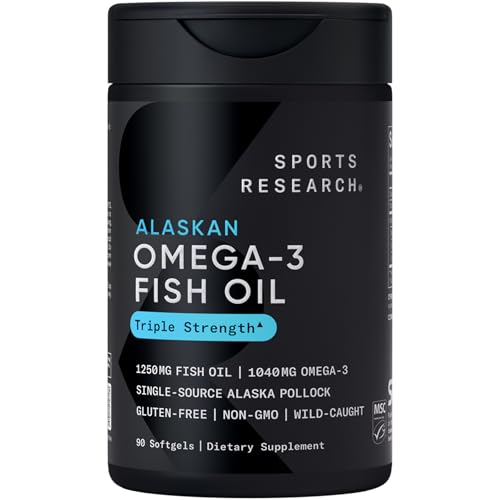
Sports Research® Omega-3 Fish Oil 1250 – Triple Strength Fish Oil Supplement from Wild Alaska Pollock – MSC Certified Sustainable · Non-GMO · Soy Free – 90 Softgel Capsules
ALWAYS FRESH, NEVER FISHY: Say goodbye to fishy aftertaste, burps, and lingering odor. Our Triple Strength Omega-3 Fish…
As an affiliate, we earn on qualifying purchases.
As an affiliate, we earn on qualifying purchases.

Born in Dubai to Pakistani parents, Aisha deeply understands Middle Eastern and South Asian luxury markets. She excels in forging strategic partnerships with top-tier luxury brands worldwide, fostering cross-cultural collaborations that enhance our global presence.