If you’re choosing between glass walls and knife-edge finishes, consider your priorities for style, privacy, and maintenance. Glass walls create an open, modern look and maximize natural light but might need attention for cleaning and privacy with treatments like frosting or tinting. Knife-edge finishes offer a sleek, low-maintenance boundary without privacy solutions. To make the best decision, weigh your needs for openness, privacy, and durability—more details are just ahead to guide you.
Key Takeaways
- Glass walls offer transparency and visual connectivity, while knife-edge finishes provide subtle, minimal boundary definitions.
- Glass requires regular cleaning and is more prone to damage, whereas knife-edge finishes are generally low-maintenance and durable.
- Privacy concerns are higher with glass walls, though frosted or tinted options can mitigate this; knife-edge finishes do not inherently address privacy.
- Glass walls enhance natural light flow and openness, while knife-edge finishes create sleek, defined spaces without transparency.
- Material choice impacts durability, maintenance, and privacy, guiding the decision between glass walls and knife-edge finishes based on needs.

When choosing between glass walls and knife-edge finishes for your space, understanding their distinct aesthetics and functional benefits is essential. Both options offer sleek, modern looks, but they serve different needs and come with unique considerations. Glass walls create an open, airy environment that promotes natural light flow and visual connectivity. However, this openness can raise privacy concerns, especially in shared or confidential areas. If privacy is a priority, you might need to incorporate frosted or tinted glass, which can add to costs and maintenance efforts. On the other hand, knife-edge finishes—characterized by clean, seamless edges—offer a more subtle, refined boundary that can be used to define spaces without sacrificing the minimalist aesthetic. These finishes provide a sleek appearance but don’t necessarily address privacy concerns as effectively as opaque or textured materials might. Additionally, choosing materials with low maintenance needs can significantly impact the overall upkeep and longevity of your installation. Maintenance challenges also differ considerably between the two options. Glass walls require regular cleaning to keep them looking pristine, especially in high-traffic areas where fingerprints, smudges, and dust are inevitable. Maintaining their clarity involves using appropriate cleaning solutions and tools to avoid streaks or scratches, which can be time-consuming. Additionally, glass can be more susceptible to damage, such as chips or cracks, which might require costly repairs or replacements over time. Conversely, knife-edge finishes tend to be easier to maintain, especially if made from materials like metal or painted surfaces that resist fingerprints and stains. Their seamless edges also mean fewer crevices for dirt to accumulate, simplifying cleaning routines. Nonetheless, if the finish involves painted or coated surfaces, you might need to periodically touch up or repaint to maintain a polished look. The decision between glass walls and knife-edge finishes hinges on your specific needs for privacy, maintenance, and aesthetics. If your goal is to foster transparency and openness while managing privacy with additional treatments, glass walls could be the right choice—just be prepared for the upkeep. If you prefer a sleek, low-maintenance finish that subtly defines space without risking privacy issues, knife-edge finishes may be more suitable. Ultimately, understanding these differences will help you select the option that aligns best with your functional requirements and design vision, ensuring your space remains both stylish and practical over time.

Acrylic Room Divider, Frosted Glass Like Partition Privacy Screen, 4-Panel Contemporary Translucent Wall Divider for Bedroom&Office, Brown Wood Frame, 67" H x 64" W
【Modern Translucent Division】 This innovative divider for room separation uses high-quality acrylic to create a 67-inch tall, see-through…
As an affiliate, we earn on qualifying purchases.
As an affiliate, we earn on qualifying purchases.
Frequently Asked Questions
Which Option Is More Cost-Effective Over Time?
You’ll find that knife-edge finishes generally offer better cost comparison and long term savings because they require less maintenance and fewer repairs over time. Glass walls might look sleek, but they often cost more upfront and can incur higher repair expenses. By choosing knife-edge finishes, you save money in the long run, making them a more economical option for ongoing maintenance and durability.
How Do Maintenance Requirements Differ Between the Two Finishes?
You’ll find that coating maintenance for glass walls is a breeze, needing only simple cleaning protocols that keep them sparkling effortlessly. In contrast, knife-edge finishes demand meticulous upkeep, requiring frequent inspections and detailed cleaning to prevent buildup in tiny crevices. Neglecting maintenance on either can turn your sleek design into a nightmare, but glass walls are generally more forgiving, saving you time, stress, and costly repairs over the long haul.
Are There Specific Safety Considerations for Each Finish?
You should always follow safety protocols and conduct thorough risk assessments for each finish. Glass walls require careful handling to prevent shattering or injury, so use protective gear and secure panels during installation. Knife-edge finishes pose a risk of cuts; make certain edges are properly smoothed and marked. Regular inspections help identify potential hazards, and adhering to safety standards minimizes accidents, keeping your workspace safe for everyone involved.
Which Finish Offers Better Durability in High-Traffic Areas?
You’ll find that glass walls generally offer better durability in high-traffic areas because they excel in scratch resistance and maintain their aesthetic appeal over time. While knife-edge finishes may look sleek, they can be more vulnerable to scratches and chips. So, if longevity and maintaining a pristine appearance matter, choosing glass walls guarantees your space stays attractive and durable, even with frequent use.
Can These Finishes Be Customized to Match Interior Designs?
Yes, these finishes can be customized to match your interior designs. You can choose from various styles, colors, and textures to suit your aesthetic preferences. Their aesthetic versatility allows you to blend seamlessly with different décor themes. Additionally, they offer excellent material compatibility, ensuring that the finishes work well with your existing surfaces and materials. This customization helps create a cohesive and personalized look in your space.

DEKEones Putty Knife Scrapers, Spackle Knife, Metal Scraper Tool for Drywall Finishing, Plaster Scraping, Decals, and Wallpaper (4 Pack, 5”, 4”, 3”, 1.5” Wide)
RUST PROOF: High-quality spackling knife built with 3CR13 stainless steel, different from carbon steel materials on the market,…
As an affiliate, we earn on qualifying purchases.
As an affiliate, we earn on qualifying purchases.
Conclusion
When choosing between glass walls and knife-edge finishes, consider not just aesthetics but also functionality. Did you know that buildings with glass walls can reduce energy costs by up to 20%? This statistic highlights their efficiency and modern appeal. Ultimately, your choice impacts both the look and performance of your space. Weigh these factors carefully to create a sleek, practical environment that reflects your style and saves you money in the long run.
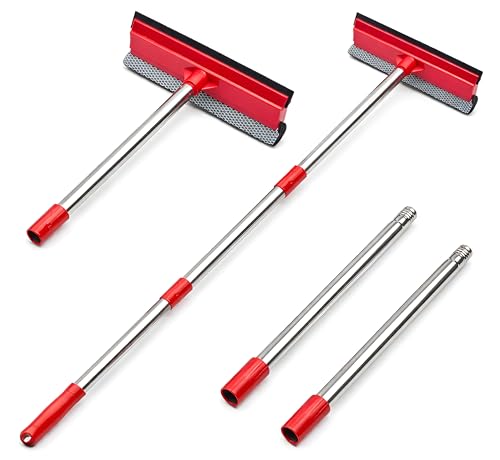
DSV Standard Window Squeegee, 2-in-1 Window Cleaner with 55" Extension Poles, Window Washing Kit, Glass Door Cleaner, Multi-Use Car Windshield Cleaning Tool with Long Handle for High Outdoor Windows
【EASY TO USE】 2 in 1 Function Window Cleaning Tool With 4 Section Of Extension Poles, You Can…
As an affiliate, we earn on qualifying purchases.
As an affiliate, we earn on qualifying purchases.

Dwersty Frosted Glass Window Privacy Film Decorative, Bathroom Window Privacy Film for Glass Windows Cover, Static Cling, Removable, Reusable, Anti-UV, Anti-Glare, Heat Blocking, 17.5 by 78.74 inch
Note: 1. The protective film shall be removed before installing. 2. Please remove all excess water & bubbles…
As an affiliate, we earn on qualifying purchases.
As an affiliate, we earn on qualifying purchases.

Born in Dubai to Pakistani parents, Aisha deeply understands Middle Eastern and South Asian luxury markets. She excels in forging strategic partnerships with top-tier luxury brands worldwide, fostering cross-cultural collaborations that enhance our global presence.