Luxury fabrics like cashmere, vicuña, and qiviut offer you unmatched softness, rich history, and ethical sourcing. Cashmere, from the undercoat of goats, symbolizes elegance and tradition, while vicuña, the rare Andean fiber, connects you to ancient Incan heritage and conservation efforts. Qiviut, derived from muskoxen, embodies Arctic resilience and cultural roots among indigenous peoples. Exploring these fabrics reveals a world of craftsmanship and environmental respect—you’ll discover even more fascinating details as you continue.
Key Takeaways
- Cashmere is a luxurious, ethically sourced fiber from goats in Mongolia, China, and Iran, symbolizing elegance with a rich historical background.
- Vicuña, native to the Andes, is one of the rarest and most valuable fibers, historically reserved for royalty and revered for its softness.
- Qiviut is a rare, eco-friendly fiber from North American muskoxen, valued for its warmth, durability, and cultural significance among indigenous peoples.
- All three fibers emphasize sustainable and responsible sourcing practices, supporting ecological balance and local communities.
- Their historical and cultural heritage enhances their status as premier luxury fabrics worldwide.
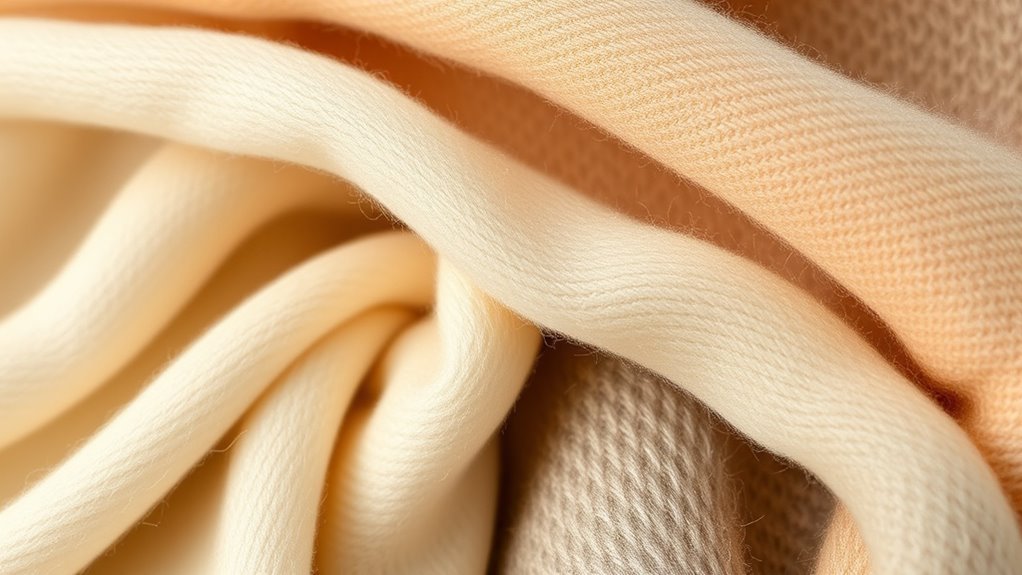
Have you ever wondered what makes certain fabrics truly luxurious? It’s not just about how they feel against your skin but also about their story, origins, and the values they embody. When you choose fabrics like cashmere, vicuña, or qiviut, you’re often engaging with textiles that boast both sustainable sourcing and deep historical significance. These materials aren’t simply commodities; they are the culmination of centuries-old traditions and careful, responsible harvesting practices that respect the environment and the animals involved.
Take cashmere, for example. This soft, warm fiber comes from the undercoat of goats primarily found in Mongolia, China, and parts of Iran. What elevates cashmere beyond its comfort is the way it’s sourced. Many brands now prioritize sustainable sourcing practices, ensuring that the goats are sheared ethically without harm. This attention to responsible harvesting helps protect the ecosystems and the livelihoods of local herders. Historically, cashmere has been prized for centuries, with its origins dating back to ancient Persia, where it was considered a luxury reserved only for royalty and nobility. Its rich history adds to its allure, making it not just a fabric but a symbol of elegance and tradition.
Cashmere’s rich history and ethical sourcing make it a symbol of elegance and tradition.
Vicuña, native to the high Andes of South America, is perhaps one of the most exclusive luxury fabrics. Known for its incredible softness and rarity, vicuña wool has a profound historical significance. The Incas revered the vicuña, considering it a sacred animal, and only royalty and nobles were permitted to wear garments made from its fiber. Today, sustainable sourcing remains vital because vicuña populations are sensitive to overharvesting. Strict regulations and conservation efforts have been implemented to ensure that the animals are shorn responsibly, preserving their populations and habitats. When you wear vicuña, you’re not just experiencing a luxurious fabric; you’re participating in a tradition that respects both history and ecological balance.
Qiviut, the fine undercoat of the muskox, is another example of a fabric with rich historical roots. Indigenous peoples of North America have long valued qiviut for its warmth and durability, often using it in traditional clothing. Its sustainable sourcing involves careful shearing—done without harming the animals—making it an eco-friendly choice. The historical significance of qiviut is deeply embedded in Arctic cultures, where it has been treasured for generations. When you choose qiviut, you’re connecting with a heritage that emphasizes harmony with nature and respect for ancient traditions.
In all these fabrics, the blend of sustainable sourcing and historical significance elevates their status from mere textiles to meaningful symbols of craftsmanship, responsibility, and cultural preservation. By understanding their origins, you appreciate not just their luxurious qualities but also the stories and values woven into each fiber.

ALMOSDO 100% Cashmere Sweaters for Women, Crew Neck Long Sleeve Soft Pullover Sweater Women's Cashmere Cardigan Sweater (US, Alpha, Medium, Regular, Regular, Golden Camel)
The size chart is too small, so we recommend you to choose one size up for a better…
As an affiliate, we earn on qualifying purchases.
As an affiliate, we earn on qualifying purchases.
Frequently Asked Questions
How Are Luxury Fabrics Sustainably Sourced?
You can guarantee luxury fabrics are sustainably sourced by choosing brands that prioritize sustainable farming and ethical harvesting practices. Look for certifications that verify responsible animal treatment and environmentally friendly methods. When you support companies committed to these standards, you’re helping reduce overgrazing, conserve ecosystems, and promote fair labor practices. By making informed choices, you contribute to a more sustainable and ethical luxury fashion industry.
What Are the Environmental Impacts of Harvesting Vicuña and Qiviut?
You should know that harvesting vicuña and qiviut impacts wildlife conservation and requires ethical practices. Vicuña are carefully sheared to prevent harm, supporting sustainable populations, while qiviut is collected as a byproduct of shedding or ethical shearing. This approach minimizes environmental impact, promotes animal welfare, and helps preserve these precious species. By choosing ethically sourced fabrics, you contribute to wildlife conservation and sustainable fashion.
Can These Fabrics Be Ethically Produced at Scale?
Think of these fabrics as your eco-friendly Batmobiles—they can be produced ethically at scale if you prioritize ethical supply chains and fair trade practices. By supporting sustainable herding and responsible harvesting, producers can maintain animal welfare and environmental health. While challenges remain, diligent efforts toward transparency and ethical standards make large-scale, responsible production possible. You just need to choose brands committed to these principles, turning your fashion choices into a force for good.
How Do the Prices of Cashmere, Vicuña, and Qiviut Compare?
You’ll notice that pricing differences among cashmere, vicuña, and qiviut reflect their market value. Vicuña is the priciest, often fetching thousands per yard due to its rarity and quality. Cashmere is more affordable but still considered luxury, while qiviut falls between the two, valued for its softness and scarcity. Your choice depends on your budget and desire for exclusivity, with vicuña being the most premium option.
Are There Any Health Benefits to Wearing These Luxury Fabrics?
Wearing luxury fabrics like cashmere, vicuña, and qiviut can benefit your skin sensitivity and allergy relief. Their soft, natural fibers reduce irritation and are gentle on sensitive skin, making them a comfortable choice. Unlike synthetic materials, they breathe well and help regulate temperature. If you have allergies, these fabrics are less likely to cause reactions, offering both comfort and potential health benefits for your skin.

Hickey Freeman Men’s Wool Blend Patterned Scarf – Merino Wool/Cashmere, 72 inches x 12 inches, Vicuna Exploded Plaid
ELEGANT & TIMELESS: Hickey Freeman’s super-soft patterned winter scarves are a sleek fashion accessory made with durable Australian…
As an affiliate, we earn on qualifying purchases.
As an affiliate, we earn on qualifying purchases.
Conclusion
So, now that you’re practically an expert in luxury fabrics, go ahead—pour yourself a glass of fine champagne and revel in the fact that your wardrobe is basically a trophy case of exclusivity. After all, only the truly discerning can afford to wrap themselves in cashmere, vicuña, or qiviut. Because nothing screams sophistication quite like knowing you’re wearing fibers so rare, they make other fabrics look downright pedestrian. Cheers to living the luxe life!

ColdPruf Basic Activewear Thermal Leggings for Men
Reliable Heat Retention: These insulated pants for men feature our 2-layer design, which traps air between layers of…
As an affiliate, we earn on qualifying purchases.
As an affiliate, we earn on qualifying purchases.
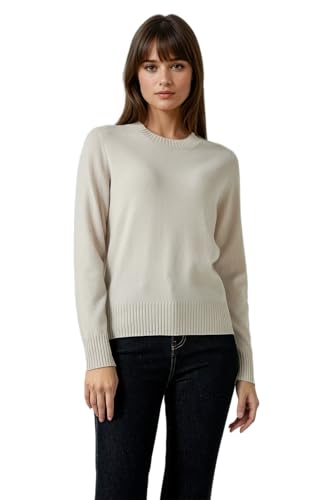
Hearth Cashmere 100% Pure Cashmere Ladies' Round Neck Sweater, Grade A Cashmere, Inner Mongolia, Long Sleeve (US, Alpha, Small, Regular, Regular, Ivory)
PURE GRADE A MONGOLIAN CASHMERE – Crafted from the finest long-fiber cashmere sourced directly from Inner Mongolia. Ultra-soft,…
As an affiliate, we earn on qualifying purchases.
As an affiliate, we earn on qualifying purchases.

Born in Dubai to Pakistani parents, Aisha deeply understands Middle Eastern and South Asian luxury markets. She excels in forging strategic partnerships with top-tier luxury brands worldwide, fostering cross-cultural collaborations that enhance our global presence.