Fashion is what the world offers; personal style is how you make it your own. A strong wardrobe does more than follow trends. It reflects your tastes, supports your daily life, and helps you feel appropriately dressed without requiring endless choices. Whether you are refining an established look, rebuilding your closet, or simply learning how to shop more thoughtfully, the best place to begin is with clarity rather than consumption.
This guide explores the foundations of style, from choosing flattering clothes and building versatile outfits to selecting accessories, caring for valuable pieces, and adapting fashion to travel and changing needs. Use it as an orientation to the essential decisions behind a polished, practical, and individual wardrobe.
Define Your Personal Style
Personal style develops where preference, lifestyle, and practicality meet. You may admire dramatic runway tailoring, for example, while spending most of your week in a relaxed workplace. The goal is not to abandon inspiration but to translate it into clothes that suit your actual routine.
Start by identifying recurring themes in the outfits you already enjoy. Look at their colors, proportions, fabrics, and level of formality. You might discover that you favor clean lines and neutral tones, romantic details and fluid silhouettes, heritage-inspired clothing, or bold combinations with a contemporary edge. These patterns form a more useful style vocabulary than broad labels such as “classic” or “trendy.”
It also helps to choose a few words that describe how you want to appear. Consider combinations such as polished, relaxed, and modern or expressive, elegant, and tactile. When considering a new purchase, ask whether it supports those qualities and works with the life you lead.
Build a Personal Reference Point
Create a small collection of outfit images that you would genuinely wear rather than merely admire. Then identify the shared elements. Pay attention to trouser shapes, jacket lengths, shoe styles, jewelry scale, and color contrast. This turns inspiration into practical guidance and makes shopping more focused.
Your reference point should remain flexible. Style naturally changes with age, work, location, mobility, and personal priorities. A wardrobe is successful when it evolves with you instead of preserving an outdated version of your life.
versatile wardrobe staples for women
As an affiliate, we earn on qualifying purchases.
As an affiliate, we earn on qualifying purchases.
Build a Wardrobe Around Real Life
A useful wardrobe begins with an honest assessment of where your time goes. Someone who works remotely, travels frequently, and attends occasional formal events needs a different balance from someone whose week revolves around client meetings. Divide your routine into broad categories, then make sure your clothing reflects their relative importance.
Versatility matters, but it does not require every item to coordinate with everything else. Aim for several dependable outfit formulas: perhaps tailored trousers with a fine knit, straight-leg denim with a structured jacket, or a fluid dress with understated accessories. Formulas reduce decision fatigue while leaving room for variation.
- Prioritize clothes that fit your most common activities.
- Choose a core color palette with a few deliberate accent shades.
- Balance foundational garments with distinctive pieces.
- Consider comfort, climate, care requirements, and storage.
- Buy for complete outfits rather than isolated items.
Understand the Role of Essentials
Wardrobe essentials are personal, not universal. A white shirt is only essential if you enjoy wearing one. Your real foundations are the pieces that repeatedly solve dressing problems: the jacket that improves simple outfits, the trousers that work with several shoes, or the coat that accommodates both casual and formal layers.
Quality should be judged in context. Examine fabric, stitching, lining, closures, and how a garment behaves when you move. A higher price does not automatically mean better construction, and an inexpensive item is not necessarily poor value. The relevant question is whether the design, durability, and frequency of use justify the purchase for you.
Master Fit, Proportion, and Silhouette
Fit has more influence on an outfit than a recognizable label. Well-fitting clothing follows the intended silhouette, sits comfortably at key points, and permits natural movement. This does not mean everything must be close to the body. Oversized and relaxed garments can look intentional when their proportions are controlled.
Consider the relationship between pieces. Wide trousers may pair well with a shorter or more defined top, while a long coat can create a strong vertical line over streamlined layers. Repeating visual lines, balancing volume, and choosing deliberate lengths can make even a simple outfit feel coherent.
Tailoring can refine garments that are already close to the right fit. Common adjustments include hemming trousers, shortening sleeves, refining a waist, or repositioning a button. However, major changes to shoulders, armholes, or complex construction may be impractical. Shop for the hardest-to-alter areas first, then assess whether smaller adjustments are worthwhile.
Use Shoes to Establish the Tone
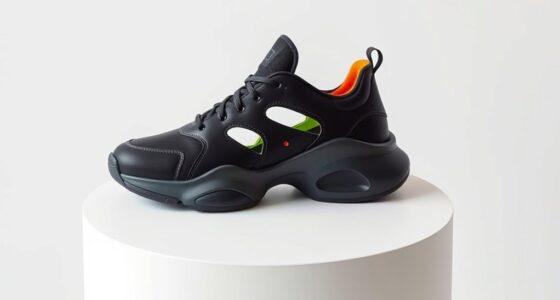
Shoes influence both the appearance and function of an outfit. A sleek leather shoe can sharpen relaxed separates, while a minimalist sneaker can make tailoring feel more contemporary. Consider shape, material, color, and sole profile rather than relying solely on categories such as formal or casual.
Construction and comfort deserve particular attention because shoes carry repeated physical stress. Check whether the toe shape suits your foot, the heel feels stable, and the sole supports your intended use. Leather quality, stitching, and finishing can matter, but suitability remains essential. For an introduction to makers associated with craftsmanship and distinctive design traditions, explore these German shoe brands that combine quality and style.
Maintain shoes by allowing them to rest between wears, cleaning them according to their material, and addressing worn heels or soles before damage spreads. Proper storage helps preserve their shape, while rotating pairs gives moisture time to dissipate.
Choose Accessories with Purpose
Accessories are often the clearest expression of personality because they can transform familiar clothing without requiring a completely new outfit. Their impact comes from proportion and repetition. Delicate jewelry creates a different visual rhythm from sculptural pieces, just as a slim belt communicates something different from a broad, textured design.
Begin with the objects you use most. A wallet, watch, phone case, bag, or pair of glasses occupies both a practical and aesthetic role. Coordinating every item perfectly can feel forced, but a shared quality—similar hardware, complementary colors, or consistent design restraint—creates cohesion.
Everyday Carry and Personal Technology
Modern style extends to the objects that accompany you. A phone case should work with your habits as well as your aesthetic preferences. Consider material, bulk, grip, and the degree of coverage you want. These luxury phone cases that combine style and protection offer a useful starting point for comparing fashion-oriented options.
A wallet presents a similar balance of appearance and utility. Think about what you actually carry, whether you prefer a traditional billfold or slimmer format, and how the item sits in a pocket or bag. If digital-card protection is a priority, consult this guide to stylish RFID wallets for men.
Watches and Their Care
A watch can serve as a quiet finishing detail or the focal point of an outfit. Case size, dial design, metal tone, and strap material all influence its character. Rather than reserving watches for formal clothing, experiment with contrast: a refined watch can elevate casual layers, while a restrained design can balance a more expressive outfit.
Mechanical watches also introduce practical care considerations. Owners of automatic models can explore watch winders for automatic timepieces to understand the available storage and winding options. Those interested in basic maintenance equipment can also review high-end watch tool kits for precision work. More complex servicing is best left to an appropriately qualified watch professional.
Shop More Intentionally
Intentional shopping is not about imposing rigid minimalism. It means recognizing why you want an item and how it will function after the initial excitement fades. Before purchasing, imagine at least three realistic outfits using clothes you already own. Consider whether the new piece fills a genuine gap, improves an existing formula, or duplicates something that already works.
Fabric composition provides useful information, but it should be interpreted alongside weave, weight, finish, and construction. Natural fibers are not automatically superior for every purpose, just as synthetics are not inherently undesirable. Performance, comfort, durability, and care needs depend on the complete textile and how the garment is made.
- Check measurements instead of relying only on labeled size.
- Read care instructions before committing to a garment.
- Inspect seams, hems, buttons, zippers, and pattern alignment.
- Evaluate transparency and movement in natural light when possible.
- Pause before buying items that require an entirely new supporting wardrobe.
Care for Clothing and Personal Items
Good care preserves appearance and reduces unnecessary replacement. Follow garment labels, separate items by color and fabric needs, and avoid washing clothes more aggressively than necessary. Airing, brushing, spot cleaning, and steaming may be sufficient between full washes for some garments.
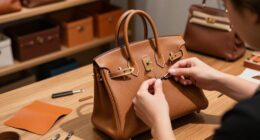
Storage should support the structure of each piece. Knitwear is generally better folded to avoid stretching, while jackets benefit from suitable hangers. Keep leather goods away from excessive moisture and heat, and avoid overfilling bags. Seasonal storage should begin with clean, completely dry items.
Personal grooming tools also contribute to a considered daily routine. Small changes can align practical habits with broader material preferences. Readers exploring lower-plastic options can compare these eco-friendly bamboo toothbrushes, while still prioritizing effective oral care and individual dental guidance.
Adapt Style for Travel, Comfort, and Mobility
Travel wardrobes benefit from coordination, comfortable layers, and pieces that can handle repeated wear. Choose a compact palette, wear the bulkiest items in transit, and pack complete outfits rather than an assortment of unrelated favorites. A lightweight layer can bridge changing temperatures, while suitable shoes matter more than squeezing in an extra statement piece.
Style should also accommodate access needs rather than treating them as an afterthought. Easy fastenings, adaptable layers, comfortable proportions, accessible pockets, and fabrics that resist bunching can make dressing more convenient without sacrificing personal expression.
For travelers who use mobility equipment, planning should include transportation requirements, dimensions, battery details, and handling procedures. This guide to airline-approved mobility scooters for travel can help frame the comparison process, but travelers should confirm current policies directly with their airline before departure.
Create a Lifestyle That Supports Your Style
Fashion does not exist in isolation. Your surroundings, routines, and sensory preferences influence how you get dressed and how you care for what you own. A well-organized wardrobe makes useful pieces visible. Good lighting improves color decisions. Music and a calm morning routine can turn dressing from a rushed obligation into a deliberate ritual.
If sound is part of the atmosphere you create at home, this overview of Dolby Atmos speakers for immersive sound extends the same design-minded approach beyond the wardrobe. The connection is not about matching technology to clothing; it is about shaping an environment that feels consistent with your tastes.
Let Your Style Evolve
The most compelling style is rarely completed in a single shopping trip. It develops through observation, experimentation, and editing. Notice which outfits make you feel at ease, which purchases remain unworn, and which details consistently attract you. Those patterns reveal more than any list of supposed must-haves.
Review your wardrobe periodically, but avoid discarding pieces simply because they are not currently fashionable. Repair what you value, alter what can be improved, and release items that no longer fit your body, routine, or identity. Leave space for discovery without allowing novelty to overwhelm usefulness.
Ultimately, personal style is a working relationship between beauty and everyday life. When clothes fit well, accessories serve a purpose, and purchases reflect genuine preferences, dressing becomes simpler and more expressive. The objective is not a flawless wardrobe. It is a wardrobe that feels recognizably yours.