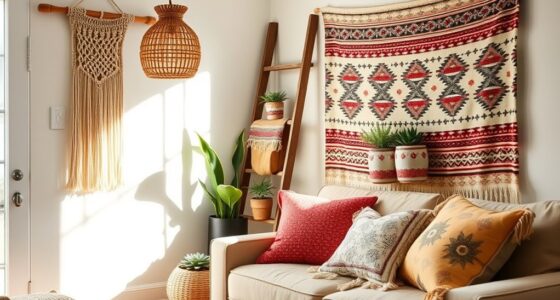
When choosing between tapestries and quilts for your wall, consider the visual impact and emotional vibe you want. Tapestries add grandeur, detailed designs, and a cultural or historical touch, making a striking focal point. Quilts offer warmth, comfort, and a personal story, creating a cozy atmosphere. Both influence your space’s style, but your choice depends on whether you prefer grandeur or intimacy. Keep exploring to discover which textile suits your space best.
Key Takeaways
- Tapestries serve as dramatic, detailed wall art emphasizing cultural motifs, while quilts add warmth and a cozy, personal touch to the space.
- Choose tapestries for a lasting, visually striking focal point; opt for quilts to create an inviting, nostalgic atmosphere.
- Tapestries are woven with intricate designs and durability, ideal for long-term display; quilts are sewn patchworks emphasizing craftsmanship.
- Consider room style: tapestries add grandeur and texture; quilts enhance comfort and intimate decor.
- Both reflect personal and cultural stories—select based on whether you want visual impact or sentimental warmth.
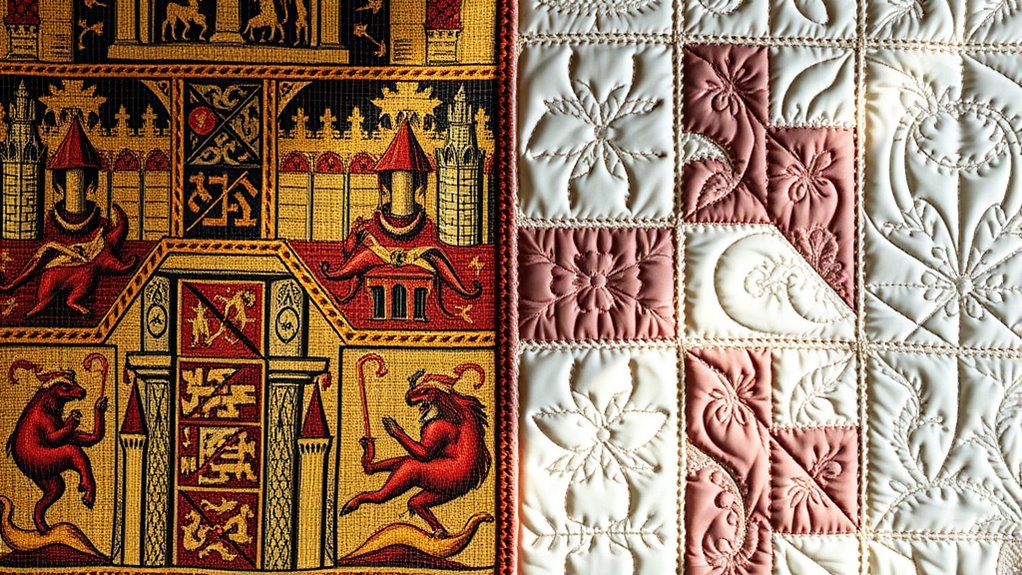
When choosing between tapestries and quilts, it’s important to understand their distinct roles and characteristics. Both serve as striking wall adornments, but they differ in purpose, construction, and visual impact. Tapestries are woven textiles, often crafted with intricate fabric patterns that tell stories or depict scenes. Their designs can be highly detailed, featuring motifs that reflect cultural significance, history, or symbolism. These patterns aren’t just decorative; they carry meaning, representing traditions, beliefs, or regional artistry. For example, a tapestry with Celtic knots or Middle Eastern geometric designs speaks to a cultural heritage, making it more than just decor — it’s a piece of history. Quilts, on the other hand, are typically made from sewn fabric patches, combining different textiles into a unified pattern. While quilts can also feature fabric patterns, they tend to emphasize craftsmanship and storytelling through their patchwork design. The appeal of a quilt often lies in its craftsmanship, the way various fabrics and colors come together to create a visual narrative or a comforting aesthetic. Quilts usually have a softer, more homey vibe, often associated with family traditions or personal history. Additionally, the process of creating a quilt is often a meaningful tradition passed down through generations, adding sentimental value to the piece.
Tapestries tell stories through detailed woven patterns, while quilts emphasize craftsmanship with colorful patchwork designs.
When you’re selecting between these textiles, consider what you want your space to convey. Tapestries tend to be more ornamental and are often chosen for their ability to create a focal point or add a sense of grandeur to a room. Their fabric patterns can be vibrant or subdued but are always carefully designed to draw the eye. Because they’re woven, tapestries often have a rich texture that adds depth and dimension to your wall. They’re durable and can last for generations, especially if you choose high-quality materials. Cultural significance is a key factor here, as many tapestries are handcrafted with traditional techniques passed down through generations, giving your space a sense of history and authenticity.
Quilts, meanwhile, bring a different kind of warmth and personality to your environment. They’re often more casual and inviting, perfect for creating a cozy atmosphere. The fabric patterns in quilts can be bold or subtle, but they tend to reflect personal stories, family heritage, or regional styles. The patchwork design invites a sense of craftsmanship and personalization, making it feel more intimate. Whether you display a vintage quilt or a modern one with contemporary fabric patterns, it’s likely to evoke feelings of comfort and nostalgia. Furthermore, the choice between a tapestry and a quilt can influence the overall aesthetic appeal of your space, aligning with your personal style and décor theme.

Birdy Boutique Diversity Classroom Tapestry – 48” x 48” Inspirational Quote Wall Hanging – Cultural Inclusion Poster for Schools, Kids Rooms, or Offices
🤝 Celebrate Diversity & Inclusion – Features the uplifting quote “If many little people in many little places…
As an affiliate, we earn on qualifying purchases.
As an affiliate, we earn on qualifying purchases.
Frequently Asked Questions
How Do I Clean and Maintain Wall Textiles Safely?
To keep your wall textiles looking their best, follow proper care instructions and cleaning methods. Gently dust them regularly with a soft brush or vacuum using a low-suction attachment to remove surface dirt. For stains, spot clean with a damp cloth and mild detergent. Avoid harsh chemicals or soaking them, as this can damage the fabric. Always test cleaning methods on a small, hidden area first to guarantee safety and preserve your textile’s beauty.
Can Tapestries and Quilts Be Used Outdoors?
Tapestries and quilts generally aren’t suitable for outdoor use because they lack outdoor durability and weather resistance. Sun, rain, and wind can cause fading, mold, and damage. If you want wall textiles outside, look for specially designed outdoor fabrics treated for weather resistance. Otherwise, keep tapestries and quilts indoors to preserve their beauty and integrity, ensuring they stay vibrant and intact longer.
What Are the Best Hanging Methods for Heavy Textiles?
Think of your wall as a stage and your heavy textile as the star performer. You’ll want sturdy hanging hardware that evenly distributes weight, like wall anchors or heavy-duty hooks. Use a mounting system that spreads the load, such as a rod or gallery rail, to prevent sagging or damage. This approach guarantees your textile remains beautifully displayed without strain, allowing it to shine as the centerpiece of your decor.
Are There Eco-Friendly Options for Wall Textiles?
Yes, you can choose eco-friendly wall textiles by selecting pieces made from sustainable fibers like organic cotton, hemp, or bamboo. Look for products dyed with eco-friendly dyes that avoid harmful chemicals. These options reduce environmental impact while adding natural beauty to your space. By prioritizing sustainable fibers and eco-friendly dyes, you support greener practices and enjoy stylish, environmentally conscious wall textiles that align with your values.
How Do I Choose Textiles That Match My Interior Style?
Choosing textiles for your space is like finding the perfect outfit—your interior style guides your choices. To match your decor, consider color coordination and material choices that complement your existing palette and textures. If your style is modern, go for sleek fabrics in neutral tones. For a bohemian vibe, opt for vibrant colors and natural materials. Always pick textiles that reflect your personality and enhance your home’s overall aesthetic.

SAFAVIEH Home Collection Sedona Itsuki Boho Tribal Ivory/Grey Wool Woven Tapestry Hanging Wall Art
[PERFECT FOR ANY ROOM]: Instantly add bohemian chic flair to the bedroom, living room, bathroom, dorm room, hallway,…
As an affiliate, we earn on qualifying purchases.
As an affiliate, we earn on qualifying purchases.
Conclusion
So, when you’re choosing between tapestries and quilts, think of your wall as a blank canvas waiting for a story. Tapestries whisper tales of history and artistry, while quilts invite comfort and cozy memories. Like a dancer’s graceful leap or a warm embrace, your choice paints a mood that transforms your space into a personal masterpiece. Trust your instincts—let your walls tell the story only you can create.
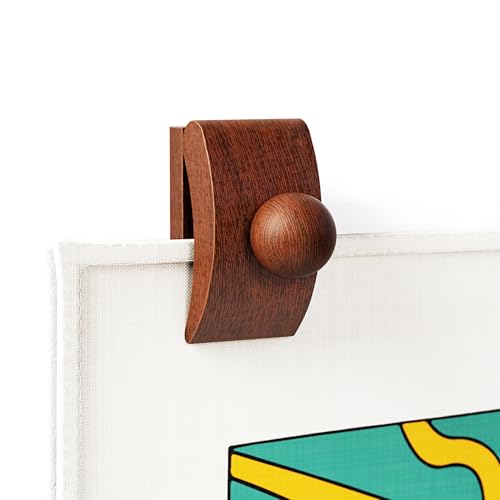
Tapestry Hangers, 4 Small Quilt Hangers for Wall Hangings, Blanket Hanger Clamps, Carpet Rug Display, Wooden Wall Clips for Hanging (Brown)
4 Small Quilt Wall hangers 2 x 1 1/4 in – Screws and Anchors included
As an affiliate, we earn on qualifying purchases.
As an affiliate, we earn on qualifying purchases.

Rastogi Handicrafts Indian Handmade Embroidered Patchwork Old Hanging Wall Art Vintage Tapestry Old Sari Cutting Wall Hanging Parda (YELLOW, 20 X 40 INCH)
vintage patchwork tapestry made of cotton dresses patchwork
As an affiliate, we earn on qualifying purchases.
As an affiliate, we earn on qualifying purchases.

Born in Dubai to Pakistani parents, Aisha deeply understands Middle Eastern and South Asian luxury markets. She excels in forging strategic partnerships with top-tier luxury brands worldwide, fostering cross-cultural collaborations that enhance our global presence.