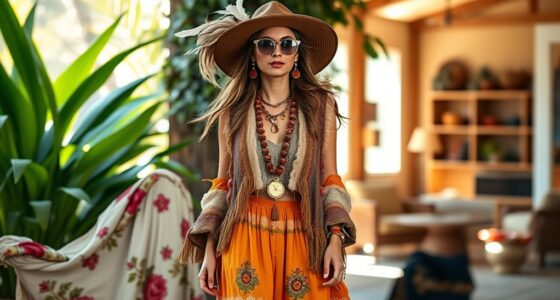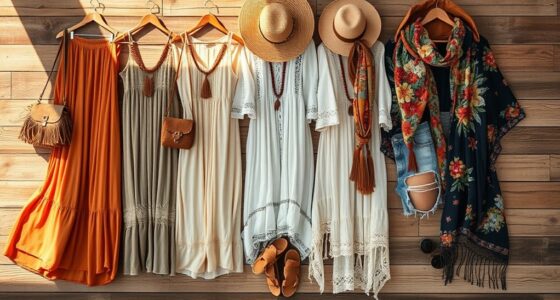

Discover how terracotta, sage, and indigo can transform your space by evoking specific emotions. Terracotta brings warmth, stability, and a welcoming vibe, perfect for grounding you in natural earth tones. Sage offers calm, relaxation, and a connection to nature, ideal for creating peaceful retreats. Indigo adds sophistication, depth, and a hint of mystery, enhancing confidence and introspection. Exploring these hues reveals powerful ways to shape your environment—keep exploring to uncover their full potential in your decor.
Key Takeaways
- Terracotta evokes warmth, stability, and a natural, earthy vibe, perfect for creating inviting, grounded spaces.
- Sage offers a calming, tranquil green that fosters relaxation and a connection to nature in interior environments.
- Indigo introduces depth and sophistication, adding a regal, introspective quality that enhances elegance and mood.
- Combining these colors creates balanced, emotionally resonant interiors with warmth, serenity, and depth.
- Understanding their psychological effects allows for intentional design that reflects personality and enhances well-being.
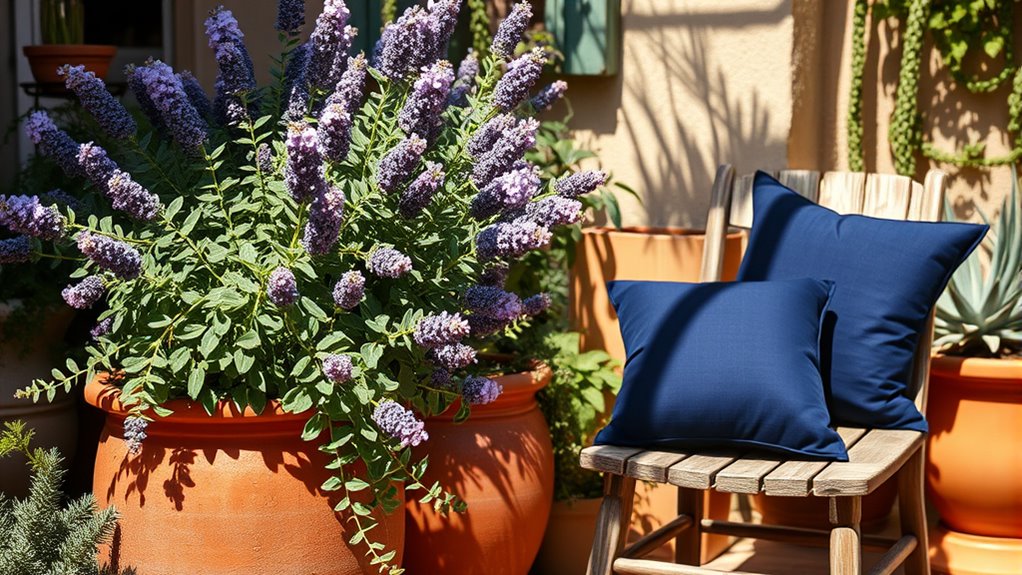
Have you ever noticed how colors can tell stories without words? It’s like they communicate emotions, set moods, and reveal personality traits all at once. This is the power of color psychology, a fascinating field that helps us understand why certain hues evoke specific feelings. When it comes to interior design trends, choosing the right colors isn’t just about aesthetics; it’s about creating an environment that resonates with your mood and lifestyle. Three colors that are making notable waves in design circles—terracotta, sage, and indigo—each tell their own unique stories, and understanding their nuances can help you craft spaces that speak volumes.
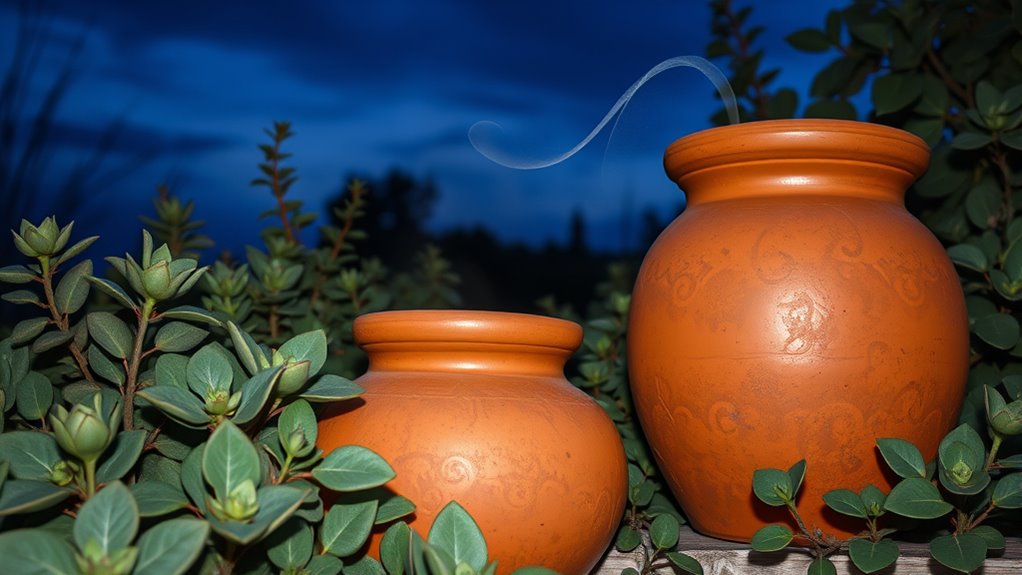
Terracotta is warm, earthy, and inviting. It’s a hue that immediately grounds a room in natural comfort. Its deep orange-brown tone sparks feelings of stability and warmth, making spaces feel cozy and welcoming. In interior design trends, terracotta has seen a resurgence as a versatile accent or dominant color, especially in bohemian and rustic styles. It pairs beautifully with neutrals, such as beige and cream, to create a balanced, organic atmosphere. The color’s connection to clay and earth elements enhances its grounding qualities, making it ideal for spaces meant to foster relaxation and connection. When you incorporate terracotta into your home, you’re telling a story of comfort, resilience, and a deep appreciation for nature’s simplicity.
Sage, on the other hand, offers a calming, muted green that embodies tranquility and renewal. Its soft, grayish undertones make it a popular choice in modern interior design trends focused on wellness and serenity. Using sage in your decor can help reduce stress and promote mental clarity, aligning perfectly with the current emphasis on creating peaceful, restorative environments. It’s a color that suggests growth and harmony, making it suitable for bedrooms, bathrooms, or any space where you seek a sense of calm. When you select sage, you’re communicating a desire for balance and a connection to the natural world, reinforcing the idea that your home should be a sanctuary from daily chaos.
Indigo is a deep, rich blue that conveys sophistication and introspection. It’s a bold choice that can add depth and drama to a room, yet it also offers a sense of stability and trust. Interior design trends are increasingly embracing indigo for accent walls, upholstered furniture, or accessories, especially when aiming for a regal or contemplative vibe. This color speaks to your desire for depth, wisdom, and creative expression. When you incorporate indigo, you’re telling a story of confidence and introspection, inviting a sense of mystery and elegance into your space.
Furthermore, understanding the color psychology behind these hues can help you make more intentional choices that align with your personal narrative and desired atmosphere. Together, these colors—terracotta’s warmth, sage’s serenity, and indigo’s depth—each communicate distinct stories, allowing you to craft environments that reflect your personality and mood through the language of color.

Dobbyby Ceramic Flower Vase 7.6 inch Farmhouse Rustic Vase Decorative Pottery Terracotta Vases for Home Decor Table Mantle Fireplace Living Room Bathroom Wedding Centerpiece (Whitewashed)
【Handcrafted Ceramic Artistry】Made of high-quality, 100% hand-painted ceramic with high-temperature firing, this vase combines durability with unique artistry….
As an affiliate, we earn on qualifying purchases.
As an affiliate, we earn on qualifying purchases.
Frequently Asked Questions
How Do These Colors Influence Mood and Atmosphere?
These colors influence your mood and atmosphere through their unique emotional impact, rooted in color psychology. Terracotta brings warmth and comfort, making spaces feel inviting. Sage promotes calmness and relaxation, helping you unwind. Indigo adds depth and serenity, fostering focus and introspection. Together, they create a balanced environment that can evoke feelings of coziness, tranquility, and inspiration, shaping how you feel and interact within a space.
Which Color Combinations Work Best With Terracotta, Sage, and Indigo?
Imagine your space as a vibrant garden; the right color combos can make it bloom. Pair terracotta with deep teal or navy for striking complementary color pairings, creating warmth and depth. Sage shines with blush pink or soft yellow in seasonal color schemes, evoking freshness. Indigo pairs beautifully with warm metallics or creamy whites, adding sophistication. These combinations transform your environment into a harmonious, lively haven that’s both inviting and stylish.
What Are Some Common Interior Design Styles Using These Colors?
You’ll find these colors popular in bohemian, Mediterranean, and rustic styles. Terracotta’s warm, earthy tone evokes comfort and stability, reflecting cultural symbolism of warmth and community. Sage’s calming, natural vibe aligns with eco-friendly design, influencing health and serenity through color psychology. Indigo adds depth and sophistication, often representing wisdom and stability. Combining these hues creates inviting spaces that balance tradition and tranquility, appealing to your desire for cozy yet stylish interiors.
Can These Colors Be Suitable for All Skin Tones?
You’ll be amazed—these colors are like chameleons, fitting every skin tone with ease! Terracotta, Sage, and Indigo offer incredible skin tone versatility, making them perfect choices for everyone. Use smart color matching techniques like balancing warm and cool shades to enhance your look. No matter your skin tone, these hues can truly elevate your style, proving they’re as adaptable as you are.
How Do These Colors Perform in Different Lighting Conditions?
These colors perform well in various lighting conditions, but lighting enhancements can make them pop even more. Terracotta adds warmth under natural light, while sage looks softer in dimmer settings. Indigo maintains its richness with proper lighting, but be mindful of color fading effects in harsh or prolonged exposure to direct sunlight. Adjusting lighting can enhance their vibrancy and longevity, ensuring your colors stay striking regardless of the environment.

MIULEE Boho Farmhouse Sage Green Throw Pillow Covers 18×18 Inch Set of 4 Mordern Nordic Cushion Covers Soft Corduroy Spring Home Decor for Couch Bed Sofa Living Room Forest Green
Luxurious Boho Texture: Crafted from super-soft, premium corduroy, these decorative throw pillow covers are a must-have for boho…
As an affiliate, we earn on qualifying purchases.
As an affiliate, we earn on qualifying purchases.
Conclusion
As you step into a world painted with terracotta’s warm glow, sage’s calming touch, and indigo’s mysterious depths, you feel yourself enveloped in a tapestry of emotion. These colors whisper stories of earth, tranquility, and night’s quiet allure. Let them guide your choices, transforming your space into a sanctuary where every hue invites you to linger, breathe, and dream. Embrace the palette, and watch your surroundings come alive with vibrant, soulful energy.
indigo velvet curtains
As an affiliate, we earn on qualifying purchases.
As an affiliate, we earn on qualifying purchases.
earth tone wall paint
As an affiliate, we earn on qualifying purchases.
As an affiliate, we earn on qualifying purchases.

Born in Dubai to Pakistani parents, Aisha deeply understands Middle Eastern and South Asian luxury markets. She excels in forging strategic partnerships with top-tier luxury brands worldwide, fostering cross-cultural collaborations that enhance our global presence.