
Your perception of food and drinks is heavily influenced by how they are presented. A visually appealing plate or cocktail signals quality and care, priming your expectations and making you more enthusiastic about the taste. Cultural standards and aesthetic choices shape what you find attractive, affecting your overall enjoyment. By paying attention to presentation, you can enhance your experience and appreciation. Keep exploring to learn how mastering these visual cues can elevate your culinary skills and satisfaction.

Get your wardrobe favorites delivered free with Prime
- Fast, free delivery on millions of items
- Prime Video, Amazon Music and more included
- Member-only deals all year
Key Takeaways
- Visual presentation influences first impressions, shaping expectations before tasting or drinking.
- Aesthetic arrangements signal quality, care, and attention to detail, enhancing perceived value.
- Attractive visuals prime anticipation, increasing sensory enjoyment and satisfaction.
- Cultural presentation styles communicate stories and values, affecting perception and appreciation.
- Well-designed presentation elevates perceived freshness and craftsmanship, influencing overall perception.
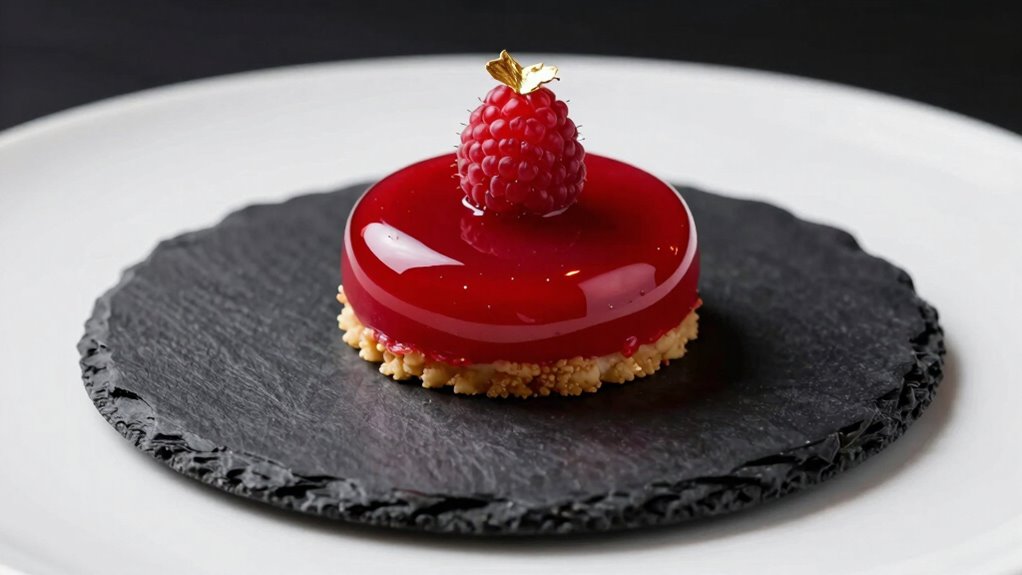
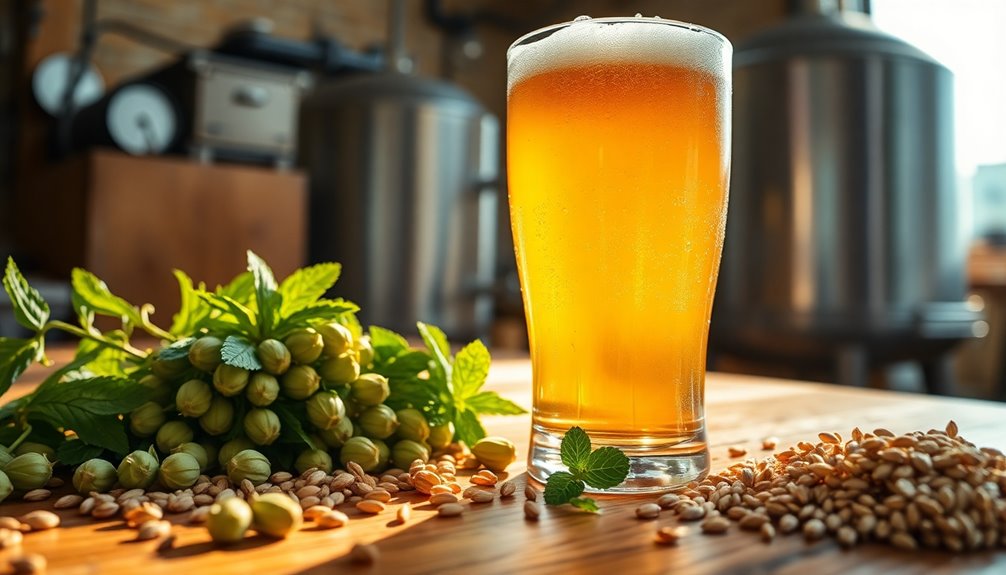
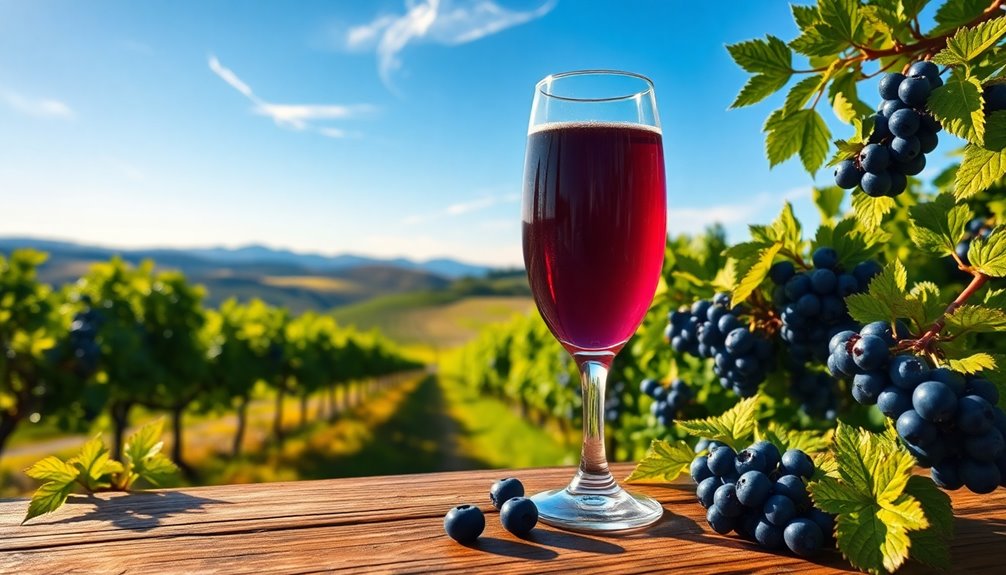
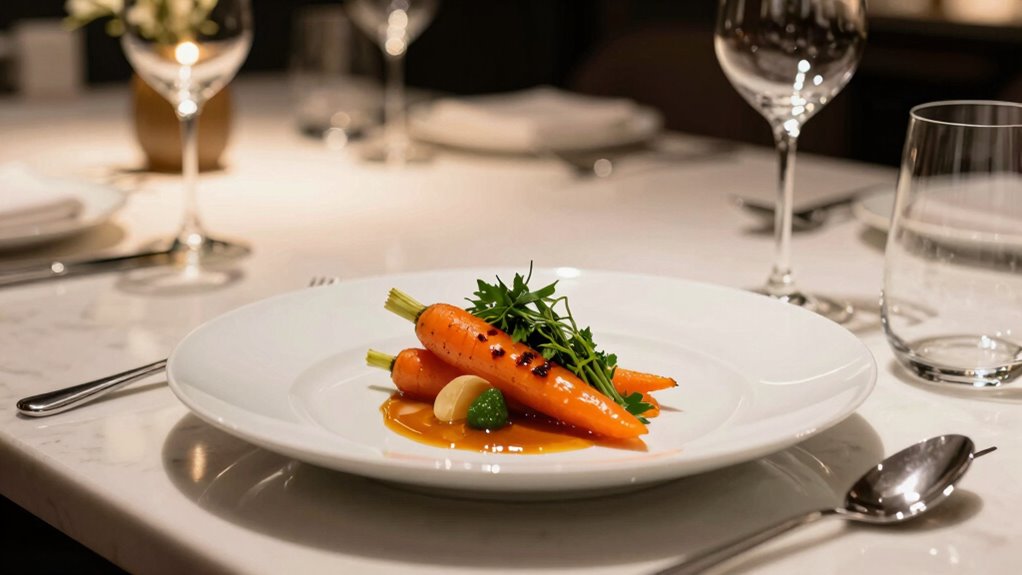
The way food and drinks are presented can dramatically influence how they’re perceived, often even more than their taste or quality. When you see a beautifully plated dish or a meticulously crafted cocktail, your first reaction isn’t just about flavor; it’s about the visual experience. Cultural influences heavily shape how these presentations are designed. For example, in Japanese cuisine, minimalism and symmetry create a sense of harmony that elevates the meal to an art form. In contrast, Mediterranean dishes often feature vibrant colors and rustic arrangements that evoke warmth and abundance. Recognizing these cultural nuances helps you appreciate that presentation isn’t just about aesthetics—it’s deeply rooted in tradition and identity. Your perception is instantly shaped by these visual cues, which communicate stories, values, and history even before you take a single bite or sip. The cultural context of presentation styles further influences how we interpret and enjoy different foods and drinks. Visual aesthetics play an essential role in setting expectations. When food is arranged thoughtfully, it signals quality and care, making you more likely to enjoy it. A colorful salad with carefully placed garnishes looks fresher and more appetizing than one sloppily assembled. Similarly, a drink served in a creatively decorated glass or with an artistic garnish immediately feels more special. The visual appeal triggers your senses and primes your mind to anticipate a satisfying experience. You might find yourself more enthusiastic to taste, savoring every bite or sip with anticipation because your eyes have already been convinced of its appeal. This connection between presentation and perception underscores why chefs and bartenders invest so much effort into aesthetics. They understand that the first impression often guides your overall enjoyment. Additionally, cultural standards shape our expectations about what is visually appealing, further influencing our perception and preferences. Recognizing the importance of visual cues can also deepen your understanding of diverse culinary traditions and their unique presentation styles, enriching your overall appreciation of food and drink. An awareness of these presentation techniques enhances not only your enjoyment but also your ability to recreate appealing dishes at home.
Popular right now

Ninja Foodi DZ201 8-Quart DualZone 6-in-1 Air Fryer

TCL 85 Designer Series QD-Mini LED TV (Model 85A400U) with Google Smart TV

Bose QuietComfort Ultra Earbuds (2nd Gen), Deep Plum
As an affiliate, we earn on qualifying purchases.
Frequently Asked Questions
How Does Color Influence Food Perception?
Color influences your perception of food through color psychology and visual contrast. Bright, vibrant colors can make dishes seem fresher and more appealing, while dull or unnatural shades might signal spoilage or unappetizing flavors. You naturally respond to visual contrast, which highlights certain ingredients and makes the dish more enticing. Overall, color shapes your expectations and enhances your overall eating experience by triggering subconscious cues about taste and quality.
Can Plate Shape Alter Taste Expectations?
Yes, plate shape can alter your taste expectations. When you see a uniquely shaped plate, it influences how you perceive texture contrast and plating symmetry, which impacts your anticipation of flavors. For instance, curved or asymmetrical plates may highlight certain textures or create visual tension, making dishes seem more exciting or complex. Your brain associates these visual cues with taste, so plate shape substantially guides your overall eating experience.
Does Presentation Affect Portion Size Perception?
Yes, presentation influences how you perceive portion size. When a plate features symmetry and interesting texture contrast, your eye interprets the portions as larger or more appealing. Symmetrical arrangements make the meal seem balanced, while texture contrast adds visual interest, making portions feel more substantial. These design elements trick your brain into perceiving a bigger or more satisfying serving, even if the actual size remains unchanged.
How Do Cultural Differences Impact Presentation Preferences?
You might notice that cultural differences greatly influence presentation preferences. Coincidentally, what feels aesthetically pleasing in one culture, like traditional aesthetics or cultural symbolism, can differ vastly elsewhere. You appreciate how some cultures emphasize vibrant colors and ornate designs, while others favor simplicity and minimalism. These cultural nuances shape how you perceive food and drink, making presentation not just about appearance but also about cultural identity and tradition.
What Role Does Lighting Play in Food Appeal?
Lighting plays a vital role in food appeal by enhancing mood and creating visual harmony. When you use warm, soft lighting, it boosts mood enhancement, making food look more inviting. Proper lighting emphasizes colors and textures, improving visual harmony and making dishes appear fresh and appetizing. You’ll find that the right lighting draws attention, elevates the dining experience, and influences how appealing the food seems to you and others.
Conclusion
So, next time you’re dazzled by a beautifully plated dish or a fancy cocktail, remember—it’s not just the taste that’s being sold. The presentation tricks your mind into perceiving flavors as more delightful, more exciting. Ironically, all that effort to impress your senses might just be about fooling your brain. In the end, the real secret ingredient isn’t the food or drink—it’s the artful illusion that makes everything seem just a little better.