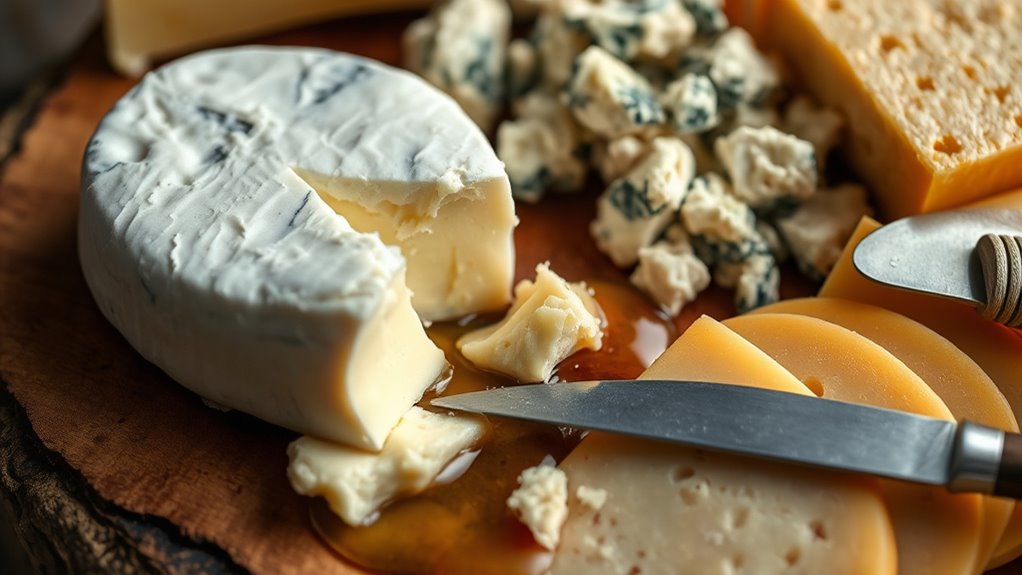

When creating cheese boards, focus on selecting a variety of textures, from soft brie to hard Parmesan, and serve them at appropriate temperatures—soft cheeses about 30 minutes out of the fridge, hard cheeses at room temperature—to bring out the best flavors. Use specific tools like cheese knives for soft cheeses and sturdy wedges for hard varieties to keep flavors separate. Keep exploring for more tips to perfect your presentation and offer an unforgettable tasting experience.

Get your wardrobe favorites delivered free with Prime
- Fast, free delivery on millions of items
- Prime Video, Amazon Music and more included
- Member-only deals all year
Key Takeaways
- Select a variety of cheeses with different textures: soft, semi-soft, hard, and crumbly.
- Serve soft cheeses at room temperature about 30 minutes before serving for optimal flavor.
- Use appropriate knives: soft cheeses with spreaders or soft cheese knives, hard cheeses with sharp, sturdy tools.
- Maintain proper cheese temperatures to prevent spoilage and enhance taste; avoid serving too cold or too warm.
- Arrange tools visibly on the board for easy access and to ensure proper handling of different cheese textures.
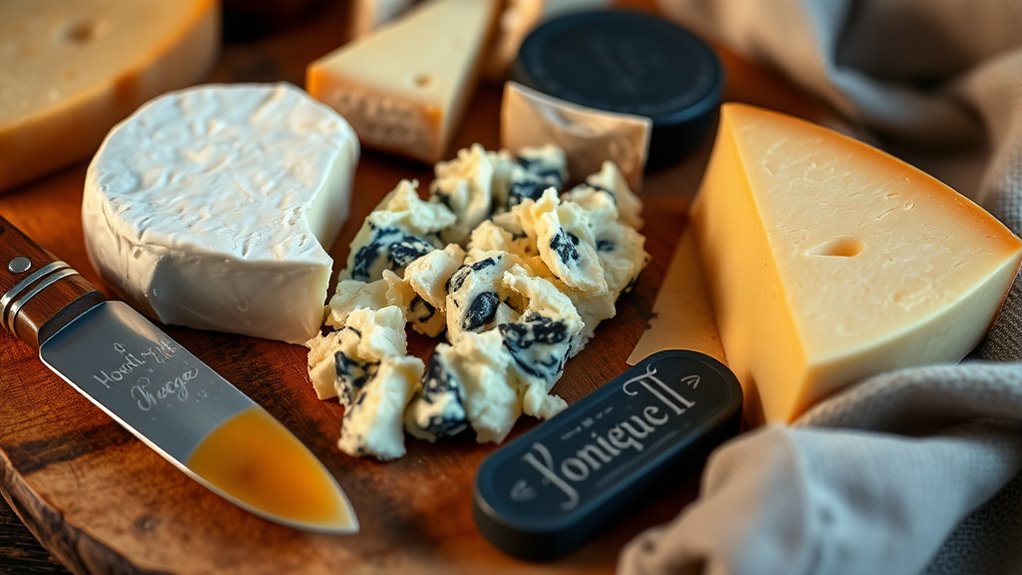
Creating a beautiful cheese board is an art that combines flavor, texture, and visual appeal. When you design your cheese board, you’re not just assembling a collection of cheeses—you’re curating an experience. To elevate your presentation, think about pairing wine carefully; selecting the right wine can enhance the flavors of each cheese and create a harmonious tasting journey. For example, a sharp cheddar pairs beautifully with a bold red like Cabernet Sauvignon, while a creamy brie complements a crisp, sparkling wine. Keep these pairing ideas in mind as you arrange your board to please both the palate and the eye.
Pair cheeses thoughtfully with wines to create a harmonious and flavorful tasting experience.
Presentation ideas are key to making your cheese board stand out. Start by choosing a nice wooden platter or a slate board to add an elegant touch. Arrange your cheeses first, spacing them out to allow room for accompaniments. Vary the shapes and sizes—wheel, wedge, crumbles—and include a mix of textures, from soft and creamy to firm and crumbly. Once the cheeses are in place, add visual interest with colorful fruits like grapes, figs, or berries. Nuts, honey, and preserves also add texture and sweetness, balancing the savory cheeses.
When it comes to garnishing, think about height and color contrast. Use sprigs of herbs such as rosemary or thyme for a fresh, green accent, or scatter edible flowers for a pop of color. For a more rustic look, pile dried fruits and nuts in small bowls or directly on the board, ensuring they don’t overcrowd the cheeses. Incorporate a variety of crackers and bread slices around the cheeses to add crunch and provide options for pairing. Remember, a well-thought-out layout not only makes the board more appealing but also makes it easier for guests to serve themselves.
Temperature is another vital element in creating an ideal cheese experience. Soft cheeses like brie or camembert should be taken out of the fridge about 30 minutes before serving to bring out their full flavor. Hard cheeses like aged gouda or parmesan can be served at room temperature to enhance their aroma. Proper temperature allows the flavors and textures to shine, making every bite more enjoyable. Keep in mind that serving cheese too cold can muffle flavors, while too warm can cause soft cheeses to become overly runny. Additionally, understanding the types of tableware used for serving cheese can improve presentation and ease of eating.
Finally, the tools you choose—cheese knives, spreaders, and boards—are essential for functionality and presentation. Use different knives for soft and hard cheeses to prevent cross-contamination of flavors. A good cheese knife with a wire cutter or a pointed tip makes slicing easier, while a small spreader works well for softer varieties. Keeping your tools clean and visible on the table adds a professional touch, completing your cheese board’s aesthetic and practical appeal.
cheese knife set for soft and hard cheeses
As an affiliate, we earn on qualifying purchases.
As an affiliate, we earn on qualifying purchases.
Frequently Asked Questions
What Are the Best Cheeses to Pair With Fruits on a Cheese Board?
You should choose cheeses with mild, creamy, or slightly sweet flavor profiles to pair perfectly with fruits. Try brie or camembert for their softness and subtle flavor, while sharp cheddar or gouda can complement sweeter fruits like apples or grapes. Fresh cheeses like ricotta or goat cheese work well with berries and figs. Focus on balancing textures and flavors by selecting cheeses that enhance the natural sweetness and acidity of your fruit pairings.
How Do I Prevent Cheeses From Drying Out During Serving?
Think of your cheese as a delicate flower needing care. To prevent drying out, guarantee proper cheese moisture retention by wrapping cheeses in parchment or wax paper when not serving. Serve cheeses at the right temperature, around 20-22°C, to maintain ideal texture and flavor. Keep cheese covered with a damp cloth or place on a pre-warmed board to preserve moisture and enhance the tasting experience.
What Are Eco-Friendly Tools for Cheese Board Presentation?
You can choose eco-friendly tools like sustainable servingware and biodegradable cheese tools to present your cheese board. These options are made from eco-conscious materials like bamboo, palm leaves, or compostable plastics, reducing environmental impact. Using sustainable servingware not only enhances your presentation but also aligns with eco-friendly practices. Opt for biodegradable cheese knives and platters to impress your guests while caring for the planet.
How Do I Properly Store Leftover Cheese After Serving?
To properly store leftover cheese, wrap it tightly in wax paper or parchment, then place it in an airtight container or resealable bag. This helps with cheese preservation by maintaining moisture and preventing odor absorption. Keep it in the refrigerator, ideally at a consistent temperature of around 35-40°F. Follow refrigeration tips by avoiding freezing, which can alter texture, and always label your cheese with the date to ensure freshness.
What Are Common Mistakes to Avoid When Assembling a Cheese Board?
Think of your cheese board as a symphony—each note must be in harmony. Avoid common mistakes like serving cheese at the wrong temperature or mismatch of cheese varieties. Always select a variety that complements each other, and serve cheeses at their ideal serving temperature for flavor. Don’t overcrowd the board; give each cheese space to shine. Balance textures and flavors, and your cheese board will be a masterpiece everyone enjoys.
Conclusion
So, after all that talk about perfect textures, ideal temperatures, and the right tools, you might think creating a cheese board is a precise science. But honestly, the most memorable ones often come from happy accidents and personal quirks. Maybe the true art isn’t in perfection but in embracing the chaos. After all, who needs consistency when you can have a cheese board full of surprises and stories? Embrace the imperfections—it’s what makes it special.
Fall Picks
fall essentials
As an affiliate, we earn on qualifying purchases.