
TL;DR

Get your wardrobe favorites delivered free — and shop member deals
- Fast, free delivery on millions of items
- Access to Prime Big Deal Days deals on October 6–7
- Prime Video, Amazon Music and more included
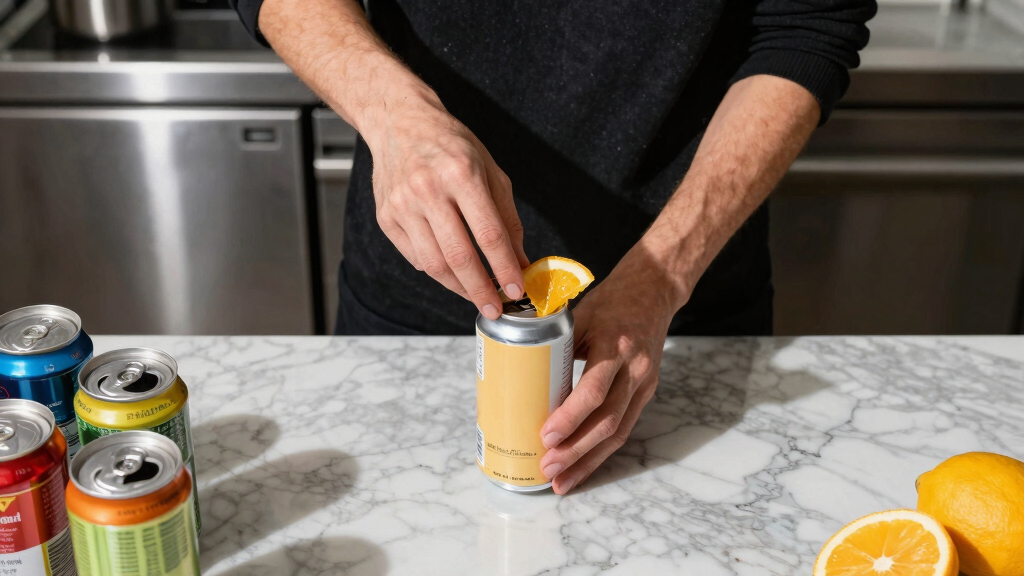
Canned cocktails with higher alcohol content are becoming increasingly popular in the US, supported by industry efforts to expand sales. This trend raises concerns about consumer awareness and regulation, as binge drinking risks grow.
High-proof canned cocktails are rapidly gaining market share across the United States, with industry efforts to expand their sale and availability. This trend matters because it could influence drinking behaviors and regulatory standards, raising public health concerns.
Recent data shows that Americans consumed nearly 11 billion servings of ready-to-drink cocktails in 2025, with sales increasing by 40 percent year-over-year, according to market research firm Circana. Major brands like Cutwater, BuzzBallz, and BeatBox sell sweet, high-ABV drinks, often exceeding 7 percent alcohol by volume, with some products reaching 15 percent.
The spirits industry, through the Distilled Spirits Council of the United States, is advocating for relaxed regulations, arguing that canned cocktails should be sold wherever beer is available, citing their comparable alcohol content. Several states have already amended laws to permit wider sales of canned cocktails, and taxes on these drinks have been reduced in multiple jurisdictions.
Despite the popularity, concerns are mounting about consumer awareness of alcohol levels, as many drinkers are surprised by how intoxicated they become after consuming multiple high-proof canned cocktails. Social media posts highlight instances of binge drinking and even hospitalizations linked to these beverages. Anheuser-Busch, which produces Cutwater, states it promotes responsible drinking, but critics warn of increased risks.
Why It Matters
This trend has public health implications, as higher alcohol content in canned cocktails may lead to increased binge drinking and related harms. The push for broader sales could also challenge existing regulations designed to limit access to high-proof spirits, raising questions about consumer safety and industry responsibility.
As an affiliate, we earn on qualifying purchases.
Background
Historically, US alcohol laws restrict high-proof spirits to liquor stores, with higher taxes to discourage excessive consumption. The rise of malt-based alternatives like White Claw shifted focus to lower-alcohol drinks, but recent years have seen a resurgence of high-ABV canned cocktails. Industry lobbying and legislative changes are facilitating wider distribution, despite ongoing debates about safety and regulation.
“More than half of ready-to-drink cocktails sold are less than 5 percent alcohol, but the higher-proof options are selling remarkably well.”
— A representative of the Distilled Spirits Council of the United States
What Remains Unclear
It remains unclear how regulatory agencies will respond to the increasing availability of high-proof canned cocktails, and whether consumer awareness campaigns will be effective in preventing overconsumption. The full impact on public health remains to be seen, as data on binge drinking and related harms continues to emerge.
What’s Next
Next steps include regulatory review of current laws, potential legislative actions to limit alcohol content or sales, and ongoing monitoring of consumption patterns. Industry lobbying efforts are likely to continue, influencing future policy decisions.
Key Questions
Are canned cocktails safer than regular spirits?
Not necessarily. Higher alcohol content in canned cocktails can increase the risk of binge drinking and related harms, especially if consumers are unaware of the strength of these drinks.
How are laws changing regarding canned cocktail sales?
Several states have amended laws to allow canned cocktails to be sold in more outlets, including grocery stores, with some reducing taxes and relaxing restrictions on high-ABV drinks.
What are the health risks associated with high-proof canned cocktails?
Increased risk of intoxication, binge drinking, accidents, and health emergencies, especially if consumers underestimate the alcohol content or consume multiple drinks quickly.
Will regulation keep pace with industry growth?
It is uncertain. Regulatory agencies are reviewing policies, but industry lobbying may influence the speed and scope of potential restrictions or standards.
Source: The Atlantic
Halloween Picks
halloween
As an affiliate, we earn on qualifying purchases.