TL;DR

Get your wardrobe favorites delivered free with Prime
- Fast, free delivery on millions of items
- Prime Video, Amazon Music and more included
- Member-only deals all year
A growing number of brides are resisting societal pressures to undergo costly beauty treatments before their weddings. They prioritize self-acceptance over conforming to traditional beauty norms, reflecting a shift in wedding culture.
Multiple brides are publicly rejecting the pressure to undergo costly and invasive beauty routines before their weddings, emphasizing self-acceptance over societal expectations.
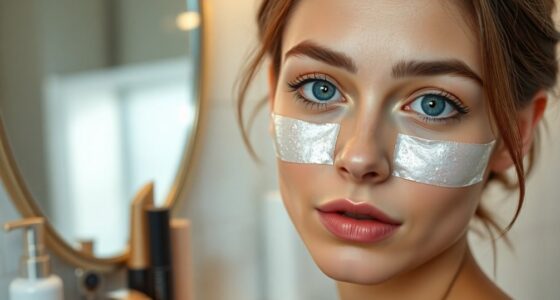
Several women, including those planning weddings in the United States and Australia, have spoken out against the pressure to conform to beauty standards through expensive treatments and dieting. For example, Jackie Wegner, who married last summer, maintained her usual beauty routine and questioned why she should change herself for her wedding. Similarly, Natalie Craig expressed frustration with societal pressures fueled by weight-loss drug promotions and industry messaging. A survey from Zola found that nearly 80% of couples feel pressure to change their appearance before their wedding, with an average spend of $1,100 on beauty preparations. Experts like Helen Grace criticize the ‘insecurity industry’ for profit-driven messaging that perpetuates body dissatisfaction. Some brides, such as Molly Scullion, have chosen to focus on feeling comfortable and authentic rather than conforming to unattainable beauty ideals, with one bride noting that she decided not to let guilt influence her self-image leading up to her wedding.
Why It Matters
This trend signifies a shift in wedding culture towards prioritizing mental health and body positivity over societal pressures for perfection. It challenges traditional standards that often equate beauty with worthiness, potentially influencing future bridal expectations and reducing financial and emotional burdens associated with pre-wedding beauty routines.
Popular right now

Roborock Robot Vacuum and Mop Combo with Self-Empty Dock

Bose QuietComfort Headphones (2nd Gen), Wireless Over-Ear Noise-Cancelling Headphones, Hazelnut Taupe

KitchenAid Artisan 5-Qt Tilt-Head Stand Mixer – Dried Rose (KSM150PS)
As an affiliate, we earn on qualifying purchases.
Background
Historically, weddings have been associated with intense beauty standards, often pressuring women to undergo dieting, cosmetic procedures, and other treatments. The rise of social media has amplified these pressures, with influencers and advertising promoting an idealized image of bridal beauty. Recent surveys and personal accounts reveal a growing resistance among brides to these norms, reflecting broader conversations about body positivity and self-acceptance in society.
“Nobody was coming to my wedding because they wanted to see if I had lost weight or done something different with myself.”
— Jackie Wegner
“Thirty years from now, will I be looking at my wedding pictures and being like: ‘I should have lost five pounds?’”
— Natalie Craig
“Advertisers have far more access to people these days, making women feel worried or insecure about their wedding day.”
— Helen Grace
What Remains Unclear
It is not yet clear how widespread this rejection of traditional beauty standards will become among future brides or how the wedding industry will adapt to these changing attitudes.
What’s Next
Experts anticipate a gradual shift towards more inclusive and body-positive wedding practices. Future research and industry responses will reveal whether this movement influences broader wedding culture and marketing strategies.
Key Questions
Are more brides choosing to skip expensive beauty treatments?
Yes, anecdotal reports and surveys indicate an increasing number of brides are opting out of costly routines in favor of self-acceptance.
What motivates brides to reject traditional beauty standards?
Many cite a desire for authenticity, mental health, and resistance to societal pressures and profit-driven beauty industries.
Will the wedding industry change to accommodate this trend?
It is uncertain, but some industry players are beginning to promote more inclusive and body-positive messaging.
How might this trend impact future wedding preparations?
Potentially, there could be a broader acceptance of natural beauty, reducing financial and emotional stress for brides.