

When you take a cold plunge, temperature is just part of the story. Your mental resilience, breathing techniques, and response control play vital roles in maximizing benefits like improved recovery and mental clarity. Staying calm and focused helps your body adapt better over time. By learning to manage your reactions, you can turn cold exposure into a powerful tool for stress management and resilience. Keep exploring, and you’ll discover how mental strategies enhance your experience even further.

Get your wardrobe favorites delivered free with Prime
- Fast, free delivery on millions of items
- Prime Video, Amazon Music and more included
- Member-only deals all year
Key Takeaways
- Temperature regulation improves over time through repeated exposure, enhancing the body’s stress response and overall control.
- Mindfulness and steady breathing are crucial for maximizing benefits and managing discomfort during cold plunges.
- Mental resilience training helps prevent panic and shifts perception of cold from threat to challenge.
- Focusing on response control, not just water temperature, optimizes physiological and psychological benefits.
- Developing temperature regulation skills and mental fortitude together leads to more consistent recovery and mental clarity.
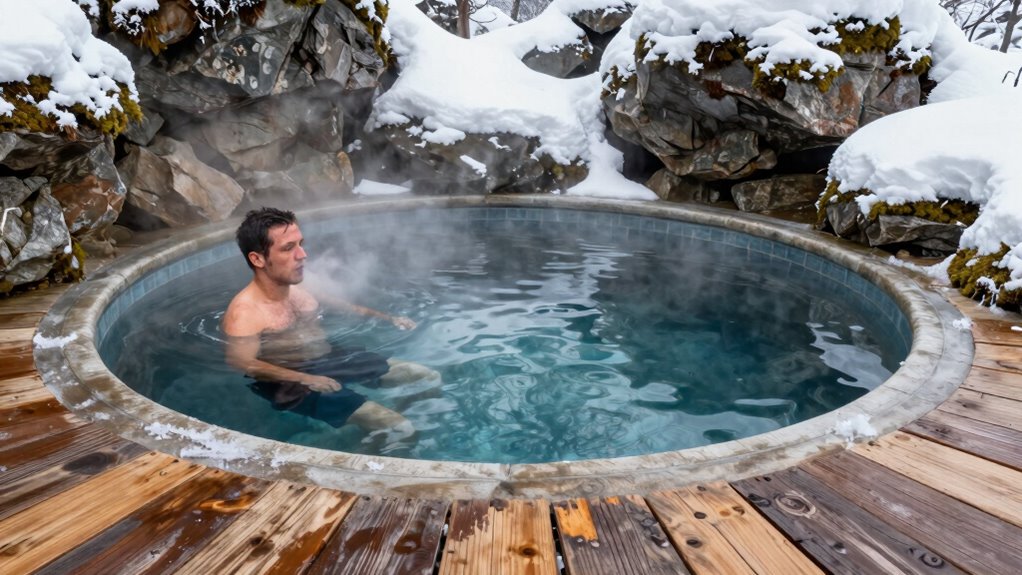
Cold plunges have gained popularity as a simple way to boost recovery, improve circulation, and boost mental clarity. You might think that the key to a successful cold plunge is just about the temperature, but there’s more to it. Temperature regulation plays a pivotal role, not just in how your body reacts, but also in how you develop mental resilience through the process. When you step into icy waters, your body immediately responds by constricting blood vessels to preserve core temperature. Over time, with repeated exposure, your body becomes better at regulating temperature, allowing you to stay calmer and more in control during each plunge. This improved temperature regulation enhances your ability to manage stress and maintain focus, both during and after your cold exposure.
It’s tempting to focus solely on lowering the water temperature, but the real benefits come from how you handle the experience mentally. Cold plunges challenge your mental resilience—your capacity to stay composed under discomfort. Each time you immerse yourself in cold water, you’re training your mind to endure a stressful situation without panicking or withdrawing. This mental training translates into everyday resilience, helping you face challenges with more calm and clarity. As you build mental resilience, you notice that the physical stress of cold exposure becomes less overwhelming. Your mind learns to interpret the cold not as a threat, but as a manageable challenge. That shift is what makes cold plunges more than just a physical recovery tool; they become a mental exercise.
Handling cold with mental resilience transforms plunges into powerful exercises in calm and clarity.
Furthermore, understanding that temperature is only part of the story can change how you approach your cold plunge routine. It’s not about achieving the lowest possible temperature but about controlling your response to it. Maintaining steady breathing and focusing on your mental state are essential components. When you learn to regulate your breath and stay present, you strengthen your overall resilience, which benefits your recovery and mental health. Incorporating mindfulness techniques can further enhance your ability to stay focused and composed during cold exposure. Developing temperature regulation skills can also help optimize your body’s physiological responses, leading to more consistent benefits over time. Recognizing the importance of mental fortitude can empower you to fully harness the benefits of cold plunges and push through discomfort more effectively. Over time, this process can lead to improved circulation as your body adapts, but without the mental practices, the physiological benefits might be limited.
In essence, while temperature regulation is an important part of cold plunges, your mental resilience is equally indispensable. The way you manage your thoughts, breathing, and discomfort shapes your experience far more than the water’s coldness. By understanding that temperature is only part of the story, you open yourself up to a more mindful, effective cold plunge routine that boosts both your physical recovery and mental toughness.
As an affiliate, we earn on qualifying purchases.
Frequently Asked Questions
How Long Should I Stay in a Cold Plunge?
You should aim for an immersion duration of 5 to 10 minutes in a cold plunge, depending on your experience and comfort level. During this time, focus on temperature regulation, listening to your body’s signals. Start with shorter sessions if you’re new, and gradually increase as you become more accustomed. Always prioritize your safety and avoid overstaying to prevent hypothermia or shock.
What Are the Risks of Cold Plunging?
Diving into a cold plunge is like stepping into a storm—your body’s temperature regulation is put to the test, risking hypothermia if you overdo it. Cold plunging can also overstimulate your immune response, leading to fatigue or illness. You might also experience shock or heart strain if you’re not cautious. Always listen to your body and consult a professional to safely navigate these icy waters.
Can Cold Plunges Help With Mental Health?
Cold plunges can boost your mental health benefits by reducing stress and enhancing mood through the release of endorphins. You may find it easier to manage emotional resilience as the cold exposure trains your mind to stay calm under pressure. Regular cold plunging can foster mental toughness, improve focus, and promote a sense of achievement, all of which support overall emotional well-being and help you better cope with daily challenges.
Is Cold Plunging Suitable for Everyone?
Cold plunging isn’t suitable for everyone. Your cold tolerance and individual health play essential roles in determining if you should immerse yourself. If you have heart issues, blood pressure concerns, or other health conditions, consult a healthcare professional before plunging. People with lower cold tolerance or sensitive health might experience adverse effects. Listen to your body, start slowly, and prioritize safety to enjoy the benefits without risking setbacks.
How Often Should I Use a Cold Plunge?
You should aim to use a cold plunge 2 to 3 times a week, allowing your body to adapt without overdoing it. Focus on temperature regulation to prevent shock and guarantee a safe, immersive experience. Listen to your body, and if you feel dizzy or uncomfortable, take a break. Regular use can boost recovery and mental clarity, but moderation is key to enjoying the benefits safely.
Conclusion
Remember, a cold plunge isn’t just about icy water; it’s about embracing the full experience. Just like a painter’s brushstroke creates a vibrant masterpiece, every element—from temperature to duration—paints your wellness journey. So, don’t just focus on the cold—think of it as the canvas where your resilience and recovery come alive. Immerse yourself with intention, and watch how each stroke transforms your body and mind, turning chill into a powerful tool.
Fall Picks
fall essentials
As an affiliate, we earn on qualifying purchases.