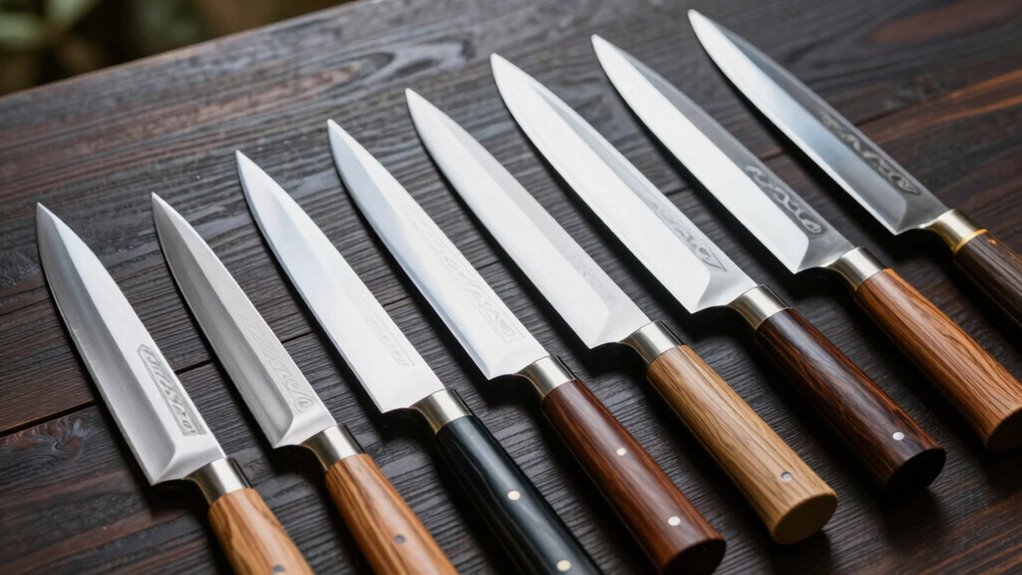

Traditional Japanese knives are renowned for their craftsmanship, razor-sharp edges, and specialized designs tailored for specific kitchen tasks. The Traditional Japanese Professional Gyuto stands out as the best overall choice, offering versatility and durability. For a more affordable yet high-quality option, the TONMA Gyuto delivers excellent performance at a lower price point. Meanwhile, the Yoshihiro Kurouchi Kiritsuke excels as a multipurpose knife with a striking appearance. Choosing the right Japanese knife involves balancing factors like blade material, edge type, and intended use, which can be overwhelming. Continue reading for a detailed breakdown of each option and what makes them unique.

Get your wardrobe favorites delivered free with Prime
- Fast, free delivery on millions of items
- Prime Video, Amazon Music and more included
- Member-only deals all year
Key Takeaways
- The best Japanese knives combine high-quality steel with traditional craftsmanship for sharpness and longevity.
- There is a clear distinction between specialized knives like yanagiba and versatile options like gyuto and santoku, influencing their suitability for different tasks.
- Price often correlates with materials and craftsmanship, but some mid-range options deliver excellent value without sacrificing performance.
- Handle material and balance significantly impact comfort and control during extended use, making ergonomics a key consideration.
- Set options can offer good value, but individual knives generally outperform multi-piece sets in quality and edge retention.


| traditional japanese knife | Blade Length | Handle Material |
|---|---|---|
| Traditional Japanese Professio | 8 inches | Rosewood |
| Yoshihiro Kurouchi Black-Forge | 8.25 inches (210mm) | — |
| 10” Sashimi Sushi Knife | 10 inches | Pakkawood |
| Sakai Takayuki Japanese Deba K | 165mm | Natural wood |
| TONMA Chef Knife | 8.2 inches | — |
| Japanese Kitchen Knife Set of | — | — |
| FAMCÜTE Japanese Knife Set wit | — | Rosewood |
| Traditional Japanese Professio | — | Rosewood |
| Japanese Yanagiba Knife | 10.5 inches | — |
| MITSUMOTO SAKARI 4-Piece Japan | — | Rosewood |
| Yoshihiro Shiroko High Carbon | 11.8 inches (300mm) | Magnolia wood |
More Details on Our Top Picks
Traditional Japanese Professional Gyuto Kitchen Chef’s Knife – 8-inch High Carbon Stainless Steel with Single Bevel Edge and Rosewood Handle
This 8-inch Gyuto stands out for its high-quality 420HC stainless steel combined with a single bevel edge, delivering exceptional sharpness and control. Compared to the TONMA Gyuto, it offers a more refined bevel angle, which is ideal for delicate slicing but demands more careful sharpening and maintenance. The full-tang rosewood handle adds durability and elegance but may require periodic care to prevent drying or cracking. While the single bevel enhances precision, it limits versatility for those who prefer a double bevel or are new to Japanese knives. The premium price reflects its professional-grade craftsmanship, making it best suited for experienced cooks or chefs who value fine control.
Pros:- Exceptional sharpness with a single bevel edge for delicate cuts
- Full-tang construction ensures durability and balance
- Beautiful rosewood handle adds aesthetic and stability
- Corrosion-resistant steel suitable for versatile kitchen tasks
Cons:- Requires careful sharpening due to single bevel design
- Handle may need maintenance to preserve polish
- Premium price may be prohibitive for casual users
Best for: Professional chefs or serious home cooks who need ultra-precise slicing and are comfortable with maintenance
Not ideal for: Casual cooks or beginners who prefer easier-to-maintain, double-beveled knives
- Blade Material:420HC stainless steel
- Blade Length:8 inches
- Edge Type:Single bevel, 15° on right side
- Handle Material:Rosewood
- Full-tang:Yes
Our verdict“This knife is perfect for skilled chefs who prioritize precision and are prepared for maintenance.”
Yoshihiro Kurouchi Black-Forged High Carbon Blue Steel Stainless Clad Kiritsuke Japanese Multipurpose Knife (8.25″ / 210mm) with Ebony Handle and Saya
This handcrafted Kiritsuke combines a high-carbon Blue Steel core with stainless cladding, offering excellent edge sharpness and durability. Unlike the Sashimi Sushi Knife, which specializes in slicing fish with extreme precision, the Kiritsuke provides greater versatility for chopping, slicing, and dicing, making it suitable for multi-tasking chefs. Its traditional Kurouchi finish gives it an authentic aesthetic, while the octagonal ebony handle improves grip and comfort. However, high-carbon steel requires diligent maintenance to prevent rust, and its hand wash-only care can be inconvenient. This pick is ideal for those who appreciate craftsmanship and want a knife that handles various prep work with a traditional touch.
Pros:- High-quality forging with traditional Kurouchi finish
- Excellent edge retention and sharpness
- Versatile for slicing, chopping, and dicing
- Authentic Japanese craftsmanship with beautiful ebony handle
Cons:- Requires careful maintenance to prevent oxidation
- Hand wash only, not dishwasher safe
- High-carbon steel may rust if neglected
Best for: Home cooks or professional chefs seeking a multipurpose Japanese knife with traditional forging quality
Not ideal for: Users seeking low-maintenance knives or those who prefer dishwasher-safe options
- Blade Length:8.25 inches (210mm)
- Material:Blue Steel #2 core with stainless cladding
- HRC:62-63
- Handle:Ebony, Wa-style octagonal
- Made in:Japan
- Includes:Optional Saya sheath
Our verdict“Ideal for traditionalists and versatile chefs willing to maintain a high-carbon steel blade.”
10” Sashimi Sushi Knife – Ultra Sharp Traditional Japanese Sushi Knife for Sashimi, Fish Filleting & Precision Slicing
This 10-inch Yanagiba excels at slicing fish for sashimi with a razor-sharp edge and traditional craftsmanship. Compared to the Yoshihiro Kurouchi Kiritsuke, it is more specialized for sashimi and fish filleting, offering cleaner, more precise cuts. Its handcrafted stainless steel blade ensures durability, while the ergonomic pakkawood handle provides a comfortable grip for extended use. However, its single-bevel design demands a specific sharpening technique, which might be daunting for casual users. This knife is a perfect choice for professional sushi chefs or serious home enthusiasts focused on fish preparation and presentation.
Pros:- Extremely sharp and precise for sashimi
- Traditional Japanese Yanagiba design
- Durable stainless steel construction
- Ergonomic pakkawood handle with slip resistance
Cons:- Single-bevel blade requires special sharpening
- Not suitable for chopping or heavy-duty use
- Premium price for casual buyers
Best for: Sushi chefs or home cooks who focus on sashimi and fish filleting
Not ideal for: Those who need a multi-purpose knife for chopping vegetables or heavy-duty tasks
- Blade Length:10 inches
- Blade Material:Premium stainless steel
- Handle Material:Pakkawood
- Design:Traditional Japanese Yanagiba
- Included:Gift box
Our verdict“This knife is best suited for those dedicated to sashimi and fish presentation, willing to master its sharpening needs.”
Sakai Takayuki Japanese Deba Knife 165mm Yasuki White Steel
This Deba knife, with its 165mm Yasuki white steel blade, offers a balance of sharpness and durability for filleting and butchering fish. Compared to the TONMA Gyuto, which is more versatile for general slicing, the Deba is specialized for heavy-duty tasks like deboning and fish cleaning, making it less ideal for vegetables or fruits. Its ergonomic natural wood handle provides comfort, though the limited blade length might not suit larger fish or poultry. The high-quality Yasuki white steel ensures edge retention, but it requires proper maintenance to prevent rust, similar to the Yoshihiro Kurouchi Kiritsuke’s high-carbon core.
Pros:- High-quality Yasuki white steel offers excellent sharpness
- Perfect size for delicate fish deboning
- Natural wood handle provides comfort and control
- Durable and precise for specialized tasks
Cons:- Limited blade length for larger fish or poultry
- Requires careful maintenance to prevent rust
- Higher price point compared to generic debas
Best for: Fishmongers or home cooks who regularly prepare fish and need a dedicated deboning tool
Not ideal for: Users seeking a multi-purpose chef’s knife or handling larger cuts
- Blade Length:165mm
- Steel Type:Yasuki White Steel
- Handle Material:Natural wood
- Model Number:06036
- Best Sellers Rank:#7 in Deba Knives
Our verdict“This Deba is ideal for fish-focused preparation, especially for those who prioritize quality and precision.”
TONMA Chef Knife, 8.2” Japanese Stainless Steel Gyuto with Pakkawood Handle
This 8.2-inch Gyuto from TONMA offers a reliable balance of quality and affordability, crafted from AUS-8 stainless steel known for its sharpness and corrosion resistance. Compared with the Traditional Gyuto, it provides similar performance at a more accessible price point, making it suitable for everyday cooking. The full-tang pakkawood handle ensures comfort, though it may require occasional maintenance to keep its appearance. While not as specialized as the Traditional Japanese Professional Gyuto with a single bevel, this knife delivers excellent versatility for chopping, slicing, and general prep work without the premium cost, making it an ideal choice for casual cooks or those new to Japanese knives.
Pros:- High-quality AUS-8 steel for sharpness and corrosion resistance
- Ergonomic, full-tang pakkawood handle
- Affordable compared to premium Japanese knives
- Versatile for a range of kitchen tasks
Cons:- Handle may need maintenance to preserve appearance
- Not as finely crafted or specialized as higher-end models
- Premium price may still be high for budget shoppers
Best for: Home cooks seeking a durable, well-made Japanese chef’s knife for daily kitchen tasks
Not ideal for: Professional chefs or knife enthusiasts who prefer high-end, specialized tools
- Blade Length:8.2 inches
- Material:AUS-8 stainless steel
- Handle:Full-tang Pakkawood
- Made in:Japan
Our verdict“This Gyuto strikes a good balance between quality and affordability, ideal for everyday home use.”
Japanese Kitchen Knife Set of 5 (Wooden Box Case) by Mr. Takaaki Nakamura
This set offers a broad range of knives suitable for different tasks, making it ideal for beginners or home cooks looking to expand their Japanese knife collection. Compared to the more specialized Yoshihiro Kurouchi Black-Forged or MITSUMOTO SAKARI sets, it emphasizes variety over premium craftsmanship, which can mean less focus on edge retention or handle ergonomics. The stainless steel blades are resistant to rust and easy to maintain, but the lack of detailed info on blade sharpness or handle comfort makes it less appealing for serious chefs. The wooden box adds a touch of presentation, but durability of storage hinges on careful handling. This set is best suited for cooks who want a functional, affordable introduction to Japanese knives without high expectations for long-term edge retention or premium handles.
Pros:- Includes a variety of knives for multiple culinary tasks
- Made of durable, rust-resistant stainless steel
- Includes a stylish wooden storage box
Cons:- Lacks detailed information on blade sharpness or edge retention
- Handle comfort and balance are not specified
Best for: Beginner or casual home cooks seeking a complete, affordable set for various kitchen tasks
Not ideal for: Professional chefs or enthusiasts who prioritize high-performance, handcrafted blades, or ergonomic handles
- Brand:KAKUSEE
- Set Name:Japanese Kitchen Knife Set of 5
- Model Number:NK-8602
- Unit Count:5
- Material:Stainless steel
- Includes:Wooden box case
Our verdict“This set offers good value for beginners who want a versatile, easy-to-maintain collection but isn’t designed for high-end performance or long-term professional use.”
FAMCÜTE Japanese Knife Set with Block, 5-Layer 9CR18MOV Steel Chef Knives with Rosewood Handles
This set stands out for its high-quality 5-layer 9CR18MOV steel blades, which promise excellent edge retention and corrosion resistance, comparable to the MITSUMOTO SAKARI set but at a more accessible price point. The ergonomic rosewood handles provide a comfortable grip, making longer prep work less fatiguing, though handle maintenance is necessary to prevent damage. The inclusion of essential knives like the chef, santoku, nakiri, and paring makes it a flexible choice for cooks who want a cohesive set. However, the price isn’t specified, which could be a barrier for budget-conscious buyers. This pick is best for home chefs or semi-professionals who desire durable, sharp blades with traditional aesthetics.
Pros:- High-quality 5-layer steel for long-lasting sharpness
- Ergonomic rosewood handles for comfort and control
- Includes essential knives for versatile cooking
Cons:- Handle material requires careful maintenance
- Price not specified, potential expense
Best for: Home cooks or semi-professionals valuing durability, sharpness, and comfort in their Japanese knives
Not ideal for: Budget buyers or those looking for a full professional set, as price details are missing and handle care is required
- Material:9CR18MOV steel
- Number of Knives:4
- Handle Material:Rosewood
- Blade Layers:5
- Hardness:HRC 62
- Production Time:60 days
Our verdict“This set offers a balanced mix of durability and comfort, ideal for cooks who prioritize quality steel and traditional craftsmanship but may involve higher upkeep.”
Traditional Japanese Professional Kitchen Chef Knife Set – Gyuto, Santoku, Nakiri, Petty
This 4-piece set includes the essentials—Gyuto, Santoku, Nakiri, and Petty—crafted from high-quality 420HC stainless steel, emphasizing durability and corrosion resistance. The full-tang rosewood handles enhance balance, but the handles may need maintenance to prevent drying out. Compared with the more premium MITSUMOTO SAKARI set, it offers a simpler, more affordable option that covers basic prep needs. The limited number of pieces could be a downside for cooks wanting a broader collection, but it’s well-suited for those focusing on core kitchen tasks. This set fits home cooks who want reliable, durable knives for daily use without the expense or complexity of a larger, high-end collection.
Pros:- High corrosion resistance and sharpness retention
- Full-tang construction for durability
- Elegant rosewood handles
Cons:- Handles may require maintenance to prevent cracking
- Limited to four knives, may not cover all needs
Best for: Home cooks seeking a durable, versatile set for everyday kitchen tasks
Not ideal for: Professional chefs or collectors wanting a full range of specialized Japanese knives
- Blade Material:420HC stainless steel
- Handle Material:Rosewood
- Number of Pieces:4
- Included Knives:Gyuto, Santoku, Nakiri, Petty
Our verdict“This set provides dependable, versatile blades for everyday cooking, but is not suited for those needing a larger or more specialized collection.”
Japanese Yanagiba Knife, 10.5 Inch Sashimi & Sushi Knife, Made in Japan
This Yanagiba knife excels at slicing sashimi and sushi with incredible precision, thanks to its 10.5-inch high carbon stainless steel blade. Its traditional craftsmanship and lightweight wooden handle provide excellent control, making it a favorite for seafood aficionados and professional chefs alike. Compared to the more general-purpose Yoshihiro Shiroko or Yoshihiro Kurouchi knives, this Yanagiba specializes in delicate, thin slicing, but its narrow focus limits its utility in other prep tasks. The blade’s high-maintenance material demands careful cleaning to prevent rust. Its traditional design might not suit every kitchen style, but for seafood presentation, it’s hard to beat. This knife is best for seafood lovers or professionals seeking a dedicated tool for sashimi and sushi slicing.
Pros:- Excellent for slicing sashimi and sushi with precision
- High-quality, rust-resistant steel for durability
- Lightweight handle offers good control
Cons:- Blade may require careful maintenance to prevent rust
- Traditional design may not fit modern kitchens
Best for: Seafood enthusiasts or sushi chefs needing precision for sashimi and sushi presentation
Not ideal for: Home cooks or chefs seeking all-purpose kitchen knives, as its narrow focus and maintenance requirements limit versatility
- Blade Length:10.5 inches
- Material:High Carbon Stainless Steel
- Handle:Wood
- Made in:Japan
Our verdict“This Yanagiba is ideal for seafood-focused prep, providing exceptional precision but demanding careful maintenance and dedicated use.”
MITSUMOTO SAKARI 4-Piece Japanese Chef Knife Set, San-Mai 9Cr18MoV, Rosewood Handles, Sandalwood Box
The MITSUMOTO SAKARI 4-piece set stands out for its San-Mai 3-layer construction with deep-cryo treatment, which enhances toughness and edge retention, comparable to the FAMCÜTE set but with a more luxurious presentation. The blades’ Tsuchime finish and rosewood handles add elegance, making these knives suitable for display or refined kitchen environments. The inclusion of a sandalwood storage box emphasizes craftsmanship, but the premium price might be prohibitive for some. Handles require upkeep to prevent cracking, and the limited four-piece selection might leave some needing more specialized tools. This set is best for serious cooks or collectors wanting a combination of beauty, durability, and high performance.
Pros:- High-quality San-Mai construction for durability and sharpness
- Deep-cryo treatment enhances toughness
- Elegant rosewood handles and traditional Tsuchime finish
Cons:- Premium price point may be high for some users
- Handles need maintenance to prevent cracking
Best for: Professional chefs or collectors seeking high-end, beautifully crafted Japanese knives with long-lasting sharpness
Not ideal for: Budget-conscious buyers or those who need a larger set for diverse tasks, as it’s limited to four pieces and carries a premium price
- Number of Pieces:4
- Blade Material:9Cr18MoV high carbon stainless steel
- Blade Construction:San-Mai (3-layer)
- Blade Hardness:HRC 58±2
- Handle Material:Rosewood
- Storage:Sandalwood box
Our verdict“This set offers a blend of luxurious craftsmanship and reliable performance, ideal for collectors or chefs seeking premium quality and aesthetics.”
Yoshihiro Shiroko High Carbon Steel Kasumi Yanagi Sushi Sashimi Chef Knife (11.8″ / 300mm)
This handcrafted Yanagi knife stands out for its exquisite Kasumi mist pattern and traditional Japanese craftsmanship, making it ideal for slicing fish for sushi and sashimi with exceptional precision. Compared to the 10″ Sashimi Sushi Knife, this model’s longer blade allows for more fluid, uninterrupted cuts, which is crucial for professional-level sashimi presentation. Its high carbon steel, with a Rockwell hardness of 62-63, ensures a sharp edge but demands careful maintenance to prevent rust, unlike stainless options like the TONMA Gyuto. The inclusion of a wooden saya offers added protection and aesthetic appeal, but it also means extra care to avoid moisture damage. This pick makes the most sense for sushi chefs or serious home cooks who prioritize blade finesse over durability against corrosion.
Pros:- Handcrafted in Japan with authentic traditional techniques
- Exceptional for slicing sashimi and sushi with minimal tearing
- Beautiful Kasumi mist pattern enhances aesthetic appeal
- Includes a protective wooden saya for storage
Cons:- Requires careful maintenance to prevent rust and oxidation
- Carbon steel blade is prone to corrosion if not properly dried and oiled
- Not suitable for heavy-duty tasks like cutting bones or frozen foods
Best for: Professional sushi chefs or dedicated home cooks focused on fish slicing precision and traditional Japanese knife craftsmanship
Not ideal for: Home users seeking low-maintenance, all-purpose knives or those who frequently cut frozen foods or bones
- Blade Length:11.8 inches (300mm)
- Steel Type:White Steel #2
- Hardness:62-63 Rockwell
- Handle Material:Magnolia wood
- Made in:Japan
Our verdict“This knife is perfect for enthusiasts and professionals who prioritize precision, traditional craftsmanship, and aesthetic beauty in fish slicing.”
How We Picked
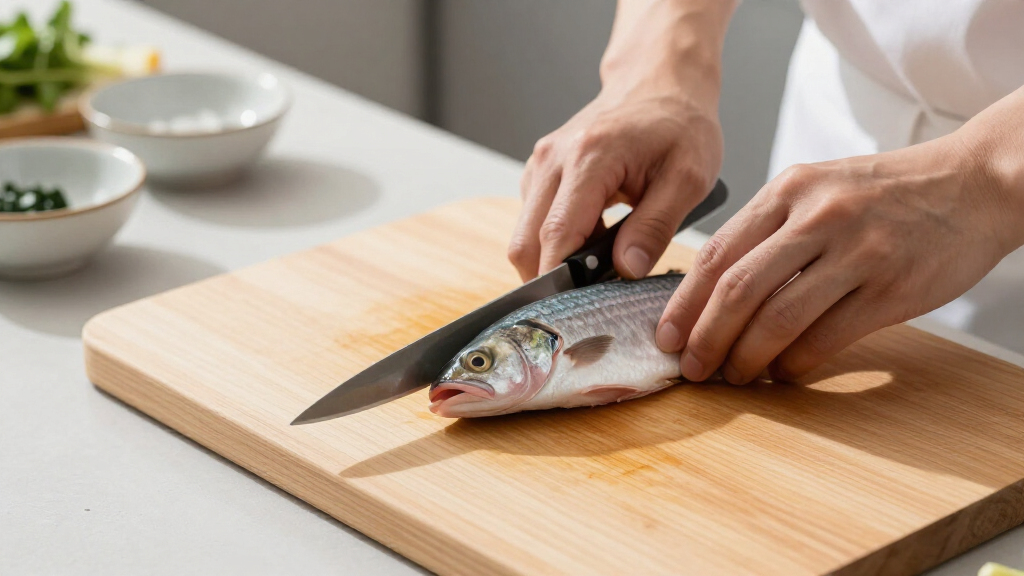
To determine the best traditional Japanese knives, I focused on critical factors such as blade material, edge geometry, craftsmanship, and versatility. Performance in cutting, ease of maintenance, and handle ergonomics also played key roles. Price was considered relative to quality, ensuring options cater to different budgets without sacrificing essential features. The ranking reflects a balance of these criteria, favoring knives that excel in real-world kitchen use while also considering durability and user comfort.| traditional japanese knife | Handle Material |
|---|---|
| Traditional Japanese Professio | Rosewood |
| Yoshihiro Kurouchi Black-Forge | — |
| 10” Sashimi Sushi Knife | Pakkawood |
| Sakai Takayuki Japanese Deba K | Natural wood |
| TONMA Chef Knife | — |
| Japanese Kitchen Knife Set of | — |
| FAMCÜTE Japanese Knife Set wit | Rosewood |
| Traditional Japanese Professio | Rosewood |
| Japanese Yanagiba Knife | — |
| MITSUMOTO SAKARI 4-Piece Japan | Rosewood |
| Yoshihiro Shiroko High Carbon | Magnolia wood |
Factors to Consider When Choosing Traditional Japanese Knives
Choosing the right traditional Japanese knife involves understanding several key factors that impact performance, comfort, and longevity. Beyond aesthetics, it’s essential to consider the steel type and sharpening requirements, as these determine how well the knife holds an edge and how easy it is to maintain. Blade shape and size influence the knife’s suitability for specific tasks, whether slicing fish or dicing vegetables. Handle design, balance, and weight also affect control during use. Being aware of these factors can help prevent costly mistakes and ensure a satisfying investment.Blade Material and Steel Type
The quality of steel directly impacts edge retention, corrosion resistance, and ease of sharpening. High-carbon steels like White #2 or Blue Steel provide exceptional sharpness but require careful maintenance to prevent rust. Modern stainless steels, such as VG10 or 9Cr18MoV, offer a good balance between durability and performance. Understanding your willingness to maintain the knife versus your need for low-maintenance options can guide your steel choice.
Blade Shape and Size
Different blade shapes serve specific functions: gyuto knives are versatile for general-purpose use, while yanagiba excels at slicing sashimi. The length impacts control and leverage; longer blades provide cleaner cuts for large fish, but smaller sizes are easier to handle for detailed work. Matching the blade size to your typical tasks will improve your efficiency and reduce fatigue.
Edge Geometry and Bevel
The angle and bevel type influence cutting precision and durability. Single-bevel knives are favored for sashimi and traditional Japanese techniques, offering precise control but requiring skill to sharpen. Double-bevel blades are more forgiving and suitable for most home cooks. Consider your sharpening ability and intended use when choosing this feature.
Handle Materials and Balance
Handles range from traditional wood to modern composites, affecting grip comfort and aesthetic preference. Rosewood and ebony handles are durable and beautiful but may require more maintenance. Proper balance between blade and handle reduces hand fatigue and enhances control, especially during extended use. Test the weight and feel before purchasing if possible.
Price and Craftsmanship
Higher prices typically reflect superior materials and craftsmanship, but mid-range options often deliver excellent value. Be wary of very cheap knives that sacrifice quality, as they may require frequent sharpening or replacement. Consider whether investing more aligns with your skill level and how often you plan to use the knife.
Frequently Asked Questions
Do I need a special sharpening stone for Japanese knives?
Yes, Japanese knives often have very acute angles and delicate edges that benefit from specific sharpening stones, such as water stones with fine grits (1000 to 8000). Using the wrong stone can damage the edge or produce inconsistent results. Investing in a quality stone and learning proper sharpening techniques will extend your knife’s lifespan and maintain its cutting performance.
Are Japanese knives suitable for Western-style cutting techniques?
While Japanese knives are optimized for traditional Japanese methods, they are versatile enough for Western techniques as well. Their sharpness and precision can improve slicing and dicing, but their lighter weight and thinner blades may feel different than Western knives. Adapting your grip and cutting style can maximize their advantages.
How often should I sharpen my Japanese knife?
The frequency depends on usage, but generally, a high-quality Japanese knife may only need sharpening every few months with regular use. Daily cooks or professionals might sharpen more frequently. Proper honing and careful cutting techniques can also help preserve the edge between sharpenings.
Is a single-bevel knife harder to maintain than a double-bevel?
Single-bevel knives require more skill to sharpen correctly because they have an asymmetric angle, which can be more delicate. They also need regular honing to maintain the bevel. However, they offer superior control for specific tasks like sashimi slicing. For home cooks, a double-bevel may be easier to care for.
Should I buy a knife set or individual knives?
Buying a set can provide good value and cover multiple needs, but individual knives often offer better quality and customization for specific tasks. Sets may include lower-grade blades or unnecessary pieces, whereas selecting individual high-quality knives ensures better performance and longevity tailored to your cooking style.
Conclusion
For general use and versatility, the Traditional Japanese Professional Gyuto remains the best overall choice, combining quality materials with a balanced design. Beginners or casual cooks looking for value should consider the TONMA Gyuto, which offers solid performance at a lower price. Those seeking a premium experience with exquisite craftsmanship might opt for the Yoshihiro Kurouchi Kiritsuke or the Yoshihiro Shiroko Kasumi Yanagi. If your focus is sashimi or fish preparation, specialized knives like the yanagiba are irreplaceable. Ultimately, choosing the right knife depends on your skill level, typical tasks, and budget—balance these factors to find your perfect match.
As an affiliate, we earn on qualifying purchases.Evergreen bestsellers Picks

Vitamix Propel Series 510 Professional-Grade Blender, 3 Programs, Black

Breville Barista Pro Espresso Machine with Grinder, Brushed Stainless Steel

Ninja Luxe Café Premier 3-in-1 Espresso Machine, Drip Coffee & Cold Brew