Choosing the right MacBook as a college power user comes down to one question: how much sustained performance do you actually need on campus? My top pick is the Apple 2026 MacBook Pro 16-inch with M5 Pro and 24GB of RAM, because it handles compiling code, rendering video, and running VMs without breaking a sweat while still lasting through a full class day. For students who want most of that capability at a lower weight, the 2025 MacBook Pro 14-inch with M5 is the smarter everyday choice, and the 2024 MacBook Pro with M4 Pro and 48GB of RAM is the standout for anyone whose coursework borders on professional workloads. The main tradeoffs you’ll face are screen size versus portability, unified memory versus storage capacity, and paying for Pro chips you may never fully use. Keep reading for the full breakdown of all six machines and which one fits your major, your backpack, and your budget.

Get your wardrobe favorites delivered free — and shop member deals
- Fast, free delivery on millions of items
- Access to Prime Big Deal Days deals on October 6–7
- Prime Video, Amazon Music and more included
Key Takeaways
- The M5 Pro 16-inch (24GB RAM) earned the top spot because it’s the only machine here that pairs a Pro-class chip with enough memory to stay relevant across a full four-year degree in demanding majors.
- The 2023 M3 MacBook Pro’s 8GB of RAM is its fatal flaw in 2026 — the Pro branding no longer compensates for memory limits that choke modern multitasking, making it the weakest value in this lineup despite the 1TB SSD.
- Both MacBook Air options lack fans, which means they throttle during long renders, exports, or compile sessions — fine for note-taking majors, a real limitation for engineering, film, and CS students.
- The M4 Pro with 48GB of RAM is overkill for most undergrads but becomes justifiable for machine learning coursework, 3D work, or students who plan to freelance professionally while in school.
- Every machine here with 512GB of storage will need an external SSD or cloud plan within two years for power users; the 1TB models (M5 and M5 Pro 16-inch, M3) hold their value partly because of this.
| Apple 2025 MacBook Pro 14.2-inch with M5 Chip, 16GB RAM, 1TB SSD |  | Best Overall | Processor: Apple M5 chip, 10-core CPU, 10-core GPU | Display: 14.2-inch Liquid Retina XDR | Memory: 16GB Unified Memory | VIEW ON AMAZON | See Our Full Breakdown |
| Apple 2026 MacBook Pro 16.2-inch with M5 Pro Chip, 24GB RAM, 1TB SSD | 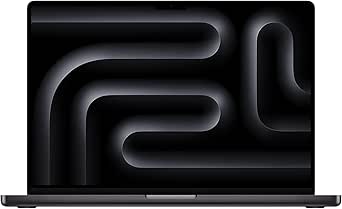 | Best Premium Pick | Processor: Apple M5 Pro chip, 18-core CPU, 20-core GPU | Display: 16.2-inch Liquid Retina XDR | Memory: 24GB Unified Memory | VIEW ON AMAZON | See Our Full Breakdown |
| Apple 2026 MacBook Air 15-inch with M5 Chip, 16GB RAM, 512GB SSD |  | Best Value Big Screen | Display: 15.3-inch Liquid Retina | Processor: Apple M5 chip with AI capabilities | Memory: 16GB Unified Memory | VIEW ON AMAZON | See Our Full Breakdown |
| Apple 2023 MacBook Pro 14.2-inch with M3 Chip, 8GB RAM, 1TB SSD |  | Best for Tight Budgets | Processor: Apple M3 chip, 8-core CPU, 10-core GPU | Display: 14.2-inch Liquid Retina XDR | Memory: 8GB Unified Memory | VIEW ON AMAZON | See Our Full Breakdown |
| Apple MacBook Air 13-inch with M5 Chip, 16GB Memory, 512GB SSD |  | Best Portable Pick | Chip: Apple M5 | Display: 13.6-inch Liquid Retina, supports 1 billion colors | Memory: 16GB Unified Memory | VIEW ON AMAZON | See Our Full Breakdown |
| Apple 2024 MacBook Pro 16.2-inch with M4 Pro, 48GB Memory, 512GB SSD, Space Black |  | Best for Heavy Multitaskers and Creative Majors | Processor: Apple M4 Pro, 14-core CPU, 20-core GPU | Display: 16.2-inch Liquid Retina XDR | Memory: 48GB Unified Memory | VIEW ON AMAZON | See Our Full Breakdown |
| macbook pro for college power user | Display | Memory | Storage | Camera |
|---|---|---|---|---|
| Apple 2025 MacBook Pro 14.2-in | 14.2-inch Liquid Retina XDR | 16GB Unified Memory | 1TB SSD | 12MP Center Stage |
| Apple 2026 MacBook Pro 16.2-in | 16.2-inch Liquid Retina XDR | 24GB Unified Memory | 1TB SSD | 12MP Center Stage |
| Apple 2026 MacBook Air 15-inch | 15.3-inch Liquid Retina | 16GB Unified Memory | 512GB SSD | 12MP Center Stage |
| Apple 2023 MacBook Pro 14.2-in | 14.2-inch Liquid Retina XDR | 8GB Unified Memory | 1TB SSD | 1080p FaceTime HD |
| Apple MacBook Air 13-inch with | 13.6-inch Liquid Retina, supports 1 billion colors | 16GB Unified Memory | 512GB SSD | 12MP Center Stage |
| Apple 2024 MacBook Pro 16.2-in | 16.2-inch Liquid Retina XDR | 48GB Unified Memory | 512GB SSD | 12MP Center Stage |
More Details on Our Top Picks
Apple 2025 MacBook Pro 14.2-inch with M5 Chip, 16GB RAM, 1TB SSD
This 14-inch M5 MacBook Pro hits the sweet spot for college power users: Pro-level performance in a carry-everywhere size. Compared with the 2026 16-inch M5 Pro model below, it gives up raw multi-core muscle but gains portability, and unlike the M3 MacBook Pro its 16GB of unified memory means it won’t choke when you’re juggling a VM, forty browser tabs, and a compile job during finals week. The Liquid Retina XDR display is genuinely useful for color-accurate design coursework, and the full port selection—Thunderbolt 4, HDMI, SDXC—means no dongle pouch. The honest tradeoff: 16GB is the floor for a machine you’ll keep four years, and the 1TB SSD is generous but contributes to a premium price that stings on a student budget. Still, nothing else in this lineup balances power, size, and longevity this well.
Pros:- M5 chip chews through coding, editing, and multitasking without thermal throttling
- 16GB unified memory keeps heavy multi-app sessions stable
- Full port selection including HDMI and SDXC eliminates dongles
- XDR display is color-accurate for creative coursework
Cons:- Premium pricing strains a typical student budget
- 16GB of memory is non-upgradeable and may feel tight in four years
- Locked into the Apple ecosystem with limited flexibility for non-Apple gear
Best for: STEM, design, and CS students who run heavy workloads daily but still carry their laptop across campus
Not ideal for: Students on tight budgets or those whose coursework is browser-based—an M5 MacBook Air handles that for far less money
- Processor:Apple M5 chip, 10-core CPU, 10-core GPU
- Display:14.2-inch Liquid Retina XDR
- Memory:16GB Unified Memory
- Storage:1TB SSD
- Ports:3x Thunderbolt 4, MagSafe 3, SDXC, HDMI, headphone jack
- Camera:12MP Center Stage
- Audio:Six speakers with Spatial Audio and Dolby Atmos
- Color:Space Black
Our verdict“If you want one laptop to power your entire degree without compromises on port or portability, this is the one to buy.”
Apple 2026 MacBook Pro 16.2-inch with M5 Pro Chip, 24GB RAM, 1TB SSD
This is the desktop-replacement tier of the lineup, and it earns that place honestly. The M5 Pro’s 18-core CPU and 20-core GPU outpace every other machine here, and its 24GB of memory clears the ceiling the base M5 14-inch model can hit during heavy machine-learning or video work. Thunderbolt 5 also future-proofs your external-display and storage setup in a way the M3 MacBook Pro’s Thunderbolt 4 simply can’t match. But be clear-eyed about the tradeoffs: at 16.2 inches it’s a backpack-weighing machine built for the desk more than the lecture hall, and the premium price is hard to justify unless your coursework genuinely demands the extra cores. Compared with the 2024 M4 Pro 16-inch, this model’s AI acceleration and newer connectivity make it the more forward-looking purchase—if you can stomach the cost.
Pros:- M5 Pro with 18-core CPU handles compilation, rendering, and ML workloads with headroom
- 24GB unified memory supports serious multitasking and large datasets
- Thunderbolt 5 and Wi-Fi 7 are the most future-proof connectivity in this lineup
- Largest XDR display here, ideal for timeline and code-heavy work
Cons:- Largest and heaviest laptop in the roundup—poor fit for constant campus mobility
- Highest-tier pricing that’s hard to justify for general coursework
- Apple-ecosystem lock-in limits peripheral flexibility
Best for: Engineering, film, and machine-learning students who run genuinely demanding software and mostly work from a desk
Not ideal for: Students who move between classes all day—it’s heavy, large, and overpowered for note-taking and browsing
- Processor:Apple M5 Pro chip, 18-core CPU, 20-core GPU
- Display:16.2-inch Liquid Retina XDR
- Memory:24GB Unified Memory
- Storage:1TB SSD
- Connectivity:Wi-Fi 7, Bluetooth 6, 3x Thunderbolt 5, SDXC, HDMI, MagSafe 3
- Camera:12MP Center Stage
- Audio:Six speakers with Spatial Audio and Dolby Atmos
- Color:Space Black
Our verdict“Buy this only if your major actively stresses a laptop—otherwise the smaller M5 Pro models deliver 90% of the experience for less weight and money.”
Apple 2026 MacBook Air 15-inch with M5 Chip, 16GB RAM, 512GB SSD
For power users whose demands are more about screen real estate and battery endurance than raw compute, this 15-inch Air splits the difference cleverly. You get the same 16GB of memory as the M5 MacBook Pro, so everyday multitasking feels nearly identical—where you notice the gap is sustained creative work, where the fanless Air throttles back. Compared with the 13-inch MacBook Air in this roundup, the larger display makes split-screen research and writing far more comfortable, though the 512GB SSD will fill fast if you accumulate video projects. Up to 18 hours of battery covers a full day of classes without a charger, and Wi-Fi 7 keeps it current on campus networks. The real compromise is expansion: it supports fewer external displays than the Pro models, which matters if you like a multi-monitor dorm desk setup.
Pros:- 15.3-inch display gives near-Pro workspace without the Pro price
- 16GB memory matches the base M5 Pro MacBook for everyday multitasking
- Up to 18 hours of battery outlasts a full class day
- Wi-Fi 7 and modern connectivity stay current with campus networks
Cons:- Fanless design throttles under sustained heavy workloads
- 512GB storage fills quickly for media-heavy students
- Limited external display support compared with Pro models
Best for: Humanities, business, and pre-med students who want a big screen, long battery, and light carry at a lower cost than a Pro
Not ideal for: Students doing video editing, 3D, or heavy coding builds—fanless performance limits and the smaller SSD will frustrate quickly
- Display:15.3-inch Liquid Retina
- Processor:Apple M5 chip with AI capabilities
- Memory:16GB Unified Memory
- Storage:512GB SSD
- Battery Life:Up to 18 hours
- Camera:12MP Center Stage
- Connectivity:Wi-Fi 7, Bluetooth 6, Thunderbolt 4, MagSafe, headphone jack
- Color:Midnight
Our verdict“The smart middle path: big-screen comfort and all-day battery for less, as long as your workload stays mainstream.”
Apple 2023 MacBook Pro 14.2-inch with M3 Chip, 8GB RAM, 1TB SSD
Of the Pro models here, this is the one that makes sense when money is the deciding factor. The M3 chip still handles programming, Lightroom, and research workloads competently, and you keep the full pro port array—HDMI, SDXC, MagSafe—that the MacBook Air models lack entirely. Against the 2025 M5 14-inch, the performance gap is real but not dramatic for typical student work; the gap that is dramatic is memory. 8GB of unified memory is the weakest link in this entire lineup, and it will show years before the chip does—multitasking heavy browsers alongside IDEs gets painful fast. The 1TB SSD partially compensates, and battery life rated up to 22 hours leads the group. Buy this knowingly: it’s a capable machine today with a shorter practical lifespan than any other pick here.
Pros:- Full pro port selection including HDMI and SDXC at a lower tier than current models
- Up to 22 hours of battery life—the best endurance rating here
- XDR display with HDR still outclasses the Air’s Liquid Retina panel
- 1TB storage rivals pricier models in this lineup
Cons:- 8GB unified memory is the smallest in the roundup and limits longevity
- Supports only one external display
- Older wireless stack—Wi-Fi 6E and Bluetooth 5.3 lag behind Wi-Fi 7 models
Best for: Budget-conscious students who want Pro build quality and ports without Pro pricing, and who keep workloads moderate
Not ideal for: Anyone planning to keep one laptop through a four-year degree with escalating demands—the 8GB ceiling will bite
- Processor:Apple M3 chip, 8-core CPU, 10-core GPU
- Display:14.2-inch Liquid Retina XDR
- Memory:8GB Unified Memory
- Storage:1TB SSD
- Battery Life:Up to 22 hours
- Ports:MagSafe, 2x Thunderbolt/USB 4, SDXC, HDMI, headphone jack
- Wireless:Wi-Fi 6E, Bluetooth 5.3
- Camera:1080p FaceTime HD
- Color:Space Gray
Our verdict“A smart economy pick if you accept a shorter performance runway in exchange for Pro features at a lower entry point.”
Apple MacBook Air 13-inch with M5 Chip, 16GB Memory, 512GB SSD
At 2.71 pounds and under half an inch thick, this is the laptop for students who measure their gear by what their shoulders feel at 4 p.m. The M5 chip with 16GB of memory means you’re not sacrificing much responsiveness—the 15-inch Air offers the same internals in a bigger chassis, so choosing between them is purely about screen preference versus carry weight. Where it falls short of every Pro here is sustained performance and expansion: only two Thunderbolt 4 ports and support for just two external displays mean dorm-desk setups stay simple. The 13.6-inch display supporting a billion colors is bright and pleasant, though it lacks the HDR punch of the XDR panels on the Pro models. For lecture halls, library marathons, and coffee-shop sessions, nothing in this lineup disappears into a backpack so completely.
Pros:- Lightest machine in the lineup at 2.71 pounds
- M5 chip with 16GB memory keeps day-to-day speed competitive with the Pros
- Up to 18 hours of battery covers multiple class days between charges
- Wi-Fi 7 and 12MP Center Stage camera keep it fully current
Cons:- Smallest screen here—tight for split-screen research and long writing sessions
- Two Thunderbolt ports limit peripheral and display setups
- Fanless design caps performance under sustained load
Best for: Commuter students and frequent travelers who prioritize minimum weight with modern-chip performance
Not ideal for: Power users who need sustained rendering throughput, HDR color work, or extensive port arrays—this isn’t a workstation substitute
- Chip:Apple M5
- Display:13.6-inch Liquid Retina, supports 1 billion colors
- Memory:16GB Unified Memory
- Storage:512GB SSD
- Battery Life:Up to 18 hours
- Ports:2x Thunderbolt 4, MagSafe, headphone jack
- Wireless:Wi-Fi 7, Bluetooth 6
- Camera:12MP Center Stage
- Weight:2.71 pounds
Our verdict“The pick when portability outranks power: modern performance that you’ll forget is in your bag until you need it.”
Apple 2024 MacBook Pro 16.2-inch with M4 Pro, 48GB Memory, 512GB SSD, Space Black
This model earns its place as the workhorse pick for students whose coursework borders on professional — think 4K video editing pipelines, large architectural renders in Blender, or running multiple VMs for computer science labs. The 48GB of unified memory is the standout spec here: compared with the 16GB in the base M5 MacBook Pro 14.2-inch, this machine keeps dozens of Chrome tabs, a full Adobe suite, and Xcode build environments open without memory pressure. The 20-core GPU also outmuscles the standard M5 chip for GPU-accelerated rendering, making it the better fit for film and design students.
The tradeoff is storage. A 512GB SSD at this tier fills up fast for anyone working with video projects, and you’ll likely need an external drive sooner than later — whereas the M5 Pro with 1TB handles media libraries natively. Compared with the MacBook Air 15-inch, the advantage is sustained performance under long render loads and the far richer port selection, but you pay for it in weight and cost.
Pros:- 48GB unified memory keeps heavy creative apps and multitasking smooth where 16GB models stall
- 20-core GPU handles 4K editing, 3D rendering, and ML coursework without thermal throttling
- Full port selection — three Thunderbolt 5, HDMI, SDXC — eliminates dongle clutter for camera work
- 16.2-inch Liquid Retina XDR display is a genuine advantage for color-accurate editing work
- All-day battery survives back-to-back lectures without carrying a charger
Cons:- 512GB SSD is undersized for a machine aimed at video and media workloads — expect external storage costs
- Highest-tier price in this lineup; the M5 Pro model offers more storage for similar money
- 16-inch chassis is heavier and less lecture-hall friendly than the 14-inch or Air options
Best for: Engineering, film, and design students who run memory-hungry software like DaVinci Resolve, MATLAB, or VMs and need a machine that won’t choke during finals-week workloads
Not ideal for: Students on tighter budgets or those mainly writing papers and browsing — the base M5 MacBook Pro or Air delivers the same everyday experience for far less money
- Processor:Apple M4 Pro, 14-core CPU, 20-core GPU
- Display:16.2-inch Liquid Retina XDR
- Memory:48GB Unified Memory
- Storage:512GB SSD
- Battery Life:All-day
- Ports:Three Thunderbolt 5, MagSafe 3, SDXC, HDMI, headphone jack
- Camera:12MP Center Stage
- Audio:Six speakers with Spatial Audio and Dolby Atmos
Our verdict“Buy this if your degree demands serious memory and GPU headroom today; skip it if your workload fits comfortably in a 16GB machine with more storage for the price.”

How We Picked
I evaluated each machine against what actually stresses a college power user’s laptop: sustained performance under long workloads (compiling, rendering, exporting), unified memory headroom for multitasking across browsers, IDEs, and creative apps, portability for a daily campus carry, battery life through back-to-back classes, and longevity across a four-year degree. Because a power user in computer science has very different needs from one in film or architecture, I also weighed how each configuration ages — a machine that feels fast in year one but chokes in year three is a bad buy no matter the specs.
The ranking logic favors balance over raw specs. The M5 Pro 16-inch leads because it wins on sustained performance and memory without an absurd price penalty. The M5 14-inch follows as the best all-around value for most students. The M4 Pro with 48GB ranks high for specialists but is deliberately placed below machines that suit a broader range of majors. The Airs land lower not because they’re bad laptops — they’re excellent — but because fanless designs and 512GB of storage impose real limits on exactly the workloads that define a power user. The 2023 M3 finishes last because its 8GB of RAM has become the bottleneck that disqualifies it for this audience.
| macbook pro for college power user | Processor | Color | Battery Life |
|---|---|---|---|
| Apple 2025 MacBook Pro 14.2-in | Apple M5 chip, 10-core CPU, 10-core GPU | Space Black | — |
| Apple 2026 MacBook Pro 16.2-in | Apple M5 Pro chip, 18-core CPU, 20-core GPU | Space Black | — |
| Apple 2026 MacBook Air 15-inch | Apple M5 chip with AI capabilities | Midnight | Up to 18 hours |
| Apple 2023 MacBook Pro 14.2-in | Apple M3 chip, 8-core CPU, 10-core GPU | Space Gray | Up to 22 hours |
| Apple MacBook Air 13-inch with | — | — | Up to 18 hours |
| Apple 2024 MacBook Pro 16.2-in | Apple M4 Pro, 14-core CPU, 20-core GPU | — | All-day |
Factors to Consider When Choosing Macbook Pro For College Power Users
Before locking in a configuration, step back and think about how your specific major and workflow will stress this machine over four years — not how it feels in a showroom. These are the factors that most often make or break a MacBook purchase for students who push their laptops hard.Unified Memory Is Your Real Upgrade, Not the Chip
The single most common mistake students make is maxing out the chip while skimping on RAM, because Apple’s unified memory is soldered and can never be upgraded later. In 2026, 8GB is a dead end for power users — modern browsers, IDEs, and AI-assisted coding tools alone can consume that before you open a single project file. 16GB is the realistic floor for a power user, 24GB gives you genuine headroom for VMs or large creative projects, and 48GB only makes sense if your coursework involves training models or massive datasets. My advice: whenever you’re choosing between a faster chip and more RAM at a similar cost, take the RAM. You’ll feel a memory ceiling every single day; you’ll rarely notice a slightly slower CPU. This is exactly why the 2023 M3 Pro ranks below every 16GB machine in this roundup despite its Pro badge.
Pro Chip vs. Base Chip: When the Premium Actually Pays
The difference between an M5 and an M5 Pro isn’t just speed — it’s memory bandwidth, sustained clocks, and extra performance cores that matter only under long, heavy loads. If your workload consists of coding assignments, statistical analysis, document editing, and occasional photo work, a base M5 will feel identical to a Pro chip in day-to-day use. The Pro premium pays off when tasks run for many minutes at a time: video exports, codebase compiles, 3D renders, or running multiple containers. A useful self-test: if you regularly wait more than a couple of minutes for your current laptop to finish a task, a Pro chip will change your life; if your tasks finish in seconds, it won’t. Students in humanities, business, and most sciences can safely skip the Pro tier and redirect that budget toward RAM or storage.
Portability: The Weight You Carry Every Day Adds Up
A 16-inch MacBook Pro is a magnificent workstation and a genuinely heavy thing to carry across campus twice a day, every day, for four years. The difference between roughly 4.5 pounds and under 3 pounds sounds small until you’re adding it to textbooks, a charger, and everything else in a backpack. The honest tradeoff: the 14-inch Pro hits the sweet spot for most power users — nearly all the capability, meaningfully less bulk — while the 16-inch makes sense if your laptop mostly lives at a desk and travels only occasionally. Also consider that the 16-inch screens excel for video editing and spreadsheets but won’t fit comfortably on small lecture-hall desk surfaces. If you’re torn, err smaller; external monitors in a dorm or library solve screen real estate better than a heavy chassis does.
Storage Strategy: 512GB Fills Faster Than You Think
Every 512GB machine in this lineup will test your storage discipline, because power-user files — Xcode projects, video scratch files, datasets, game dev assets — grow relentlessly. Apple’s internal storage upgrades are expensive per gigabyte, which is why I lean toward the pragmatic approach: buy the internal storage you need for active projects, external SSD for everything else. A fast USB-C or Thunderbolt external drive handles archives, media libraries, and course backups at a fraction of Apple’s upgrade cost, and a small NVMe drive slips into a laptop sleeve unnoticed. The 1TB models in this roundup remove that friction entirely, which matters if you’re in film, music production, or any major generating huge files weekly. Just don’t let a thin SSD be the deciding factor over a memory configuration — storage has workarounds, RAM does not.
Fanless Airs: Where They Fit — and Where They Don’t
The MacBook Air’s fanless design is wonderful for silence and thinness, but it means the chip throttles under sustained load, slowing down during long exports, compiles, or renders. For short bursts — web development, writing, data analysis in Python or R, presentations — an Air performs like a Pro and is a legitimately great power-user machine. The dividing line is duration: tasks longer than a few minutes expose the thermal ceiling. Engineering students running simulations, film students exporting timelines, and CS students compiling large projects or running VMs will feel that ceiling repeatedly. If you’re set on an Air anyway, the 15-inch model’s larger chassis dissipates heat slightly better and gives you more screen for split-pane work. The Air is the right answer for many students — just not for the heaviest sustained workloads.
Buying for Four Years, Not for Freshman Fall
The smartest framing for this purchase is total cost across your degree, not the sticker shock today. A configuration that feels like overkill now — 24GB of RAM, a Pro chip — often costs less per year of usable life than a cheaper machine you’ll want to replace by junior year. Software demands also ratchet up: tools that ran comfortably on 8GB three years ago now expect 16, and AI-assisted development workflows are accelerating that curve. Check whether your specific program publishes minimum laptop requirements — many engineering, architecture, and film programs do, and some specify memory minimums or screen sizes that narrow your choice immediately. Finally, factor in resale value: Pro machines with generous RAM historically hold value well, which softens the premium if you sell after graduation.
Frequently Asked Questions
Is the 16-inch MacBook Pro too big for carrying to classes every day?
That depends on how far and how often you carry it. At roughly 4.5 pounds before the charger, a 16-inch Pro is noticeably heavier than a 14-inch or an Air, and that difference compounds across a full day of walking between buildings. It also physically doesn’t fit well on narrow lecture-hall desks, which is a small annoyance that becomes a daily one. My suggestion: if your laptop lives mostly in a dorm or apartment and travels once or twice a week, the 16-inch is fine and the screen is glorious. If you’re commuting daily with it on your back, the 14-inch Pro or 15-inch Air will serve you better and your shoulders will thank you.
Will 16GB of unified memory be enough for all four years of a demanding major?
For most majors, yes — 16GB comfortably handles concurrent browsers, an IDE, communication apps, and creative software today, and Apple’s memory compression stretches it further than the raw number suggests. The students who should exceed it are those running virtual machines, training machine learning models locally, editing multi-layer 4K video, or working with very large datasets, because those workloads allocate memory greedily and don’t compress well. If that describes your program, 24GB or 48GB is a genuine necessity rather than a luxury. One practical middle path: start at 16GB only if you’re confident your workload fits, because unlike storage, there is no external workaround for memory — you’re locked into your choice for the life of the machine.
Should I buy the older M3 or M4 Pro machines at a discount instead of a new M5?
Chip generations matter less than people assume, but configuration matters enormously — and that’s the trap with older machines. The 2023 M3 in this lineup is the cautionary example: the Pro branding and 1TB SSD look appealing, but 8GB of RAM undermines everything else about it for power-user workloads in 2026 and beyond. Conversely, the 2024 M4 Pro with 48GB of RAM is still a monster that will outlast most current base models for heavy work. The rule of thumb: buy an older generation only if its memory and storage configuration still meet the four-year standard, and treat the chip age as a secondary factor. A one-generation-old Pro chip with plenty of RAM beats a brand-new chip starved of memory every time.
Can a MacBook Air really work as a power user’s machine, or do I need a Pro?
A MacBook Air can absolutely be a power user’s machine for the right kind of power use. Short, bursty workloads — coding assignments, data analysis, document work, web development — run just as quickly on an Air because the fanless design only limits sustained performance. Where the Air falls short is duration: long video exports, extended compiles, 3D renders, and virtual machines will cause throttling that slows those tasks noticeably compared with a Pro. Be honest about your typical workload rather than your worst-case scenario; many students buy a Pro for hypothetical tasks they perform once a semester. If your heavy tasks are occasional, an Air paired with patience — or a lab machine for the heavy days — is a legitimate and much lighter strategy.
Is 512GB of storage enough, or should I pay for more internal storage?
For a power user, 512GB works if you’re disciplined, but plan on an external SSD from the start rather than pretending you’ll manage forever. Course projects, development environments, and system overhead will consume a surprising share of it in the first year alone, and students in film, music, or game development can fill it in a semester. The economics favor external storage: a fast portable SSD costs a fraction of Apple’s per-gigabyte upgrade pricing and handles archives and media libraries just as well over USB-C or Thunderbolt. Reserve internal storage for your OS, active projects, and applications, where the built-in drive’s speed matters most. The exception is if your program requires working directly off large files in the field — video editing on location, for example — where 1TB internal genuinely earns its premium.
Conclusion
Mapping these six machines to buyer types: for the best overall pick, the 2026 MacBook Pro 16-inch with M5 Pro and 24GB of RAM is the machine that carries a demanding major through all four years without compromise. The best value is the 2025 MacBook Pro 14-inch with M5 and 16GB — it delivers nearly the same daily experience in a far more portable package, and it’s the right default for most students. For those who need the premium ceiling, the M4 Pro with 48GB of RAM is unbeatable for machine learning, heavy 3D, or students freelancing professionally. The 15-inch MacBook Air with M5 is the best choice for lighter power users — writers, analysts, and coders whose workloads are bursty rather than sustained — while the 13-inch Air suits minimalists prioritizing weight above all. The 2023 M3 MacBook Pro is the one I’d skip: its 8GB of RAM makes it a poor investment for this audience no matter the discount. Whatever you choose, prioritize memory over chip speed and buy for your junior-year workload, not your freshman syllabus.
Halloween Picks
halloween
As an affiliate, we earn on qualifying purchases.