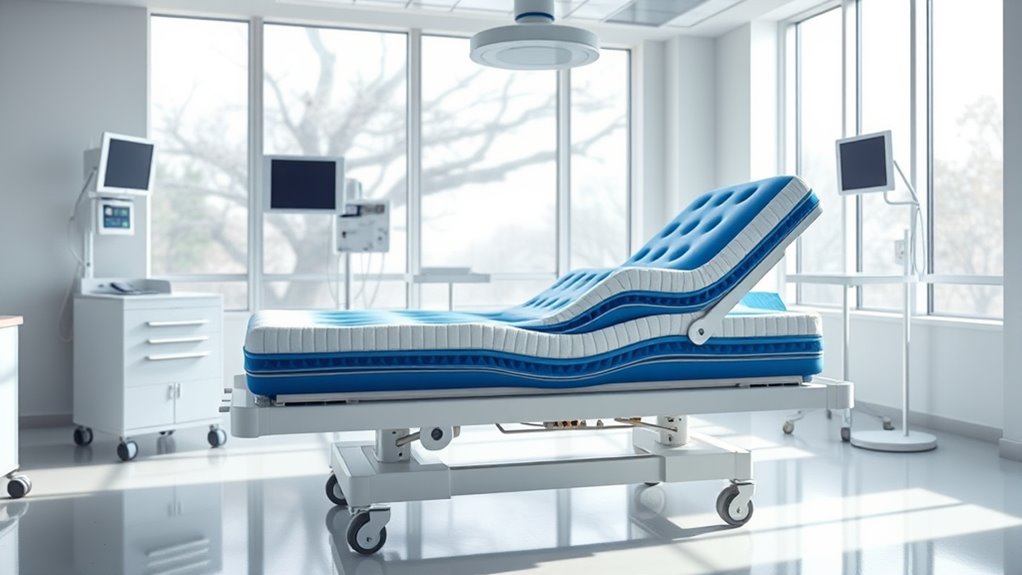

Low air loss mattress systems for pressure relief combine airflow with changing or steady support, but they differ in how much setup, monitoring, and bed compatibility they require. I name the Protekt Aire 4000 best overall for its combined low air loss and alternating pressure approach; the Drive Medical Med-Aire stands out as a replacement-system option, while the Lunderg pad adds a foam comfort layer for shoppers seeking an overlay-style setup. The main tradeoff is between a more complete mattress replacement and a simpler pad or overlay, along with the caregiver attention each may require. Mattress dimensions, patient needs, and clinical guidance matter as much as pump features. Read on for how the 14 options differ and which type may fit your situation.

Get your wardrobe favorites delivered free with Prime
- Fast, free delivery on millions of items
- Prime Video, Amazon Music and more included
- Member-only deals all year
Key Takeaways
- The Protekt Aire 4000 leads this lineup because it combines low air loss with alternating pressure, rather than focusing on one function alone.
- Replacement systems and overlays serve different setups: Drive Medical’s Med-Aire models are replacement-system choices, while the Protekt Aire 2000 and several VOCIC, Lunderg, and FOMMOF options are pad or overlay formats.
- Digital controls are a differentiator, not a substitute for fit: several picks include digital pumps, alarms, or remote controls, but buyers still need to match dimensions and bed type.
- Static mode and a foam comfort layer change the use case: the VOCIC pad with static mode and Lunderg pad with foam add alternatives to a constantly alternating surface.
- The lineup ranges from simpler pads to feature-oriented systems: the right choice depends on whether the priority is a straightforward overlay, caregiver alerts, or a more complete low air loss mattress setup.
| Proactive Medical Protekt Aire 2000 Mattress Overlay |  | Best Low-Profile Overlay | Model: 80020 | Mattress height: 5 inches | Weight capacity: 350 lbs | VIEW ON AMAZON | See Our Full Breakdown |
| MedVance Medical Alternating Air Mattress with Digital Pump |  | Best for Power-Outage Buffer | Dimensions: 80 x 36 x 8 inches | Weight capacity: 450 pounds | Item weight: 28 pounds | VIEW ON AMAZON | See Our Full Breakdown |
| ProHeal Low Air Loss Alternating Pressure Mattress, 36 x 80 x 8 in |  | Best for Moisture Management | Dimensions: 80 x 36 x 8 inches | Weight: 25.8 pounds | Air cells: 20 cell-on-cell bladders | VIEW ON AMAZON | See Our Full Breakdown |
| Protekt Aire 4000 Low Air Loss and Alternating Pressure Mattress System |  | Best for Easy Cover Care | Model: Protekt Aire 4000 | Model number: 22017 | Product type: Low air loss and alternating pressure mattress system | VIEW ON AMAZON | See Our Full Breakdown |
| VOCIC Alternating Pressure Mattress System with Smart Pump |  | Best for Flexible Support Modes | Layers: Dual-layer | Air tubes: 20 | Adjustable modes: 3 | VIEW ON AMAZON | See Our Full Breakdown |
| McKesson 146 Alternating Pressure and Low Air Loss Mattress, 36 x 80 x 8 in |  | Best for Replaceable Air Cells | Dimensions: 80 x 36 x 8 inches | Weight: 31.2 pounds | Maximum weight capacity: 350 pounds | VIEW ON AMAZON | See Our Full Breakdown |
| ProHeal Low Air Loss Alternating Pressure Mattress with Digital Alarm, 36 x 80 x 8 in |  | Best for High-Capacity Support | Size: 36 x 80 x 8 inches | Weight: 30 pounds | Maximum weight capacity: 1,000 pounds | VIEW ON AMAZON | See Our Full Breakdown |
| Drive Medical Med-Aire Low Air Loss Mattress Replacement System |  | Best for Caregiver Monitoring | Air cells: 20 replaceable 8-inch bladders | Pump airflow: 8 liters per minute | Alternating cycle: 10 minutes | VIEW ON AMAZON | See Our Full Breakdown |
| VOCIC Alternating Pressure Mattress Pad with Static Mode |  | Best Lightweight, Wipe-Clean Pad | Model: S46-A | Size: 190 x 85 x 8.5 cm | Item weight: 6.4 pounds | VIEW ON AMAZON | See Our Full Breakdown |
| Lunderg Alternating Air Pressure Mattress Pad with Static Mode and Foam Comfort Layer |  | Best for Added Surface Cushioning | Size: Twin, 35 x 75 inches | Material: Polyvinyl chloride | Weight capacity: 300 pounds | VIEW ON AMAZON | See Our Full Breakdown |
| FOMMOF Alternating Pressure Mattress Pad with Pump and Remote |  | Best for Simple Setup and Remote Adjustments | Type: Alternating air pressure mattress pad | Air cells: 130 | Dimensions: 35 in W × 78 in L | VIEW ON AMAZON | See Our Full Breakdown |
| Vive 8-Inch Alternating Pressure Mattress with Low Air Loss |  | Best for Switching Between Alternating and Static Support | Mattress height: 8 inches | Air chambers: 16 | Pressure settings: Adjustable alternating pressure and static setting | VIEW ON AMAZON | See Our Full Breakdown |
| TenderGentle Low Air Loss Mattress for Hospital Bed, 36 x 80 in |  | Best for Moisture and Heat Management | Dimensions: 36 × 80 in | Weight capacity: 350 lbs | Item weight: 22 lbs | VIEW ON AMAZON | See Our Full Breakdown |
| Drive Medical Med-Aire Melody Alternating Pressure and Low Air Loss Mattress Replacement System |  | Best for Care Teams Wanting System Monitoring | Model: 14026 | Dimensions: 80 × 35 × 8 inches | Air cells: 20 removable cells, 8 inches deep | VIEW ON AMAZON | See Our Full Breakdown |
| low air loss mattress systems for pressure relief | Weight capacity | Cover |
|---|---|---|
| Proactive Medical Protekt Aire | 350 lbs | — |
| MedVance Medical Alternating A | 450 pounds | Removable, quilted, water-resistant nylon/PU |
| ProHeal Low Air Loss Alternati | — | Removable, fluid-resistant, non-shear |
| Protekt Aire 4000 Low Air Loss | — | — |
| VOCIC Alternating Pressure Mat | — | Waterproof, dustproof, machine washable |
| McKesson 146 Alternating Press | — | Removable water-resistant nylon |
| ProHeal Low Air Loss Alternati | — | Fluid-resistant nylon |
| Drive Medical Med-Aire Low Air | 350 pounds | — |
| VOCIC Alternating Pressure Mat | — | — |
| Lunderg Alternating Air Pressu | 300 pounds | — |
| FOMMOF Alternating Pressure Ma | 350 lb | — |
| Vive 8-Inch Alternating Pressu | 350 pounds | Waterproof, breathable vinyl |
| TenderGentle Low Air Loss Matt | 350 lbs | Waterproof, vapor-permeable, removable |
| Drive Medical Med-Aire Melody | 350 pounds | — |
More Details on Our Top Picks
Proactive Medical Protekt Aire 2000 Mattress Overlay
The 5-inch overlay is a practical choice when a full replacement mattress is not the goal. It combines alternating pressure and low air loss, so its 17 bladders cycle to redistribute pressure while airflow supports moisture management. Compared with the 8-inch MedVance Medical system, the Protekt Aire 2000 has a lower profile, but its 350-pound capacity is also lower and its overlay format may not suit every bed or care plan. Adjustable airflow and a quiet pump help tailor the setup without adding elaborate controls. Its tradeoff is the usual equipment burden: the pump needs power, and tubing must be routed without kinks. I’d choose it for a compatible bed needing combined therapies in a thinner overlay, not for buyers seeking outage protection or a higher capacity.
Pros:- Combines alternating pressure with low air loss in a 5-inch overlay
- Adjustable airflow allows some tailoring of support
- Quiet pump and kink-resistant tubing support practical setup
- 17 bladders cycle on a stated 10-minute schedule
Cons:- 350-pound weight capacity is lower than the MedVance system’s stated 450 pounds
- Requires a powered pump and tubing, adding setup and placement needs
Best for: Caregivers seeking a lower-profile overlay with both alternating pressure and low air loss for a user weighing no more than 350 pounds.
Not ideal for: Buyers needing a full-height replacement system, documented power-outage protection, or capacity above 350 pounds.
- Model:80020
- Mattress height:5 inches
- Weight capacity:350 lbs
- Therapies:Alternating pressure and low air loss
- Bladders:17
- Cycle time:10 minutes
- Tubing:Kink-resistant
- Laser holes:18
Our verdict“Choose the Protekt Aire 2000 if you need combined therapies in a low-profile overlay and the user’s weight is within its 350-pound limit.”
MedVance Medical Alternating Air Mattress with Digital Pump
The MedVance stands out for its cell-on-cell construction and stated up to 24 hours of power-outage protection, a useful distinction for households concerned about interruptions. Its digital pump adds adjustable settings, an LED display, and diagnostic alarms, while the under-20 dB noise specification favors quieter rooms. Compared with the Protekt Aire 2000 overlay, this is an 8-inch hospital-bed mattress with a higher 450-pound capacity, but it is less suited to buyers who want a lower-profile overlay. The CPR pull tag supports rapid deflation in an emergency. The main compromises are fit and upkeep: it is sized for standard hospital beds, and its quilted water-resistant cover is hand-wash only. I’d prioritize it when outage buffering and pump feedback matter more than simple cleaning.
Pros:- Cell-on-cell design is intended to help prevent bottoming out
- Up to 24 hours of stated power-outage protection
- Digital controls, LED display, and diagnostic alarms
- Quiet pump specification and rapid-deflation CPR pull tag
Cons:- Designed for standard hospital beds, limiting fit flexibility
- Removable cover requires hand washing
- Does not describe low-air-loss ventilation, unlike the Protekt Aire 2000 and ProHeal system
Best for: Caregivers with a standard 80-by-36-inch hospital bed who want digital pump feedback and a stated power-outage buffer.
Not ideal for: Buyers with nonstandard bed dimensions or those who need a cover that can be machine washed.
- Dimensions:80 x 36 x 8 inches
- Weight capacity:450 pounds
- Item weight:28 pounds
- Pump noise:Less than 20 dB
- Power-outage protection:Up to 24 hours
- Cover:Removable, quilted, water-resistant nylon/PU
- Care instructions:Hand wash only
- Included components:Pump and mattress
Our verdict“Pick the MedVance if outage buffering and digital monitoring matter more than low-air-loss ventilation or machine-washable care.”
ProHeal Low Air Loss Alternating Pressure Mattress, 36 x 80 x 8 in
The ProHeal pairs low-air-loss ventilation with 20 cell-on-cell bladders, making it a strong match for buyers who want pressure cycling and airflow in one replacement mattress. Its 18 ventilation holes support moisture management, while the removable fluid-resistant, non-shear cover addresses practical skin-care concerns. Compared with the MedVance, ProHeal explicitly lists low air loss and a 10-minute alternating cycle, but it does not state the same 24-hour outage protection. The lower four inches retain air during power failure, offering some support rather than a complete solution to an outage. Adjustable pressure, a low-pressure alarm, and a CPR valve add useful controls. The tradeoff is that this system still depends on a powered pump for its therapies, and its specifications do not provide a weight capacity.
Pros:- Combines low-air-loss ventilation with alternating pressure
- Cell-on-cell design and 10-minute cycling support pressure redistribution
- Removable fluid-resistant, non-shear cover
- Includes a low-pressure alarm, CPR valve, and partial air retention during power failure
Cons:- Requires a powered pump for normal operation
- Power-failure support is limited to the lower four inches retaining air
- No weight capacity is provided in the listed specifications
Best for: Care teams seeking an 8-inch system with low-air-loss ventilation, pressure adjustment, and a fluid-resistant cover for stage I–III pressure-ulcer care.
Not ideal for: Buyers who need a stated high weight capacity or extended, quantified power-outage protection.
- Dimensions:80 x 36 x 8 inches
- Weight:25.8 pounds
- Air cells:20 cell-on-cell bladders
- Alternating cycle:10 minutes
- Intended pressure-ulcer stages:I–III
- Ventilation holes:18 laser-sized holes
- Cover:Removable, fluid-resistant, non-shear
- Power-failure support:Lower 4 inches retain air
- Controls and safety features:CPR valve, low-pressure alarm, adjustable pressure
Our verdict“Choose ProHeal when moisture management and explicit low-air-loss features take priority over a stated outage duration or capacity rating.”
Protekt Aire 4000 Low Air Loss and Alternating Pressure Mattress System
The Protekt Aire 4000 earns its place for buyers who want the two core therapies—low air loss and alternating pressure—paired with a cover that can go in the washing machine. That care advantage separates it from the MedVance, whose cover is hand-wash only, and may matter in settings where regular laundering is part of the routine. The package includes the air pump, tubing, and connectors, so the main components are specified together rather than left as separate purchases. Still, the product data here is less detailed than the ProHeal listing: it gives no dimensions, weight capacity, cycle timing, or alarm information. Its polyurethane cover is water-repellent rather than described as waterproof. I’d favor it when washable cover care is a priority, but choose a more fully specified alternative if capacity or clinical controls need verification first.
Pros:- Includes both low air loss and alternating pressure
- Pump, tubing, and connectors are listed as included components
- Polyurethane cover is machine washable and tumble dryable on low
- Water-repellent cover adds a barrier against routine moisture
Cons:- Listed specifications do not state dimensions or weight capacity
- No cycle time, alarm features, or power-failure behavior is provided
- Water-repellent is not the same as a stated waterproof cover
Best for: Caregivers who prioritize machine-washable cover care and want a system that includes its pump and connection hardware.
Not ideal for: Buyers who need clearly stated dimensions, weight capacity, cycle timing, or alarm details before selecting a pressure-relief system.
- Model:Protekt Aire 4000
- Model number:22017
- Product type:Low air loss and alternating pressure mattress system
- Age range:Adult
- Included components:Mattress cover, air pump, tubing/connectors
- Cover material:Polyurethane
- Closure:Zipper
- Water resistance:Water repellent
- Cover care:Machine wash; tumble dry low; do not bleach
Our verdict“Choose the Protekt Aire 4000 if washable cover care and an included pump package matter more than detailed capacity and control specifications.”
VOCIC Alternating Pressure Mattress System with Smart Pump
VOCIC offers more than a standard alternating cycle: its three adjustable modes, static mode, and sitting support give caregivers several ways to adapt support to different positions. The low-air and power-failure alarms provide alerts, while the CPR release supports rapid deflation. Its waterproof, machine-washable cover is convenient beside the Protekt Aire 4000’s water-repellent cover, though the VOCIC’s stated width is only 33 inches. That narrower profile may not fit a standard 36-inch bed as neatly as the ProHeal or MedVance systems. VOCIC lists a 507-pound capacity, the highest stated figure among these five, but its 45 dB noise specification is less quiet than MedVance’s under-20 dB pump. This is the more mode-rich choice, with bed fit and pump noise worth weighing before purchase.
Pros:- Three adjustable alternating modes plus static mode and sitting support
- Low-air and power-failure alarms with CPR rapid-deflation release
- Waterproof, dustproof cover is machine washable
- 507-pound stated maximum capacity
Cons:- 33-inch width may not suit beds designed for a 36-inch mattress
- 45 dB noise specification is higher than the MedVance pump’s stated level
- Requires a powered pump
Best for: Caregivers who need static and sitting support options, alarm alerts, a washable waterproof cover, and a stated capacity up to 507 pounds.
Not ideal for: Buyers needing a 36-inch-wide mattress footprint or prioritizing a quieter pump specification.
- Layers:Dual-layer
- Air tubes:20
- Adjustable modes:3
- Support modes:Static mode and sitting support
- Alarms:Low-air and power-failure
- Maximum weight capacity:507 lbs (230 kg)
- Inflated dimensions:79 x 33 x 8 inches (200 x 85 x 20 cm)
- Noise level:45 dB
- Cover:Waterproof, dustproof, machine washable
Our verdict“Choose VOCIC for its range of support modes, alarms, and higher stated capacity if its 33-inch width and pump noise fit your needs.”
McKesson 146 Alternating Pressure and Low Air Loss Mattress, 36 x 80 x 8 in
The McKesson 146 pairs alternating pressure with low-air-loss ventilation, addressing both pressure redistribution and moisture buildup rather than relying on cycling alone. Its 20 replaceable air cells give caregivers a way to replace an individual cell instead of treating a damaged section as a reason to replace the whole mattress. Compared with the Drive Medical Med-Aire, it offers similar cell-level serviceability, while the Drive adds a built-in pillow and pressure alarms. McKesson’s pump has static mode for a steadier surface during care and adjustable patient-weight settings, but its stated 350-pound capacity is lower than the ProHeal model’s. The water-resistant nylon cover is removable, though the system still depends on powered inflation and is less suitable for buyers who need a higher-capacity mattress.
Pros:- Combines low-air-loss ventilation with alternating pressure to address moisture and pressure redistribution.
- Twenty replaceable air cells can simplify repairs.
- Static mode and adjustable patient-weight settings support different care needs.
- Removable, water-resistant nylon cover helps with routine cleanup.
Cons:- 350-pound maximum capacity is lower than the ProHeal system’s stated capacity.
- Requires a powered pump to maintain mattress function.
- The listed 10-minute alternating cycle offers less cycle choice than the ProHeal model.
Best for: Caregivers seeking a full-size replacement mattress with low-air-loss ventilation, replaceable cells, and a static setting for care routines, for a user within the 350-pound limit.
Not ideal for: Users above 350 pounds or households seeking a pad that does not rely on a powered pump.
- Dimensions:80 x 36 x 8 inches
- Weight:31.2 pounds
- Maximum weight capacity:350 pounds
- Air cells:20 replaceable
- Cover:Removable water-resistant nylon
- Pump modes:Static or 10-minute alternating cycles
Our verdict“Choose the McKesson 146 if replaceable cells and low-air-loss ventilation matter more than a higher weight limit or multiple cycle choices.”
ProHeal Low Air Loss Alternating Pressure Mattress with Digital Alarm, 36 x 80 x 8 in
For buyers who need a high stated weight capacity alongside low-air-loss care, the ProHeal stands apart: its listed limit is 1,000 pounds, well above the McKesson 146 and Drive Medical Med-Aire systems. Its four alternating-cycle choices let caregivers select among 10-, 15-, 20-, and 25-minute intervals, rather than accepting the single 10-minute cycle listed for those alternatives. The cell-on-cell design keeps air in the lower layer during a power failure, while audible and visual alarms flag low pressure, power loss, or an alternating failure. Those safeguards make this the most feature-rich monitoring option in this group. The tradeoff is continued dependence on a powered pump, and the detailed controls may be more than needed for someone seeking a simpler home setup.
Pros:- Listed 1,000-pound maximum capacity exceeds the other full-size systems reviewed here.
- Four selectable alternating cycles allow more adjustment than the single-cycle McKesson and Drive options.
- Cell-on-cell construction retains air in the lower layer during power failure.
- Audible and visual alarms cover low pressure, power failure, and alternating failure.
Cons:- Requires a powered pump for operation.
- Its monitoring and mode options may add complexity for buyers who need basic pressure cycling.
- At 30 pounds, it is not as light as the VOCIC pad.
Best for: Care teams or households needing a full-size low-air-loss system with a high stated capacity, selectable cycles, and pump-failure alerts.
Not ideal for: Buyers who want a simple, lightweight mattress pad or do not need alarms and multiple cycle settings.
- Size:36 x 80 x 8 inches
- Weight:30 pounds
- Maximum weight capacity:1,000 pounds
- Air bladders:20
- Alternating cycles:10, 15, 20, and 25 minutes
- Modes:Alternating, static, and auto firm
- Alarms:Low pressure, power failure, and alternating failure
- Cover:Fluid-resistant nylon
Our verdict“Choose the ProHeal when high stated capacity, cycle selection, and failure alerts outweigh the appeal of a simpler system.”
Drive Medical Med-Aire Low Air Loss Mattress Replacement System
The Drive Medical Med-Aire is a strong fit when pressure management needs to be paired with clear pump monitoring. It combines alternating pressure and low-air-loss airflow with pressure monitoring and an audio-visual low-pressure alarm, giving caregivers a prompt to check the system if inflation drops. Its removable, four-way-stretch cover is fluid-resistant and vapor-permeable, which supports moisture management while limiting surface friction. Like the McKesson 146, it has 20 replaceable cells and a 350-pound capacity; unlike that model, it includes a built-in pillow and specifies an 8-liter-per-minute pump airflow. The fixed 10-minute cycle is less adjustable than the ProHeal’s four choices, and its capacity may rule it out for some users. A powered pump is required.
Pros:- Combines alternating pressure and low-air-loss airflow for pressure and moisture management.
- Pressure monitoring and an audio-visual low-pressure alarm help flag drops in inflation.
- Twenty replaceable air cells and a built-in pillow add serviceability and head support.
- Four-way-stretch, vapor-permeable, fluid-resistant cover supports moisture and friction management.
Cons:- 350-pound maximum capacity is far below the ProHeal system’s stated 1,000-pound limit.
- The specified alternating cycle is 10 minutes, with no other cycle choices listed.
- Requires a powered pump to operate.
Best for: Caregivers who want low-air-loss ventilation, replaceable cells, and a low-pressure alarm in a standard full-size mattress system.
Not ideal for: Users over 350 pounds or caregivers who need multiple selectable alternating-cycle intervals.
- Air cells:20 replaceable 8-inch bladders
- Pump airflow:8 liters per minute
- Alternating cycle:10 minutes
- Weight capacity:350 pounds
- Cover material:Polyurethane
- Cover features:Removable, four-way stretch, fluid-resistant, low-shear, and vapor-permeable
- Monitoring:Pressure monitoring with audio-visual low-pressure alarm
- Additional feature:Built-in pillow
Our verdict“Pick the Med-Aire if caregiver pressure alerts and a breathable cover are priorities, provided its 350-pound capacity and fixed cycle fit the user.”
VOCIC Alternating Pressure Mattress Pad with Static Mode
The VOCIC S46-A is the lightest option in this set at 6.4 pounds, making it easier to handle than full replacement systems such as the 30-pound ProHeal. Its waterproof nylon-polyether TPU surface wipes clean, and the stated 440-pound capacity exceeds the McKesson and Drive systems. Static mode provides a steadier surface during care, while the CPR rapid-deflation release allows quick deflation when needed. The distinction is that this is presented as an alternating-pressure pad, not a low-air-loss system: unlike the Med-Aire or McKesson, the supplied details do not list low-air-loss ventilation. Buyers specifically seeking airflow for moisture management should favor those systems instead. The listed dimensions also warrant checking against the bed before purchase, and operation still depends on the included pump.
Pros:- At 6.4 pounds, it is easier to handle than the full replacement systems in this group.
- Waterproof surface wipes clean and comes with a protective cover.
- Static mode and CPR rapid deflation add useful care functions.
- 440-pound stated capacity is higher than the McKesson and Drive limits.
Cons:- Low-air-loss ventilation is not listed, unlike the McKesson and Drive systems.
- Product dimensions are reported as 190 x 85 x 8.5 cm, so buyers should verify fit for their bed.
- Requires the pump for powered alternating pressure.
Best for: People needing a lightweight, wipe-clean alternating-pressure pad with static mode and a stated capacity up to 440 pounds, without requiring low-air-loss ventilation.
Not ideal for: Buyers whose pressure-care plan calls specifically for low-air-loss airflow or who need dimensions confirmed for a particular bed.
- Model:S46-A
- Size:190 x 85 x 8.5 cm
- Item weight:6.4 pounds
- Maximum weight capacity:440 pounds (200 kg)
- Material:Nylon polyether TPU
- Pump noise:45 dB
- Modes and release:Alternating pressure, static mode, and CPR rapid deflation
- Water resistance and care:Waterproof; wipe clean
Our verdict“Choose the VOCIC for a lightweight, waterproof alternating-pressure pad, but select a listed low-air-loss system if ventilation is a required feature.”
Lunderg Alternating Air Pressure Mattress Pad with Static Mode and Foam Comfort Layer
The Lunderg pad puts comfort-layer cushioning ahead of the low-air-loss features that define several other picks here. Its snap-on layer sits over 130 air cells, adding softness while the pump alternates pressure or holds a static setting. That makes it a different choice from the VOCIC pad, which is lighter and waterproof but does not list an added comfort layer; neither product’s supplied details specify low-air-loss ventilation. For readers whose priority is specifically moisture control through airflow, the McKesson 146 or Drive Med-Aire is a closer match. Lunderg’s 23 dBA pump is listed as quiet, and pressure is adjustable, but the 300-pound capacity is the lowest among these five products. Initial inflation takes about 20 minutes, and the pump needs a nearby outlet.
Pros:- Snap-on comfort layer adds cushioning over the air cells.
- Alternating and static modes provide two surface settings.
- Listed 23 dBA pump noise is lower than the VOCIC pump’s 45 dB figure.
- Waterproof surface and adjustable pressure support home-care use.
Cons:- Low-air-loss ventilation is not listed, unlike the McKesson and Drive systems.
- 300-pound maximum capacity is lower than the other four products in this batch.
- Initial inflation takes about 20 minutes and requires an electrical outlet.
Best for: Home caregivers seeking an alternating-pressure pad with a softer snap-on comfort layer and a quiet, adjustable pump for a user under 300 pounds.
Not ideal for: Users who need low-air-loss ventilation, a higher weight capacity, or a pad that can be set up without access to power.
- Size:Twin, 35 x 75 inches
- Material:Polyvinyl chloride
- Weight capacity:300 pounds
- Air cells:130
- Pump noise:23 dBA
- Modes:Alternating and static
- Water resistance:Waterproof
- Inflation time:About 20 minutes
- Included components:PressuRelief comfort layer and quiet pump
Our verdict“Choose Lunderg for added cushioning and a quiet pump, but look to a low-air-loss replacement system if airflow-based moisture management is the priority.”
FOMMOF Alternating Pressure Mattress Pad with Pump and Remote
For caregivers who want an alternating-pressure pad without a complicated setup, the FOMMOF pairs 130 air cells with a remote and digital firmness display. Its stated five-minute, tool-free setup can make it easier to get started than a more involved replacement system such as the Drive Medical Med-Aire Melody. The quiet sleep mode is another practical touch for a bedroom where pump noise could disrupt rest.
This is an alternating-pressure pad, not a low-air-loss system, so it does not offer the continuous airflow for moisture and heat management found in the TenderGentle or Med-Aire Melody. The 350-pound capacity and wipe-clean vinyl also set clear limits: the pad cannot go in a washing machine, and the pump must stay dry. I’d choose it for straightforward pressure shifting and convenient controls, not for buyers specifically seeking low-air-loss therapy.
Pros:- 130 air cells provide alternating pressure across the pad.
- Remote and digital display allow pressure adjustment without reaching the pump.
- Quiet sleep mode is suited to bedroom use.
- Tool-free setup is stated to take about five minutes.
Cons:- Does not provide continuous low-air-loss therapy.
- Vinyl pad requires damp-cloth cleaning and cannot be machine washed.
- Pump must be kept dry.
Best for: Caregivers seeking a quickly installed alternating-pressure pad with remote firmness controls for an adult weighing within the 350-pound capacity.
Not ideal for: Buyers who need continuous low-air-loss airflow for moisture management, a machine-washable surface, or a system intended to replace a full mattress.
- Type:Alternating air pressure mattress pad
- Air cells:130
- Dimensions:35 in W × 78 in L
- Weight capacity:350 lb
- Material:Vinyl
- Controls:Digital display and remote control
- Care:Wipe with damp cloth and mild soap; keep pump dry
Our verdict“Choose the FOMMOF for convenient, adjustable alternating pressure and quick setup, but select a low-air-loss model if moisture management is a priority.”
Vive 8-Inch Alternating Pressure Mattress with Low Air Loss
The Vive stands out for giving caregivers two operating choices: adjustable alternating pressure and a static setting. That flexibility can suit care routines that call for pressure cycling at some times and steadier support at others. Its 8-inch profile, three static head cells, and breathable waterproof cover distinguish it from the thinner FOMMOF pad, which offers many more individual cells but no stated static mode or low-air-loss function.
Despite the product name, the supplied details describe an alternating-pressure mattress with a breathable cover, not a continuous low-air-loss system. Compared with the TenderGentle, which specifies continuous airflow alongside therapy modes, the Vive provides less explicit support for managing heat and moisture through airflow. The 60-day mattress-pad warranty is also short relative to its one-year pump warranty. I’d shortlist it for mode flexibility, but not when documented continuous airflow or longer pad coverage is a deciding factor.
Pros:- Offers both adjustable alternating pressure and a static setting.
- Three static air cells support the head area.
- Waterproof, breathable vinyl cover supports moisture protection and cleaning.
- Quiet pump and 350-pound capacity suit home-care use.
Cons:- Continuous low-air-loss airflow is not specified in the product details.
- Mattress-pad warranty lasts only 60 days.
- The 8-inch mattress may be more system than buyers seeking a simple overlay need.
Best for: Caregivers who want an 8-inch mattress with both alternating and static settings for an adult within the 350-pound capacity.
Not ideal for: Buyers who specifically need continuous low-air-loss airflow for microclimate management or want a longer mattress-pad warranty.
- Mattress height:8 inches
- Air chambers:16
- Pressure settings:Adjustable alternating pressure and static setting
- Head cells:Three static air cells
- Cover:Waterproof, breathable vinyl
- Weight capacity:350 pounds
- Warranty:1 year on pump; 60 days on mattress pad
Our verdict“Pick the Vive if static and alternating modes matter more than documented continuous low-air-loss airflow or extended pad warranty coverage.”
TenderGentle Low Air Loss Mattress for Hospital Bed, 36 x 80 in
Among these four options, the TenderGentle makes the clearest case for low-air-loss pressure care: its stated continuous airflow is intended to help manage heat and moisture at the skin, alongside alternating and static modes. That combination gives it a closer fit to the roundup than the FOMMOF pad or Vive, whose supplied descriptions focus on pressure cycling and do not specify continuous low-air-loss airflow. The removable, waterproof, vapor-permeable cover adds a practical cleaning advantage for home care or facility use.
The tradeoff is fit. Its 36 × 80-inch format is designed for a standard medical bed, so buyers should verify bed dimensions rather than assume it will suit a household frame. Capacity is limited to 350 pounds, matching the Vive but below what a higher-capacity buyer may need. Compared with the feature-rich Med-Aire Melody, the TenderGentle lists fewer detailed pump specifications and no stated low-pressure alarm. I’d favor it when airflow and a removable cover matter more than detailed system monitoring.
Pros:- Continuous low-air-loss airflow is specified for heat and moisture management.
- Alternating and static therapy modes support different care routines.
- Adjustable pump allows firmness customization.
- Removable, waterproof, vapor-permeable cover can be cleaned separately.
Cons:- 36 × 80-inch size is intended for a standard medical bed and may not fit other frames.
- 350-pound capacity rules it out for users above that limit.
- Product details do not specify a low-pressure alarm or pump output.
Best for: Home-care or facility caregivers seeking continuous low-air-loss airflow and multiple therapy modes for a standard 36 × 80-inch medical bed.
Not ideal for: People using a nonstandard bed size, needing capacity above 350 pounds, or prioritizing a specified low-pressure alarm and detailed pump metrics.
- Dimensions:36 × 80 in
- Weight capacity:350 lbs
- Item weight:22 lbs
- Therapy modes:Alternating and static
- Airflow:Continuous low-air-loss airflow
- Cover:Waterproof, vapor-permeable, removable
- Warranty:1 year
Our verdict“Choose the TenderGentle when continuous airflow and a removable breathable cover are the priorities and the bed matches its standard medical dimensions.”
Drive Medical Med-Aire Melody Alternating Pressure and Low Air Loss Mattress Replacement System
The Med-Aire Melody earns its place for buyers seeking a replacement mattress system that combines alternating pressure with low air loss. Its adjustable weight settings and static mode allow caregivers to tailor support, while the visual low-pressure alarm adds a clear warning if system pressure falls. Compared with the TenderGentle, this model provides more specified operating details, including a 10-minute cycle and 30–60 mmHg pressure range; those figures help care teams understand how the system is configured.
That added control comes with practical limits. The system requires a 120V power supply, and its cover is spot-clean only, which is less flexible than the TenderGentle’s removable cover. Its 350-pound capacity also matches, rather than exceeds, the other systems here. The 20 removable air cells may help with service access, but buyers wanting a simpler pad with remote-only adjustments may find the FOMMOF less involved. I’d choose the Melody for specified settings and a low-pressure alert, not for laundry-friendly care.
Pros:- Combines alternating pressure and low-air-loss therapy.
- Adjustable weight settings and static mode offer configuration flexibility.
- Visual low-pressure alarm provides a system-status warning.
- Removable air cells and spot-cleanable cover support maintenance access.
Cons:- Requires a 120V/60Hz power supply.
- Cover is limited to spot cleaning rather than machine washing.
- 350-pound capacity may not suit higher-capacity needs.
Best for: Care teams or home caregivers who need a low-air-loss replacement system with adjustable settings, static mode, and a visual low-pressure alarm.
Not ideal for: Buyers who need a washable cover, lack access to a 120V outlet, or require capacity above 350 pounds.
- Model:14026
- Dimensions:80 × 35 × 8 inches
- Air cells:20 removable cells, 8 inches deep
- Pressure range:30–60 mmHg
- Cycle time:10 minutes
- Air output:8 L/min
- Weight capacity:350 pounds
- Power supply:120V/60Hz
- Cover care:Spot clean
Our verdict“Choose the Med-Aire Melody for a specified low-air-loss replacement system with a pressure alarm, provided spot cleaning and its 350-pound limit fit your care needs.”

How We Picked
I ranked these systems around their relevance to pressure relief through low air loss, looking at whether each combines airflow with alternating pressure, offers a static mode, or functions primarily as an overlay or replacement mattress. I also weighed buyer-facing details such as dimensions, pump controls, alarms, remote operation, comfort layers, and how clearly the product format fits a typical bed setup. Those differences affect daily care and setup as much as the feature list does.
The Protekt Aire 4000 ranks first for its combined low air loss and alternating pressure approach. Other placements reflect distinct needs rather than a claim that every buyer should choose a more feature-rich model: replacement systems suit shoppers seeking a mattress-level setup, while pads and overlays may appeal to those retaining an existing mattress. I treated product names and stated features as comparison points, not proof of clinical suitability; a clinician should guide selection for an individual’s pressure-injury risk and care plan.
Factors to Consider When Choosing Low Air Loss Mattress Systems For Pressure Relief
Before choosing a system, I would start with the bed, the person’s care needs, and who will manage the equipment. A feature that sounds useful may add little if the system does not fit the bed or the caregiver cannot comfortably operate it.
Match the system format to the bed
First determine whether you need a replacement mattress or an overlay that sits on an existing mattress. Replacement systems can make sense when the current mattress is not part of the care plan, while an overlay may preserve the existing bed setup. Check the full dimensions, mattress thickness, bed-frame limits, and whether the system is intended for the specific bed type. A common mistake is checking only length and width, then discovering that the combined height affects rails, transfers, or fitted sheets. Confirm these details with the supplier and care team before ordering.
Choose features around the care plan
Low air loss and alternating pressure are related but distinct functions, so do not assume every product provides both. A clinician can help determine whether airflow, cycle-based pressure changes, a static setting, or another surface is appropriate for the person’s condition and mobility. More modes do not automatically mean better care if no one knows when or how to use them. Ask which settings should be used, whether they may be changed by a caregiver, and what signs should prompt a call to the clinical team. Treat the product as one part of pressure care, not a replacement for repositioning or other prescribed measures.
Plan for caregiver operation and alerts
Controls, remote operation, and alarms matter most when they make routine care clearer and easier. Consider who will set up the pump, respond to alerts, and check the system after a power interruption or bed adjustment. An alarm is useful only if its meaning and response are clear, so ask the supplier for operating instructions and guidance on alert handling. Digital controls may be a good fit for caregivers who want visible settings, while a simpler pump may suit a household that prefers fewer controls. Do not buy based on the word “smart” alone; confirm which tasks the feature actually supports.
Check comfort and movement needs
Air-cell surfaces can feel different from foam, and a comfort layer may change how the surface feels without changing the care plan itself. If the person has difficulty turning, transferring, or maintaining a stable position, discuss those needs with a clinician before selecting a system. Comfort and pressure management must work together; a surface that feels unfamiliar may affect sleep or cooperation with care. Ask how sheets should be fitted and whether accessories are compatible, since tight bedding can affect the surface. When possible, review the return or trial policy before committing to a format.
Account for upkeep and backup plans
Every pump-based system adds equipment that needs placement, power, and basic care. Ask how to clean the cover, inspect hoses, handle an alarm, and get support if the pump stops working. Power and equipment failure planning matters, especially for someone who depends on the mattress surface for ongoing care. Find out whether the system has a specified backup procedure and who to contact outside normal hours. Keep the manual and care instructions accessible to every caregiver, rather than relying on memory after setup.
Spend on the need, not the longest feature list
Paying for added controls or a more complete system may make sense when those features match a documented care need or simplify caregiver routines. A basic overlay can be the better fit when the existing bed remains suitable and the care team approves that format. Do not equate feature count with clinical benefit, and do not choose a product solely because it is described as low air loss. Compare included components, compatibility, instructions, service support, and any coverage requirements. If a clinician has specified a surface type, use that guidance to narrow choices before comparing extras.
Frequently Asked Questions
Should I choose a mattress replacement system or an overlay?
I would base that choice on the existing bed and the care plan rather than assuming one format is universally better. A replacement system is intended to serve as the mattress surface, while an overlay sits on a current mattress and may be a less disruptive setup. Confirm dimensions, bed-frame compatibility, and whether the existing mattress can remain beneath an overlay. Also check how the added height affects rails and transfers. Ask the clinician or supplier which format fits the person’s needs.
Is low air loss by itself enough for pressure relief?
Not necessarily. Low air loss refers to airflow through the surface, while alternating pressure changes how support is distributed over time; products in this roundup vary in whether they offer one or both. The right combination depends on the person’s risk, mobility, skin condition, and care plan. Mattress selection does not replace prescribed repositioning, skin checks, or other prevention steps. Ask the clinician which functions are appropriate before choosing by feature name alone.
Do I need a digital pump, alarm, or remote control?
These features can help when caregivers need clearer settings, alerts, or control from a more convenient position, but they are not essential for every household. Think about who will operate the system and whether that person can respond to alerts at all hours. Ask what each alarm indicates and what action the manufacturer recommends. A remote is only useful if it controls a task the caregiver actually needs. Prioritize reliable instructions and support over a feature that will go unused.
Can I use one of these systems on any hospital bed?
No single product should be assumed to fit every hospital bed. Check the system’s stated length, width, height, and format against the bed, frame, and any existing mattress. Consider how the final surface height affects side rails, transfers, and fitted sheets. If the bed is adjustable, confirm compatibility with the manufacturer or supplier before use. A clinician or equipment provider can help verify that the complete setup suits the person’s care needs.
What should I ask before ordering a low air loss mattress system?
Ask whether the product is an overlay or replacement system, which pressure functions it provides, and how to set and maintain the pump. Confirm bed compatibility, cleaning instructions, included components, warranty and service channels, and what to do if an alarm sounds or power fails. If coverage or reimbursement matters, verify requirements with the supplier and payer before purchase. Share the product details with the person’s clinician so the choice aligns with the care plan. These checks can prevent a mismatch that is difficult to fix after delivery.
Conclusion
For a broad mix of airflow and pressure cycling, I would start with the Protekt Aire 4000 as best overall. Buyers seeking a more mattress-level setup can compare the Drive Medical Med-Aire and Med-Aire Melody, while the Protekt Aire 2000 and other pad-style options suit shoppers who need an overlay format. For a feature-led choice, the ProHeal model with digital alarm is worth comparing; beginners should favor the system whose instructions, setup, and support are clearest rather than the one with the most controls. The Lunderg pad is a distinct pick for those who want a foam comfort layer, and the VOCIC pad with static mode suits shoppers who specifically need that option. I would confirm bed fit and clinical suitability with the care team before selecting any system.
Halloween Picks

11.2-Foot Halloween Inflatable Pumpkin with LED Lights

27FT Giant Inflatable Pumpkin Lighted Outdoor Halloween Decor

10.5 ft Lighted Pumpkin and Ghost Halloween Inflatable Archway
As an affiliate, we earn on qualifying purchases.