
For most people, I’d start with the WD Elements Portable 5TB: it offers much more room than the 1TB and 2TB portable HDDs without moving to a desktop-sized drive. The SanDisk Extreme Portable SSD is a better fit for people who value speed and a rugged portable design, while the Seagate One Touch 8TB Desktop HDD suits large backups that can stay beside a computer. The main tradeoff is capacity and low-cost bulk storage versus faster transfers, smaller size, and greater resistance to knocks. Connection type and available power also matter, especially when choosing between a portable drive and a desktop model. Read on for how these 15 options differ and which kind of buyer each one suits.

Get your wardrobe favorites delivered free with Prime
- Fast, free delivery on millions of items
- Prime Video, Amazon Music and more included
- Member-only deals all year
Key Takeaways
- Portable HDDs lead on capacity per device: the lineup includes WD Elements options up to 6TB and Seagate portable storage up to 4TB, while the 8TB and 16TB Seagate models are desktop drives.
- SSDs serve a different priority: the SanDisk Extreme and Amazon Basics 2TB SSD favor faster access and portable use over the highest listed capacity.
- Desktop capacity comes with a placement tradeoff: Seagate’s 8TB and 16TB One Touch drives make more sense for a regular desk setup than for a bag.
- Connector details can matter more than a small capacity gap: the dual-connector SSD and USB-C-equipped YOTUO options may fit newer devices more easily, but buyers should check compatibility before choosing.
- Several listings have near-duplicate variants: UnionSine’s two 500GB entries and the separate WD Elements capacities call for checking the exact model and capacity rather than relying on a series name alone.
| Seagate One Touch 8TB External Hard Drive Desktop HDD |  | Best for High-Capacity Backups | Capacity: 8TB | Interface: USB-C | Power source: Bus-powered | VIEW ON AMAZON | See Our Full Breakdown |
| UnionSine 500GB Ultra Slim Portable External Hard Drive (USB 3.0) |  | Best Compact Hard Drive | Capacity: 500GB | Interface: USB 3.0 / USB 2.0 | Read speed: Up to 125MB/s | VIEW ON AMAZON | See Our Full Breakdown |
| Seagate 2TB Portable External Hard Drive with USB 3.0 (STGX2000400) |  | Best Portable Capacity | Capacity: 2TB | Interface: USB 3.0 | Compatibility: Windows and Mac computers | VIEW ON AMAZON | See Our Full Breakdown |
| Seagate Portable 1TB External Hard Drive |  | Best for Simple Everyday Backups | Capacity: 1TB | Interface: USB 2.0, USB 3.0 | Rotational speed: 7200 RPM | VIEW ON AMAZON | See Our Full Breakdown |
| 1TB Dual-Connector Portable External SSD |  | Best for Cross-Device Transfers | Capacity: Up to 1TB | Connectors: USB-C and USB-A | Interface: USB 3.2 Gen 2×2 Type-C | VIEW ON AMAZON | See Our Full Breakdown |
| YOTUO 500GB Portable External Hard Drive with USB 3.0 and USB-C |  | Best for Console Backups | Capacity: 500GB | Interface: USB 3.0 and USB-C | Maximum transfer speed: Up to 5Gbps | VIEW ON AMAZON | See Our Full Breakdown |
| Seagate 16TB One Touch Desktop Hard Drive (STNB16000400) |  | Best for High-Capacity Desktop Backups | Capacity: 16TB | Interface: USB-C | Power source: Bus-powered; host must supply 15W | VIEW ON AMAZON | See Our Full Breakdown |
| Amazon Basics Portable External SSD, 2TB, USB 3.2 Gen 2 |  | Best for Fast Portable Transfers | Capacity: 2TB | Interface: USB 3.2 Gen 2 | Read speed: Up to 2000MB/s | VIEW ON AMAZON | See Our Full Breakdown |
| Seagate Portable 4TB External Hard Drive | | Best for Simple Large Backups | Capacity: 4TB | Interface: USB 3.0 | Compatibility: Windows and Mac | VIEW ON AMAZON | See Our Full Breakdown |
| Western Digital WD Elements Portable External Hard Drive, 5TB, USB 3.2 Gen 1 |  | Best for Maximum Portable HDD Capacity | Capacity: 5TB | Interface: USB 3.2 Gen 1, USB 3.0, USB 2.0 | Form factor: 2.5-inch | VIEW ON AMAZON | See Our Full Breakdown |
| WD Elements Portable External Hard Drive, 6TB, USB 3.2 Gen 1, Black | 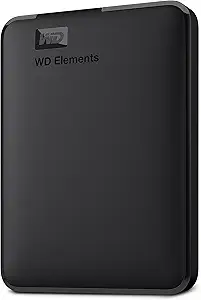 | Best for Maximum Portable HDD Capacity | Capacity: 6TB | Interface: USB 3.2 Gen 1 / USB 3.0 | Form factor: 2.5 inches | VIEW ON AMAZON | See Our Full Breakdown |
| YOTUO 750GB Portable External Hard Drive with Silicone Sleeve, USB 3.0 & USB-C |  | Best for Sleeve-Cushioned Portability | Capacity: 750GB | Interface: USB 3.0, USB Type-C | Form factor: 2.5 inches | VIEW ON AMAZON | See Our Full Breakdown |
| SanDisk 2TB Extreme Portable SSD |  | Best Rugged SSD Alternative | Capacity: 2TB | Drive type: Portable SSD | Read speed: Up to 1050 MB/s | VIEW ON AMAZON | See Our Full Breakdown |
| WD 2TB Elements Portable External Hard Drive |  | Best Straightforward Everyday Backup | Capacity: 2TB | Interface: USB 3.2 Gen 1 / USB 3.0 | Transfer rate: Up to 5 Gbps interface rate | VIEW ON AMAZON | See Our Full Breakdown |
| UnionSine 500GB Ultra Slim Portable External Hard Drive USB 3.0 | 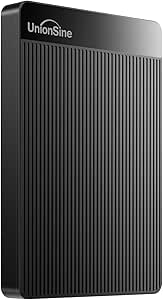 | Best Compact Basic File Shuttle | Capacity: 500GB | Interface: USB 3.0 / USB 2.0 | Form factor: 2.5 inches | VIEW ON AMAZON | See Our Full Breakdown |
| external hard drive | Capacity | Interface | Compatibility | Read speed |
|---|---|---|---|---|
| Seagate One Touch 8TB External | 8TB | USB-C | Windows, macOS | — |
| UnionSine 500GB Ultra Slim Por | 500GB | USB 3.0 / USB 2.0 | — | Up to 125MB/s |
| Seagate 2TB Portable External | 2TB | USB 3.0 | Windows and Mac computers | 120MB/s |
| Seagate Portable 1TB External | 1TB | USB 2.0, USB 3.0 | — | 120MB/s |
| 1TB Dual-Connector Portable Ex | Up to 1TB | USB 3.2 Gen 2×2 Type-C | Mac, Windows PC, tablets, smartphones | Up to 500MB/s |
| YOTUO 500GB Portable External | 500GB | USB 3.0 and USB-C | Windows, Mac, Linux, PS4, PS5, Xbox One, Xbox Series X/S | — |
| Seagate 16TB One Touch Desktop | 16TB | USB-C | — | — |
| Amazon Basics Portable Externa | 2TB | USB 3.2 Gen 2 | — | Up to 2000MB/s |
| Seagate Portable 4TB External | 4TB | USB 3.0 | Windows and Mac | — |
| Western Digital WD Elements Po | 5TB | USB 3.2 Gen 1, USB 3.0, USB 2.0 | Windows, Mac, Xbox 360, PlayStation 4 | 50MB/s |
| WD Elements Portable External | 6TB | USB 3.2 Gen 1 / USB 3.0 | Windows, Mac, desktop, laptop, tablet | — |
| YOTUO 750GB Portable External | 750GB | USB 3.0, USB Type-C | PC, Mac, Linux, PS4, PS5, Xbox One, Xbox Series X/S | — |
| SanDisk 2TB Extreme Portable S | 2TB | USB-C, USB 3.2 Gen 2 | — | Up to 1050 MB/s |
| WD 2TB Elements Portable Exter | 2TB | USB 3.2 Gen 1 / USB 3.0 | Windows, Mac | — |
| UnionSine 500GB Ultra Slim Por | 500GB | USB 3.0 / USB 2.0 | PC, Mac, laptop, PS4, Xbox One, Xbox 360, television | Up to 125 MB/s |
More Details on Our Top Picks
Seagate One Touch 8TB External Hard Drive Desktop HDD
For buyers who want one drive to hold years of files and backup copies, the 8TB capacity gives this Seagate a clear advantage over the portable 1TB and 2TB Seagate models in this roundup. Its bus-powered USB-C connection also avoids a separate power adapter, which can make a desktop backup setup less cluttered. The included Rescue Data Recovery Services and two-year limited warranty add support if a drive problem puts stored files at risk, though they are not a substitute for keeping a second copy. The tradeoff is its desktop form factor: despite bus power, it is less suited to slipping into a pocket or carrying between work sites. With no transfer speed listed in the supplied details, buyers should choose it for capacity and backup use, rather than a specific speed target.
Pros:- 8TB capacity suits large file libraries and backups
- Bus-powered USB-C connection avoids a separate power adapter
- Rescue Data Recovery Services are included
- Two-year limited warranty
Cons:- Desktop form factor is less convenient to carry than portable models
- The supplied product details do not specify transfer speeds
Best for: Home and small-office users who need a large drive for regular computer backups and rarely carry it away from a desk
Not ideal for: Traveling users who want a compact drive, or buyers who need documented transfer-speed figures
- Capacity:8TB
- Interface:USB-C
- Power source:Bus-powered
- Compatibility:Windows, macOS
- Model number:STNB8000400
- Warranty:2-year limited
- Recovery service:Rescue Data Recovery Services included
Our verdict“Choose this Seagate when backup capacity matters more than portability or a published speed rating.”
UnionSine 500GB Ultra Slim Portable External Hard Drive (USB 3.0)
The UnionSine suits buyers who put pocket-friendly size ahead of capacity. At 500GB, it holds less than the Seagate 1TB Portable model, so it makes more sense for a smaller document collection or a focused set of files than a growing media library. Its USB 3.0 connection lists read speeds up to 125MB/s and write speeds up to 103MB/s, but actual results depend on the connected system. The slim design and quiet-operation claim may appeal to people who carry a drive daily and prefer minimal bulk. Plug-and-play setup keeps installation simple. The tradeoffs are its limited capacity and plastic shell, which may feel less substantial than the metal-bodied 1TB dual-connector SSD. It is a traditional hard drive, so don’t choose it expecting SSD-class transfer speeds.
Pros:- Slim, lightweight design is convenient for carrying
- USB 3.0 with listed read and write speeds
- Plug-and-play setup requires no software installation
- Three-year warranty is listed
Cons:- 500GB provides less room than the Seagate 1TB Portable model
- Plastic shell may feel less substantial than a metal enclosure
- Listed speeds can vary with the host system
Best for: Students and mobile workers who carry a modest set of documents or project files and want a slim USB-A drive
Not ideal for: People backing up large photo or video libraries, or buyers seeking a rugged-feeling metal SSD
- Capacity:500GB
- Interface:USB 3.0 / USB 2.0
- Read speed:Up to 125MB/s
- Write speed:Up to 103MB/s
- Controller:JMicron 578
- Warranty:3 years
- Included items:Hard drive, USB 3.0 cable, user manual
Our verdict“Pick the UnionSine for a slim, simple drive for smaller file collections, and choose a higher-capacity model for broader backups.”
Seagate 2TB Portable External Hard Drive with USB 3.0 (STGX2000400)
This 2TB Seagate is a practical middle ground for someone who needs more room than the Seagate Portable 1TB without moving up to a larger desktop drive. Its portable form factor and included 18-inch USB 3.0 cable suit carrying it between a home and office or using it for a PlayStation 4, while plug-and-play setup keeps the first connection straightforward. The supplied data lists a 120MB/s read speed, but performance varies by system and workload. Compared with the 8TB Seagate One Touch, this model sacrifices substantial capacity for easier portability; compared with the UnionSine 500GB, it offers four times the stated storage. Its main tradeoff is that it remains a mechanical hard drive, rather than the faster dual-connector SSD in this lineup. Choose it for portable storage, not SSD-like responsiveness.
Pros:- 2TB capacity exceeds the Seagate Portable 1TB and UnionSine 500GB
- Portable design and included 18-inch USB 3.0 cable
- Plug-and-play setup for Windows and Mac computers
- Listed as compatible with Sony PlayStation 4
Cons:- Mechanical hard drive is not an SSD
- Mac users may need to check formatting requirements for their setup
- Actual transfer speeds depend on the connected system
Best for: Laptop owners and PS4 users who want a portable drive with room for a sizeable collection of files or games
Not ideal for: Buyers who need a desktop-sized backup repository or SSD-class transfer performance
- Capacity:2TB
- Interface:USB 3.0
- Compatibility:Windows and Mac computers
- Form factor:Portable
- Cable length:18 inches
- Rotational speed:7200 RPM
- Read speed:120MB/s
- Game console compatibility:Sony PlayStation 4
Our verdict“Choose this model for a portable 2TB drive, especially if the 1TB Seagate leaves too little room.”
Seagate Portable 1TB External Hard Drive
The Seagate Portable 1TB is a straightforward pick for routine file copies when a buyer wants a familiar USB connection and uncomplicated setup. Its drag-and-drop backup approach and plug-and-play operation make it easier to get started than a drive that depends on a separate app. At 190g and 0.58 inches thick, it is portable, though the 2TB Seagate Portable offers twice the listed capacity in the same general role for users with larger libraries. This drive also lists Xbox One compatibility and an 18-inch cable, giving it some flexibility between computer and console storage. Mac users may need to reformat it, which adds a setup step. As a mechanical hard drive with 1TB capacity, it is less suited to large media archives or buyers prioritizing an SSD.
Pros:- Plug-and-play setup with drag-and-drop backup
- Portable 190g design
- USB 2.0 and USB 3.0 connectivity
- Listed as compatible with Microsoft Xbox One
Cons:- Mac reformatting may be required
- 1TB offers less room than the Seagate 2TB Portable
- Mechanical drive design does not offer SSD-class speeds
Best for: First-time backup buyers who want a simple 1TB drive for everyday files and may also use it with an Xbox One
Not ideal for: Mac users who want out-of-box compatibility without possible reformatting, or people storing large libraries
- Capacity:1TB
- Interface:USB 2.0, USB 3.0
- Rotational speed:7200 RPM
- Read speed:120MB/s
- Dimensions:4.61 x 3.15 x 0.58 in
- Weight:190g
- Included cable:18-inch USB 3.0 cable
- Model:STGX1000400
- Console compatibility:Microsoft Xbox One
Our verdict“Choose this Seagate for basic 1TB backups and simple setup; step up to the 2TB model if your files are growing.”
1TB Dual-Connector Portable External SSD
For moving files among newer laptops, older USB-A computers, tablets, and smartphones, this compact SSD has a useful advantage over the single-cable Seagate portable hard drives: integrated USB-C and USB-A connectors. The metal body weighs 40g and includes a lanyard hole, making it easy to keep with a small device kit. Its listed speeds of up to 500MB/s read and 450MB/s write are well above the stated read speed for the Seagate 2TB Portable, so it is better suited to frequent transfers. That speed depends on host-device support, and the supplied details specify lower performance on devices without USB 3.2 Gen 2 support. The tradeoff is capacity: this holds up to 1TB, half the Seagate 2TB Portable’s listed space, and usable capacity is slightly lower than stated.
Pros:- Built-in USB-C and USB-A connectors simplify cross-device transfers
- Listed read and write speeds exceed the portable hard drives in this batch
- 40g metal shell is compact and lightweight
- Compatibility includes Mac, Windows PC, tablets, and smartphones
Cons:- Host devices without USB 3.2 Gen 2 support may transfer more slowly
- Up to 1TB is less space than the Seagate 2TB Portable
- Usable capacity is slightly below the stated capacity
Best for: People who regularly move files between USB-C and USB-A devices and value a compact, faster drive over extra capacity
Not ideal for: Backup users who need more than 1TB, or anyone whose devices cannot make use of the listed interface speeds
- Capacity:Up to 1TB
- Connectors:USB-C and USB-A
- Interface:USB 3.2 Gen 2×2 Type-C
- Read speed:Up to 500MB/s
- Write speed:Up to 450MB/s
- Weight:40g
- Material:Metal shell
- Compatibility:Mac, Windows PC, tablets, smartphones
Our verdict“Choose this SSD for frequent transfers across USB-C and USB-A devices when portability and speed matter more than 2TB of space.”
YOTUO 500GB Portable External Hard Drive with USB 3.0 and USB-C
The YOTUO 500GB is a compact pick for carrying a modest library of files or keeping extra games for older consoles. Its silicone sleeve adds a layer of cushioning for travel, while USB 3.0 and USB-C connections broaden the devices it can connect to. Compared with the Seagate Portable 4TB, it holds far less, so it suits selected backups and a smaller game collection rather than a large media archive. Its console fit has a clear limit: PS5 and Xbox Series X/S games cannot be stored or played directly from it. The stated speed is the USB interface maximum, with no separate read or write figures, so buyers who need predictable transfer performance should look at the Amazon Basics Portable External SSD instead.
Pros:- Silicone sleeve cushions the drive against bumps
- USB 3.0 and USB-C connections support a range of devices
- Compatible with Windows, Mac, Linux, PS4, and Xbox One
- Lightweight at 0.16 kg
Cons:- 500GB offers much less room than the Seagate Portable 4TB
- Cannot store or play PS5 or Xbox Series X/S games directly
- No specific read or write speed is given
Best for: PS4 or Xbox One owners who want a lightweight drive for a smaller game collection and everyday file backups
Not ideal for: PS5 and Xbox Series X/S players who need to play current-generation games directly from external storage, or buyers with large archives
- Capacity:500GB
- Interface:USB 3.0 and USB-C
- Maximum transfer speed:Up to 5Gbps
- Weight:0.16 kg
- Protection:Built-in silicone sleeve
- Compatibility:Windows, Mac, Linux, PS4, PS5, Xbox One, Xbox Series X/S
Our verdict“Choose the YOTUO if a cushioned, lightweight drive for older console games and smaller backups matters more than capacity or current-generation game support.”
Seagate 16TB One Touch Desktop Hard Drive (STNB16000400)
For buyers who want a large backup target on a desk, the Seagate One Touch 16TB offers far more room than portable options such as the WD Elements Portable 5TB. That capacity suits broad file collections, project archives, and repeated backups without splitting them across several drives. Its single-cord USB-C setup also avoids the wall adapter commonly associated with desktop drives, keeping the desk simpler. The tradeoff is that bus power depends on the host supplying 15W, so compatibility depends on the computer or hub in use. Despite its desktop designation, the product is described as bus-powered; buyers should check their host’s power output before relying on it. Its size and desk-oriented role make it a poor fit for frequent travel.
Pros:- 16TB capacity accommodates large archives and backups
- USB-C connection uses a single cord
- Bus-powered design avoids a separate wall adapter
- Includes Rescue Data Recovery Services
Cons:- Host device must provide 15W of USB power
- Desktop-oriented form factor is less suited to travel than portable drives
- The listed specs do not state transfer speeds
Best for: Home office users and creators who need one large drive for project archives and regular computer backups
Not ideal for: Travelers or laptop owners whose USB-C port or hub cannot provide the required 15W of power
- Capacity:16TB
- Interface:USB-C
- Power source:Bus-powered; host must supply 15W
- Model number:STNB16000400
- Warranty:2-year limited warranty
- Included service:Rescue Data Recovery Services
Our verdict“Pick this Seagate for a large, desk-based backup library if your computer can supply its required USB power.”
Amazon Basics Portable External SSD, 2TB, USB 3.2 Gen 2
The Amazon Basics 2TB SSD is the speed-focused choice here: its stated read and write rates reach 2,000MB/s, well above the rotational portable drives such as the Seagate Portable 4TB. That difference can make moving large video or project files more practical, provided the connected device and conditions support those speeds. Its IP65 water and dust resistance, metal casing, and included storage case make it better equipped for travel than a basic portable HDD. The tradeoff is capacity: 2TB is less than the 4TB Seagate or 5TB WD Elements, which may matter more for long-term archives than transfer speed. Actual performance can vary, and the listed interface is USB 3.2 Gen 2, so older connections may limit throughput.
Pros:- Read and write speeds listed up to 2000MB/s
- IP65 water and dust resistance
- Metal casing and included storage case support travel use
- Includes USB-C to USB-C and USB-C to USB-A cables
Cons:- 2TB holds less than the Seagate Portable 4TB and WD Elements 5TB
- Actual transfer speeds vary with device and conditions
- Older host connections may not support the stated interface performance
Best for: Photographers, video creators, and mobile workers who regularly transfer large files and want a more rugged portable drive
Not ideal for: Archive keepers who need several terabytes of space and can accept slower transfers from a portable HDD
- Capacity:2TB
- Interface:USB 3.2 Gen 2
- Read speed:Up to 2000MB/s
- Write speed:Up to 2000MB/s
- Protection:IP65 water and dust resistance
- Color:Black
- Included accessories:USB-C to USB-C cable, USB-C to USB-A cable, storage case
- Other feature:Thermal protection
Our verdict“Choose this SSD when fast transfers and added environmental protection matter more than maximizing storage capacity.”
Seagate Portable 4TB External Hard Drive
The Seagate Portable 4TB balances substantial space with a straightforward USB 3.0 connection. Plug-and-play setup makes it a sensible backup drive for Windows and Mac users who want to connect it and start copying files without installing software. It offers more room than the YOTUO 500GB for expanding photo libraries and everyday archives, though it falls short of the WD Elements Portable 5TB if capacity is the deciding factor. Its included 18-inch cable keeps the setup simple but limits how far the drive can sit from the computer. The listed information gives no read or write speed, and the one-year Rescue warranty is shorter than the two-year limited warranty listed for the 16TB Seagate One Touch.
Pros:- 4TB capacity suits larger everyday backups
- Plug-and-play setup requires no software
- Compatible with Windows and Mac
- Portable design connects through USB 3.0
Cons:- Offers less capacity than the WD Elements Portable 5TB
- No read or write speed figures are provided
- Included cable is 18 inches long
Best for: Windows and Mac owners who want an easy-to-connect drive for multi-terabyte file backups
Not ideal for: Buyers who need the highest portable capacity in this group, detailed speed figures, or an extra-long cable
- Capacity:4TB
- Interface:USB 3.0
- Compatibility:Windows and Mac
- Cable length:18 inches
- Setup:Plug and play; no software required
- Warranty:1-year Rescue
Our verdict“Choose this Seagate for uncomplicated 4TB backups across Windows and Mac, provided you do not need the extra capacity of the WD Elements.”
Western Digital WD Elements Portable External Hard Drive, 5TB, USB 3.2 Gen 1
The WD Elements Portable 5TB gives portable HDD buyers more listed space than the Seagate Portable 4TB, making it a better match for large photo, video, and file collections carried between computers. Its 2.5-inch form factor and plug-and-play setup keep the approach familiar, with compatibility listed for Windows, Mac, Xbox 360, and PlayStation 4. The tradeoff is speed: the supplied read figure is 50MB/s, so moving large archives may take longer than on the Amazon Basics 2TB SSD. The listed enclosure material, “cotton,” also raises questions about durability and is unusual for a hard drive enclosure; the product data does not explain it further. This is a capacity-led portable option, not a pick for fast workflows.
Pros:- 5TB capacity exceeds the Seagate Portable 4TB
- 2.5-inch form factor supports a portable setup
- Plug-and-play operation requires no software installation
- USB 3.2 Gen 1 connectivity is also compatible with USB 3.0 and USB 2.0
Cons:- Listed read speed is modest at 50MB/s
- Listed enclosure material is cotton, with no further durability detail
- No separate write speed is provided
Best for: Traveling archivists and media collectors who prioritize several terabytes of portable HDD storage over rapid transfers
Not ideal for: Video editors and other users who regularly move large files, or buyers seeking clear enclosure material details
- Capacity:5TB
- Interface:USB 3.2 Gen 1, USB 3.0, USB 2.0
- Form factor:2.5-inch
- Compatibility:Windows, Mac, Xbox 360, PlayStation 4
- Read speed:50MB/s
- Color:Black
- Enclosure material:Cotton
Our verdict“Choose the WD Elements for portable HDD capacity and simple backups if its listed speed and enclosure details fit your needs.”
WD Elements Portable External Hard Drive, 6TB, USB 3.2 Gen 1, Black
For carrying a large archive without moving to a desktop drive, I’d put the 6TB WD Elements Portable ahead of the 2TB WD Elements Portable: it offers three times the listed capacity in the same 2.5-inch class. That makes it a better fit for photographers, video collectors, or anyone consolidating several smaller backup drives. Its USB 3.2 Gen 1 connection and plug-and-play setup keep routine file storage simple across Windows and Mac, though the listed 1050 MB/s read figure conflicts with typical mechanical-drive speeds and shouldn’t drive a buying decision. The tradeoff is a plastic enclosure with no listed hardware encryption or password protection. I’d choose the SanDisk 2TB Extreme Portable SSD for faster, more rugged field transfers, but it holds less and is a different storage class.
Pros:- 6TB capacity in a compact 2.5-inch portable form factor
- Plug-and-play setup for Windows and Mac
- USB 3.2 Gen 1 connectivity
- Useful for consolidating large media and backup collections
Cons:- Plastic enclosure offers less reassurance against impacts than a ruggedized drive
- No built-in encryption or password protection is listed
- The listed 1050 MB/s read speed is inconsistent with typical mechanical HDD performance
Best for: Windows or Mac users who need to carry a large photo, video, or document archive on one portable mechanical drive
Not ideal for: People who need verified SSD-level transfer speeds, hardware encryption, or extra protection from rough handling
- Capacity:6TB
- Interface:USB 3.2 Gen 1 / USB 3.0
- Form factor:2.5 inches
- Enclosure:Plastic
- Color:Black
- Compatibility:Windows, Mac, desktop, laptop, tablet
- Model number:WDBHJS0060BBK-WESN
Our verdict“Choose this WD Elements model if carrying up to 6TB in one portable HDD matters more than rugged protection or SSD speeds.”
YOTUO 750GB Portable External Hard Drive with Silicone Sleeve, USB 3.0 & USB-C
The YOTUO 750GB puts a silicone sleeve and broad device compatibility ahead of storage space, giving it a different job from the higher-capacity WD Elements Portable drives. Its USB 3.0 and USB-C connections suit buyers moving between computers with different ports, and the sleeve adds a layer of cushioning for everyday carrying. Console support is useful for storing media or compatible games, but the listing itself notes that PS5 and Xbox Series X/S games cannot be played directly from the drive. At 750GB, it also fills up sooner than the 2TB WD Elements, so I’d treat it as a modest library or file shuttle rather than a long-term archive. The listed 150 GB/s read speed is not credible for a standard HDD; don’t buy it on that figure.
Pros:- Silicone sleeve adds cushioning for everyday transport
- USB 3.0 and USB Type-C connectivity
- Listed compatibility spans Windows, Mac, Linux, and several consoles
- Portable 0.16 kg weight
Cons:- 750GB capacity may be limiting for large media or game collections
- PS5 and Xbox Series X/S games cannot be played directly from the drive
- The listed 150 GB/s read speed is technically implausible for a standard HDD
Best for: People who want a lightly cushioned portable drive for work files, media, or a smaller console library across USB-A and USB-C devices
Not ideal for: Buyers building a large game library or expecting to play PS5 or Xbox Series X/S games directly from the drive
- Capacity:750GB
- Interface:USB 3.0, USB Type-C
- Form factor:2.5 inches
- Weight:0.16 kg
- Listed enclosure materials:Aluminum, glass, or ceramic
- Compatibility:PC, Mac, Linux, PS4, PS5, Xbox One, Xbox Series X/S
- Cache memory:8GB
Our verdict“Pick the YOTUO if its sleeve and port flexibility suit your smaller portable library better than the WD Elements’ greater capacity.”
SanDisk 2TB Extreme Portable SSD
If speed and protection matter more than HDD capacity, the SanDisk 2TB Extreme Portable SSD is the clearest step away from the mechanical drives in this group. Its listed read speeds up to 1050 MB/s and write speeds up to 1000 MB/s can shorten large file transfers when the host supports USB 3.2 Gen 2. The IP65 rating, stated 3-meter drop protection, and 256-bit AES hardware encryption also give it defenses the WD Elements Portable lacks. Compared with the WD 2TB Elements, SanDisk offers less capacity per drive class tradeoff only in the sense that the WD is an HDD; both list 2TB, but the SanDisk is built for speed and rugged travel. Its maximum performance depends on the connected device, and buyers with older ports may not see the advertised rates.
Pros:- NVMe SSD speeds listed up to 1050 MB/s read and 1000 MB/s write
- IP65 water and dust resistance with stated 3-meter drop protection
- 256-bit AES hardware encryption and password protection
- Carabiner loop supports portable carry
Cons:- Maximum transfer speeds depend on the host device and compatible port
- The rugged SSD design may be unnecessary for buyers who mainly need stationary backup storage
Best for: Photographers, videographers, and mobile professionals who transfer large files and want a compact drive with stated water, dust, drop, and encryption protections
Not ideal for: Archive builders prioritizing high HDD capacity, or users whose computers lack compatible USB-C or USB 3.2 Gen 2 ports
- Capacity:2TB
- Drive type:Portable SSD
- Read speed:Up to 1050 MB/s
- Write speed:Up to 1000 MB/s
- Interface:USB-C, USB 3.2 Gen 2
- Durability:IP65 water and dust resistance; stated 3-meter drop protection
- Encryption:256-bit AES hardware encryption
- Model number:SDSSDE61-2T00-G25
Our verdict“Choose the SanDisk over the WD Elements HDDs when fast field transfers and stated physical protection matter more than an archive-first drive.”
WD 2TB Elements Portable External Hard Drive
The WD 2TB Elements Portable is the uncomplicated everyday backup pick: it offers twice the space of the UnionSine 500GB drive while keeping a compact, plug-and-play format. USB 3.2 Gen 1, also listed as USB 3.0, handles routine transfers and connects to Windows and Mac systems. That makes it a practical home for documents, photos, and a moderate media collection without a more specialized rugged or high-speed design. The tradeoff becomes clear beside the 6TB WD Elements: this model is easier to justify for a smaller library, but has much less room for long-term video archives. It also lacks listed hardware encryption, and its casing is plastic. Compared with the SanDisk 2TB Extreme Portable SSD, it gives up SSD performance and durability features in favor of a basic HDD backup role.
Pros:- 2TB capacity in a portable HDD
- USB 3.2 Gen 1 / USB 3.0 connectivity
- Plug-and-play setup for Windows and Mac
- Straightforward option for everyday file backups
Cons:- No hardware encryption or password protection is listed
- Plastic casing offers less protection than ruggedized alternatives
- Less storage headroom than the 6TB WD Elements Portable
Best for: Windows and Mac owners seeking a simple portable backup drive for documents, photos, and a moderate media collection
Not ideal for: People storing large video archives or needing rugged protection, hardware encryption, or SSD transfer performance
- Capacity:2TB
- Interface:USB 3.2 Gen 1 / USB 3.0
- Transfer rate:Up to 5 Gbps interface rate
- Compatibility:Windows, Mac
- Model number:WDBU6Y0020BBK-WESN
- Drive type:Portable external HDD
Our verdict“Choose this model for uncomplicated 2TB portable backups if you do not need the capacity of the 6TB WD or the speed of an SSD.”
UnionSine 500GB Ultra Slim Portable External Hard Drive USB 3.0
For a small set of files that needs to travel easily, the UnionSine 500GB favors a slim, anti-slip body and quiet operation over the room offered by larger drives. Its listed 125 MB/s read and 103 MB/s write speeds fit routine HDD tasks such as moving documents or keeping a modest console-media collection. The JMicron 578 noise-free solution is aimed at quieter operation and heat management, while plug-and-play setup keeps the drive simple to use. Capacity is the limiting factor: it holds a quarter of the WD 2TB Elements’ listed space, so I would not choose it as the main home for a growing photo or video archive. It is also a mechanical HDD, which makes it a slower choice than the SanDisk Extreme SSD for repeated large transfers.
Pros:- Slim, portable 2.5-inch design with an anti-slip texture
- Listed read and write speeds suit routine HDD file transfers
- Noise-free solution is designed for quiet operation and heat dissipation
- Plug-and-play compatibility with PCs, Macs, and listed consoles
Cons:- 500GB capacity is limited beside the 2TB WD Elements Portable
- Mechanical HDD performance is slower than the SanDisk portable SSD
- Plastic casing is less reassuring for rough handling than a ruggedized drive
Best for: Students or console owners who need a slim, quiet drive for a modest set of documents, media, or older console files
Not ideal for: Users maintaining a large backup archive or regularly transferring large files who would benefit from more capacity or SSD speeds
- Capacity:500GB
- Interface:USB 3.0 / USB 2.0
- Form factor:2.5 inches
- Read speed:Up to 125 MB/s
- Write speed:Up to 103 MB/s
- Compatibility:PC, Mac, laptop, PS4, Xbox One, Xbox 360, television
- Warranty:3 years
Our verdict“Pick the UnionSine for a small, quiet, easy-to-carry file collection, but choose a higher-capacity drive for a lasting archive.”

How We Picked
I ranked these drives by how well their stated format and capacity match common external-storage jobs: moving files between devices, expanding a computer’s storage, and keeping large backups. I gave portable models an advantage for everyday carry, while desktop drives earned their place for buyers who need substantially more room and can accommodate a stationary setup. I also weighed the listed connection standards and connector options, since a drive is less useful if it does not plug into the buyer’s device.
That approach puts the WD Elements 5TB first as a practical middle ground: it provides substantial portable HDD capacity without the desktop footprint of the largest Seagate models. The SanDisk Extreme SSD ranks higher for buyers prioritizing a portable SSD, while the Seagate One Touch 16TB serves the capacity-first desktop buyer. Smaller 500GB and 750GB choices rank lower for broad backup needs, though their compact size or connector options can still suit lighter use. Product names and listed specifications guide this comparison; I do not infer unlisted performance, durability, or compatibility claims.
Factors to Consider When Choosing External Hard Drive
Before choosing a drive, I’d start with the job it needs to do and the devices it must connect to. These broader checks can prevent common mismatches that a capacity label alone will not reveal.
Match Capacity to the Files You Keep
Estimate how much data you already need to store, then leave room for new files and backup versions. Photos, video libraries, and full-computer backups can use space faster than occasional document transfers. A 500GB or 750GB drive may work for a narrow collection, but it can become limiting if several devices share it. Larger portable HDDs, such as 5TB or 6TB options, reduce the need to juggle drives. Buyers who need still more storage can look at desktop models, while accepting that they take a fixed place near the computer. Avoid treating advertised capacity as all usable space; formatting and file systems affect the amount available to store files.
Choose HDD or SSD for the Workload
HDDs and SSDs solve different storage problems. A portable HDD is often the more practical path when the priority is storing a large collection on one device. An SSD is a better match when frequent transfers, quick file access, or movement between work locations matter more. The category name does not guarantee a particular real-world transfer rate, so check the exact model’s specifications and your computer’s port before paying extra for speed. For a backup that runs occasionally and stays at home, an SSD’s speed may not change the experience much. For active project files, slow transfers can interrupt work often enough to justify choosing an SSD.
Check the Connection Before You Buy
Look at the ports on every device the drive will connect to, not just the newest computer in your setup. USB 3.0, USB 3.2 Gen 1, USB 3.2 Gen 2, and USB-C labels describe different standards or connector forms; USB-C describes the plug shape and does not by itself tell you the transfer speed. A dual-connector option can simplify switching between devices, but confirm which cable or adapter is included and whether it supports the connection you need. Older computers may use a different port, and some phones or tablets have their own storage and power limits. If you plan to move between systems, check file-system compatibility too. Matching the cable, port, and device support avoids a drive that connects only after extra purchases or setup.
Decide Whether the Drive Will Travel
A drive intended for a backpack faces different demands from one that stays beside a desktop. Smaller portable models are easier to carry, while silicone sleeves can add a layer between the enclosure and everyday bumps. A protective-looking sleeve is not the same as a stated water or drop-resistance rating, so check the manufacturer’s claims if exposure is a concern. SSDs have no spinning disk, which can make them appealing for active travel, but do not assume every SSD has the same level of protection. Desktop drives trade easy transport for larger storage capacity and may need a separate power connection. Choose based on where the drive will sit most days, not only on the occasional trip.
Plan for Backup and Recovery
An external drive can hold a backup, but a single copy does not protect files if the drive is lost, damaged, or fails. Keep a second copy of important data on another drive or a separate backup service, and store one copy away from the computer when practical. Before relying on a new drive, check whether it comes with backup software and whether that software supports your operating system and desired schedule. A high-capacity desktop drive can simplify large local backups, while a portable drive is easier to keep in another location. Set a recurring backup routine so the drive does not end up storing only an old snapshot. For irreplaceable work, periodically check that backed-up files can actually be opened.
Know When to Pay for More
Paying for an SSD makes more sense when you move large files often or work directly from the external drive. Paying for a larger HDD makes more sense when the main aim is keeping a growing archive or computer backup in one place. A second connector can be valuable if it removes a real compatibility problem, but it offers little benefit when all your devices already share a suitable port. A desktop model’s extra capacity may be useful at home and frustrating if you need a compact travel kit. Compare the complete setup, including required cables, adapters, power, and backup software. The right choice depends on ongoing use rather than a single headline specification.
Frequently Asked Questions
Should I choose the 5TB portable HDD or a 2TB SSD?
I’d choose the 5TB HDD when the main need is keeping a large archive or backup on a portable device. The 2TB SSD makes more sense when you move active files often and value faster access over maximum capacity. Think about whether the drive will mostly store files or serve as a workspace. Also check the SSD’s exact connection and your computer’s ports before expecting a speed benefit. If you need both large capacity and fast working storage, a two-drive setup may suit you better than asking one device to do both jobs.
Is a desktop external drive suitable for a laptop backup?
Yes, a desktop drive can store a laptop backup if its connection and power requirements fit your setup. The 8TB and 16TB Seagate One Touch models are aimed at capacity that can stay in one place, rather than frequent travel. Check whether the drive requires a wall adapter and whether you have a convenient spot near the laptop or dock. If you carry the backup drive between locations, a portable model is easier to manage. Either way, keep another copy of important files so a single drive is not the only safeguard.
Will a USB-C external drive work with a USB-A computer?
It can, provided you have a compatible cable or adapter and the drive supports the computer’s connection. USB-C describes the connector shape, while the USB standard affects the connection’s capabilities. Check the included accessories and the exact port specifications on both devices before buying. An adapter can solve a plug mismatch, but it will not add capabilities the computer or drive does not support. If you regularly switch between older and newer devices, a dual-connector model may reduce cable changes.
Are 500GB and 750GB drives enough for a full computer backup?
They may be enough for a computer with modest used storage, but the drive needs room for the backup method and future changes. Check how much data is currently on the computer and whether your backup software keeps older versions. Photos, video, and multiple user accounts can quickly push a small drive past its comfortable range. A small-capacity model may work well for transferring selected files or keeping a limited collection. For ongoing full-system backups, I’d leave a substantial margin rather than buying to the exact amount currently stored.
Does a silicone sleeve make a portable hard drive safe for travel?
A sleeve can help shield an enclosure from scuffs and minor knocks, but it does not establish that a drive is drop-proof or water-resistant. This matters especially for HDDs, which contain moving parts and should be handled with care. Check the maker’s stated protection ratings if you expect rain, dust, or repeated impacts. For travel, use a padded compartment and avoid moving the drive while it is operating. If rough handling is a regular part of your routine, compare models with clearly stated protection features before choosing.
Conclusion
For most buyers who want a portable drive with room for substantial backups, I’d choose the WD Elements 5TB as the best overall fit. The Seagate Portable 4TB and smaller Seagate or WD options are sensible value picks when their capacity matches your actual files; the 500GB UnionSine models suit lighter storage needs, not a growing multi-device archive. For a premium portable SSD, the SanDisk Extreme Portable SSD stands out for buyers who prioritize SSD storage and a travel-oriented design, while the Amazon Basics 2TB SSD offers another portable SSD route. Beginners should favor a capacity that leaves room to grow and verify that the included connection works with their computer. For the largest stationary backups, choose the Seagate One Touch 16TB; for compact carry or newer-device connections, compare the dual-connector SSD and YOTUO options against your port and protection needs.