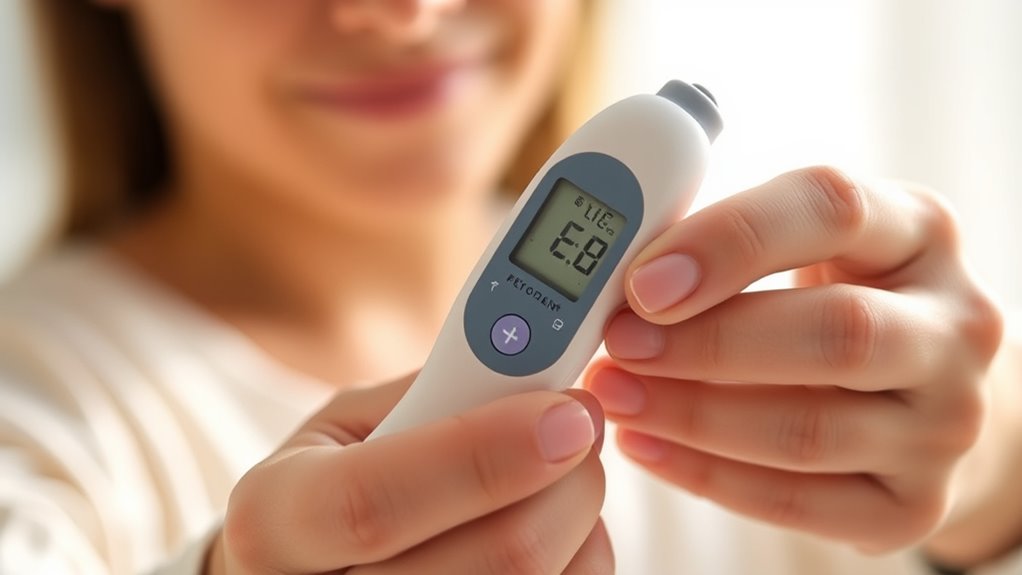

For a baby with a fever, a rectal thermometer with a short, purpose-designed tip and a clear digital reading can make temperature checks more dependable and manageable. My best overall pick is the Vicks Baby Rectal Digital Thermometer, while the Easy@Home EMT-027 stands out for its flexible tip and fever indicator, and the Frida Digital Rectal Thermometer offers another baby-focused design. The main tradeoffs are between a dedicated rectal shape and a general-use thermometer, plus speed, display clarity, and how carefully the device must be cleaned. No thermometer can replace correct technique or medical advice, especially for a very young infant. Read on for how the options compare and which features matter most when choosing an accurate, safe rectal thermometer for a baby with a fever.

Get your wardrobe favorites delivered free with Prime
- Fast, free delivery on millions of items
- Prime Video, Amazon Music and more included
- Member-only deals all year
Key Takeaways
- Baby-focused tip design separates the leading picks: Vicks Baby, Easy@Home EMT-027, and Frida Digital Rectal are more specifically suited to rectal checks than the general-purpose models in this lineup.
- The Easy@Home EMT-027 emphasizes handling cues: its flexible tip and fever indicator may appeal to caregivers who want visible guidance, though an indicator does not replace reading the displayed temperature.
- Speed claims do not answer the accuracy question: the Femometer 7-Second model may appeal to caregivers seeking a quick check, but technique and a stable reading still matter.
- Multi-use models trade specialization for versatility: Frida Baby 3-in-1, Kinsa QuickCare, Braun, Boncare, and Vicks SpeedRead can suit households seeking broader use, but buyers should confirm the maker permits rectal measurement and follow its instructions.
- Rectal use calls for careful hygiene and storage: a dedicated thermometer or clearly marked device can reduce mix-ups between rectal, oral, and other uses.
| Vicks Baby Rectal Digital Thermometer |  | Best Dedicated Rectal Pick | Type: Digital rectal thermometer | Intended use: Infant temperature measurement | Tip: Short and flexible | VIEW ON AMAZON | See Our Full Breakdown |
| Frida Baby 3-in-1 Thermometer for Infants and Kids |  | Best for Multi-Method Use | Measurement methods: Rectal, oral, and underarm | Reading time: 10 seconds | Automatic second check: Yes | VIEW ON AMAZON | See Our Full Breakdown |
| Kinsa QuickCare Smart Digital Thermometer | 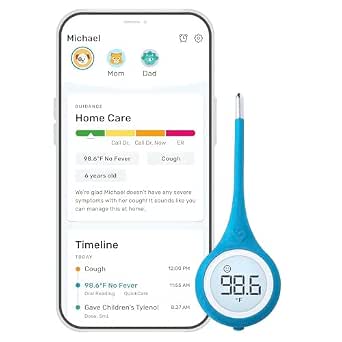 | Best for App-Based Symptom Tracking | Model: KSA-120 | Measurement methods: Oral, rectal, and underarm | Response time: About 8 seconds | VIEW ON AMAZON | See Our Full Breakdown |
| Easy@Home Baby Rectal Thermometer with Fever Indicator, Clear LCD Display, Soft Flexible Tip for Infant & Newborn Use (EMT-027) |  | Best for Newborn-Focused Readings | Model: EMT-027 | Intended use: Infants and newborns | Response time: About 10 seconds | VIEW ON AMAZON | See Our Full Breakdown |
| Femometer 7-Second Digital Thermometer for All Ages |  | Best for Fast, Flexible Tracking | Model: DMT-4759 | Response time: About 7 seconds | Measurement modes: Oral, underarm, rectal, and bath | VIEW ON AMAZON | See Our Full Breakdown |
| Frida Digital Rectal Thermometer for Babies |  | Best for Tracking Trends | Display: Digital | Power: Battery powered; one battery | Response time: Early reading at about 10 seconds; final reading at 30 seconds | VIEW ON AMAZON | See Our Full Breakdown |
| MINDPET-MED Digital Rectal Thermometer for Babies |  | Best for Nighttime Readings | Response time: 10 seconds | Display: Backlit digital | Resolution: 0.2°F | VIEW ON AMAZON | See Our Full Breakdown |
| Braun Digital Thermometer for Adults, Babies, Toddlers, and Kids |  | Best for Flexible Family Use | Measurement sites: Oral, rectal, or underarm | Response time: As fast as 8 seconds; readings may take up to 14 seconds | Accuracy: ±0.2°F between 95.9°F and 107.6°F | VIEW ON AMAZON | See Our Full Breakdown |
| Boncare Digital Thermometer – Dark Blue (Adults, Kids & Babies) |  | Best Compact Multi-Use Pick | Model: GF-MT501 | Measurement sites: Oral, rectal, and axillary | Response time: 10 seconds | VIEW ON AMAZON | See Our Full Breakdown |
| Vicks SpeedRead Digital Thermometer for Baby, Kids & Adults |  | Best for Fast Readings | Response time: 8 seconds | Accuracy: ±0.2°F | Measurement modes: Oral, rectal, and underarm | VIEW ON AMAZON | See Our Full Breakdown |
| accurate safe rectal thermometer for baby with fever | Display | Response time | Power |
|---|---|---|---|
| Vicks Baby Rectal Digital Ther | Large LCD | — | — |
| Frida Baby 3-in-1 Thermometer | — | — | — |
| Kinsa QuickCare Smart Digital | Backlit digital | About 8 seconds | Battery powered; 1 lithium metal battery included |
| Easy@Home Baby Rectal Thermome | LCD with fever indicator | About 10 seconds | — |
| Femometer 7-Second Digital The | Large digital LCD with three-color backlight | About 7 seconds | — |
| Frida Digital Rectal Thermomet | Digital | Early reading at about 10 seconds; final reading at 30 seconds | Battery powered; one battery |
| MINDPET-MED Digital Rectal The | Backlit digital | 10 seconds | Battery powered |
| Braun Digital Thermometer for | Backlit digital LCD with color-coded fever indicator | As fast as 8 seconds; readings may take up to 14 seconds | — |
| Boncare Digital Thermometer | LCD | 10 seconds | One included LR41 battery |
| Vicks SpeedRead Digital Thermo | Fever InSight color-coded: green, yellow, and red | 8 seconds | Battery included |
More Details on Our Top Picks
Vicks Baby Rectal Digital Thermometer
The Vicks Baby Rectal Digital Thermometer is the most focused choice here for caregivers who want a simple infant rectal thermometer rather than a multi-use device. Its short, flexible tip is designed for infant use, while the large LCD makes a quick reading easier to see when a baby is unsettled. Compared with the Frida Baby 3-in-1 and Kinsa QuickCare, it does not add oral or underarm modes, app tracking, or other extras; that narrower purpose may suit families who want a separate thermometer reserved for rectal readings. The tradeoff is less flexibility as a child grows, and the supplied details do not specify a response time, temperature range, or cleaning method. Follow the product instructions and your clinician’s advice for safe use.
Pros:- Short, flexible tip is designed for infant rectal use
- Large LCD is easy to read
- Fast-reading design helps limit the wait for a result
Cons:- Designed specifically for rectal measurement, so it lacks the versatility of the Frida Baby 3-in-1 and Kinsa QuickCare
- Provided product details do not state an exact response time
- Provided product details do not specify a cleaning method
Best for: Caregivers seeking a dedicated infant rectal thermometer with a short, flexible tip and a clear display.
Not ideal for: Families wanting one thermometer for rectal, oral, and underarm readings, or buyers who need a stated reading time and cleaning instructions before choosing.
- Type:Digital rectal thermometer
- Intended use:Infant temperature measurement
- Tip:Short and flexible
- Display:Large LCD
- Reading:Fast
- Measurement method:Rectal
Our verdict“Choose this Vicks model if you want a straightforward thermometer dedicated to infant rectal readings rather than a multi-mode device.”
Frida Baby 3-in-1 Thermometer for Infants and Kids
The Frida Baby 3-in-1 is a practical fit for households that want one thermometer for rectal, oral, and underarm readings. Its 10-second reading and automatic second check offer more reassurance than a basic single-reading design, while the Parent Proof Stopper is intended to help guide rectal placement. Compared with the Vicks Baby Rectal Digital Thermometer, Frida is more adaptable as a child grows, though Vicks keeps its design focused on infant rectal use. The flexible tip, waterproof construction, memory recall, LED lights, and carrying case add everyday convenience. The compromise is a more feature-heavy device than caregivers who only need rectal readings may want; the supplied details also do not state a temperature range or a specific cleaning procedure, so check the instructions for care and use.
Pros:- Supports rectal, oral, and underarm measurement
- 10-second reading includes an automatic second check
- Flexible tip and waterproof design
- Memory recall, LED lights, Parent Proof Stopper, and carrying case add practical features
Cons:- More features than needed for caregivers seeking only a dedicated rectal thermometer
- Provided product details do not state a temperature range
- Provided product details do not give a specific cleaning procedure
Best for: Families who want a single thermometer for infant rectal readings and later oral or underarm use, with memory and a travel case.
Not ideal for: Caregivers who prefer a dedicated rectal-only thermometer or need product details that state a temperature range and cleaning instructions.
- Measurement methods:Rectal, oral, and underarm
- Reading time:10 seconds
- Automatic second check:Yes
- Tip:Flexible
- Waterproof design:Yes
- Memory recall:Yes
- Additional features:LED lights and Parent Proof Stopper
- Included accessory:Carrying case
Our verdict“Pick the Frida Baby 3-in-1 if you want rectal use now and other measurement options as your child grows.”
Kinsa QuickCare Smart Digital Thermometer
Kinsa QuickCare is the strongest fit for caregivers who want temperature readings connected to a broader symptom record. It measures rectally, orally, or under the arm, gives a reading in about 8 seconds, and pairs with an app for symptom tracking and age-based care guidance. That makes it more data-oriented than the Vicks Baby Rectal Digital Thermometer, which focuses on infant rectal readings, and quicker on its stated response time than the Frida Baby 3-in-1. A backlit display and flexible tip support use in dim rooms, but the app benefits depend on having a compatible device and Bluetooth connection. This is not the simplest choice for someone who wants a standalone thermometer, and its guidance is not a substitute for a clinician’s advice. The listed temperature range is 96–108 °F.
Pros:- Measures orally, rectally, and under the arm
- About 8-second response time
- Flexible tip and backlit display support use in dim settings
- Bluetooth app can track symptoms and provide age-based care guidance
Cons:- App features require a compatible device and Bluetooth connection
- App guidance may be unnecessary for caregivers who only need a temperature reading
- Listed temperature range begins at 96 °F
Best for: Caregivers who want a multi-method thermometer plus Bluetooth symptom tracking and age-based care guidance in a compatible app.
Not ideal for: Buyers seeking a simple standalone rectal thermometer, or households that do not want to use a compatible device and Bluetooth for app features.
- Model:KSA-120
- Measurement methods:Oral, rectal, and underarm
- Response time:About 8 seconds
- Temperature range:96–108 °F
- Display:Backlit digital
- Connectivity:Bluetooth
- Tip:Flexible
- Power:Battery powered; 1 lithium metal battery included
- FDA status:FDA-cleared
Our verdict“Choose Kinsa QuickCare if you want fast multi-method readings and app-based symptom tracking rather than a dedicated rectal-only device.”
Easy@Home Baby Rectal Thermometer with Fever Indicator, Clear LCD Display, Soft Flexible Tip for Infant & Newborn Use (EMT-027)
Easy@Home is aimed squarely at newborn and infant rectal readings, with a short, soft, flexible tip and a stated 10-second response time. Its built-in fever indicator and switchable Fahrenheit/Celsius display give caregivers cues at a glance, while automatic shut-off helps limit battery use. Compared with the Vicks Baby Rectal Digital Thermometer, Easy@Home provides more stated operating detail, including its 0.1-degree resolution and 1 cm immersion depth; unlike the Frida Baby 3-in-1, it is not presented as a multi-method thermometer. The key tradeoff is care: it is not waterproof, so cleaning options are more limited and the instructions should guide handling. Its fever indicator is a convenience, not a diagnosis, and the supplied temperature-range fields are unusual enough to merit checking the manual.
Pros:- Soft, flexible tip is designed for newborn and infant rectal use
- About 10-second response time
- LCD includes a fever indicator and switchable Fahrenheit/Celsius units
- Automatic shut-off supports battery life
Cons:- Not waterproof, which limits cleaning options
- Dedicated to rectal measurement rather than the multi-method use offered by Frida Baby 3-in-1
- Supplied upper and lower temperature-range fields may need clarification in the manual
Best for: Newborn caregivers who want a dedicated rectal thermometer with a soft flexible tip, fever indicator, and Fahrenheit/Celsius selection.
Not ideal for: Families who need a waterproof thermometer or want one device that can also take oral and underarm readings.
- Model:EMT-027
- Intended use:Infants and newborns
- Response time:About 10 seconds
- Tip:Short, soft, and flexible
- Display:LCD with fever indicator
- Temperature units:Fahrenheit and Celsius
- Resolution:0.1 degree
- Immersion depth:1 cm
- Battery:1 CR2032 included
Our verdict“Choose Easy@Home for newborn-focused rectal readings and a fever indicator if its non-waterproof care requirements suit your routine.”
Femometer 7-Second Digital Thermometer for All Ages
Femometer has the shortest stated response time in this group at about 7 seconds, and it supports four modes: oral, underarm, rectal, and bath temperature measurement. A large backlit display with a three-color fever indicator makes results easier to scan, while memory for up to 10 readings can help caregivers follow temperature changes over time. Compared with the Kinsa QuickCare, Femometer stores readings on the device rather than relying on Bluetooth app features; compared with the Vicks Baby Rectal Digital Thermometer, it offers broader household use but is less purpose-built for infant rectal measurements. Water resistance helps with cleaning, but the battery area must not be immersed. The face icons do not appear below 96.4°F, a display limitation worth knowing if readings fall outside that range.
Pros:- About 7-second response time
- Supports oral, underarm, rectal, and bath measurements
- Large backlit display with three-color fever indicator
- Stores up to 10 readings and includes a storage case
Cons:- Face icons do not display below 96.4°F (35.8°C)
- Battery area must not be immersed in water
- Broader all-ages design is less specifically focused on infant rectal use than the Vicks Baby or Easy@Home models
Best for: Families who want a fast multi-mode thermometer with on-device memory and a color-coded display for tracking readings.
Not ideal for: Caregivers who want a dedicated infant rectal model, need face icons at temperatures below 96.4°F, or expect to immerse the whole device during cleaning.
- Model:DMT-4759
- Response time:About 7 seconds
- Measurement modes:Oral, underarm, rectal, and bath
- Display:Large digital LCD with three-color backlight
- Memory:Up to 10 readings
- Temperature units:Fahrenheit and Celsius
- Water resistance:Water-resistant; do not immerse battery area
- Dimensions and weight:5.4 inches long; 1.6 ounces
- Included components:Thermometer, manual, storage case, battery, and battery-cover opening tool
Our verdict“Pick Femometer if fast readings, multiple measurement modes, and on-device temperature history matter more than a dedicated infant-only design.”
Frida Digital Rectal Thermometer for Babies
For caregivers who want a dedicated rectal thermometer and a record of recent readings, the Frida Digital Rectal Thermometer has a useful edge: it stores the last 10 readings, making temperature changes easier to follow over time. Its early reading arrives at about 10 seconds, but the product calls for waiting until the 30-second final reading for the result—slower than the MINDPET-MED’s stated 10-second reading and the Vicks SpeedRead’s 8-second result. The display resolves temperatures to 0.1°F or 0.1°C, giving a finer display increment than MINDPET-MED’s 0.2°F resolution, though that alone does not establish greater accuracy. It is reusable and designed for babies and young children, but safe, consistent use depends on following placement instructions and keeping the probe steady. I’d skip it if minimizing measurement time is the priority.
Pros:- Stores the last 10 readings for tracking temperature changes.
- 0.1°F / 0.1°C display resolution.
- Designed specifically for rectal readings in babies and young children.
- Reusable digital design with an early reading at about 10 seconds.
Cons:- The stated final reading takes 30 seconds.
- Placement and holding the probe steady affect consistency.
- Battery type and replacement instructions are provided only in the manual.
Best for: Caregivers who want a dedicated baby rectal thermometer with several recent readings available to track a fever.
Not ideal for: Caregivers who need the shortest possible measurement time or want a clearly specified battery type before buying.
- Display:Digital
- Power:Battery powered; one battery
- Response time:Early reading at about 10 seconds; final reading at 30 seconds
- Display resolution:0.1°F / 0.1°C
- Immersion depth:1.5 inches
- Memory:Last 10 readings
- Reusable:Yes
- Upper temperature range:104°F
Our verdict“Choose Frida if a 10-reading history matters more than getting a final result as quickly as the MINDPET-MED or Vicks SpeedRead.”
MINDPET-MED Digital Rectal Thermometer for Babies
The MINDPET-MED is the lineup’s focused pick for caregivers who want a backlit display and a stated 10-second reading for nighttime checks. Its short probe and wider body are designed with safer use in mind, while the included 30 disposable probe covers can help simplify hygiene between readings. Compared with the Frida thermometer, it prioritizes a faster stated response and easier low-light visibility over a longer memory history; no stored-reading feature is listed here. Its 0.2°F resolution is also a coarser display increment than Frida’s 0.1°F. The product is described as waterproof, but its care instructions say hand wash only, so I would follow those rather than assume it can be submerged or machine-cleaned. It suits buyers who value guided handling and visibility more than extensive recordkeeping.
Pros:- Stated 10-second response time.
- Backlit display is easier to read in low light.
- Short probe and wider body are designed for safer use.
- Includes 30 disposable probe covers.
Cons:- Care instructions specify hand washing only.
- 0.2°F resolution is coarser than the Frida model’s 0.1°F display resolution.
- No reading-memory feature is listed.
Best for: Caregivers checking a baby’s temperature at night who want a backlit screen, probe covers, and a short-probe design.
Not ideal for: Buyers who want stored temperature history, finer display resolution, or a thermometer with less restrictive cleaning instructions.
- Response time:10 seconds
- Display:Backlit digital
- Resolution:0.2°F
- Probe immersion depth:2 inches
- Included components:Thermometer and 30 probe covers
- Power:Battery powered
- Upper temperature range:109.38°F
- Care:Hand wash only
Our verdict“Pick MINDPET-MED for nighttime visibility and included covers, but choose Frida if keeping a history of readings matters more.”
Braun Digital Thermometer for Adults, Babies, Toddlers, and Kids
The Braun makes sense for households that want one thermometer for rectal, oral, and underarm readings, rather than a baby-only device. Its flexible tip is designed for comfort, and the backlit, color-coded display gives caregivers a quick visual cue when reading the screen. Braun specifies ±0.2°F accuracy within a stated temperature range; that is more useful for judging measurement performance than comparing display resolution alone. The reading can take as fast as 8 seconds, although the product data also notes readings may take up to 14 seconds in internal testing. Compared with the Vicks SpeedRead, Braun includes five probe covers and a protective cap, while both offer multi-site use and color-coded guidance. The tradeoff is modest: covers need replacing, and Braun must be wiped clean rather than soaked.
Pros:- Supports oral, rectal, and underarm measurements.
- Flexible tip is designed for comfort.
- Backlit, color-coded fever indicator helps make readings easier to interpret.
- Includes a battery, five probe covers, and a protective cap.
Cons:- Disposable probe covers need replacement.
- Actual readings may take up to 14 seconds despite the as-fast-as-8-second claim.
- Must be wiped clean and should not be soaked.
Best for: Families seeking a multi-use thermometer for a baby’s rectal readings and older family members’ oral or underarm checks.
Not ideal for: Caregivers who want a dedicated rectal-only device or need a thermometer that can be soaked for cleaning.
- Measurement sites:Oral, rectal, or underarm
- Response time:As fast as 8 seconds; readings may take up to 14 seconds
- Accuracy:±0.2°F between 95.9°F and 107.6°F
- Display:Backlit digital LCD with color-coded fever indicator
- Memory:Last reading
- Included accessories:One battery, five probe covers, and protective cap
- Upper temperature range:107.6°F
- Care:Wipe clean; do not soak
Our verdict“Choose Braun for a flexible, shared family thermometer with stated accuracy, while Vicks is the alternative if its 8-second reading and simple one-reading memory better fit your needs.”
Boncare Digital Thermometer – Dark Blue (Adults, Kids & Babies)
At 4.8 inches long and 10.5 g, the Boncare is a compact choice for families who want a thermometer that can move between home use and a travel case. It is rated for oral, rectal, and axillary measurements, with a soft silicone tip and stainless-steel probe; its waterproof tip also supports simpler cleaning. Compared with the baby-focused Frida, Boncare offers broader household use and a stated 10-second response, but Frida keeps the last 10 readings while Boncare lists only memory recall without specifying how many. The included LR41 battery is helpful, though that battery type may be less convenient to replace than more familiar formats. Its stated temperature range is 89.6°F to 109.3°F, so buyers should check that range against their needs rather than assume unlimited coverage.
Pros:- Compact 4.8-inch length and 10.5 g weight.
- Supports oral, rectal, and axillary measurements.
- Waterproof tip and included protective case support cleaning and portability.
- Includes LR41 battery, memory recall, fever alarm, and auto shut-off.
Cons:- Replacement LR41 batteries may be less readily available.
- Memory capacity is not specified, unlike Frida’s last-10-reading history.
- Stated measurement range is limited to 89.6°F–109.3°F.
Best for: Families who want a lightweight thermometer for rectal baby readings, other measurement sites, and travel.
Not ideal for: Caregivers who want a dedicated infant rectal design, a multi-reading history, or a more commonly stocked replacement battery.
- Model:GF-MT501
- Measurement sites:Oral, rectal, and axillary
- Response time:10 seconds
- Temperature range:89.6°F–109.3°F
- Power:One included LR41 battery
- Display:LCD
- Dimensions and weight:4.8 inches long; 10.5 g
- Waterproof feature:Waterproof tip
Our verdict“Choose Boncare for compact, multi-site use and travel, but favor Frida if a clearly specified temperature history is more useful than portability.”
Vicks SpeedRead Digital Thermometer for Baby, Kids & Adults
For caregivers who want to shorten a difficult measurement, the Vicks SpeedRead is the speed-focused option: it lists an 8-second result and ±0.2°F precision. Its Fever InSight color display marks readings green, yellow, or red, which can make a number easier to interpret at a glance. It supports rectal, oral, and underarm use, so it can serve the wider family; the Frida, by contrast, is specifically designed for baby rectal readings and stores 10 readings instead of Vicks’s single last-temperature recall. Vicks is waterproof and includes a battery, but the product data does not specify probe covers, so cleaning and any separate cover needs should be checked against the manual. Its single-reading memory and one-year limited warranty make it a practical fast pick, not a recordkeeping-focused choice.
Pros:- Stated 8-second result with ±0.2°F precision.
- Color-coded display indicates normal, elevated, and high readings.
- Supports oral, rectal, and underarm measurements.
- Water-resistant construction, automatic shut-off, and included battery.
Cons:- Recalls only the last temperature.
- Probe covers are not listed among the included items.
- Warranty is limited to one year.
Best for: Caregivers who prioritize a quick stated reading and a clear fever-level indicator for use across the family.
Not ideal for: Buyers who need a dedicated infant rectal design, multiple stored readings, or included probe covers.
- Response time:8 seconds
- Accuracy:±0.2°F
- Measurement modes:Oral, rectal, and underarm
- Display:Fever InSight color-coded: green, yellow, and red
- Memory:Recalls last temperature taken
- Water resistance:Yes
- Power:Battery included
- Warranty:One-year limited
Our verdict“Choose Vicks for fast, easy-to-read family measurements; choose Frida instead if you want a dedicated baby rectal thermometer with a longer reading history.”
How We Picked
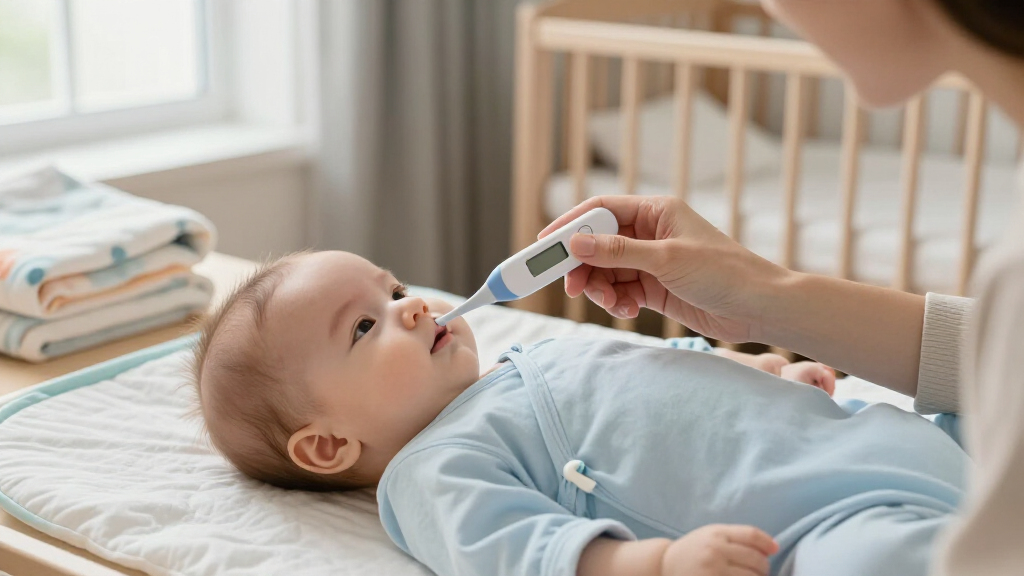
I ranked these ten models around the needs behind a rectal temperature check during an infant fever: a design suited to the measurement method, clear instructions, a readable display, manageable handling, and practical cleaning. A short or flexible tip and a shape that helps limit insertion depth matter more here than smart features or broad age claims. I also weighed speed and fever indicators as convenience features, not proof of superior accuracy; a thermometer’s instructions and correct use remain central.
The baby-focused Vicks, Easy@Home, and Frida rectal models lead because their stated purpose aligns most directly with this use case. Multi-use options rank lower unless their manufacturer instructions explicitly support rectal readings, since versatility can add ambiguity about technique and hygiene. The remaining distinctions come down to usability and fit: caregivers who want a focused tool may prefer a dedicated model, while households seeking one device for several ages or measurement settings may accept a more general design. I do not treat unverified accuracy claims as established clinical performance.
| accurate safe rectal thermometer for baby with fever | Power |
|---|---|
| Vicks Baby Rectal Digital Ther | — |
| Frida Baby 3-in-1 Thermometer | — |
| Kinsa QuickCare Smart Digital | Battery powered; 1 lithium metal battery included |
| Easy@Home Baby Rectal Thermome | — |
| Femometer 7-Second Digital The | — |
| Frida Digital Rectal Thermomet | Battery powered; one battery |
| MINDPET-MED Digital Rectal The | Battery powered |
| Braun Digital Thermometer for | — |
| Boncare Digital Thermometer | One included LR41 battery |
| Vicks SpeedRead Digital Thermo | Battery included |
Factors to Consider When Choosing Accurate Safe Rectal Thermometer For Baby With Fever
Choosing a thermometer for an infant involves more than comparing response times. Before buying, check that the manufacturer explicitly allows the measurement method you plan to use, then weigh the design against your comfort with the technique, cleaning routine, and household needs.
Check That Rectal Use Is Explicitly Supported
Do not assume that a thermometer labeled for babies is approved for rectal use; some are intended for forehead or ear readings, while others support several methods. Read the manual and packaging for the permitted measurement sites, age guidance, and any restrictions. A multi-use model can be convenient, but its extra versatility is only useful if the instructions clearly explain rectal use. If the guidance is unclear, ask a pediatric clinician or choose a model specifically described for rectal measurement. This simple check can prevent buying a device whose intended use does not match your need.
Prioritize Tip Shape and Controlled Placement
For rectal measurement, the tip and the way the device limits insertion matter more than a long feature list. Look for a short, smooth tip and clear manufacturer directions on positioning and insertion depth. A flexible tip may feel less rigid during handling, but flexibility alone does not make insertion safe or guarantee a correct reading. Never force the thermometer, and stop if your baby resists or you are unsure of the technique. Ask a healthcare professional to demonstrate safe use if this is your first rectal measurement.
Treat Speed as Convenience, Not a Shortcut
A fast-reading claim can shorten an uncomfortable check, but it does not establish that a reading is more accurate. Movement, placement, and removing the device before it signals completion can affect the result. Follow the specific thermometer’s instructions rather than estimating when the reading is ready. If a result seems unexpected, repeat the measurement only as directed and avoid repeated checks that distress your baby. When a fever reading concerns you, contact a clinician instead of relying on speed or a second device to settle a medical question.
Plan for Cleaning and Device Separation
Rectal thermometers need cleaning after each use according to the manufacturer’s directions, including any limits on water exposure or cleaning products. A storage case can help keep the tip protected between checks. In a household that also takes oral temperatures, marking the device or keeping a dedicated rectal thermometer can prevent accidental cross-use. Avoid assuming every digital thermometer can be submerged or disinfected the same way. A convenient cleaning routine is more useful than a feature you rarely use.
Choose a Display and Alert You Can Read Under Stress
When a baby is unwell, a clear screen and an unmistakable completion signal can reduce uncertainty. Check whether the display is readable in your usual lighting and whether the controls are simple enough to operate while holding your child. Fever indicators can draw attention to a result, but their thresholds may not match the advice given for your baby’s age or health situation. Read the number itself and follow your clinician’s guidance. If multiple caregivers share the thermometer, simple controls and consistent instructions may matter more than app connectivity.
Match Versatility to Your Household
A dedicated rectal thermometer can make the intended use clearer, while a multi-use model may serve older children or adults as well. The tradeoff is that shared devices need careful cleaning, clear labeling, and close attention to which measurement mode is being used. Smart or connected features may help some caregivers keep records, but they do not replace a correctly taken measurement or medical advice. Before paying for extras, decide whether your household will actually use them. For a newborn or a caregiver new to rectal checks, clear purpose and instructions are usually more useful than added modes.
Frequently Asked Questions
Can I use any digital thermometer for a rectal reading?
No. A digital thermometer’s general-purpose label does not automatically mean its manufacturer permits rectal use. Check the manual for approved measurement sites and age guidance before using it this way. If the instructions do not clearly support rectal measurement, choose a model that does or ask your baby’s clinician. Use a dedicated, clearly identified device if your household also takes oral temperatures.
Is a seven-second thermometer more accurate than a slower model?
Not based on speed alone. A short response time describes convenience, not necessarily accuracy or suitability for rectal use. Correct placement, keeping the device in position until its signal, and following the manual all affect the measurement. Compare the maker’s instructions and intended use rather than choosing on the seconds claim. If a reading conflicts with how your baby appears or with clinical advice, contact a healthcare professional.
Should I buy a dedicated rectal thermometer or a multi-use model?
A dedicated model can make the intended measurement method clearer and may simplify keeping rectal use separate from oral use. A multi-use device can be practical when the maker explicitly approves rectal readings and explains how to use each mode. The tradeoff is added responsibility for cleaning, labeling, and following the right instructions every time. For a first-time caregiver or a very young infant, clear rectal-specific guidance may be more helpful than extra versatility. Choose based on the instructions and your household routine, not the number of modes alone.
Does a fever indicator tell me whether my baby needs medical care?
No. A color or alert indicator is a convenience cue, not a diagnosis or a substitute for age-specific medical guidance. Read the displayed temperature and follow the advice you have received from your baby’s clinician. Fever guidance can vary with an infant’s age and health, so do not rely on a device’s threshold alone. If your baby is very young, appears seriously unwell, or you are worried, contact a healthcare professional promptly.
What should I do if two thermometer readings disagree?
First check that each device is being used in a measurement mode approved by its manufacturer and that you followed its instructions. Different measurement sites can produce different results, so readings from rectal, forehead, or oral checks should not be treated as directly interchangeable. Avoid repeatedly switching devices or averaging results to make a medical decision. If the difference is concerning, repeat a measurement only as directed and contact your baby’s clinician for guidance. Seek prompt care if your child shows serious symptoms, regardless of the number.
Conclusion
For most caregivers seeking a focused choice, I recommend the Vicks Baby Rectal Digital Thermometer as best overall because its stated purpose aligns directly with rectal checks. The Easy@Home EMT-027 is my best value-style pick for caregivers drawn to a flexible tip and fever indicator, while the Frida Digital Rectal Thermometer is another baby-specific option. For beginners, I would prioritize the clearest instructions and a design that makes controlled placement easier over speed or connected features. If you need one device for several ages, compare Frida Baby 3-in-1, Kinsa QuickCare, Braun, Boncare, and Vicks SpeedRead only after confirming rectal use is allowed. My premium-style choice for added versatility is the Kinsa QuickCare, but its extra features are not a reason to pay more if a dedicated thermometer better fits your needs. Whichever you choose, follow the manual and ask your baby’s clinician about fever readings that concern you.
Halloween Picks
halloween
As an affiliate, we earn on qualifying purchases.