
To stay connected abroad, choose a travel adapter that matches your device’s plug type and voltage requirements. Different countries have diverse socket shapes and electrical standards, so understanding these is key. Use adapters with surge protection and make certain they handle your device’s wattage. Being aware of voltage and frequency variations helps prevent damage. Keep safety tips in mind, and you’ll be ready for any power situation—learn more to travel confidently and protect your electronics.
Key Takeaways
- Match your device’s plug type and voltage requirements with the local standards before using an adapter.
- Choose versatile adapters with features like surge protection, USB ports, and voltage converters for safety and convenience.
- Know the socket types of your travel destination to ensure plug compatibility and prevent damage.
- Use adapters with built-in safeguards, avoid overloading, and verify proper grounding to protect your devices.
- Troubleshoot power issues by checking compatibility, testing outlets, and monitoring for overheating or surges.

Ceptics 35W Universal Travel Adapter Kit – 2 USA sockets, USB-A, USBC, 1x PD 35W USB-C and USBC Cable, Surge Protected, Plugs for EU, UK, China, AU, Japan – for Laptop, Phone, Camera-ETL Tested
International Power Adapter:Equipped with 2 USA outlets, 1x USB-A (3A), 1x USB-C and 1x PD 35W USB-C and…
As an affiliate, we earn on qualifying purchases.
As an affiliate, we earn on qualifying purchases.
How to Choose the Right Travel Adapter for Your Devices
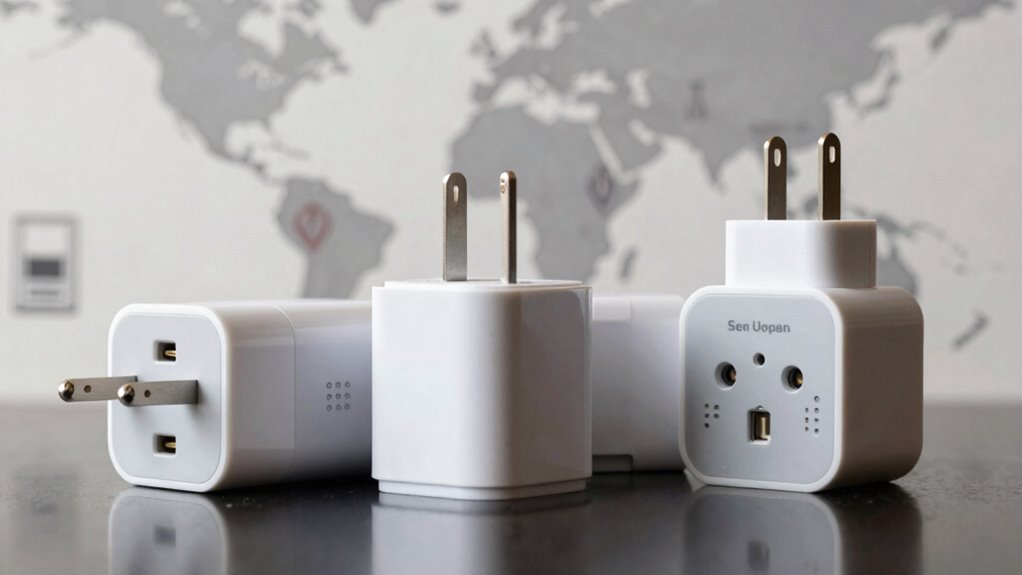
When choosing the right travel adapter for your devices, it’s essential to take into account both your device’s plug type and the electrical standards of your destination. Start by checking your device’s compatibility with different plug types and voltage requirements. Not all adapters support every device, so look for one with versatile adapter features that suit multiple gadgets. Consider whether the adapter offers surge protection, USB ports, or built-in converters, as these features can enhance safety and convenience. Make sure the adapter can handle the wattage of your devices, especially for high-power items like laptops. Additionally, selecting an adapter with energy-efficient design can help reduce power consumption during your travels. Being aware of electrical safety standards and how they vary by country can further ensure your devices remain protected. Familiarizing yourself with water-resistant designs can be beneficial if you plan to use your adapter in outdoor or humid environments. Choosing an adapter with compliance with international regulations can help avoid legal issues and ensure safety. Paying attention to compatibility guidelines is crucial to prevent damage and ensure your devices operate correctly. By focusing on device compatibility and selecting an adapter with the right features, you ensure your devices stay safe and functional throughout your trip.

Acer Universal Travel Plug Adapter – International Power Adapter with 5 USB Ports (3 USB C) 5.8A, Worldwide Outlet Charger for USA to European UK France Germany Spain, Type C/E/F/G/I/L/A, Black
【6-in-1 Universal Travel Adapter】 This international power adapter has 5 USB ports(29W) and a universal AC outlet which…
As an affiliate, we earn on qualifying purchases.
As an affiliate, we earn on qualifying purchases.
What Are Power Plugs and Sockets Worldwide?
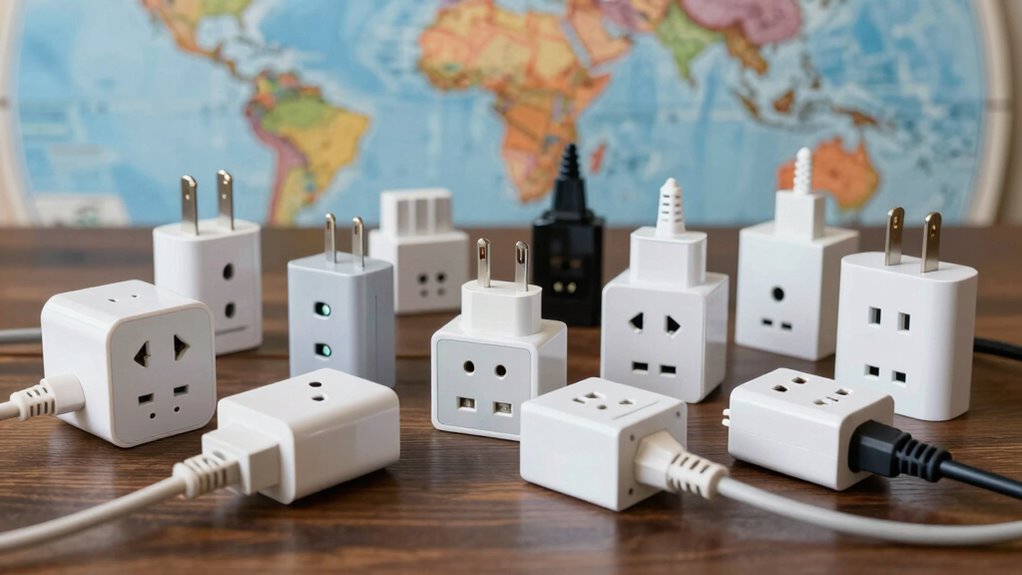
Power plugs and sockets vary widely around the world, making it crucial to understand their differences before you travel. Each country uses different socket types, which affects plug compatibility. Some regions have two-prong plugs, while others use three-prong designs for grounding. The shape, size, and pin configuration of plugs can differ markedly, so it’s important to identify the socket types of your destination. For example, Type A and B are common in North America, while Europe primarily uses Type C and F. Knowing these variations helps you choose the right travel adapter. Without proper knowledge of socket types, you risk incompatible plugs or even damaging your devices. Always research the specific plug compatibility for your travel destination to ensure smooth device use.

International Travel Adapter Voltage Converter Combo for 100V-240V with 2 USB Ports, USA to UK Europe Australia 200+ Countries 1
[CONVERTER ADAPTER COMBO FOR INTERNATIONAL TRAVEL] – Ordinary Travel adapters do not convert the voltage, Ours Does! there…
As an affiliate, we earn on qualifying purchases.
As an affiliate, we earn on qualifying purchases.
Why Do Voltage and Frequency Vary by Country?
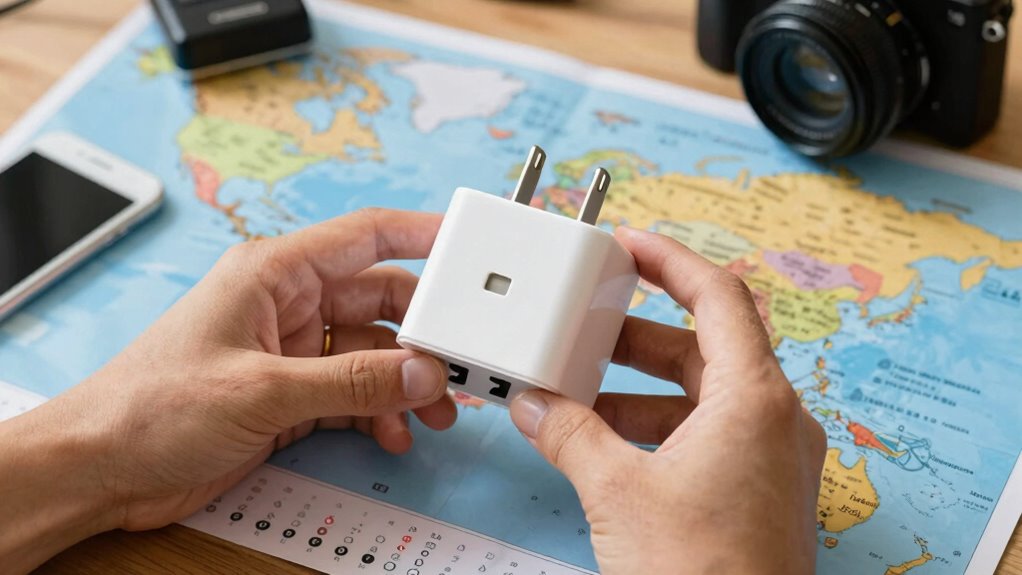
The voltage and frequency of electrical outlets vary by country because these standards developed independently based on historical, technological, and regional factors. Different regions adopted electrical standards that suited their early infrastructure, available technology, and energy sources. For example, some countries chose higher voltages for efficiency, while others prioritized safety, influencing the regional variations in standards. These differences led to distinct electrical standards worldwide, affecting voltage levels and frequency. As a traveler, understanding these regional variations is vital because your devices may not work properly or safely if used with incompatible voltage or frequency. Adapting to these electrical standards helps prevent damage to your electronics and guarantees safe operation during your travels. Additionally, knowing about electrical standards can assist in selecting the appropriate travel adapters and converters for your devices. Recognizing voltage and frequency differences also emphasizes the importance of using quality converters to protect your gadgets.
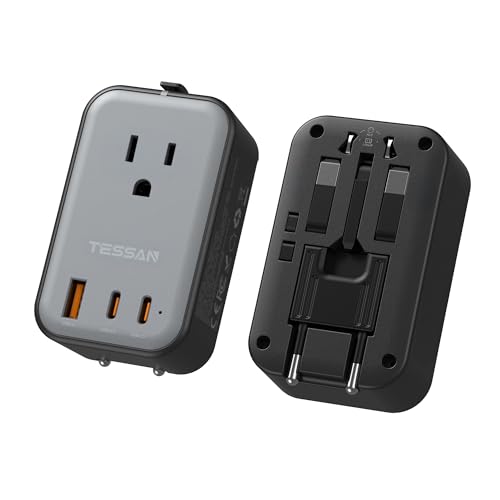
TESSAN Travel Adapter PD 20W, Universal Power Adapter 2 USB C 1 USB A, Ultra Thin International Plug Adaptor Worldwide Outlet for US to European UK Italy Spain New Zealand (Type C G A I), 1 Pack
Universal Travel Plug Adapter: TESSAN power adapters for international travel covers over 150 countries: Type C for most…
As an affiliate, we earn on qualifying purchases.
As an affiliate, we earn on qualifying purchases.
Tips for Safely Using Travel Power Adapters Abroad
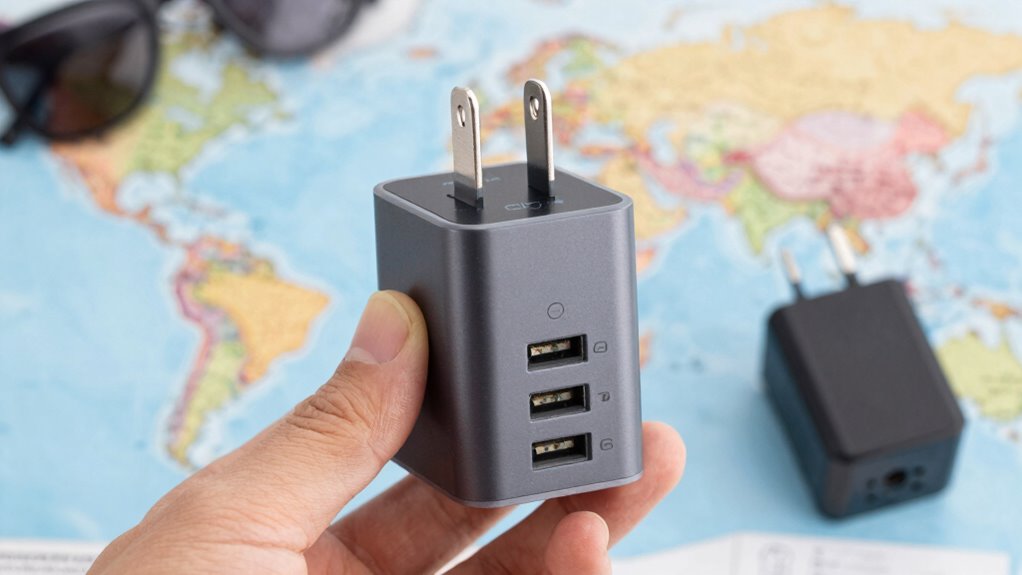
Traveling with a power adapter requires careful attention to safety to protect both your devices and yourself. First, verify your adapter is compatible with the country’s plug type and voltage to prevent damage. Check the device’s voltage rating and match it with the local power supply; using an incompatible adapter can cause short circuits or fire hazards. Always choose an adapter with built-in circuit protection features, such as surge suppression or fuse protection, to shield your devices from power surges. Avoid overloading the adapter by plugging in only the necessary devices and using a power strip designed for travel. Keep the adapter dry and unplug it when not in use. Additionally, consult a reliable power compatibility guide to ensure your equipment is safe for international use. Remember that understanding voltage compatibility is essential for safe device operation abroad. Utilizing smart protection features in your adapters can provide added safety and peace of mind during your travels. Ensuring your adapter has proper grounding can further reduce the risk of electrical faults. Following these tips helps ensure safe, reliable use of your travel power adapter abroad.
Troubleshooting Common Power Problems When Traveling
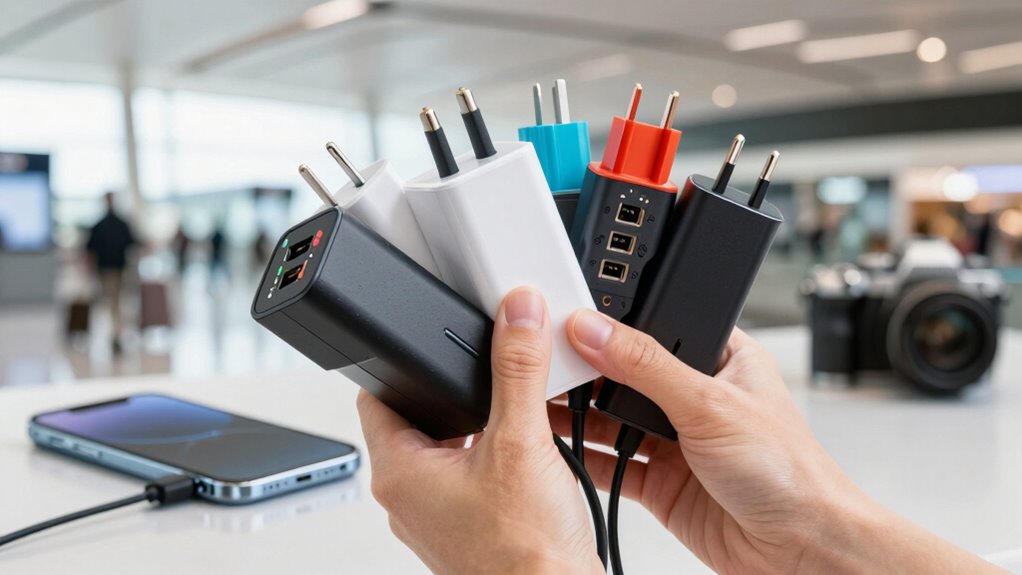
When you plug in your device and nothing happens, it can be frustrating, but many common power problems have simple solutions. First, check for circuit overloads—if multiple devices draw too much power, the circuit may trip, preventing your device from working. Try unplugging other electronics and resetting the circuit breaker if needed. Next, verify your travel adapter is compatible with both the plug type and voltage of your destination. An incompatible adapter can cause power issues or even damage your device. Confirm that your adapter supports the voltage range and wattage required. If problems persist, test your device with another outlet or use a different adapter. Troubleshooting these issues quickly can save you time and keep your devices safe during your travels. Additionally, understanding thermal behavior of your devices can help prevent overheating or electrical issues caused by improper power supply. Being aware of electrical tolerance can also aid in diagnosing power inconsistencies and ensuring safe device operation. Paying attention to power ratings ensures your devices are used within safe operational limits, reducing the risk of damage. Recognizing voltage fluctuations can help you take proactive steps to protect your devices from sudden power surges or drops, and implementing proper grounding can further enhance safety during power usage.
Frequently Asked Questions
Can I Use My Adapter With Multiple Devices Simultaneously?
You can use your adapter for multi-device charging if it supports multiple outputs and is compatible with your devices. Check the adapter’s compatibility to guarantee it handles the total power load. Avoid overloading the adapter, as it can cause overheating or damage. Use a multi-port USB or power strip with safety features for safe, efficient device charging. Always verify your adapter’s specifications before connecting multiple devices simultaneously.
Are There Universal Adapters Suitable for All Countries?
You’ll find that universal adapters are like friendly travelers—they aim to cover many destinations, but they might not be perfect for every country’s plug compatibility or adhere to all adapter standards. While they seem to offer a one-size-fits-all solution, it’s wise to check if they truly support the specific plugs and voltage standards of your destinations. This way, you stay connected without surprises, ensuring your devices stay safe and functional.
How Do I Identify the Correct Voltage for My Device?
You identify the correct voltage for your device by checking its label or user manual, which shows the power compatibility range, like 100-240V. Ensuring your device matches the local voltage is crucial for device safety and to prevent damage. If your device’s voltage differs, use a voltage converter or step-down transformer. Always verify these details before plugging in to keep your devices safe and functioning properly during travel.
What Are the Risks of Using Incompatible Adapters?
Using incompatible adapters poses serious risks; studies show that electrical hazards cause thousands of injuries worldwide annually. When you plug a device into an incompatible adapter, you risk damaging your device’s internal components or causing a short circuit. This can lead to electrical hazards like sparks or fires, and long-term device damage that might void warranties. Always make certain your adapter matches the voltage and plug type to keep yourself safe.
Do Travel Adapters Also Convert Voltage?
Travel adapters do not convert voltage; they only guarantee plug compatibility between your device and the foreign socket. If your device isn’t compatible with the voltage of the destination country, using an adapter alone can risk damage or safety hazards. To keep your device safe, check if it supports dual voltage or use a voltage converter alongside the adapter. Always prioritize device safety and match the right adapter to your device’s voltage requirements.
Conclusion
Traveling abroad doesn’t have to be stressful if you choose the right adapter and stay mindful of voltage differences. Did you know that over 15,000 different types of power plugs and sockets exist worldwide? By understanding your device’s voltage and using safe adapters, you guarantee your devices stay protected. Stay prepared, stay safe, and enjoy your trip without power worries—your devices will thank you for it.