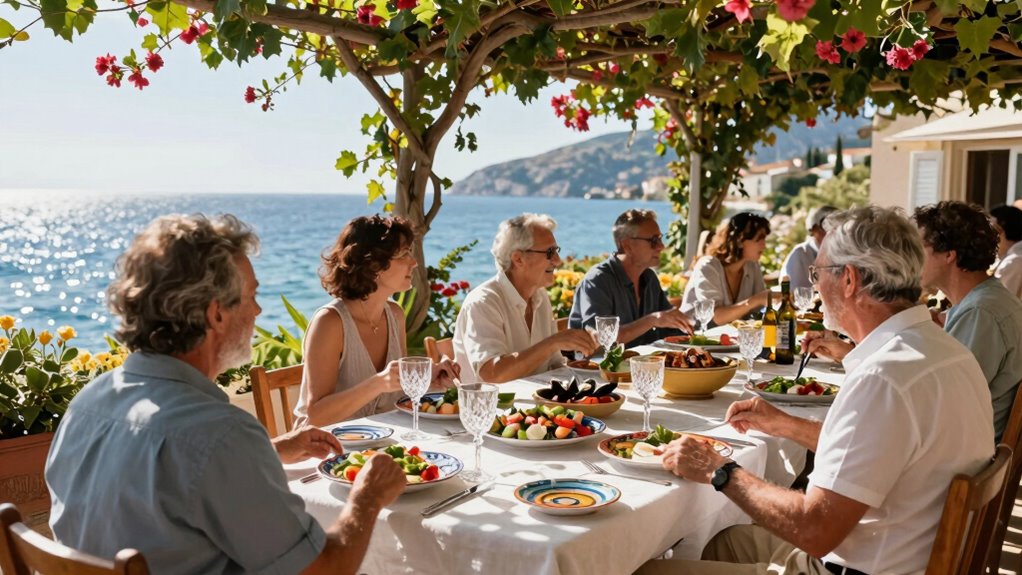

Embracing the art of the long lunch abroad means immersing yourself in local culture through more than just food. You’ll enjoy multi-course meals that tell stories of land, tradition, and craftsmanship while connecting with locals over shared flavors and customs. These moments foster genuine bonds and deepen your appreciation for regional history and ecological heritage. If you keep exploring, you’ll uncover ways to turn dining into authentic cultural celebrations and meaningful encounters.

Get your wardrobe favorites delivered free with Prime
- Fast, free delivery on millions of items
- Prime Video, Amazon Music and more included
- Member-only deals all year
Key Takeaways
- Embrace slow-paced dining to savor regional flavors, customs, and culinary craftsmanship.
- Use local wines to deepen cultural understanding and connect with land and tradition.
- Respect regional dining etiquette and social customs to foster meaningful interactions.
- Engage actively in conversations about local history, food, and wine to enhance immersion.
- View long lunches as holistic experiences celebrating cultural identity, sustainability, and community.
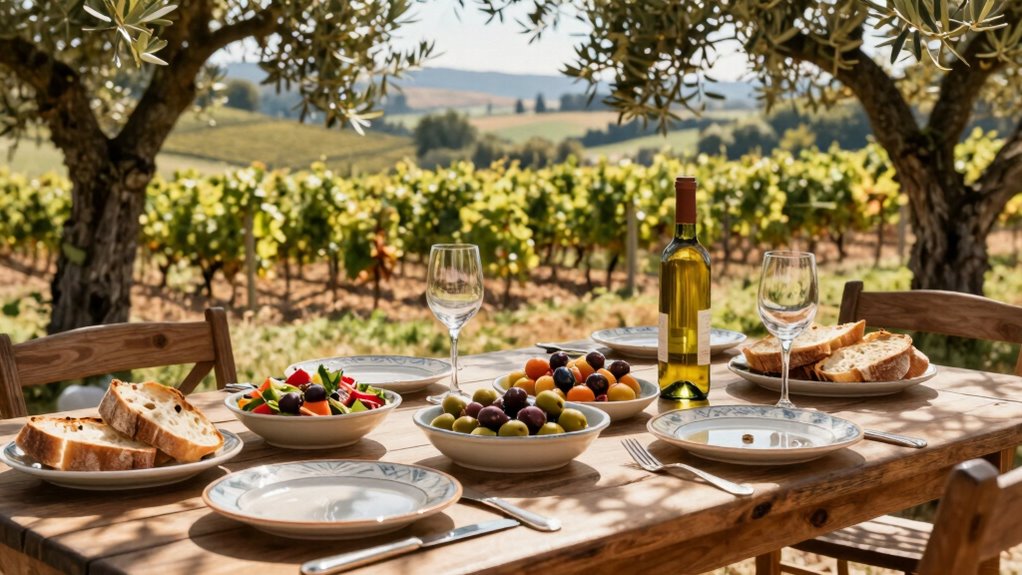
Have you ever wondered why some of the most memorable travel moments happen around a leisurely, extended lunch? It’s because these meals go beyond just nourishing your body—they’re an immersive experience that reveals the soul of a place. When you sit down for a long lunch abroad, you’re not just eating; you’re engaging with local customs, savoring the flavors, and embracing the rhythm of daily life. One of the key elements that elevates this experience is the local wine. Instead of opting for familiar bottles, you’re encouraged to try regional varieties that tell their own story. Sipping local wine allows you to connect with the land and its traditions, deepening your appreciation for the culture around you. Pairing it with local cuisine makes the moment even richer, transforming a meal into a celebration of place and history.
Long lunches abroad reveal local culture through flavors, customs, and regional wines, creating unforgettable moments of connection and tradition.
However, to truly enjoy these extended lunches, you need to be mindful of cultural etiquette. Every region has its own unwritten rules about dining that, if respected, can turn a simple meal into a meaningful exchange. For example, in France, meals often involve multiple courses and a slower pace, so rushing through your lunch may be seen as disrespectful. In Italy, sharing dishes and engaging in lively conversation is customary, reflecting the importance of community and connection. Understanding these nuances shows your respect for local traditions and fosters genuine interactions with your hosts or fellow diners. It also helps you avoid awkward moments that can disrupt the flow of a relaxed, social meal. Recognizing the role of cultural etiquette in shaping the dining experience can help you navigate these social nuances more effectively. Additionally, being aware of local customs can further enhance your understanding of what makes each culinary tradition unique.
As you settle into a long lunch abroad, let yourself slow down and savor each moment. Take time to appreciate the craftsmanship behind the local wine, the freshness of the ingredients, and the stories behind the dishes. Engage in conversations that go beyond small talk, asking questions about the region’s culinary history or the origins of the wine you’re drinking. Be observant of how locals behave during meals—note the gestures, the pacing, and the gestures of hospitality—and mirror their behaviors when appropriate. Doing so not only enriches your experience but also shows your genuine interest in the culture. Additionally, recognizing the importance of biodiversity in local food and wine production can deepen your understanding of the region’s ecological and cultural heritage. Being mindful of sustainable practices in sourcing and production can enhance your appreciation for the authenticity and quality of regional products.
Ultimately, a long lunch is about more than just food—it’s an act of cultural immersion. When you respect local wine choices and cultural etiquette, you open the door to authentic connections and unforgettable memories. These moments remind you that travel isn’t just about the sights you see, but about the stories you taste, the people you meet, and the traditions you embrace along the way.
Popular right now

Ninja Foodi Air Fryer 10 Qt DualZone 6-in-1 Black DZ302

Dyson Big Ball Multi Floor Canister Vacuum, Yellow

TCL 85-Inch QM6K Series QLED Mini LED 4K HDR Smart Google TV
As an affiliate, we earn on qualifying purchases.
Frequently Asked Questions
How Do I Find the Best Local Dining Spots for a Long Lunch?
To find the best local dining spots for a long lunch, start by researching popular neighborhoods or asking locals for recommendations. Look for places offering menu customization to suit your tastes. Use reservation tips like booking early or calling ahead to secure a table. Check online reviews and social media for recent updates. This way, you’ll enjoy an authentic, relaxing dining experience tailored to your preferences.
What Etiquette Should I Follow During Extended Lunches Abroad?
During extended lunches abroad, you should follow local table manners, like using the appropriate utensils and engaging politely with others. Be mindful of tipping customs, as they vary by country—some include service charges, while others don’t. Always observe how locals behave, avoid rushing, and show appreciation for the meal and company. Respecting these customs guarantees a pleasant experience and helps you blend seamlessly into the local dining scene.
Are There Specific Drinks to Pair With Long Multi-Course Lunches?
For long multi-course lunches, you should consider wine pairing that complements each dish, enhancing flavors without overpowering them. Start with a light white or rosé for appetizers, then switch to a fuller-bodied red or white for main courses. When selecting desserts, opt for sweet wines or dessert wines, which pair beautifully with rich or creamy desserts. This thoughtful approach elevates your dining experience and guarantees your drinks harmonize with each course.
How Can I Avoid Overeating During a Lengthy Lunch?
Like a skilled sailor steering calm waters, you should practice mindful eating and portion control to avoid overeating during a lengthy lunch. Focus on savoring each bite, paying attention to your hunger cues, and avoid piling your plate too high. This way, you enjoy the experience without feeling overstuffed. Remember, slowing down helps your body recognize fullness, making your long lunch both pleasurable and balanced.
What Are Some Cultural Differences in Long Lunch Traditions Worldwide?
You’ll notice that table manners and dining customs vary widely worldwide. In France, long lunches emphasize leisurely conversation and refined etiquette, while in Japan, meticulous manners and shared dishes reflect respect. In Italy, meals are social events with a focus on family and tradition. Understanding these cultural differences helps you adapt your table manners, making your long lunch experience more authentic and respectful, regardless of where you’re dining.
Conclusion
So, next time you’re abroad, embrace the long lunch as a chance to truly connect and soak in local culture. Did you know that in countries like Spain and Italy, lunch breaks can last up to two hours? It’s more than just a meal—it’s a celebration of life, community, and savoring the moment. So, slow down, enjoy your food, and let the art of the long lunch enrich your travel experience.