
To recover from jet lag effectively, you should optimize light exposure by getting plenty of sunlight during the day and dimming lights in the evening to reset your internal clock. Maintain consistent sleep routines, avoid screens and caffeine before bed, and schedule activities to align with your new time zone. Strategic use of light therapy and darkness can accelerate adjustment. Keep exploring these tips to master faster jet lag recovery.
Key Takeaways
- Maximize natural morning light exposure and use light therapy devices to reset your circadian rhythm quickly.
- Create a sleep-friendly environment with blackout curtains, consistent routines, and limit screen time before bed.
- Schedule activities and meals to align with local time zones, boosting internal clock adjustment.
- Minimize bright light in the evening and employ darkness cues to promote melatonin production and sleep readiness.
- Use light and dark exposure strategically, avoiding misconceptions like relying solely on caffeine or ignoring body signals.

Red Light Therapy for Eyes, Under Eye Red Light Eye Mask for Fine Lines Eye Bags, 3 Modes Face Mask Device, Infrared Light Therapy for Dark Circles, Visual Wellness, Eye Fatigue, Jet Lag
Just 4 Weeks to Revitalize Your Eyes: Tired of strained eyes from screens, faint fine lines, lingering under…
As an affiliate, we earn on qualifying purchases.
As an affiliate, we earn on qualifying purchases.
How Does Light Exposure Reset Your Body Clock?

Light exposure plays a crucial role in resetting your body clock, especially after crossing time zones. Your circadian rhythm, the internal clock regulating sleep and wakefulness, relies heavily on natural light cues. When you get sunlight at the right time, it signals your brain to adjust melatonin regulation, the hormone responsible for sleepiness. Bright morning light suppresses melatonin, helping you feel alert and aligned with the new time zone. Conversely, avoiding light at night allows melatonin levels to rise, promoting sleep. Proper light exposure helps synchronize your circadian rhythm with your environment, reducing jet lag symptoms. Additionally, using light therapy devices can enhance your exposure to effective light levels when natural sunlight is limited. Implementing a consistent light exposure schedule can also support your circadian adjustment process. By intentionally managing your light intake, you can reset your internal clock more quickly and improve overall sleep quality during your travels. Understanding how light exposure influences circadian rhythms and leveraging timing strategies can provide additional insights into effectively combating jet lag. Incorporating light management techniques can further optimize your adaptation to new time zones.
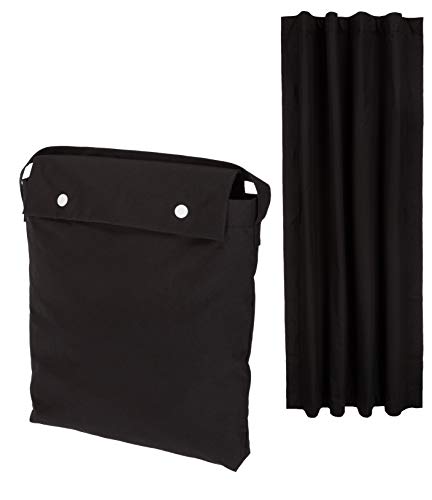
Amazon Basics Portable Blackout Curtain Shade with Suction Cups, Noise Reducing, Energy Saving, 50" W x 78"L, Black, 1-Pack
ENERGY SAVING: These blackout curtains act as an insulating barrier by blocking sunlight
As an affiliate, we earn on qualifying purchases.
As an affiliate, we earn on qualifying purchases.
Sleep Tips to Reduce Jet Lag and Sleep Disruption
To minimize jet lag and prevent sleep disruptions, planning your sleep schedule before and during travel can make a significant difference. Create a comfortable sleep environment by using blackout curtains, earplugs, and a cool, quiet room to promote restful sleep. Avoid caffeine intake close to bedtime, as it can interfere with your ability to fall asleep and disrupt your sleep cycle. Stick to your usual sleep routine as much as possible, even when adjusting to a new time zone. If you need to nap, keep it short—around 20 minutes—to avoid feeling groggy later. Properly managing your sleep environment and monitoring caffeine intake help reset your internal clock faster, reducing jet lag symptoms and supporting better rest during your trip. Additionally, understanding how contrast ratio impacts your viewing experience can help you create an optimal environment for relaxation and sleep. Being mindful of light exposure during travel can further aid in adjusting your internal clock and improving overall sleep quality. Incorporating sleep hygiene practices into your routine can also enhance your ability to adapt quickly to new time zones and achieve restorative sleep.

Fygrip 3D Eye Mask Sleep Mask for Men & Women, 100% Pressure-Free & Light Block-Out Eye Mask for Sleep with Easy Adjustable Strap, Night Eye Cover for Travel, Black
【100% Pressure-Free】: Patented 3D contour design with deep & wide eye pockets provides large space for your eyes…
As an affiliate, we earn on qualifying purchases.
As an affiliate, we earn on qualifying purchases.
Schedule Your Activities to Speed Up Jet Lag Recovery
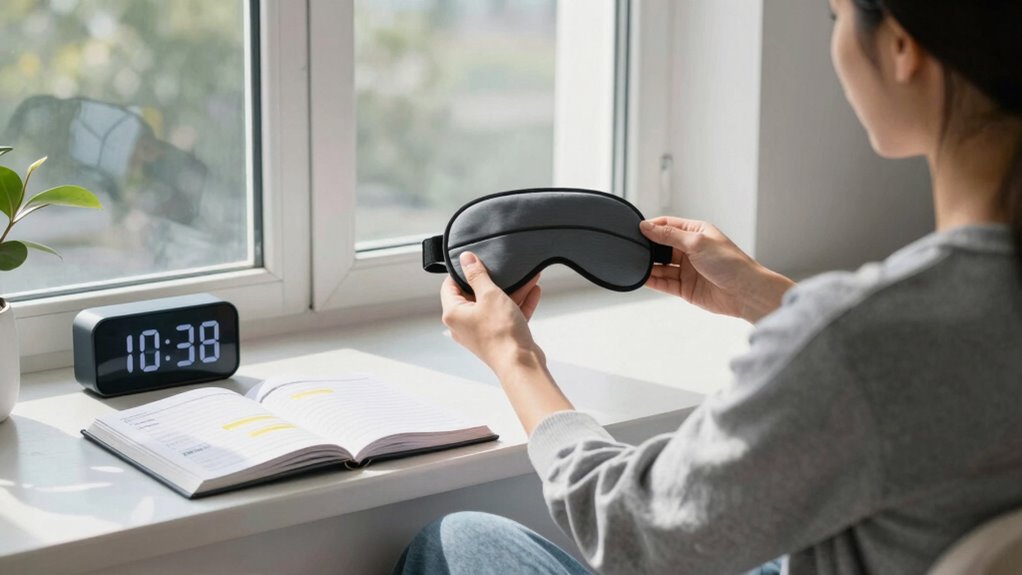
Scheduling your activities strategically can substantially accelerate your recovery from jet lag. Plan meal times to align with local daylight hours, helping your internal clock adjust faster. Eating at appropriate times signals your body to adapt to the new schedule. Be mindful of caffeine intake; consuming caffeine early in the day can boost alertness, but avoid it later, as it might interfere with sleep. Use your activity schedule to stay active during daytime hours, which reinforces your new time zone. Avoid strenuous activities close to bedtime, ensuring you wind down properly. Incorporating routine maintenance about maintaining and restoring routines from classic motorcycle restoration can serve as a helpful analogy for establishing consistent daily habits. Paying attention to internal clock cues helps your body synchronize more effectively with the new time zone. Understanding how circadian rhythms influence sleep and alertness can further enhance your adjustment process. Recognizing the importance of light exposure during the day can significantly aid in resetting your internal clock more efficiently. By coordinating meal timing and caffeine consumption with your daily activities, you help reset your internal clock more efficiently, speeding up your jet lag recovery and helping you feel more alert and rested faster.
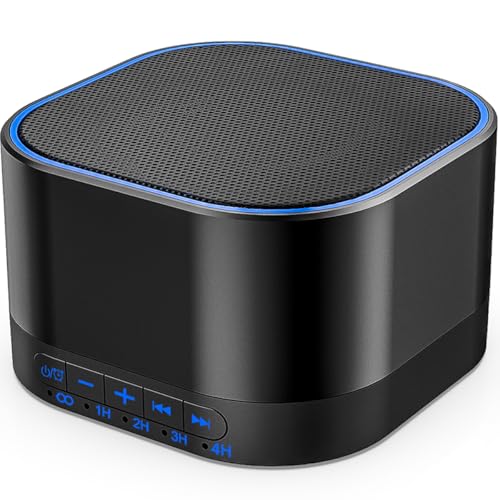
Magicteam Sound White Noise Machine with 20 Non Looping Natural Soothing Sounds and Memory Function 32 Levels of Volume Powered by AC or USB and Sleep Sound Timer Therapy for Baby Kids Adults
❤20 Non-Looping Sleep Sounds: White noise ,Brown noise, pink noise, blue noise, fan,brook, rain, ocean,bird and Bonfire,suitable for…
As an affiliate, we earn on qualifying purchases.
As an affiliate, we earn on qualifying purchases.
How to Use Light and Darkness to Adjust Faster
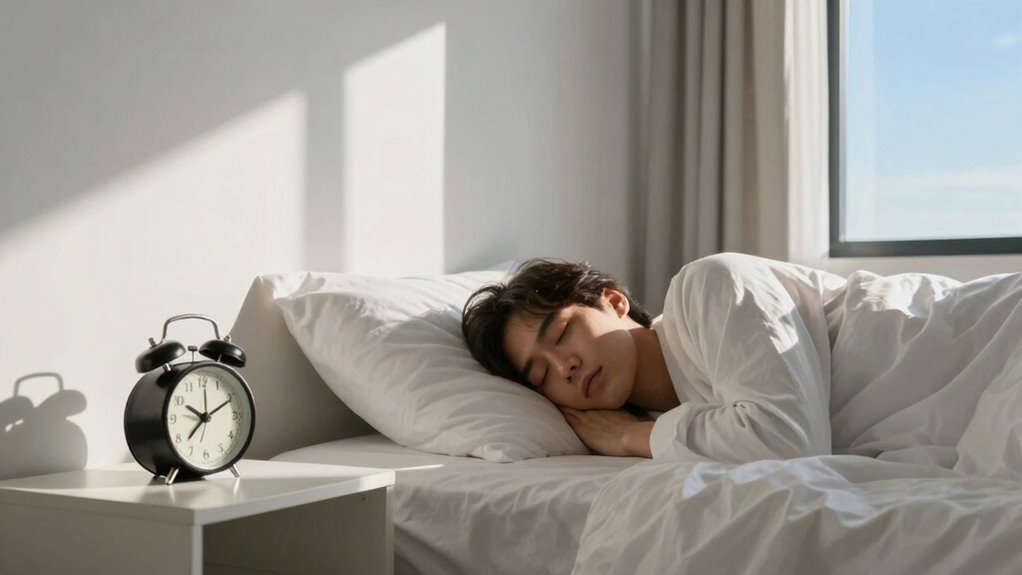
To adjust quickly to your new time zone, you should seek out as much natural light as possible during the day. At the same time, try to minimize exposure to bright light in the evening to help your body prepare for sleep. Balancing light and darkness like this can substantially speed up your jet lag recovery. Additionally, using light exposure techniques can optimize your internal clock adjustment and improve your overall adaptation process. Incorporating filtration systems that mimic natural light patterns can further enhance your adjustment and comfort during travel. Implementing light management strategies tailored to your schedule can also help reinforce your circadian rhythm alignment. For example, choosing accommodations with support breakfast options can help you maintain consistent routines to support your recovery. Exploring light therapy devices can provide targeted assistance when natural light exposure is limited.
Maximize Natural Light Exposure
Maximizing your exposure to natural light is a key strategy for resetting your internal clock after jet lag. Light acts as a powerful circadian cue, guiding your body’s sleep-wake cycle. To optimize this, consider these steps:
- Spend time outdoors early in the day to get strong morning light, which advances your circadian phase.
- Avoid light pollution at night by dimming indoor lights and limiting screen exposure after sunset.
- Use windows strategically—sit near them during the day to increase light intake.
- Be mindful of inconsistent light exposure, which can confuse your internal clock and delay adjustment.
- Understanding the science of light and darkness helps you tailor your exposure for faster adaptation.
- Incorporating natural lighting techniques into your daily routine can further enhance your circadian adjustment process.
- Recognizing the influence of internal clocks like the circadian rhythm can help you better time your light exposure for optimal adjustment.
- Being aware of the role of credit card usage in financial management can help you maintain stability during travel recovery.
- Paying attention to light timing can significantly improve the speed of your circadian realignment.
Minimize Evening Darkness
Controlling your evening light exposure is essential for speeding up your adjustment to a new time zone. Minimizing evening darkness helps your body stay alert and signals that it’s daytime, aiding your internal clock. To do this, stay exposed to light during the evening hours, especially if you’re traveling east. Avoid dimming or turning off lights too early. Use bright indoor lighting or natural light if possible. Here’s a quick guide:
| Action | Effect |
|---|---|
| Keep lights on in the evening | Promotes alertness and delays melatonin release |
| Avoid darkness early | Prevents your body from thinking it’s night |
| Use bright lamps | Enhances light exposure during critical hours |
| Limit screen time before bed | Reduces blue light, but still maintains overall light exposure |
| Adjust based on destination time | Synchronize your light exposure with new time zone |
Additionally, understanding your circadian rhythm can help you better tailor your light exposure for faster adjustment. Incorporating smart lighting devices can optimize your exposure automatically, ensuring you get the right amount of light at the right times.
This strategy helps reset your internal clock faster.
Practical Light Exposure Strategies for Faster Adjustment
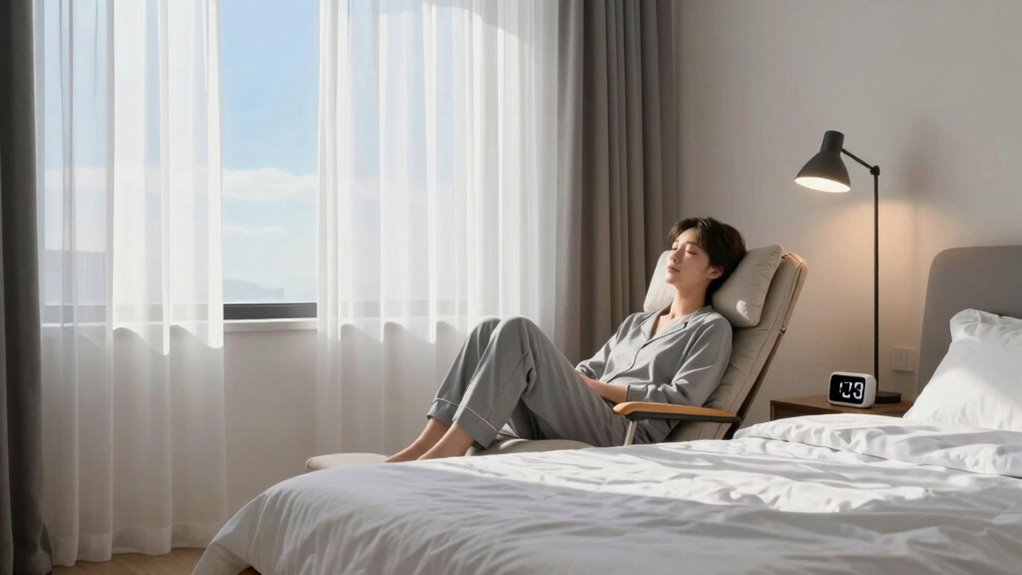
To recover faster from jet lag, you should focus on strategic light exposure. Get plenty of morning sunlight to help reset your internal clock and avoid bright evening lights that can disrupt your adjustment. Consider using light therapy devices if natural light isn’t enough to synchronize your body’s rhythm quickly.
Maximize Morning Sunlight
Getting plenty of morning sunlight can considerably speed up your body’s adjustment to a new time zone. To maximize this benefit, consider these strategies:
- Start your day with a sunrise meditation outside, soaking in natural light and calming your mind.
- Incorporate outdoor exercise like walking or jogging within the first hour of waking to expose your eyes to bright morning light.
- Aim to spend at least 20-30 minutes outside, especially between 6-8 a.m., when sunlight is most effective for resetting your internal clock.
- Keep your blinds open or sit near windows during breakfast to enhance light exposure if outdoor activity isn’t possible.
Consistent morning sunlight helps suppress melatonin and boosts alertness, accelerating your adjustment process.
Minimize Evening Light
After soaking up the morning sunlight to reset your internal clock, it’s equally important to limit exposure to bright light in the evening. Evening illumination can suppress melatonin, making it harder for your body to wind down and adjust to a new time zone. To reduce this, dim your lights and avoid screens at least an hour before bed. Visualize this scene:
| Bright Room | Dim Lighting | Darkness |
|---|---|---|
| Fluorescent | Soft lamp | Night sky |
| Screen glow | Candlelight | Moonless sky |
| Overhead | Warm glow | Pitch black |
Use Light Therapy Devices
Using light therapy devices can considerably speed up your adjustment to a new time zone. They help establish circadian alignment by delivering timed light exposure that signals your internal clock to reset. To maximize their effectiveness, follow these steps:
- Determine your target light exposure time based on your travel direction and destination.
- Use the device consistently during the identified window, typically in the morning or early evening.
- Avoid bright light exposure outside the recommended period to prevent circadian disruption.
- Combine light therapy with sleep scheduling for synchronized circadian rhythm realignment.
Light therapy devices are practical tools that facilitate faster jet lag recovery by reinforcing natural light cues, helping your body adapt more quickly to the new time zone.
Common Mistakes That Worsen Jet Lag and How to Avoid Them
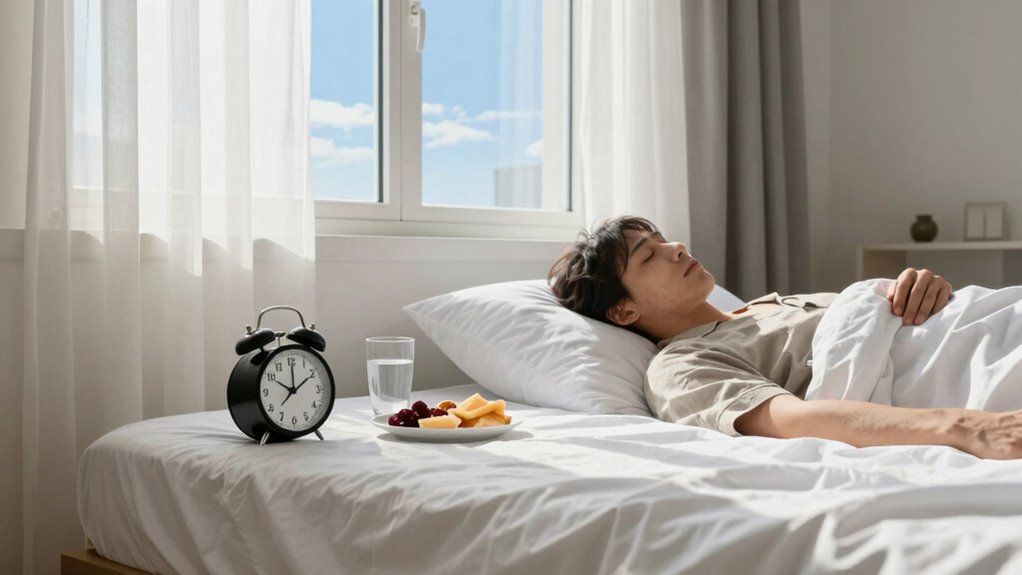
One of the biggest mistakes you can make is ignoring your body’s signals and trying to force yourself to stay awake or sleep at odd hours, which can worsen jet lag. Many travelers fall for misconceptions about melatonin, believing taking large doses speeds recovery, but timing and dosage matter more. Similarly, misconceptions about caffeine lead some to consume it late in the day, disrupting sleep further instead of helping stay alert. To avoid these pitfalls, use melatonin strategically and in recommended amounts, focusing on your body’s natural rhythms. Limit caffeine intake to early hours, and don’t rely on it to cover up fatigue. Recognizing these misconceptions and adjusting your habits can markedly reduce jet lag symptoms and improve your recovery process.
Frequently Asked Questions
Can Jet Lag Recovery Be Faster With Supplements or Medications?
Yes, supplements and medications can help speed up your jet lag recovery. Some supplements, like melatonin, have proven supplement efficacy in resetting your internal clock, making it easier to adapt. However, you should always consider medication safety and consult a healthcare professional before use. Proper timing and dosage are vital to avoid side effects and maximize benefits, so don’t rely solely on these options—combine them with good sleep and light strategies for best results.
How Long Does It Typically Take to Fully Adjust to a New Time Zone?
It usually takes about a few days to a week for you to fully align your circadian rhythm with a new time zone. During this period, focusing on good sleep hygiene helps smooth the progression, while gentle light exposure guides your internal clock. Every person adapts differently, so patience and consistent routines support your journey to feel naturally synchronized again.
Are There Differences in Jet Lag Recovery Strategies for Different Age Groups?
Yes, there are age-specific strategies for jet lag recovery. Younger travelers often recover faster and may benefit from flexible sleep schedules and light exposure. Older adults, however, face developmental considerations like circadian rhythm shifts, requiring more careful planning around sleep and light therapy. Tailoring your approach based on age helps optimize recovery, ensuring you adjust quickly and comfortably regardless of your developmental stage.
What Role Does Hydration Play in Speeding up Jet Lag Recovery?
Hydration is your secret weapon against jet lag! Proper fluid intake is vital because dehydration can worsen fatigue and disorient your body’s clock. Staying well-hydrated helps your body adjust faster, boosts energy, and relieves symptoms like headaches. The importance of hydration can’t be overstated—think of it as fueling your recovery. Drink plenty of water, avoid alcohol, and keep fluids handy to help your body reset smoothly and swiftly.
Is It Better to Stay Awake or Sleep During Jet Lag to Reset Faster?
It’s better to stay awake during jet lag to reset faster, using sleep strategies and wakefulness tactics. You should aim to align your sleep schedule with the new time zone as soon as possible. Stay active during daylight hours, avoid napping excessively, and resist the urge to sleep until the local bedtime. This helps your internal clock adjust quicker, making you feel more alert and energized faster.
Conclusion
By harnessing light, darkness, and smart scheduling, you hold the keys to taming jet lag’s wild beast. Think of your body clock as a delicate dance—step in rhythm with the sun and moon, and it’ll guide you home faster. With mindful timing and strategic exposure, you’ll turn the chaos of travel into a smooth, steady voyage. Your internal compass is ready—just steer it wisely, and let the journey to recovery begin.