Ethical consumption lets you influence fair wages, better working conditions, and sustainable practices by making choices aligned with your values. It encourages companies to be transparent and responsible. However, it can’t fix systemic problems like economic inequality, political corruption, or global poverty on its own. Your actions matter, but they are part of a bigger effort involving policies and organizations. To understand how your choices contribute and what limits exist, keep exploring this important topic.

Get your wardrobe favorites delivered free with Prime
- Fast, free delivery on millions of items
- Prime Video, Amazon Music and more included
- Member-only deals all year
Key Takeaways
- Ethical consumption can promote fair labor practices and environmental sustainability through informed purchasing choices.
- It cannot fully address systemic issues like economic inequality or political corruption.
- Transparency and technology help consumers verify product origins but have limitations in reaching all supply chain aspects.
- Consumer actions alone cannot overhaul complex global supply chains or eliminate structural inequalities.
- Ethical consumption supports broader systemic reforms but requires collaboration with governments and organizations for lasting change.
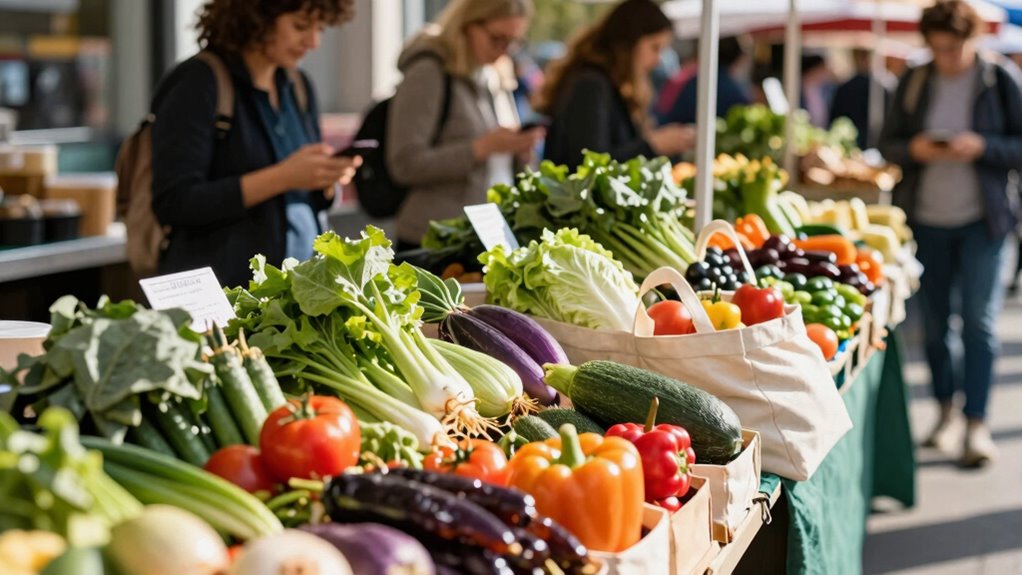
Have you ever wondered if your shopping choices can make a difference? It’s a natural question, especially when you consider the impact of your purchases on the world. Ethical consumption encourages you to think about more than just the price or brand—you start to focus on how products are made, where they come from, and the conditions of those involved in the process. Central to this idea is supply chain transparency, which involves companies revealing details about their sourcing, labor practices, and environmental impact. When businesses are open about their supply chains, you can make more informed choices, supporting brands that align with your values. But while consumer responsibility plays a key role, it’s important to recognize that individual actions alone can’t solve all the systemic issues related to ethical consumption.
By choosing ethically produced goods, you’re helping to put pressure on companies to improve their supply chain transparency. When consumers demand ethically sourced products, companies are more likely to adopt fair labor practices and reduce environmental harm. Your purchasing power becomes a form of advocacy, encouraging businesses to be more accountable. However, this approach isn’t a magic fix. Ethical consumption can address some problems, like promoting fair wages or reducing environmental destruction, but it can’t eradicate larger structural issues such as economic inequality, political corruption, or global supply chain complexities. These challenges often go beyond what individual consumers can influence directly.
Additionally, ethical consumption can sometimes be limited by availability or affordability. Not everyone has access to transparent, ethically sourced options, and higher prices can exclude those with limited budgets. This highlights the importance of systemic change, where governments and international organizations step in to enforce fair practices and improve supply chain transparency across industries. Supply chain transparency can also be strengthened through technological innovations that make sourcing more traceable and accessible for consumers. As technology advances, more tools are becoming available to enhance transparency, making it easier for consumers to verify the origins of their products. Furthermore, increasing awareness about the complexities of global supply chains can help consumers make more informed and responsible choices. Advances in technology are playing a crucial role in making these improvements possible.
In the end, ethical consumption is about making conscious choices within your power, knowing they contribute to a larger movement for change. It’s about understanding that your decision to support transparent and fair practices matters, even if it won’t solve every problem overnight. Your consumer responsibility is indispensable, but it’s just one piece of a much bigger puzzle. Supply chain transparency can also be strengthened through technological innovations that make sourcing more traceable and accessible for consumers.
In the end, ethical consumption is about making conscious choices within your power, knowing they contribute to a larger movement for change. It’s about understanding that your decision to support transparent and fair practices matters, even if it won’t solve every problem overnight. Your consumer responsibility is indispensable, but it’s just one piece of a much bigger puzzle.
Popular right now

Ninja Luxe Café Premier 3-in-1 Espresso Machine, Drip Coffee & Cold Brew

Roborock Robot Vacuum and Mop with LiDAR Navigation and 10,000 Pa Suction

De'Longhi Linea Classic Espresso Machine with Adjustable Milk Frother
As an affiliate, we earn on qualifying purchases.
Frequently Asked Questions
Can Ethical Consumption Completely Eliminate Environmental Damage?
No, ethical consumption can’t completely eliminate environmental damage, but it can make a difference. By choosing products with sustainable packaging and supporting companies that prioritize corporate accountability, you help reduce harm. Your purchasing decisions encourage businesses to adopt greener practices and improve transparency. While individual choices aren’t a cure-all, they contribute to a larger movement toward environmental responsibility, gradually lessening overall environmental impact.
Does Ethical Shopping Guarantee Fair Wages for Workers?
No, ethical shopping doesn’t guarantee fair wages for workers, but it does prioritize worker rights and wage fairness. While buying ethically supports companies committed to fair labor practices, it doesn’t automatically guarantee all workers are paid fairly everywhere. Your choices can influence better conditions, yet systemic issues still exist. So, your ethical shopping is a step, but not a complete solution, in championing fair wages and worker rights worldwide.
How Do Ethical Brands Verify Their Supply Chains?
Ethical brands verify their supply chains through transparency, making supply chain information accessible to consumers. They often rely on certification standards like Fair Trade or B Corp, which require rigorous audits and compliance checks. You can look for these certifications on products, ensuring the brand maintains high social and environmental standards. By prioritizing brands that openly share supply chain details and hold recognized certifications, you’re supporting ethical practices and responsible sourcing.
Is Ethical Consumption Affordable for All Income Levels?
Ethical consumption isn’t always affordable for everyone, especially amid income disparity. You might see it as a shining beacon guiding conscious choices, but not everyone can reach that light. Consumer awareness is crucial, yet costs often limit access, making ethical products seem out of reach for many. To truly bridge this gap, we need systemic change, ensuring that moral choices become accessible, not a privilege reserved for the few.
Can Individual Choices Significantly Impact Global Climate Change?
Your individual choices can profoundly impact global climate change through consumer awareness and behavioral influence. When you opt for sustainable products and reduce waste, you send a powerful message to companies to adopt greener practices. While one person alone can’t solve climate change, collective action driven by informed consumers can push industries toward more environmentally friendly solutions, ultimately helping to slow down global warming and protect the planet for future generations.
Conclusion
You can’t rely solely on ethical consumption to fix all societal issues, but it does matter. For instance, studies show that only about 10% of consumers prioritize ethical considerations when shopping, yet those choices can influence companies to adopt better practices. While individual actions have limits, collectively, they push for change. Remember, ethical consumption is a piece of the puzzle—not the whole solution—but your choices still shape a more responsible world.