
TL;DR

Get your wardrobe favorites delivered free with Prime
- Fast, free delivery on millions of items
- Prime Video, Amazon Music and more included
- Member-only deals all year
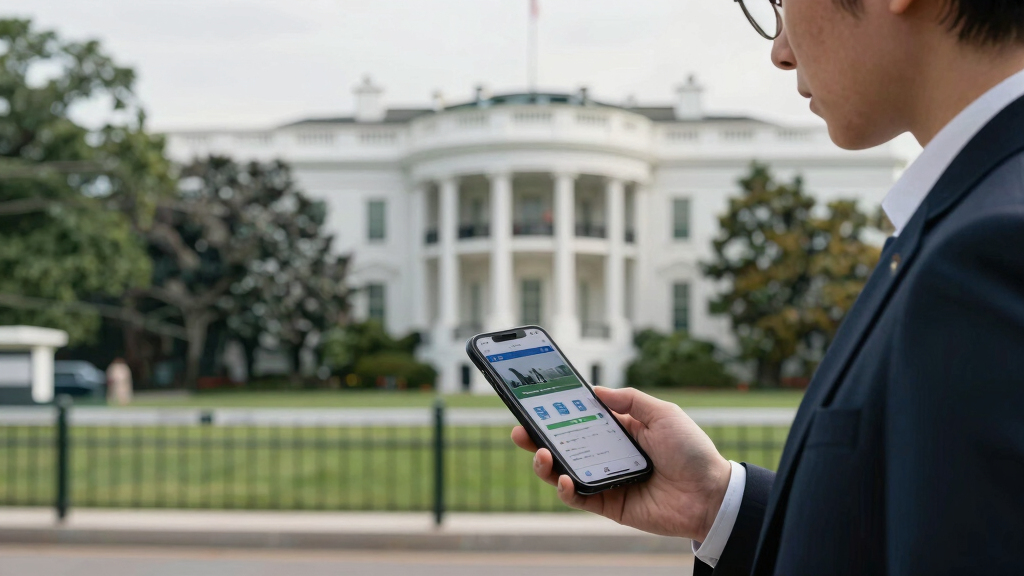
The White House has been fortified to a level comparable to a Green Zone, with extensive security measures in place following a recent spike in threats and violence. The perimeter is now heavily restricted, reflecting increased concerns about safety.
The White House perimeter has been heavily fortified with fences, sensors, armed guards, and other security measures, transforming the area into a virtual Green Zone following a surge in threats and violence near the presidential complex.
Recent incidents include a shooting at the People’s House museum across from the White House, where a gunman was killed by Secret Service agents. Over the past four weeks, there have been three separate gunfire incidents in the vicinity of the White House, involving threats to federal officials. The Secret Service reports a 40% increase in investigations this year compared to 2025, with a notable rise in cases involving individuals with mental health issues. In response, security measures have been escalated, with fences, sensors, drone interceptors, surface-to-air missiles, and armed personnel now surrounding the White House complex. Additional fencing has been erected around Lafayette Square, the Ellipse, and other access points, making it nearly impossible for the public to approach the grounds. Historically, White House security has evolved from minimal barriers to extensive fortifications, especially after events like the Oklahoma City bombing and September 11, which prompted perimeter expansions and airspace restrictions.
Why It Matters
This development signifies a substantial shift in White House security, reflecting heightened threats and a move toward isolating the president and key officials from public access. It underscores concerns about political violence and the challenges of safeguarding democratic institutions amid rising unrest. For the public, it indicates increased restrictions and a more fortified symbol of government security, potentially impacting perceptions of accessibility and transparency.
Popular right now

Dyson Ball Animal 2 Plus Corded Vacuum

Dyson Ball Animal 3 Extra Upright Vacuum

iRobot Roomba Max 715 Pet Robot Vacuum with AutoEmpty Dock
As an affiliate, we earn on qualifying purchases.
Background
Historically, White House security measures have gradually increased in response to specific threats, from initial fences in 1801 to extensive barriers after major incidents like the 1995 Oklahoma City bombing and the September 2001 attacks. Recent incidents, including gunfire near the White House and threats involving individuals with mental health issues, have accelerated security enhancements. The Secret Service has reported a significant rise in investigations and threats, prompting a reevaluation of perimeter security and access policies.
“We don’t have to explain it to anybody anymore.”
— Matthew Quinn, Deputy Director of the Secret Service
“Early presidents would have had, more or less, their household staff doubling as their security force.”
— Matthew Costello, Chief Education Officer, White House Historical Association
What Remains Unclear
It is not yet clear how long these heightened security measures will remain in place or whether they will be further expanded. The full scope of threats and the potential for future incidents are still being assessed by security agencies. Additionally, the impact on public access and the perception of transparency remain areas of ongoing debate.
What’s Next
Security officials are expected to continue monitoring threats and may adjust perimeter measures accordingly. Congressional oversight and public discussions about balancing security with accessibility are likely to influence future policies. Further incidents or intelligence reports could lead to additional security escalations or modifications.
Key Questions
Why has the White House perimeter been so heavily fortified recently?
The increase in threats, including recent gunfire incidents and rising violence near the White House, has prompted authorities to enhance security measures to protect officials and the grounds.
How does the current security compare to historical measures?
Today’s security is far more extensive than in the past, with fences, sensors, armed guards, drone interceptors, and surface-to-air missiles, reflecting a shift from minimal barriers to a fortified zone.
Will the public be able to access the White House grounds again?
Access remains highly restricted, with fences and barriers preventing public approach. It is unclear when or if these restrictions will be eased.
What prompted the recent security upgrades?
The recent spike in violent incidents and threats near the White House, including shootings and threats involving individuals with mental health issues, prompted the upgrades.
Source: The Atlantic