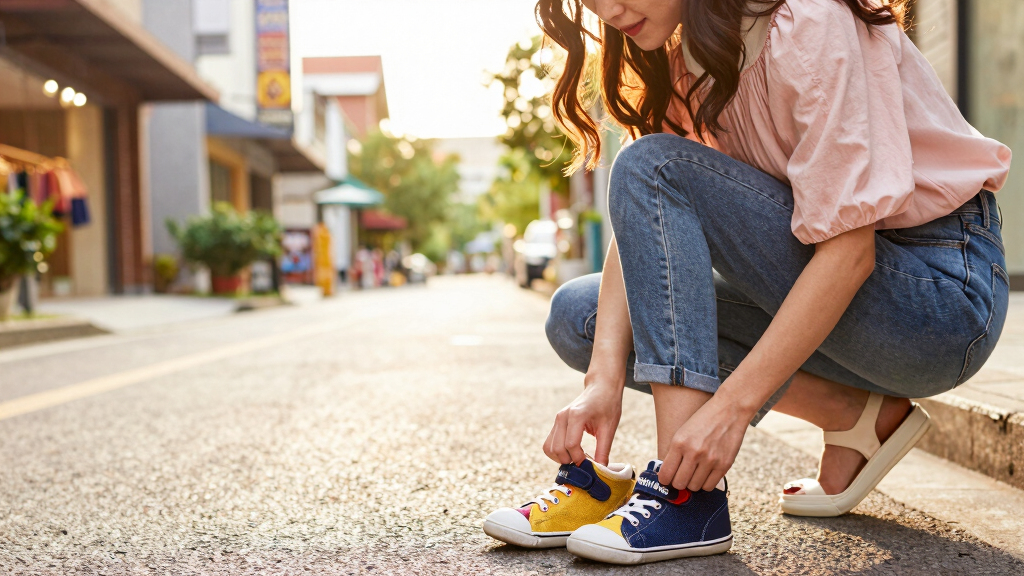

TL;DR

Get your wardrobe favorites delivered free — and shop member deals
- Fast, free delivery on millions of items
- Access to Prime Big Deal Days deals on October 6–7
- Prime Video, Amazon Music and more included
Miki House, a Japanese children’s clothing brand, is making significant inroads into the US luxury market, opening high-end stores and gaining popularity among affluent consumers. The brand emphasizes quality and strategic location choices to appeal to upscale parents.
Japanese children’s clothing brand Miki House is establishing a strong presence in the US luxury market, opening a flagship store at New York’s Plaza Hotel and attracting attention among affluent parents, according to reports from Nikkei Asia.
Miki House, traditionally known for its quality children’s apparel in Japan, has recently launched a flagship store at the prestigious Plaza Hotel in New York, a move seen as a strategic step into the US high-end market. The brand’s social media presence and guest endorsements have contributed to its ultrahigh-end image, appealing to wealthy parents seeking premium children’s wear. Industry analysts note that Miki House’s focus on quality, exclusive store locations, and targeted marketing have helped it carve out a niche in the competitive luxury segment. While the brand’s US expansion is still in early stages, initial reactions suggest strong interest among affluent consumers, with sales and brand recognition on the rise.
Why It Matters
This development signals the growing interest of Japanese brands in the US luxury market, especially in niche segments like high-end children’s apparel. Miki House’s success could influence other Japanese brands to pursue similar strategies, potentially reshaping the landscape of luxury children’s fashion in the US. For consumers, it offers more options for premium children’s clothing, while for the brand, it marks a significant step toward global expansion and prestige building.
premium Japanese children's clothing
As an affiliate, we earn on qualifying purchases.
As an affiliate, we earn on qualifying purchases.
Background
Japan’s Miki House has been a leading name in children’s clothing domestically for decades, known for its focus on quality and craftsmanship. Its move into the US market aligns with a broader trend of Japanese brands seeking international growth, particularly in luxury segments. The brand’s US expansion began with targeted store openings and social media campaigns, leveraging the prestige of locations like the Plaza Hotel. This approach contrasts with typical mass-market retail strategies, emphasizing exclusivity and high quality. The US luxury children’s market has been growing steadily, driven by affluent parents seeking premium, safe, and stylish options for their children.
“Miki House’s focus on quality and strategic store placements has helped it gain recognition among affluent US consumers.”
— Nikkei Asia
“Miki House’s entry into the US market exemplifies how Japanese brands are leveraging craftsmanship and exclusivity to appeal to high-end consumers abroad.”
— Industry analyst, Jane Doe
What Remains Unclear
It is not yet clear how sustained the brand’s US growth will be or if the initial buzz will translate into long-term market share. Details about sales figures, customer demographics, and future store plans remain undisclosed or are still developing.
What’s Next
Miki House is expected to expand its US retail footprint, possibly opening additional stores in key luxury markets. Monitoring sales performance and consumer feedback will be crucial to assess its long-term success and potential for broader market penetration.
Key Questions
How is Miki House positioning itself in the US luxury market?
Miki House is emphasizing high-quality craftsmanship, exclusive store locations like the Plaza Hotel, and targeted marketing to affluent parents seeking premium children’s apparel.
What has contributed to Miki House’s rising popularity in the US?
Strategic store placement, social media endorsements from guests, and a reputation for quality have helped boost its ultrahigh-end image among US consumers.
Are there plans for more stores in the US?
While specific plans have not been publicly announced, industry sources suggest Miki House is considering further expansion into other luxury markets in the US.
How does Miki House compare to other luxury children’s brands in the US?
Miki House’s focus on Japanese craftsmanship and exclusive locations sets it apart, though it is still establishing its presence compared to more established US or European luxury brands.
What challenges does Miki House face in the US market?
Competing with well-established luxury brands and convincing US consumers of its value proposition are potential hurdles. Sustaining growth will depend on consumer reception and brand positioning.
Halloween Picks
halloween
As an affiliate, we earn on qualifying purchases.