Ethical leather means sourcing from farms that prioritize animal welfare and sustainable practices, ensuring transparency throughout the supply chain. It involves eco-friendly tanning methods that reduce chemical use and environmental impact. Brands that share traceability info and hold certifications help you verify ethical standards. By choosing transparent companies committed to responsibility, you support a more sustainable leather industry. Want to know how to spot genuine ethical leather and what makes it trustworthy? There’s more to uncover ahead.
Key Takeaways
- Ethical leather is sourced from farms practicing sustainable, humane animal treatment with transparent supply chains verified by certifications like Fair Trade or LWG.
- Traceability systems, including blockchain, ensure consumers can verify ethical standards and responsible sourcing throughout the leather supply chain.
- Sustainable tanning methods, such as vegetable tanning, reduce environmental impact, chemicals use, and support eco-friendly practices.
- Transparency in sourcing, processing, and certifications builds consumer trust and demonstrates a brand’s commitment to ethical practices.
- Industry efforts focus on innovative materials, digital tracking, and collaboration to promote ethical standards and sustainable leather production.

Buffway Slim Minimalist Front Pocket RFID Blocking Leather Wallets for Men and Women – Lichee Light Brown
STYLISHLY SMALL, SLIM & DISCREET: Measuring just 3 1/8" x 4 7/16", our RFID front pocket wallet is…
As an affiliate, we earn on qualifying purchases.
As an affiliate, we earn on qualifying purchases.
What Makes Leather Ethical and Why It Matters

When evaluating whether leather is ethical, the focus often falls on how the animals are treated and how the material is produced. Ethical leather comes from farms practicing sustainable farming, ensuring animals are raised responsibly and with respect. Good animal welfare means animals are provided proper living conditions, enough space, and humane treatment throughout their lives. This approach minimizes suffering and promotes healthier, more natural growth. Sustainable farming reduces environmental impact, conserving resources and preventing overexploitation. Choosing leather from such sources means you support ethical practices that prioritize both animal well-being and ecological balance. It’s about making conscious decisions that align with your values, ensuring that your leather products are not just stylish but also ethically made, especially when traceability is maintained throughout the supply chain. Understanding traceability systems can further assure consumers about the origins and ethical standards involved in leather production.

Muse Craft Flawless 12''X24'' 5-6oz Vegetable Tanned Leather Precut| Import A Grade Tooling Leather Hide Full Grain Veg Tan Leather for Tooling, Carving, Dyeing, Embossing(12''x24'' 1.9-2.3mm)
📌 PROFESSIONAL-GRADE THICKNESS FOR ALL YOUR PROJECTS: 5-6 oz (1.9-2.3mm) This is the perfect thickness for durable leather…
As an affiliate, we earn on qualifying purchases.
As an affiliate, we earn on qualifying purchases.
How Can You Trace Where Your Leather Comes From?
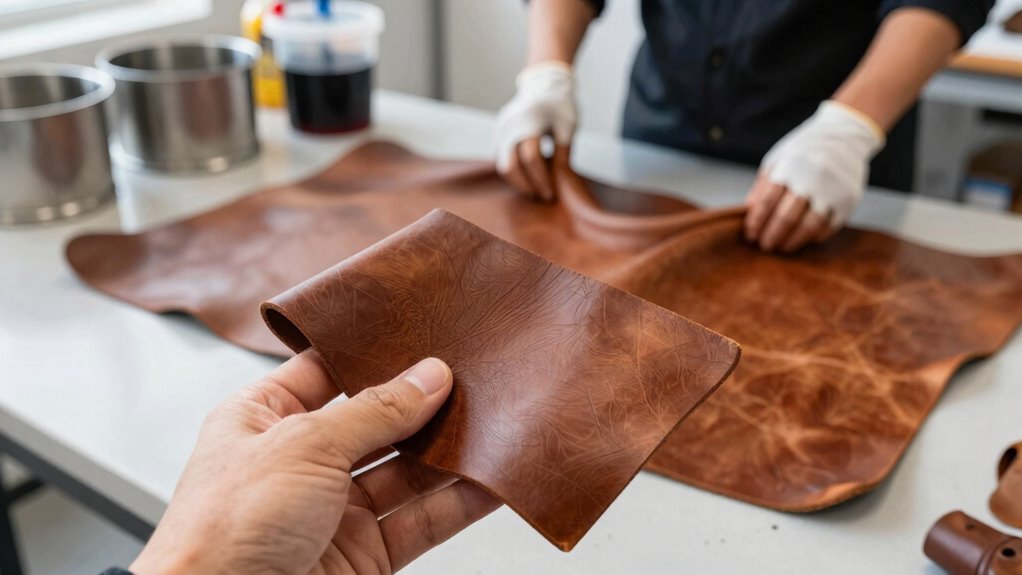
Ever wonder how to verify the origins of your leather? The key lies in understanding the supply chain. Start by checking if the brand provides transparent information about where their leather comes from. Look for certification verification, such as labels from recognized organizations like the Leather Working Group or Fair Trade Certification. These certifications ensure that the leather has been traced through a verified supply chain, confirming ethical practices and sustainable sourcing. Ask questions about the supply chain process—where the animals were raised, how the leather was processed, and whether ethical standards were maintained at each step. Additionally, European cloud servers are increasingly supporting transparency initiatives by providing secure and reliable platforms for supply chain data management. By prioritizing brands that offer transparent sourcing and verified certifications, you can confidently choose leather products that align with your values.

VATAN Men's Full Grain Leather Casual Every Day Jeans Belts, Handmade Men Leather Belt with Gift Box
HIGH QUALITY GENUINE LEATHER BELT: The VATAN Casual Mens Classic Leather Jean Belt is made with 100 percent…
As an affiliate, we earn on qualifying purchases.
As an affiliate, we earn on qualifying purchases.
What Are Sustainable Tanning Methods and Why Do They Matter?

Sustainable tanning methods reduce environmental harm by using less water and fewer toxic chemicals, helping protect ecosystems. They also create safer working conditions for tanners, who often face hazardous environments. Choosing these methods guarantees your leather supports both the planet and the people behind it. Incorporating sound therapy techniques can further enhance worker well-being and promote healthier environments in tanneries. Additionally, adopting transparent supply chain practices ensures accountability and ethical sourcing throughout the leather production process. Implementing environmentally friendly technologies can further minimize pollution and resource consumption in leather manufacturing, aligning with eco-conscious innovations that prioritize sustainability.
Reduced Environmental Impact
Traditional leather tanning often harms the environment by using hazardous chemicals and wasting water. To reduce this impact, sustainable farming practices help guarantee that animal rearing minimizes land degradation and conserves resources. Eco-friendly dyes further decrease pollution, replacing toxic chemicals with plant-based or water-based alternatives. These methods lower water and energy consumption, reducing the carbon footprint associated with tanning. Choosing tanneries that prioritize sustainable techniques supports the health of ecosystems and communities. Implementing greener processes not only benefits the environment but also aligns with ethical standards, ensuring that leather production is more responsible. Additionally, understanding the importance of AI ethics can help guide responsible innovation in sustainable manufacturing practices. By focusing on reduced environmental impact, you help promote a more sustainable industry that values conservation, transparency, and innovation in eco-conscious tanning methods. Incorporating sustainable supply chains ensures that every stage of leather production adheres to environmentally friendly standards, further amplifying positive impacts.
Safer Working Conditions
Reducing environmental harm in leather tanning also means creating safer working conditions for those involved in the process. Sustainable tanning methods prioritize worker safety by reducing exposure to toxic chemicals and ensuring proper protective gear. Fair wages are essential, allowing workers to support their families and work with dignity. Imagine a well-ventilated workshop where workers wear gloves and masks, protected from harmful fumes. The table below illustrates different aspects of safe working environments:
| Aspect | Traditional Tanning | Sustainable Tanning |
|---|---|---|
| Worker Safety | Exposure to hazardous chemicals | Reduced chemical use, protective gear |
| Wages | Often low, minimal benefits | Fair wages, better benefits |
| Environment | Pollution and health risks | Cleaner, safer workplaces |
Prioritizing worker safety and fair wages fosters a more ethical, sustainable leather industry.
Muse Craft Flawless 12''X24'' 5-6oz Vegetable Tanned Leather Precut| Import A Grade Tooling Leather Hide Full Grain Veg Tan Leather for Tooling, Carving, Dyeing, Embossing(12''x24'' 1.9-2.3mm)
📌 PROFESSIONAL-GRADE THICKNESS FOR ALL YOUR PROJECTS: 5-6 oz (1.9-2.3mm) This is the perfect thickness for durable leather…
As an affiliate, we earn on qualifying purchases.
As an affiliate, we earn on qualifying purchases.
How Does Transparency Build Trust in Leather Brands?
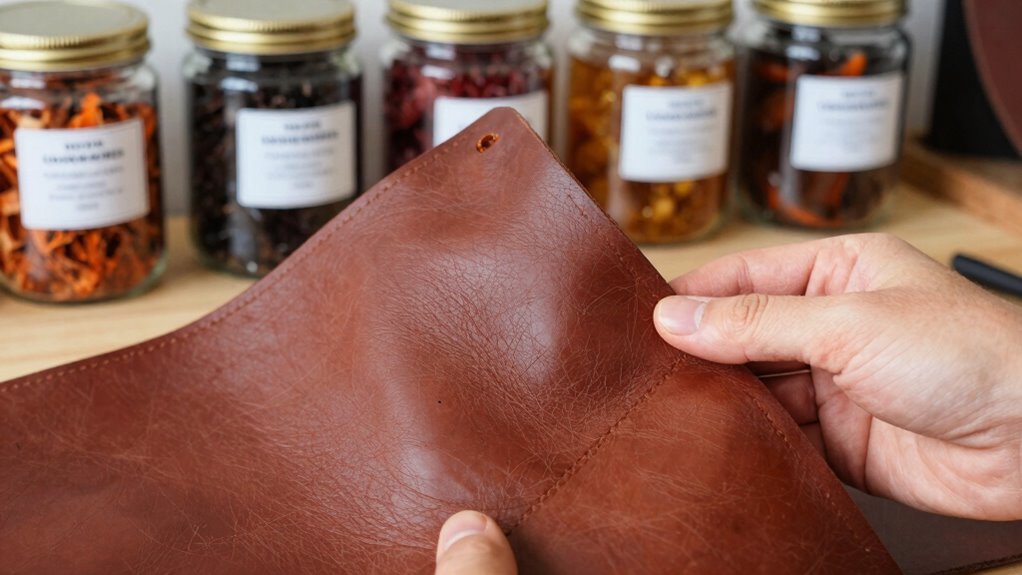
When leather brands share their sourcing practices openly, you can see exactly where their materials come from. Clear communication builds confidence, showing they’re committed to ethical standards. By maintaining open channels, they invite you to ask questions and stay informed about their processes. Additionally, transparency regarding traceability systems demonstrates their dedication to responsible sourcing and helps consumers make informed choices. Embracing ethical practices further reinforces their commitment to sustainability and consumer trust. Demonstrating ethical sourcing also encourages accountability within the supply chain, promoting better industry standards. Moreover, transparent brands often implement sustainable tanning methods, reducing environmental impact and strengthening their ethical stance.
Clear Sourcing Practices
Clear sourcing practices are essential for building trust between leather brands and consumers. When you see sourcing transparency, you’re assured that the leather comes from an ethical supply chain. Brands that prioritize clear sourcing demonstrate their commitment to responsible practices, making it easier for you to make informed choices. Transparency about where and how the leather is sourced shows accountability and respect for animal welfare and environmental standards. You can trust that the leather isn’t just fashionable but also ethically produced. Ultimately, clear sourcing practices highlight a brand’s dedication to integrity, helping you support companies that prioritize sustainability and ethical supply chains. Emphasizing the importance of traceability ensures that every step of the sourcing process is monitored and verified for authenticity and responsibility. When sourcing details are openly shared, it becomes easier to verify supply chain integrity, giving consumers confidence in the ethical standards upheld throughout production. Incorporating natural materials further supports environmentally friendly practices and enhances consumer trust. Additionally, adopting eco-friendly tanning methods reduces environmental impact and aligns with sustainable sourcing goals.
Open Communication Channels
Open communication channels are essential because they allow leather brands to share information directly with consumers, fostering transparency and trust. When brands openly discuss their supply chain practices, it increases consumer awareness of where and how the leather is sourced. This transparency helps customers make informed decisions and feel confident about their purchases. By maintaining open lines of communication, brands can address concerns about ethical sourcing, environmental impact, and tanning methods. Consumers today value honesty and accountability, and transparent communication demonstrates a brand’s commitment to ethical practices. It also encourages ongoing dialogue, which can lead to improved standards and stronger trust. Additionally, providing clear information about product quality and safety reassures consumers about the integrity of the leather they purchase. Transparency in supply chain practices allows consumers to better understand the journey of their leather products from raw material to finished item. Moreover, understanding traceability helps consumers verify the authenticity and ethical background of their leather. Building consumer confidence through open communication fosters loyalty and long-term relationships. Engaging consumers through educational content can further enhance understanding and appreciation of ethical leather sourcing. Ultimately, open communication creates a more informed customer base and builds a positive reputation rooted in transparency.
What Certifications Show Leather Is Ethically Made?

| Certification | Focus |
|---|---|
| GOTS | Organic, sustainable textiles |
| Fair Trade | Ethical labor and animal welfare |
| LWG | Environmentally responsible tanning processes |
| USDA Organic | Organic standards in leather production |
| Additional Certifications | Certifications also address tanning processes and environmental impact, ensuring comprehensive traceability in leather sourcing. These certifications help verify that the leather is produced under ethical standards and with minimal ecological footprint. |
Vegetable-Tanned vs. Chrome-Tanned Leather: Which Is Better?

When choosing between vegetable-tanned and chrome-tanned leather, you’ll want to think about their environmental impacts, as vegetable tanning uses natural materials and is more eco-friendly. Durability and aging also differ, with chrome-tanned leather often lasting longer and developing unique patinas over time. Additionally, production processes and costs vary, influencing both affordability and sustainability in your decision.
Environmental Impact Differences
The environmental impacts of vegetable-tanned and chrome-tanned leather differ markedly, influencing your choices as a consumer. Vegetable tanning uses natural plant-based materials, making it more biodegradable and reducing biodegradability concerns. Conversely, chrome tanning involves toxic chemicals like chromium-6, which can cause chemical pollution if not managed properly. Consider these points:
- Vegetable tanning produces less chemical pollution, making it safer for ecosystems.
- Chrome tanning can leave behind hazardous waste, impacting water quality.
- Vegetable-tanned leather decomposes more naturally, lowering landfill concerns.
- Chrome-tanned leather may release harmful chemicals during disposal, raising environmental health risks.
Choosing vegetable-tanned leather minimizes chemical pollution and supports sustainability, while chrome-tanned options pose greater environmental challenges.
Durability and Aging
Durability and aging are key factors to contemplate when choosing between vegetable-tanned and chrome-tanned leather. The aging process differs markedly: vegetable-tanned leather develops a rich patina over time, highlighting its material quality and giving it a unique character. It tends to be more rigid initially but becomes softer with use, often lasting decades if cared for properly. Chrome-tanned leather, on the other hand, offers greater initial flexibility and resistance to water and wear, making it more durable for everyday use. However, it may not age as gracefully, sometimes showing signs of cracking or dulling over time. Ultimately, your choice depends on whether you prioritize aging beautifully and character or immediate durability and ease of maintenance.
Production Processes and Cost
Choosing between vegetable-tanned and chrome-tanned leather often comes down to production methods and costs. Vegetable tanning generally involves higher production costs due to longer processing times and the use of natural materials. Conversely, chrome tanning offers faster turnaround, making it more suitable for large manufacturing scales. Here’s what you should consider:
- Production costs: Vegetable tanning is more labor-intensive and expensive, while chrome tanning is cheaper and quicker.
- Manufacturing scale: Large-scale production favors chrome tanning because of its efficiency.
- Environmental impact: Vegetable tanning typically costs more upfront but is more eco-friendly.
- Quality and aesthetics: The choice can influence the final look, which might impact costs based on desired quality.
In the end, your decision depends on balancing budget, scale, and sustainability goals.
Which Brands Are Leading the Way in Ethical Leather?

Several brands are now leading the charge in ethical leather, prioritizing sustainable sourcing and cruelty-free practices. They combine luxury craftsmanship with a strong commitment to animal welfare, ensuring their products are both high-quality and ethically made. Brands like Stella McCartney and Matt & Nat set the standard by using innovative, plant-based alternatives and transparent supply chains. These companies focus on reducing environmental impact while maintaining premium craftsmanship, proving that ethical leather can also be luxurious. By emphasizing traceability and cruelty-free sourcing, they push the industry toward more responsible practices. As a consumer, you can support these leaders, knowing they value animal welfare and sustainability without compromising on style or quality. Their efforts show that ethical leather is both fashionable and conscientious.
What Challenges Do Companies Face in Ensuring Ethical Leather?

Ensuring ethical leather production presents several significant challenges for companies. One major hurdle is supply chain complexity, which makes it difficult to track raw materials from source to finished product. You might find it hard to verify the origins of each hide or guarantee suppliers follow ethical practices. Certification challenges also pose problems, as obtaining and maintaining certifications like Fair Trade or Leather Working Group standards can be costly and time-consuming. Additionally, transparency across diverse suppliers isn’t always guaranteed, increasing the risk of unethical practices slipping through. Ultimately, balancing cost and ethical standards often forces companies to make tough decisions, potentially compromising their commitments. Overcoming these issues requires robust systems, ongoing oversight, and a commitment to transparency to truly ensure ethical leather.
How Can You Spot and Choose Ethical Leather Products?

Spotting and choosing ethical leather products starts with being informed about how to identify genuine certifications and transparent sourcing. Look for labels that display recognized ethical certifications, such as the Leather Working Group or other eco-friendly seals, which verify sustainable sourcing and ethical practices. Checking the product’s origin helps ensure the leather comes from suppliers committed to responsible practices. Trustworthy brands are transparent about their supply chains and often share details about their sourcing methods. Avoid products that lack certification or clear information, as they may come from unethical sources. By paying attention to these indicators, you can confidently select leather products that align with your values and support sustainable, ethical practices in the industry.
What’s Next for Ethical Leather? Trends and Innovations to Watch

What’s next for ethical leather is driven by innovative materials and technologies that aim to reduce environmental impact and improve transparency. You can expect several exciting trends to emerge.
- Sustainable Innovation: New bio-based and lab-grown leathers are becoming more viable, offering eco-friendly alternatives without sacrificing quality.
- Enhanced Traceability: Blockchain and digital tracking will make supply chains more transparent, helping you verify ethical sourcing easily.
- Industry Collaborations: Brands and organizations will work together to develop standards and share research, accelerating ethical advancements.
- Circular Economy Practices: Recycled materials and upcycling will gain prominence, minimizing waste and promoting sustainable consumption.
Staying aware of these trends helps you support truly ethical leather products and encourages continuous industry progress.
Frequently Asked Questions
How Does Ethical Leather Impact Local Communities and Economies?
Ethical leather positively impacts local communities and economies by promoting sustainable farming practices that support long-term environmental health. When you choose ethically sourced leather, you’re helping guarantee fair labor conditions, which boost local employment and income. This focus on sustainability and fair wages empowers communities, encourages responsible resource use, and fosters economic growth. Your support helps create a more equitable industry, benefiting both people and the environment in the regions involved.
Are There Any Health Risks Associated With Ethically Produced Leather?
You might wonder if ethically produced leather poses health risks. While it generally reduces harmful chemical residues used in conventional tanning, some individuals could still face allergy risks from certain dyes or finishes. For example, a person with sensitive skin might experience a reaction from natural tannins or low-level chemical traces. Overall, ethical leather tends to be safer, but it’s wise to check for specific ingredients if you have allergies.
Can Ethical Leather Be More Affordable Than Conventional Options?
Yes, ethical leather can be more affordable than conventional options because of sustainable pricing strategies and increased market affordability. When producers prioritize eco-friendly practices and transparent sourcing, they often find ways to reduce costs over time, making ethical leather more accessible. As consumer demand grows, economies of scale also help lower prices, allowing you to choose ethically made leather products without overspending.
What Role Do Consumers Play in Promoting Ethical Leather Practices?
Your consumer awareness and commitment to ethical shopping play a vital role in promoting ethical leather practices. By choosing brands that prioritize transparency, traceability, and sustainable tanning methods, you support ethical standards and pressure others to follow suit. When you demand ethically produced leather, you help drive industry change, encouraging more brands to adopt responsible practices. Your choices directly influence the market, making ethical leather more accessible and sustainable for everyone.
How Do Ethical Leather Initiatives Vary Across Different Countries?
You might think all ethical leather initiatives are the same worldwide, but surprise—cultural differences and supply chain transparency shape them. In some countries, strict regulations mandate traceability and sustainable tanning, while others barely peek at transparency. So, your leather’s ethics depend on where it’s made. Recognizing these variations helps you make truly informed choices, challenging the notion that ethical standards are universal—because they’re definitely not.
Conclusion
Choosing ethical leather isn’t just about style—it’s about supporting sustainable practices and animal welfare. Did you know that the global leather industry contributes to over 100 million animals processed annually? By understanding traceability, tanning methods, and brand transparency, you can make informed choices. Your decisions help drive positive change, encouraging brands to prioritize ethics and innovation. Together, we can shape a more responsible future for leather, ensuring it’s both beautiful and ethical.