To support animal welfare in wool and down, choose brands that emphasize ethical sourcing and humane practices. Look for certifications that verify responsible treatment, like gentle shearing methods and safe handling. Proper transparency lets you see how animals are cared for throughout their lives. By selecting products from ethical suppliers, you help promote better standards across the industry. Keep exploring to discover how your choices can make a positive difference in animal well-being.
Key Takeaways
- Ethical sourcing ensures humane shearing practices that prioritize animal well-being and prevent pain or injury.
- Certifications and transparency verify adherence to animal welfare standards in wool and down supply chains.
- Proper shearing techniques involve gentle handling, sharp tools, and quick procedures to minimize stress and trauma.
- Down production practices should avoid live-plucking and force-feeding, promoting humane treatment and natural behaviors.
- Consumer choices can drive industry improvements by supporting brands committed to ethical and sustainable animal welfare practices.

Animal welfare in wool and down production has become a key concern for consumers and industry stakeholders alike. As someone interested in ethically sourced products, you’re likely aware of how shearing practices directly impact the well-being of the animals involved. Proper shearing is essential not only for producing high-quality wool but also for ensuring the animals’ comfort and health. When shearing is performed incorrectly or roughly, it can cause pain, stress, and even injury. That’s why many companies emphasize ethical sourcing, which involves working with suppliers who prioritize gentle, humane shearing techniques. These practices minimize discomfort and promote the animals’ overall welfare. By choosing brands committed to ethical sourcing, you support farmers and processors who treat animals with respect, ensuring shearing is a safe, pain-free process.
Good shearing practices are more than just a matter of technique—they reflect a commitment to animal welfare. Skilled shearers use sharp tools, proper restraint methods, and gentle handling to reduce stress. They also follow strict protocols that prevent cuts or injuries. When shearing is done properly, it’s quick and efficient, with minimal trauma to the animal. You can often find certifications or assurances from brands that verify their supply chains meet these ethical standards. This transparency helps you make informed decisions, knowing your purchase aligns with your values. Ethical sourcing isn’t just about avoiding harm; it’s about fostering a sustainable relationship between humans and animals. It involves regular health checks, responsible farm management, and ensuring that animals are not subjected to unnecessary stress or discomfort throughout their lives. Additionally, reputable shearing training plays a vital role in maintaining high standards of animal care and welfare.
In the context of down production, ethical sourcing extends beyond shearing to how ducks and geese are kept. Humane practices include providing adequate space, proper nutrition, and gentle handling during molting and plucking. Many companies now adopt standards that prevent live-plucking or force-feeding, which are practices associated with animal cruelty. Instead, they rely on collection methods that respect the animals’ natural behaviors and needs. Your role as a conscious consumer is to seek out brands that are transparent about their sourcing methods and that prioritize animal welfare. By doing so, you help promote industry-wide improvements and support farmers who are committed to humane treatment. Ultimately, responsible sourcing and humane shearing practices are crucial steps toward improving animal welfare in wool and down production, aligning your purchasing choices with your ethical beliefs.

Molithe 100% Wool Blanket, 62" x 86", Warm, Thick, Washable, Military Wool Blanket, Great for Camping, Outdoors, Sporting Events, Survival Kits
100% VIRGIN WOOL BLANKE – Our thick wool blanket is made with 100% virgin wool filling, with an…
As an affiliate, we earn on qualifying purchases.
As an affiliate, we earn on qualifying purchases.
Frequently Asked Questions
How Can Consumers Identify Ethically Sourced Wool and Down Products?
To identify ethically sourced wool and down, you should look for transparency labels and certifications that confirm ethical shopping practices. Check for marks like the Responsible Wool Standard or Downpass, which ensure animal welfare standards are upheld. You can also research brands’ policies on animal treatment, choose companies committed to transparency, and prioritize products with clear, trustworthy labels, helping you make responsible, ethical shopping choices.
Are There Certifications That Guarantee Animal Welfare Standards?
Yes, there are certifications that guarantee animal welfare standards. Look for certifications like Responsible Wool Standard (RWS) and Downpass, which set strict certification standards for ethical sourcing. These standards confirm that animals are treated humanely, and their welfare is prioritized throughout the supply chain. When you see these certifications, you can trust that the product meets high animal welfare standards, making your choice more ethically responsible.
What Are the Main Health Issues Faced by Animals in Wool and Down Industries?
You might not realize it, but animals in wool and down industries often face serious health issues like mange outbreaks and feather plucking. Mange causes severe skin infections, while feather plucking results from stress or boredom. These problems highlight the importance of proper care and welfare standards. If you’re concerned, look for certifications that guarantee animals are treated humanely and their health is prioritized throughout their lives.
How Do Farming Practices Differ Globally Regarding Animal Welfare?
You see, farming practices vary globally based on cultural norms and economic impacts. In some countries, animal welfare is prioritized, with strict regulations and humane treatment, while others focus on maximizing production, often at the expense of animal well-being. You might notice that cultural values influence how animals are treated, and economic factors determine the level of care provided, affecting overall animal welfare standards worldwide.
Can Synthetic Alternatives Fully Replace Animal-Derived Wool and Down?
You might think synthetic alternatives can completely replace animal-derived wool and down, but they can’t match the warmth, durability, and eco-friendliness of real fibers. While synthetic options are a step toward ethical sourcing, they often fall short in sustainability. The truth is, no matter how innovative, they can’t fully replicate the natural qualities of wool and down, leaving a gap in both comfort and ethics you deserve.

Goose Down Fiber Comforter King Size – All-Season Hotel Quality Duvet Insert, High Fill Power, Ultra Soft 100% Cotton, Box-Stitched, Breathable, Lightweight Luxurious White Bedding, 90"x 106"
Premium Fill Blend:Our comforter is filled with a scientifically balanced blend of 95% high-loft goose down fiber and…
As an affiliate, we earn on qualifying purchases.
As an affiliate, we earn on qualifying purchases.
Conclusion
As you step into the world of wool and down, remember that every fiber tells a story of care or neglect. By choosing ethically sourced products, you become a guardian of gentle lives, weaving compassion into your everyday choices. Think of yourself as a steward of harmony, where kindness blooms like a well-tended garden. Your decisions can turn the tide, transforming raw materials into symbols of respect and warmth for all creatures involved.
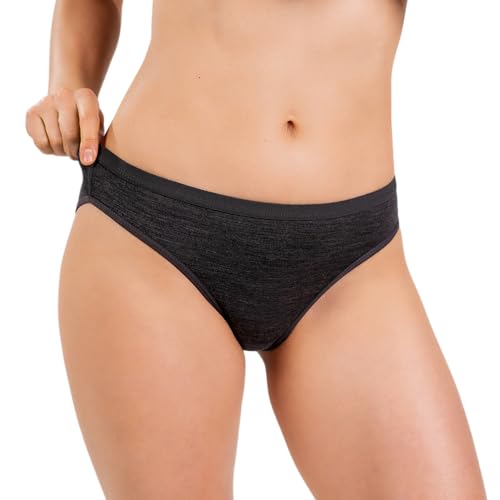
Women's Merino Wool Bikini By Woolly | RWS Certified | Soft, Breathable, Seattle Designed – Charcoal Grey – M
Your Favorite Bikini Undies | Woolly’s merino underwear blends barely-there softness with all-day comfort. Light, breathable, and tag-free…
As an affiliate, we earn on qualifying purchases.
As an affiliate, we earn on qualifying purchases.

Serta Goose Feather Down Fiber Cotton Comforter Queen Size – 100% Cotton Duvet Insert – Hotel Luxury Hypoallergenic Bedding Comforter All Season Medium Warmth 90 x 90 Inch White
【Luxury Feather Fiber & Down Fiber Comforter】This duvet features a filling composed of white goose feather fiber and…
As an affiliate, we earn on qualifying purchases.
As an affiliate, we earn on qualifying purchases.

Born in Dubai to Pakistani parents, Aisha deeply understands Middle Eastern and South Asian luxury markets. She excels in forging strategic partnerships with top-tier luxury brands worldwide, fostering cross-cultural collaborations that enhance our global presence.