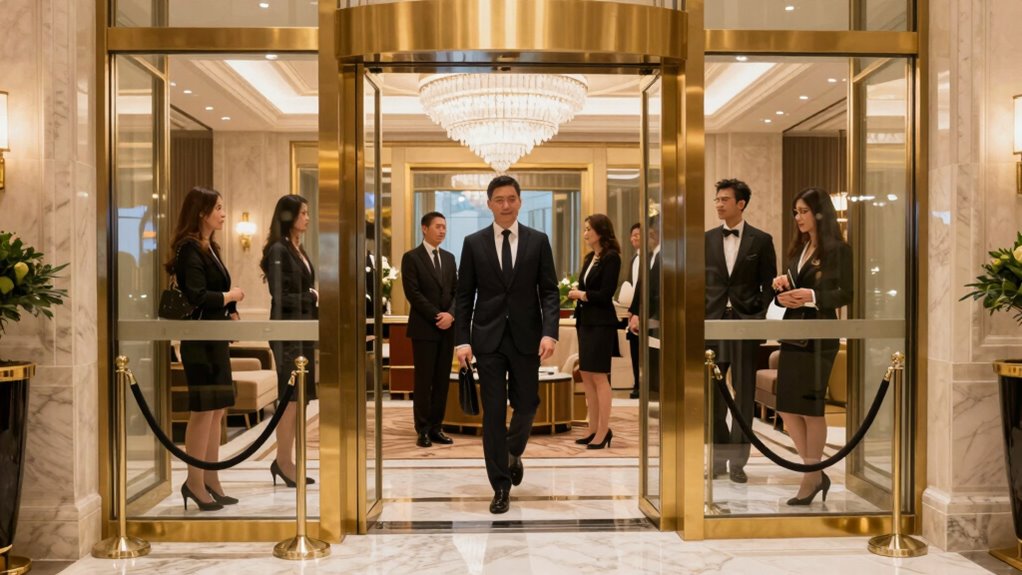

Balancing accessibility and exclusivity in luxury spaces is about finding the right mix to attract a discerning audience while preserving their sense of prestige. You want your brand to feel inviting yet maintain its high-status aura, which often involves strategic control over who can access your space. Too open, and you risk diluting its value; too closed, and you might alienate potential clients. Learning more on how brands navigate these choices can help you understand their subtle strategies for success.

Get your wardrobe favorites delivered free with Prime
- Fast, free delivery on millions of items
- Prime Video, Amazon Music and more included
- Member-only deals all year
Key Takeaways
- Balancing accessibility and exclusivity involves strategic control of entry to maintain desirability while expanding potential customer base.
- Limiting access preserves rarity, prestige, and a curated environment that reinforces luxury branding.
- Excessive restriction may alienate audiences, risking reduced relevance and growth opportunities.
- Clear brand messaging and storytelling shape perceptions of exclusivity or inclusivity, aligning with core brand values.
- Successful luxury spaces integrate both approaches, using targeted marketing to attract new patrons without diluting prestige.
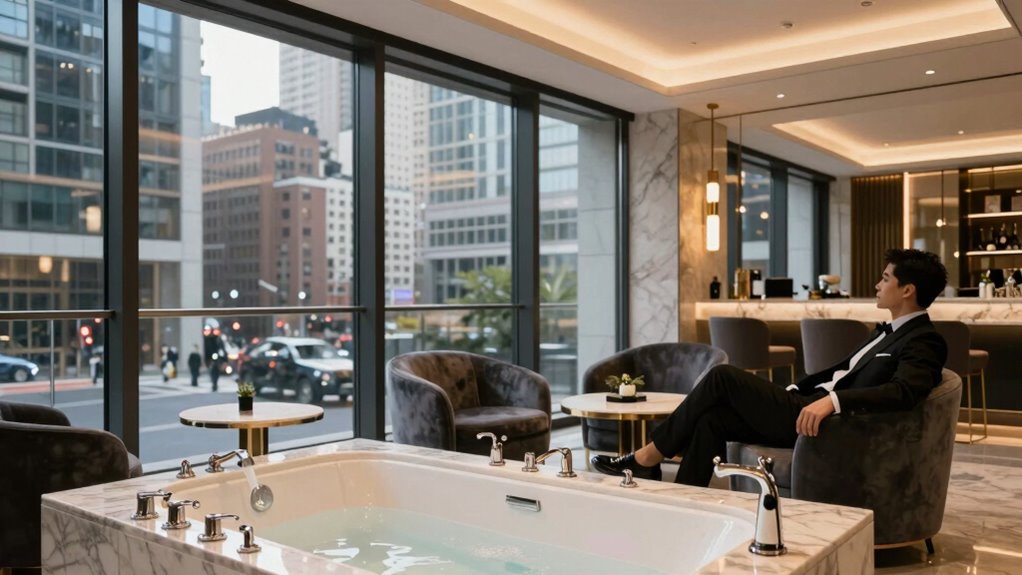
Have you ever wondered whether luxury spaces should be more accessible or remain exclusive? It’s a question that sits at the heart of the ongoing debate in the world of high-end branding. On one side, making luxury spaces more accessible can democratize exclusivity, inviting a broader audience to experience what once was reserved for the elite. But this approach can also dilute the very aura that makes these spaces desirable in the first place. That’s where the concept of limited entry comes into play—carefully controlling who gets in, when, and how. Limiting access isn’t just about maintaining a sense of rarity; it’s a strategic move that shapes branding strategies to reinforce the premium nature of the space. When you’re selective about who enters, you create an environment that feels special, almost curated for a specific clientele. This careful curation helps build a reputation of exclusivity that commands respect and desire.
However, balancing this limited entry with the desire to grow your brand can be tricky. If you make access too restrictive, you risk alienating potential customers or diluting your brand’s relevance in a competitive market. Conversely, if you open the doors too wide, you might lose the sense of uniqueness that makes your space valuable. It’s a delicate dance—one where branding strategies must emphasize the right mix of accessibility and exclusivity. You want your space to be inviting enough to attract new patrons but exclusive enough to maintain its prestige. This often involves clever marketing tactics, such as membership tiers, invitation-only events, or targeted advertising that appeals to a select audience. These strategies help maintain an air of sophistication and desirability while still expanding your reach. Additionally, understanding luxury branding and how it influences consumer perceptions can be crucial to striking the right balance. Moreover, incorporating elements of biodiversity and sustainable practices can subtly enhance a luxury space’s image, appealing to a conscientious clientele. Recognizing the importance of brand storytelling can also elevate how exclusivity is perceived and appreciated by your audience.
Ultimately, the tension between accessibility and exclusivity hinges on your brand’s identity and goals. If your aim is to be seen as a symbol of luxury and status, limiting entry and crafting a strong brand narrative around exclusivity makes sense. But if your goal is to foster a sense of community or make luxury more inclusive, you may lean toward increasing accessibility. Whichever path you choose, it’s essential to remember that both approaches require thoughtful planning and consistent messaging. Your branding strategies should align with your core values, ensuring that whether you opt for limited entry or broader access, your luxury space remains compelling and true to its identity.
As an affiliate, we earn on qualifying purchases.
Frequently Asked Questions
How Do Luxury Brands Balance Accessibility With Maintaining Exclusivity?
Luxury brands balance accessibility with exclusivity by leveraging their brand heritage to create a sense of authenticity and prestige. They offer limited editions to maintain rarity, attracting collectors and loyal clients. Simultaneously, they expand in select markets or online platforms to reach more customers without diluting their exclusivity. This strategy allows them to stay desirable while making their products more accessible, preserving the allure of luxury.
What Role Does Pricing Play in Perceived Exclusivity?
Pricing plays a vital role in perceived exclusivity because it leverages pricing psychology to influence consumer perception. When you see a luxury item priced high, you often associate it with rarity and superior quality, boosting its desirability. This strategic pricing signals that the product is meant for a select few, reinforcing the brand’s exclusivity. Conversely, lowering prices might diminish that perception, making it seem more accessible but less exclusive.
How Do Exclusivity Strategies Impact Customer Loyalty?
Exclusivity strategies act like a magnet, drawing certain customers closer while pushing others away, shaping your brand perception. When you maintain a sense of rarity, customers feel special and valued, boosting loyalty. This heightened customer engagement makes clients more likely to stick around, turning them into ambassadors for your brand. However, strike the right balance—too exclusive and you risk alienating potential loyalists, too accessible and you dilute your luxury image.
Can Increased Accessibility Dilute a Luxury Brand’s Image?
Yes, increased accessibility can dilute a luxury brand’s image by altering consumer perception. When you make a brand more widely available, it risks losing its aura of exclusivity, which is key to its appeal. Customers may start to see the brand as less unique or prestigious, impacting overall brand perception negatively. Striking a balance between accessibility and maintaining luxury’s allure is essential to preserve its desirability and long-term value.
What Are Examples of Brands Successfully Blending Accessibility and Exclusivity?
Think of brands blending accessibility and exclusivity like a finely tuned orchestra. You see, brands like Louis Vuitton and Nike master this with exclusive collaborations and limited editions, making luxury feel both special and reachable. They create buzz with limited runs, while collaborations with mainstream brands open doors without diluting their prestige. This balance keeps their allure alive, inviting more fans without losing the essence of exclusivity.
Conclusion
As you step into a luxury space, you feel the cool touch of marble beneath your feet and the soft glow of ambient lighting. The doors open, offering a glimpse of exclusivity, yet the invitation whispers, “Everyone’s welcome.” Balancing accessibility with exclusivity creates a space where you can feel both special and connected. It’s a delicate dance—inviting you in, while still guarding that sense of rarefied elegance.
Evergreen bestsellers Picks
bestsellers
As an affiliate, we earn on qualifying purchases.