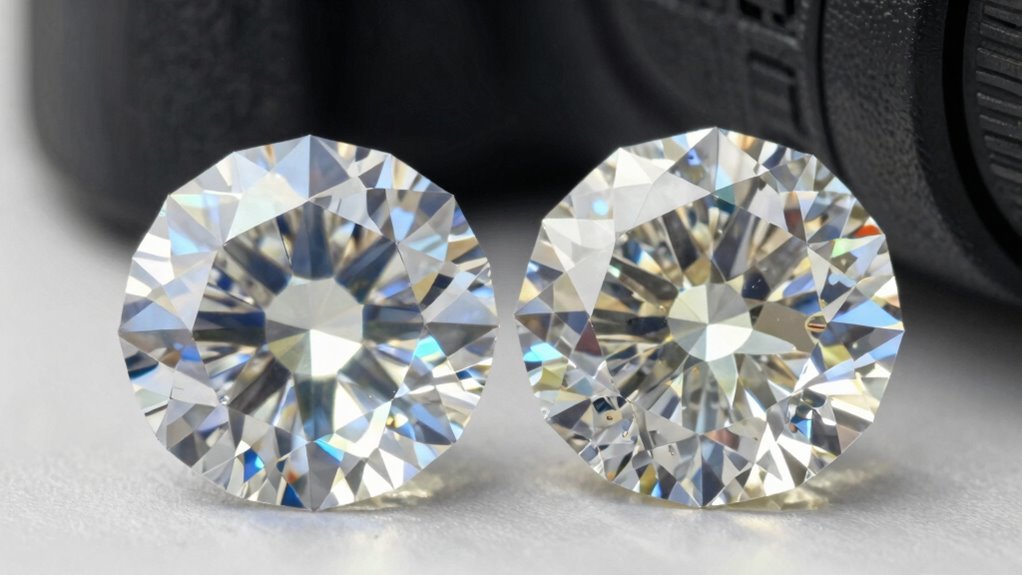

Lab-grown and mined diamonds are both real, but their origins differ—lab-grown diamonds are created in controlled labs, while mined ones form naturally over millions of years underground. They often look similar, but lab-grown diamonds usually have more uniform clarity and lower environmental impact. Your choice depends on your values, budget, and style, and understanding certifications can help verify authenticity. Keep exploring to discover what fits your preferences and how to make an informed decision.
Key Takeaways
- Both lab-grown and mined diamonds are real, with certification verifying authenticity and quality.
- Lab-grown diamonds typically have fewer inclusions, more uniform color, and are usually more affordable.
- Mined diamonds may have a higher environmental and ethical impact but can hold more traditional investment value.
- Visual differences are subtle; expert tools and certifications are needed to distinguish between them.
- Personal values, budget, and sustainability considerations are key factors in choosing between the two options.
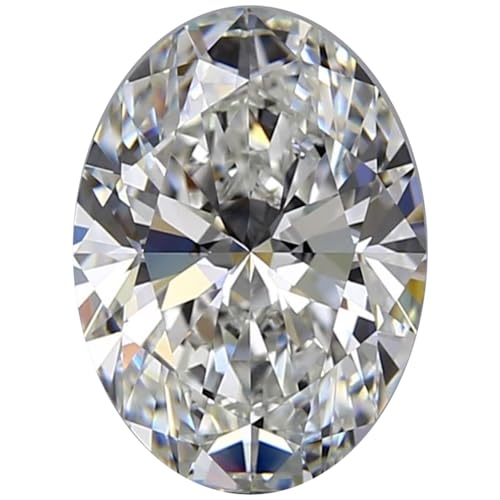
Roy Rose Jewelry 2.50 Carat VVS2 E Clarity/Color – Oval Lab Grown Loose Diamond With IGI Certification
✅ CERTIFIED REAL DIAMONDS – Lab Grown Diamonds are 100% real diamonds. They are chemically and physically identical…
As an affiliate, we earn on qualifying purchases.
As an affiliate, we earn on qualifying purchases.
What Are Lab-Grown and Mined Diamonds?
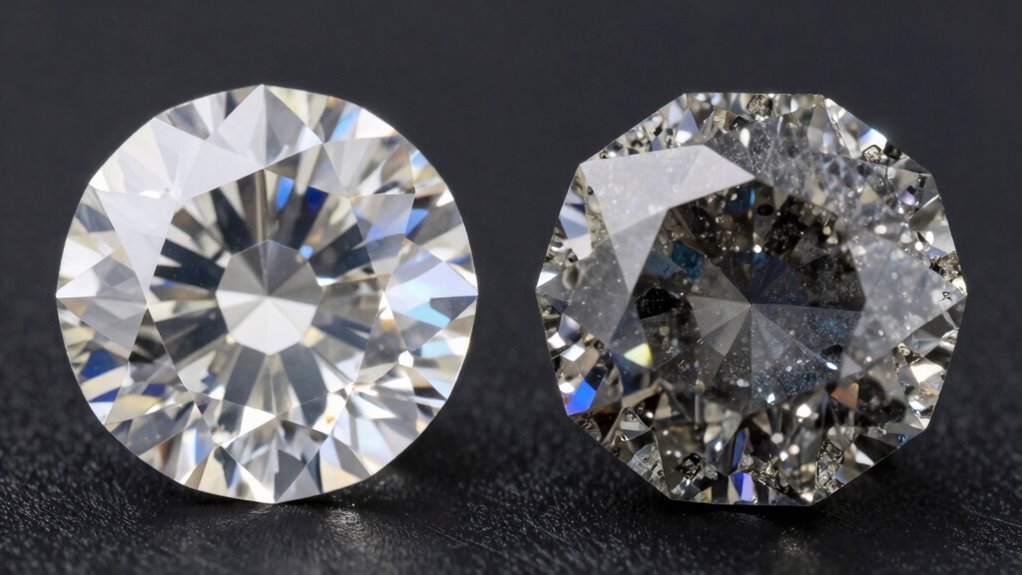
Have you ever wondered how diamonds are created? Both lab-grown and mined diamonds are real gemstones, but they differ in origin. Mined diamonds form naturally deep within the Earth’s crust over millions of years, while lab-grown diamonds are produced in controlled environments using advanced technology. Despite their different origins, both types can achieve the same diamond certification, verifying their quality and authenticity. When it comes to gemstone durability, lab-grown diamonds are just as tough and resilient as their mined counterparts. Additionally, innovative production methods in the lab allow for enhanced control over the diamond’s structural integrity. These methods also influence cost and environmental impact, making lab-grown options more sustainable and often more affordable. Moreover, production techniques impact the overall quality and appearance of the diamonds, ensuring that lab-grown stones can match the beauty of mined ones. Understanding these differences helps you make an informed choice, knowing that both options can meet high standards of quality and gemstone durability.

LynChoe 1/10ct Lab-Grown Diamond Women's Engagement Ring | S925 Sterling Silver Wedding Ring for Women (Solitaire Diamond, Silver-02, 8)
Exquisite lab-grown diamond engagement ring, handcrafted using sterling silver. Solid and shiny. Handcrafted using sterling silver. Wear it…
As an affiliate, we earn on qualifying purchases.
As an affiliate, we earn on qualifying purchases.
How Are Lab-Grown and Mined Diamonds Made?
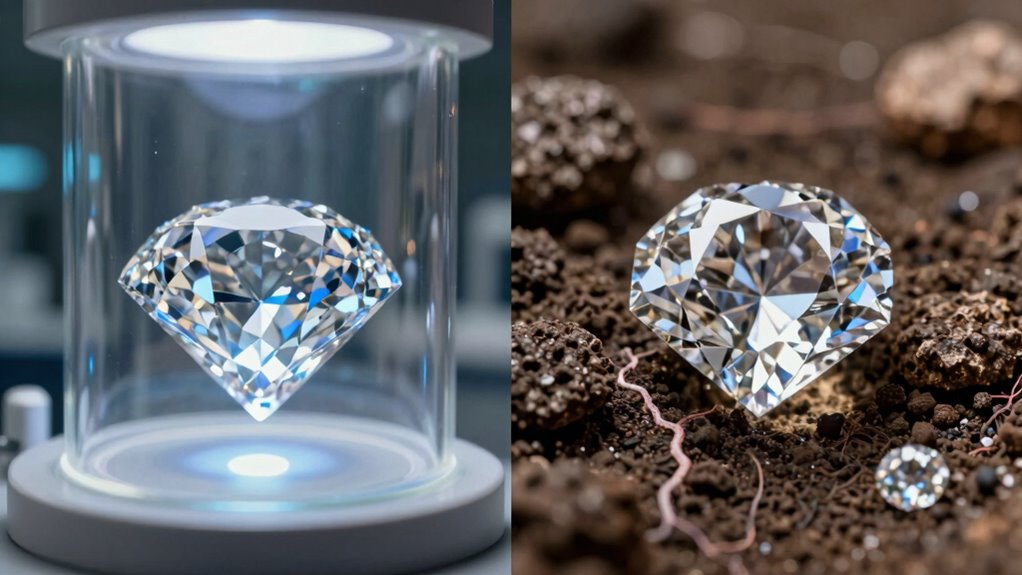
Lab-grown and mined diamonds are created through fundamentally different processes that reflect their distinct origins. Mined diamonds form deep within the Earth’s mantle under high pressure and temperature over millions of years. In contrast, synthetic gemstones are produced in laboratories using advanced technology that replicates natural conditions. During production, factors like diamond grading are used to assess quality, clarity, and cut. Lab-grown diamonds typically have fewer impurities, making them easier to evaluate. The table below highlights key differences:
| Aspect | Mined Diamonds | Lab-Grown Diamonds | Common Uses |
|---|---|---|---|
| Formation process | Natural geological processes | High-tech lab synthesis | Jewelry, industrial |
| Time required | Millions of years | Weeks to months | Synthetic gemstone applications |
| Environmental impact | Higher ecological footprint | Lower environmental impact | Ethical sourcing |

cultj Diamond Combo Tester II Professional Moissanite Low Conductivity Moissanite HPHT Type lab-Grown Diamond Tester
Classic Diamond Combo Tester II, stable and accurate performance. Designed specially to distinguish between colorless diamonds, HPHT type…
As an affiliate, we earn on qualifying purchases.
As an affiliate, we earn on qualifying purchases.
Can You Tell the Difference Between Them?
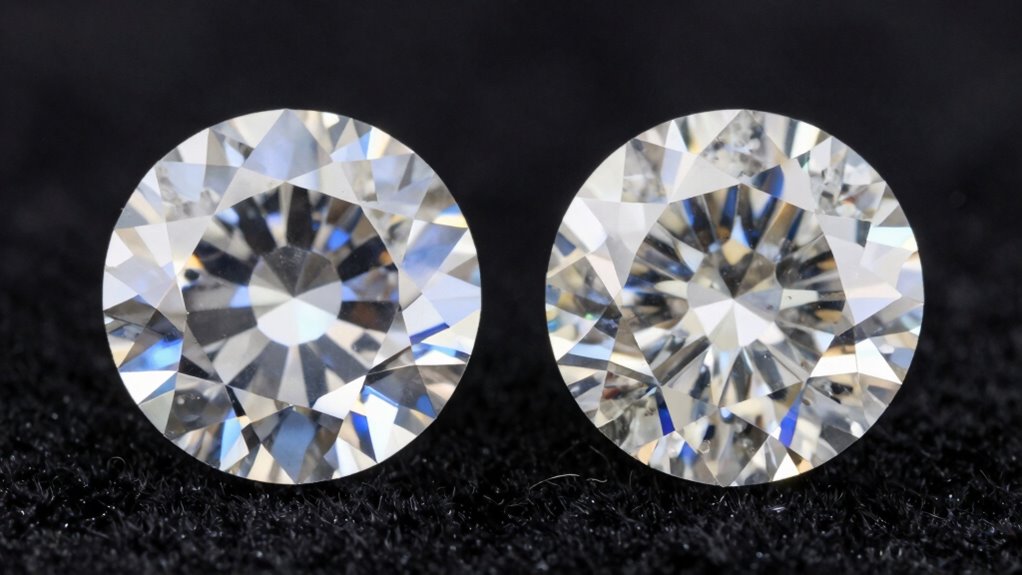
Can you tell the difference between lab-grown and mined diamonds just by looking at them? Usually, it’s tough without specialized tools. Color difference can be subtle; lab-grown diamonds often appear slightly whiter or more uniform. Clarity variation is another clue—lab-grown stones tend to have fewer inclusions, making them look cleaner. Here are some signs to contemplate:
Identifying lab-grown versus mined diamonds is difficult without expert tools; look for color uniformity and clarity differences.
- Color consistency – lab-grown diamonds often have a more uniform hue.
- Inclusion patterns – natural inclusions in mined diamonds are more random, while lab-grown ones are often more consistent.
- Clarity – lab-grown diamonds generally have fewer imperfections.
- Fluorescence – sometimes, lab-grown diamonds fluoresce differently under UV light.
Additionally, understanding the materials and manufacturing processes behind these stones can offer deeper insights into their differences. Recognizing detection techniques used by experts can also be helpful in differentiating between the two. For example, some advanced testing methods can identify characteristic features unique to each type. Employing innovative analytical tools further enhances accuracy in identification. Still, expert testing is the only sure way to tell them apart.

GEMHUB Loose CVD Diamond 1.5 mm Round Cut 1 Pc Certified DEF Color VS/VVS Clarity | Lab-Grown Ethical Diamond for Fine Jewelry Crafting
This 1.5 mm round-cut CVD diamond displays exceptional brilliance with DEF color and VS/VVS clarity, making it ideal…
As an affiliate, we earn on qualifying purchases.
As an affiliate, we earn on qualifying purchases.
Environmental and Ethical Impacts of Lab-Grown vs. Mined Diamonds
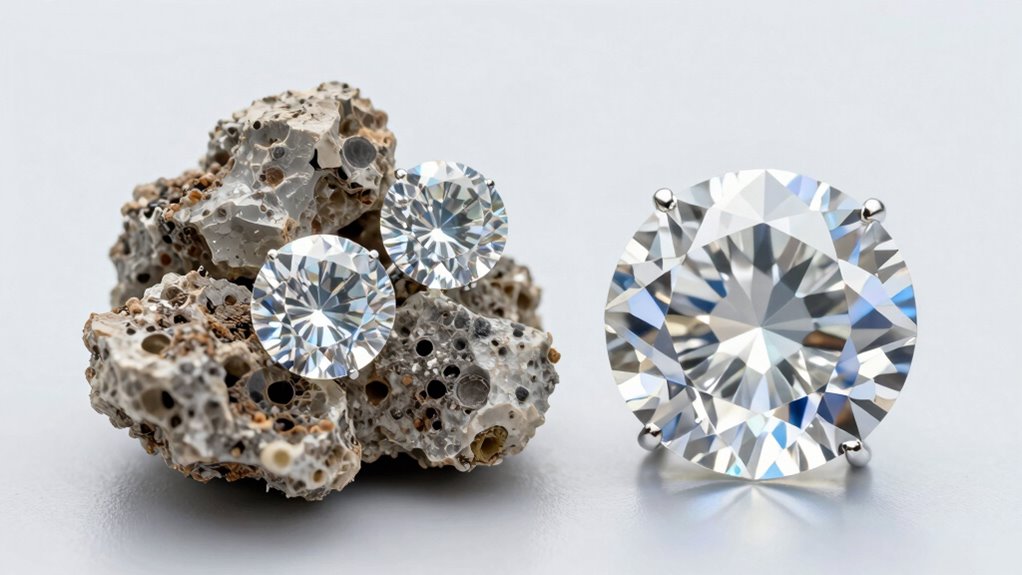
When considering the environmental and ethical impacts of diamonds, it’s clear that the source profoundly influences their sustainability. Lab-grown diamonds typically have a smaller environmental footprint since they require less land and water, and produce fewer greenhouse gases. Ethical sourcing is also more transparent with lab-grown options, ensuring no conflict diamonds are involved. Additionally, media literacy plays a crucial role in understanding the true origin and impact of diamond choices. Mined diamonds often cause environmental damage through habitat destruction and pollution, and ethical concerns remain about labor practices. Here’s a quick comparison:
| Aspect | Lab-Grown Diamonds | Mined Diamonds |
|---|---|---|
| Environmental footprint | Lower, less land and water use | Higher, habitat disruption |
| Ethical sourcing | Transparent, conflict-free | Potential for conflict |
| Carbon emissions | Significantly less | Usually higher |
| Social impact | Better labor conditions | Often questionable |
Cost Comparison: Lab-Grown vs. Mined Diamonds
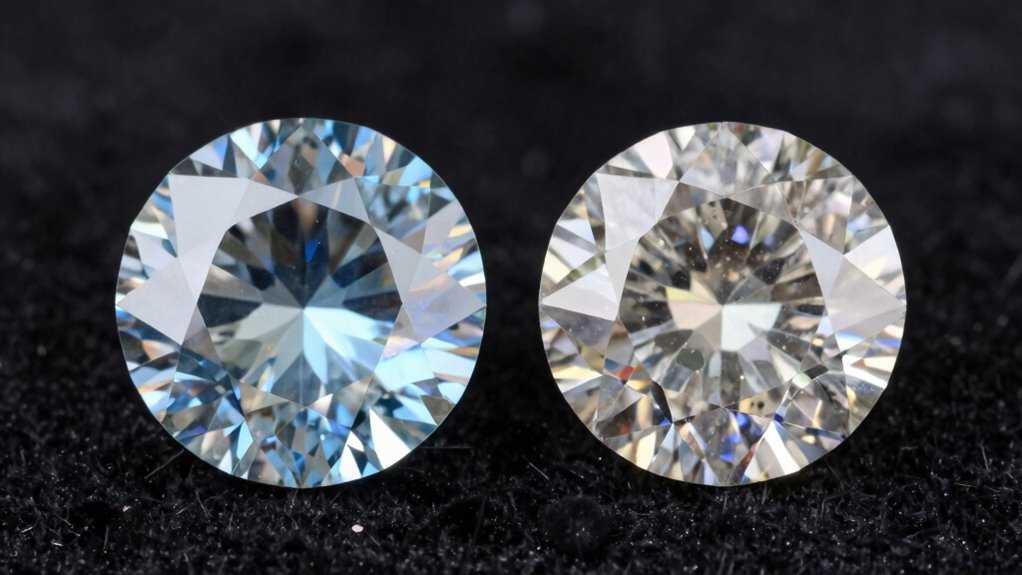
Cost is a significant factor when choosing between lab-grown and mined diamonds. Generally, lab-grown diamonds are more affordable due to different pricing strategies and production costs. However, market fluctuations can influence prices for both, sometimes causing mined diamonds to become more expensive. Here’s what to weigh:
- Pricing Strategies: Lab-grown diamonds often have lower prices because of controlled production, while mined diamonds’ prices reflect scarcity and mining costs. The production process for lab-grown diamonds allows for more consistent pricing, making them a more predictable investment.
- Market Fluctuations: Changes in demand, supply, or global economic conditions can impact prices for both, sometimes causing mined diamonds to become more expensive.
- Initial Investment: Lab-grown diamonds typically cost 30-40% less upfront.
- Long-term Value: Mined diamonds may hold higher resale value, but this depends on market conditions.
- Natural versus Synthetic: The perception of natural origin can influence buyer preferences and market pricing.
Understanding these factors helps you make an informed decision aligned with your budget.
Which Diamond Is Right for Your Budget and Values?
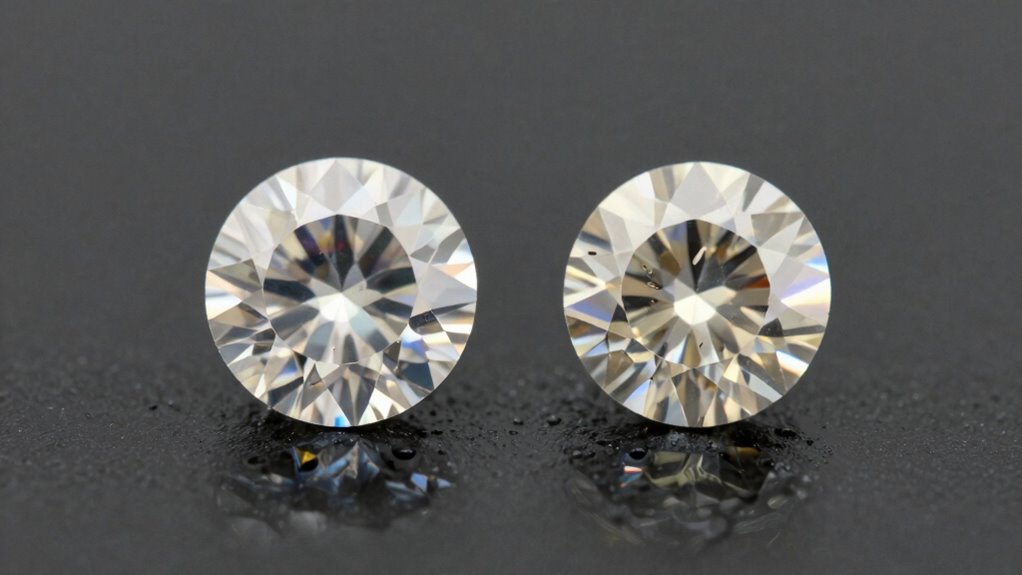
Choosing the right diamond depends on both your budget and your personal values. If emotional value and ethical considerations matter, lab-grown diamonds often appeal due to their lower environmental impact and ethical sourcing. However, if you see a diamond as a long-term investment, mined diamonds may hold higher investment potential. To help clarify, consider this comparison:
| Aspect | Lab-Grown Diamonds | Mined Diamonds |
|---|---|---|
| Emotional Value | Ethical, modern choice | Traditional, romantic |
| Investment Potential | Generally lower, less rare | Usually higher, more exclusive |
Think about what resonates more with your values and goals—whether it’s emotional significance or investment potential. This will guide you toward the diamond that truly fits your budget and beliefs. Remember, a well-sourced name coverage ensures you are making informed decisions based on reliable information. Additionally, understanding the differing qualities of each type can help you make a more confident choice.
How to Choose the Perfect Diamond for You
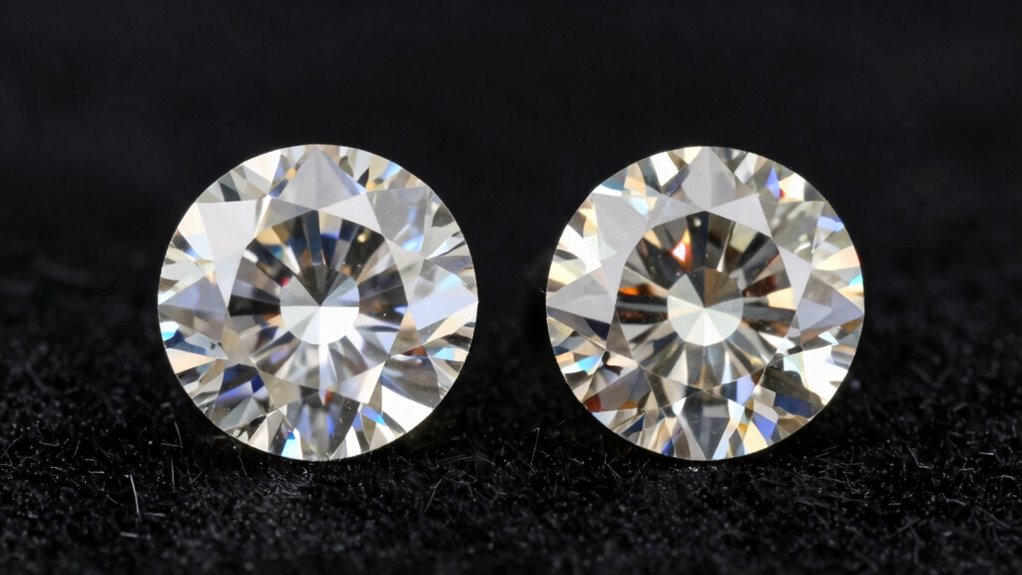
How do you find the perfect diamond that truly reflects your personality and priorities? First, consider what matters most to you—whether it’s emotional attachment, environmental impact, or cost. Next, think about how celebrity endorsements influence your perception; they can sway your choice but aren’t always the best guide. To help you decide, focus on these key points:
- Emotional connection – Choose a diamond that resonates with you personally.
- Type of diamond – Decide between lab-grown or mined based on your values. Lab-grown diamonds are a more sustainable choice, often with a lower environmental footprint, aligning with eco-conscious priorities. Vetted – My Dogs’ Names can serve as inspiration for how personal values influence choices in other areas, like pet care or gift-giving.
- Quality factors – Prioritize cut, clarity, color, and carat weight. Understanding diamond grading and industry standards can help you distinguish between different qualities and make a more informed choice. A solid grasp of these factors can also help you navigate industry certifications and ensure you’re getting a genuine product.
- Budget considerations – Balance what you want with what you can afford.
- Educational resources – Utilizing statistics and expert advice can help you make an informed decision that aligns with your values and preferences. Recognizing the importance of sustainable practices in the industry can further refine your selection process. Familiarity with these resources empowers you to make smarter, more confident choices that reflect your ethical considerations.
Ultimately, your perfect diamond reflects your unique story and priorities, not just trends.
Frequently Asked Questions
Are Lab-Grown Diamonds as Durable as Mined Diamonds?
Yes, lab-grown diamonds are just as durable as mined diamonds. They have the same hardness, guaranteeing they resist scratches and maintain diamond clarity over time. When choosing, consider color grading to match your preferences and assure the diamond’s quality. Whether mined or lab-grown, both types offer exceptional durability, making them perfect for daily wear and long-term beauty.
How Do Resale Values Compare Between Lab-Grown and Mined Diamonds?
While the resale market for lab-grown diamonds isn’t as robust as for mined ones, they tend to have lower initial costs, which can influence investment potential. Mined diamonds often hold their value better over time, making them a more traditional choice for resale. If you’re considering long-term investment, mined diamonds generally offer a more established resale value, though lab-grown options appeal for their affordability and ethical appeal.
Do Lab-Grown Diamonds Have the Same Chemical Properties as Mined Ones?
Yes, lab-grown diamonds have the same chemical composition and atomic structure as mined diamonds. Both are made of carbon atoms arranged in a crystal lattice, giving them identical physical and chemical properties. You can confidently choose lab-grown diamonds, knowing they match mined ones in purity, hardness, and brilliance. Their identical chemical makeup guarantees they’re just as beautiful and durable, making them a sustainable and ethical alternative without sacrificing quality.
Can Lab-Grown Diamonds Be Certified Like Mined Diamonds?
Yes, lab-grown diamonds can be certified just like mined ones. You’ll find certification standards that verify their quality, origin, and ethical considerations, giving you confidence in your choice. While mined diamonds are often associated with traditional certification, lab-grown stones now undergo rigorous grading reports from reputable labs. This guarantees transparency, confirms their authenticity, and aligns with your values around ethical sourcing, making them a trustworthy and responsible option for your jewelry.
Are There Any Health or Safety Concerns With Lab-Grown Diamonds?
There are no significant health or safety concerns with lab-grown diamonds, as they’re produced in controlled environments adhering to strict safety standards. You don’t need to worry about toxic chemicals or hazardous conditions during their creation. The process is safe for workers, and the diamonds themselves pose no health implications for you. Rest assured, lab-grown diamonds meet rigorous safety standards, making them a safe and ethical choice for jewelry.
Conclusion
Choosing between lab-grown and mined diamonds is like picking the perfect star from the sky—you’ll find one that shines with your values and budget. Both options sparkle beautifully, but understanding their differences helps you make a choice that feels right in your heart. Remember, the true beauty of your diamond lies in what it represents to you, not just its origin. So, pick the one that makes your story shine brightest.