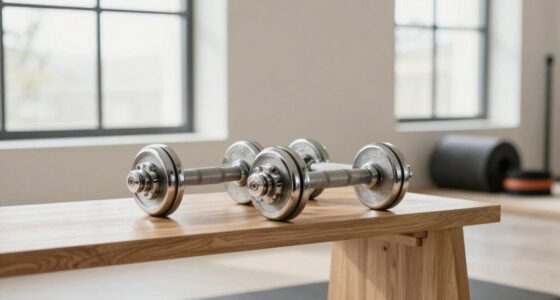
To start collecting tools for your craft without overspending, focus on essentials first. Do your research to identify the key tools you need and seek reviews or recommendations for good quality yet affordable options. Stick to a budget, avoid impulse buys, and build your collection gradually as your skills grow. By prioritizing necessity over extras, you’ll save money and build a solid foundation. Keep exploring for tips that’ll help you stay on track and make smarter choices.

Get your wardrobe favorites delivered free — and shop member deals
- Fast, free delivery on millions of items
- Access to Prime Big Deal Days deals on October 6–7
- Prime Video, Amazon Music and more included
Key Takeaways
- Research essential tools specific to your craft before purchasing to avoid unnecessary items.
- Prioritize quality at affordable prices by reading reviews and seeking recommendations from experienced crafters.
- Start with basic, versatile tools and gradually add specialized equipment as your skills develop.
- Create a budget list of necessary tools and stick to it to prevent impulsive buying.
- Compare brands and options to find reliable, cost-effective tools that meet your needs.

Starting a new craft can be exciting, but it’s easy to get carried away with buying every tool you see. Many beginners fall into the trap of overspending, thinking that owning all the fancy equipment will make them better or faster at their craft. The truth is, you don’t need a full set of expensive tools to get started. Instead, focus on budget friendly options that cover the essentials. These essential starter tools will help you build a solid foundation, and as you progress, you can add more specialized equipment gradually.
To keep your spending in check, research the basic tools that are necessary for your craft. For example, if you’re into woodworking, start with a good beginner saw, hammer, measuring tape, and sandpaper. If you’re into sewing, begin with a sewing machine, needles, scissors, and a few spools of thread. These essential starter tools don’t have to be costly; many affordable brands offer quality products that work just as well as high-end options. Look for reviews online or ask for recommendations from experienced crafters to find reliable, budget friendly options that fit your skill level and needs. Additionally, understanding the essential tools for your craft can help you avoid unnecessary purchases and stay focused on what truly matters. Learning about cost-effective equipment can also help you make smarter purchasing decisions that maximize your budget. Keeping a clear list of necessary equipment can also prevent impulsive buying and help you prioritize your spending.
affordable beginner woodworking tools set
As an affiliate, we earn on qualifying purchases.
As an affiliate, we earn on qualifying purchases.
Frequently Asked Questions
What Are the Essential Tools I Need to Start My Craft?
To start your craft, focus on essential tools that support various crafting techniques and prioritize tool ergonomics for comfort. You’ll need basic items like scissors, glue, and measuring tools, depending on your craft. Invest in versatile tools that feel comfortable in your hand, enhancing precision and reducing fatigue. As you gain experience, gradually add specialized tools, but always choose quality and ergonomic design to guarantee ease and enjoyment in your creative process.
How Can I Identify Quality Tools on a Budget?
Imagine you’re a knight in shining armor, but your tools are your trusty sword. To identify quality tools on a budget, look for tool durability and positive reviews. Focus on budget-friendly brands known for reliability and durability. Check for sturdy materials and good craftsmanship, even in lower-priced options. Avoid trendy, cheap knock-offs. With patience, you’ll find tools that last, helping you craft confidently without breaking the bank.
Where Are the Best Places to Find Discounted Crafting Tools?
You can find discounted crafting tools in online marketplaces like eBay, Etsy, and Facebook Marketplace, where sellers often list vintage finds at lower prices. Thrift stores and flea markets are also excellent spots for unique, affordable tools. Keep an eye out for sales and clearance sections in craft stores. These options help you build your collection without overspending, while adding character and quality to your toolkit.
How Do I Care for and Maintain My Craft Tools Properly?
Caring for your tools is like nurturing a garden—you need consistent attention. To guarantee tool longevity, follow simple maintenance routines like cleaning after each use, oiling moving parts, and storing them properly. Avoid neglect, which can cause rust or dull blades. Regularly inspecting your tools keeps them sharp and in good shape, making your crafting smoother and more enjoyable. Proper maintenance extends their life and saves you money in the long run.
Are Secondhand Tools Safe and Reliable for My Projects?
Secondhand tools can be safe and reliable if you check their condition carefully. Look for tool safety by inspecting for rust, damage, or missing parts, and guarantee they operate smoothly. Trustworthy tools often come from reputable sources or trusted sellers. While they may show signs of use, if well-maintained and functioning correctly, secondhand tools can be just as reliable for your projects, helping you save money without sacrificing quality.
Conclusion
Remember, building your toolkit is like forging Excalibur—patience and smart choices create something mighty. Start small, prioritize quality over quantity, and learn as you go. Avoid the trap of chasing every shiny tool; instead, focus on what truly enhances your craft. With time and care, your collection will grow strong and true, turning your passion into mastery. Stay wise, stay deliberate, and let your tools be the sword and shield of your creative journey.
Fall Picks
fall essentials
As an affiliate, we earn on qualifying purchases.