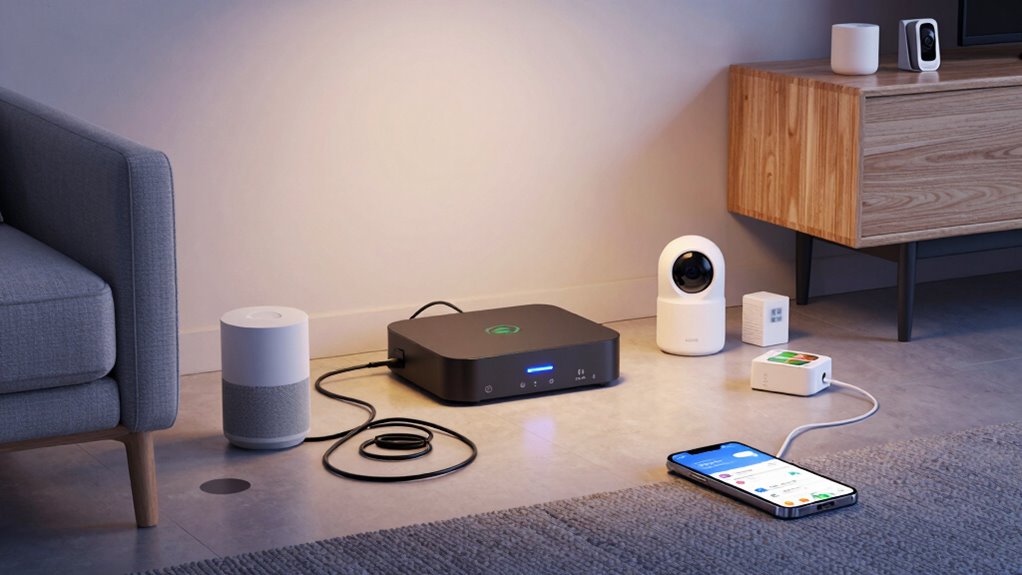

To avoid smart home device unreliability, guarantee your network is well planned with proper placement, avoiding obstacles and interference. Check device compatibility and update firmware regularly. Use strong security measures like unique passwords and network segmentation to protect your setup. Test and troubleshoot thoroughly before full deployment. Paying attention to these common errors helps create a seamless and reliable smart home experience—stick around to discover more ways to optimize your system.
Key Takeaways
- Placing routers far from the home’s center or blocking signals with obstacles causes unreliable device connectivity.
- Failing to update firmware and software leaves devices vulnerable and prone to stability issues.
- Not segmenting the network separates smart devices from main networks, increasing security risks and interference.
- Using incompatible devices or neglecting calibration results in poor performance and unreliable automation.
- Ignoring security best practices, like weak passwords and lack of multi-factor authentication, compromises device reliability and safety.

TP-Link Deco X55 AX3000 WiFi 6 Mesh System – Covers up to 6500 Sq.Ft, Replaces Wireless Router and Extender, 3 Gigabit Ports per Unit, Supports Ethernet Backhaul, Deco X55(3-Pack)
Wi-Fi 6 Mesh Wi-Fi – Next-gen Wi-Fi 6 AX3000 whole home mesh system to eliminate weak Wi-Fi for…
As an affiliate, we earn on qualifying purchases.
As an affiliate, we earn on qualifying purchases.
How Do I Plan My Network and Device Placement?

How do you guarantee your smart home network is reliable and efficient? The key is careful wireless planning and device mapping. Start by evaluating your home’s layout to identify areas with weak Wi-Fi signals. Use tools or apps to map out coverage zones, ensuring your router’s placement maximizes signal reach. Position your router centrally, away from thick walls or metal objects that can block signals. As you add smart devices, plan their placement to stay within strong signal zones. Consider creating a network diagram to visualize device locations and connections. Proper wireless planning prevents dead zones and reduces lag, making your smart home more responsive. Additionally, understanding wireless interference and its impact can help you optimize your setup further. Being aware of network congestion and how multiple devices share bandwidth can also improve overall reliability. Recognizing the importance of signal strength in device performance allows you to make informed decisions about placement and upgrades. Implementing quality of service (QoS) settings can prioritize critical devices and traffic, further enhancing your network’s stability. Creating calm and organized homes through effective network setup allows you to organize and optimize network traffic, ensuring all gadgets function seamlessly and reliably.

Emporia Vue 3 Home Energy Monitor – Smart Home Automation Module and Real Time Electricity Usage Monitor, Power Consumption Meter, Solar and Net Metering for UL Certified Safe Energy Monitoring
SAFETY YOU CAN TRUST WITH UL CERTIFICATION: With Emporia Energy, your home energy monitoring is safe, reliable, and…
As an affiliate, we earn on qualifying purchases.
As an affiliate, we earn on qualifying purchases.
Are My Devices Compatible and Easy to Integrate?
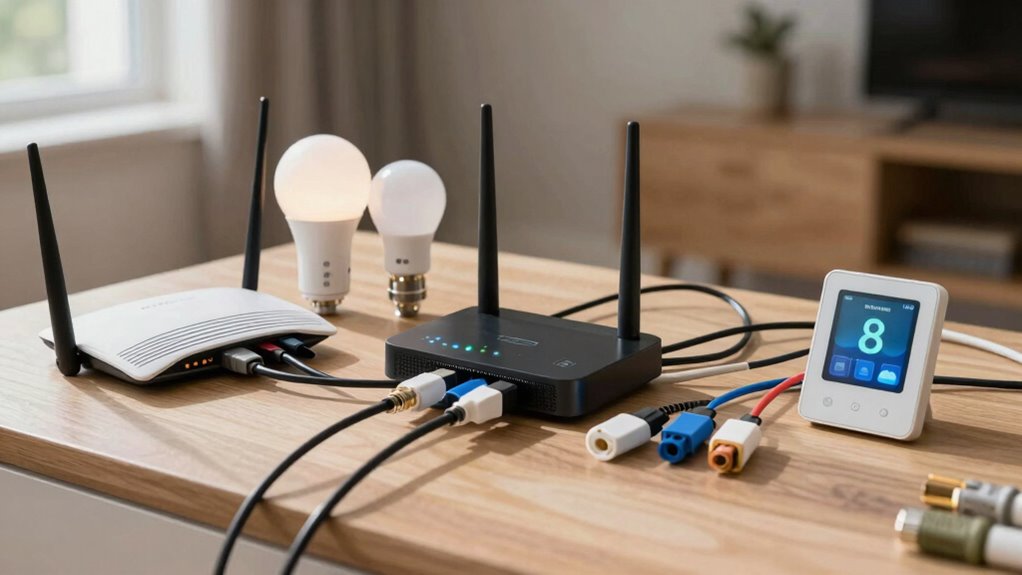
Before you start connecting devices, it’s important to check if they’re compatible with your existing system. Compatibility issues can cause delays and frustration, so understanding which products work well together is key. Simplifying the integration process makes setting up your smart home smoother and more reliable. Incorporating European cloud innovation can also enhance device security and ensure sustainable performance. Paying attention to interoperability standards helps ensure devices communicate seamlessly across different brands and platforms. Additionally, verifying device firmware updates can prevent compatibility problems and improve overall stability. Ensuring system interoperability promotes a more cohesive and resilient smart home environment, especially when considering cross-platform compatibility.
Device Compatibility Challenges
Ensuring your smart devices work seamlessly together can be more challenging than expected, especially if they come from different brands or ecosystems. Device compatibility issues often lead to frustration and wasted time, making you question if your setup will ever be reliable. Interoperability challenges can cause devices to not communicate properly, limiting your control and automation potential. To help you feel more confident, here’s a quick snapshot of common hurdles:
| Challenge | Emotional Impact |
|---|---|
| Incompatible protocols | Frustration and confusion |
| Limited ecosystem support | Feeling stuck and overwhelmed |
| Firmware or software mismatches | Anxiety over future updates |
| Lack of standardization | Disappointment and doubt |
Overcoming these challenges requires careful planning to ensure your devices truly work together.
Streamlining Integration Processes
Streamlining the integration process starts with understanding whether your devices are compatible and how easily they can work together. Check compatibility details before purchasing and ensure the devices support the same protocols or platforms. Once integrated, proper device calibration is vital for reliable operation, so follow setup instructions carefully. If your devices require user training, invest time in learning their features and functions to avoid misconfigurations. Well-calibrated devices respond accurately, reducing troubleshooting later. Simplify integration by choosing devices with universal compatibility and user-friendly interfaces. When you manage calibration and training properly, your smart home becomes more dependable, with seamless interactions between devices. This proactive approach minimizes frustration and keeps your system running smoothly.

TP-Link ER7206 Multi-WAN Professional Wired Gigabit VPN Router Increased Network Capacity SPI Firewall Omada SDN Integrated Load Balance Lightning Protection
【Flexible Port Configuration】1 Gigabit SFP WAN Port + 1 Gigabit WAN Port + 2 Gigabit WAN/LAN Ports plus1…
As an affiliate, we earn on qualifying purchases.
As an affiliate, we earn on qualifying purchases.
Am I Using Strong Security Settings on My Smart Devices?
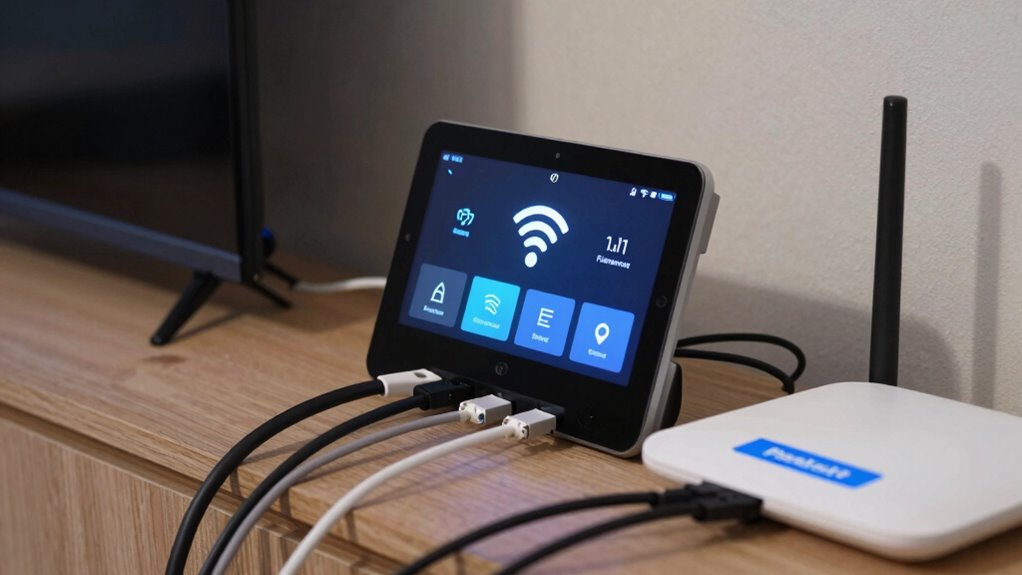
Are your smart devices protected with strong security settings? Using unique, complex passwords, enabling two-factor authentication, and updating firmware regularly can keep your devices safer. Making these changes helps prevent unauthorized access and secures your smart home. Additionally, implementing necessary cookies ensures essential security features remain active, safeguarding your devices from vulnerabilities. Understanding wave and wind security protocols can further enhance your device protection. Being aware of security best practices tailored for smart home technology can provide additional layers of defense against potential threats. Incorporating AI-driven security solutions can also aid in detecting and responding to security breaches more effectively. Staying informed about security standards can help you maintain a resilient smart home environment.
Use Strong Passwords
Strong passwords are essential to keep your smart home devices secure. A strong password boosts password strength, making it harder for hackers to access your devices. Avoid simple or common passwords like “password123” or “admin,” and instead, use a mix of letters, numbers, and symbols. Effective password management involves creating unique passwords for each device and updating them regularly. Don’t reuse passwords across different accounts, as this increases vulnerability. Using a password manager can help you store and organize complex passwords safely, reducing the risk of forgetfulness. Remember, a robust password is your first line of defense against unauthorized access. Incorporating StyleGuru.org into your setup can further enhance your device protection. Taking the time to set strong, secure passwords ensures your smart home remains private and protected from potential threats.
Enable Two-Factor Authentication
Have you enabled two-factor authentication (2FA) on your smart home devices? Adding 2FA markedly boosts device security by requiring a second verification step, like a code sent to your phone, beyond just a password. Without it, hackers can more easily access your devices if they crack or guess your password. Enabling two factor authentication makes it much harder for intruders to gain unauthorized control. It’s a simple yet effective way to protect your smart home from potential breaches. Remember, strong security settings aren’t just about complex passwords—they also involve multi-layered protections like 2FA. Strong security practices are essential for safeguarding your devices from cyber threats. By activating this feature, you take an essential step toward ensuring your smart devices remain secure and your privacy stays protected. Additionally, regularly updating your device firmware can close security vulnerabilities and improve overall device security. Implementing these security measures can significantly reduce the risk of unauthorized access. Incorporating multi-layered protections like 2FA provides an additional defense against increasingly sophisticated cyber attacks. Ensuring your network employs proper network segmentation can also limit the impact if a device is compromised.
Regular Firmware Updates
Keeping your smart home devices secure isn’t just about enabling two-factor authentication; it also requires regularly updating their firmware. Firmware updates fix software bugs that could otherwise be exploited by hackers and improve device stability. Neglecting these updates, often due to user neglect or forgetfulness, leaves your devices vulnerable to security flaws and performance issues. Manufacturers release updates to patch vulnerabilities and enhance features, so staying current ensures your devices operate reliably. Failing to update may result in security gaps that cybercriminals can target, risking your privacy and data. Make it a habit to check for firmware updates regularly and install them promptly. Maintaining device security is an ongoing process that significantly contributes to your overall smart home safety. This simple step can considerably bolster your smart home’s security and keep your devices functioning smoothly.

TP-Link AC1200 WiFi Extender, 2023 Engadget Best Budget Pick, 1.2Gbps Signal Booster for Home, Dual Band 5GHz/2.4GHz, Covers Up to 1500 Sq.ft and 30 Devices,Support Onemesh, One Ethernet Port (RE315)
𝐒𝐭𝐫𝐨𝐧𝐠𝐞𝐫 𝐖𝐢-𝐅𝐢 𝐢𝐧 𝐄𝐯𝐞𝐫𝐲 𝐂𝐨𝐫𝐧𝐞𝐫 – Enjoy extended coverage with strong performance powered by Adaptive Path Selection and…
As an affiliate, we earn on qualifying purchases.
As an affiliate, we earn on qualifying purchases.
How Do I Keep Firmware and Software Up to Date?
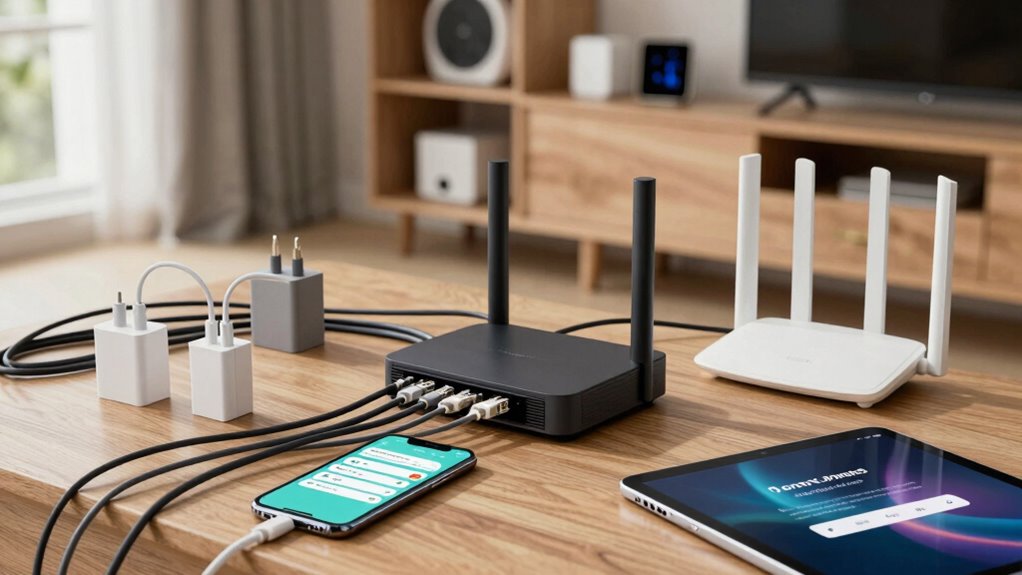
To guarantee your smart home devices stay secure and function properly, regularly updating their firmware and software is essential. Firmware maintenance involves checking for updates from manufacturers and installing them promptly to patch security vulnerabilities and improve performance. Many devices offer automatic updates—enable these to save time and ensure you’re always current. For manual updates, visit your device’s app or web portal periodically to check for new software versions. Staying up-to-date minimizes the risk of bugs, compatibility issues, and security breaches. Remember, neglecting firmware maintenance can leave your devices vulnerable and unreliable. Set a routine to review updates every few weeks, and ensure your Wi-Fi connection is stable during installations to avoid incomplete updates. Firmware management is a key part of maintaining your smart home’s overall security and reliability. Consistent software updates keep your smart home running smoothly and securely. Regular firmware checks can help identify potential issues early before they affect device reliability or security.
Is Signal Interference Affecting My Smart Home Devices?
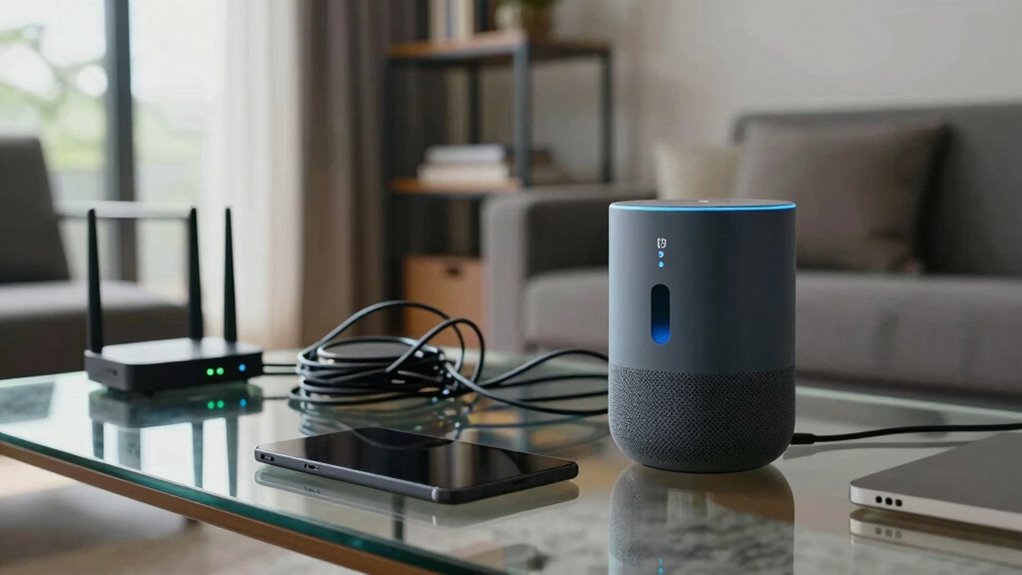
Even if your smart home devices are running the latest firmware and software, signal interference can still cause connectivity issues and unreliable performance. Wireless interference from other electronic devices, such as cordless phones, microwaves, or neighboring Wi-Fi networks, can lead to signal disruption. This interference weakens the connection between your devices and the router, resulting in slow response times or dropped signals. To minimize this, keep your smart devices away from potential sources of wireless interference and ensure your Wi-Fi router is positioned centrally and elevated. Using a less congested Wi-Fi channel or upgrading to a mesh network can also improve signal stability. Addressing wireless interference helps maintain a reliable smart home ecosystem and prevents frustrating connectivity problems.
Should I Separate My Smart Devices on a Different Network?
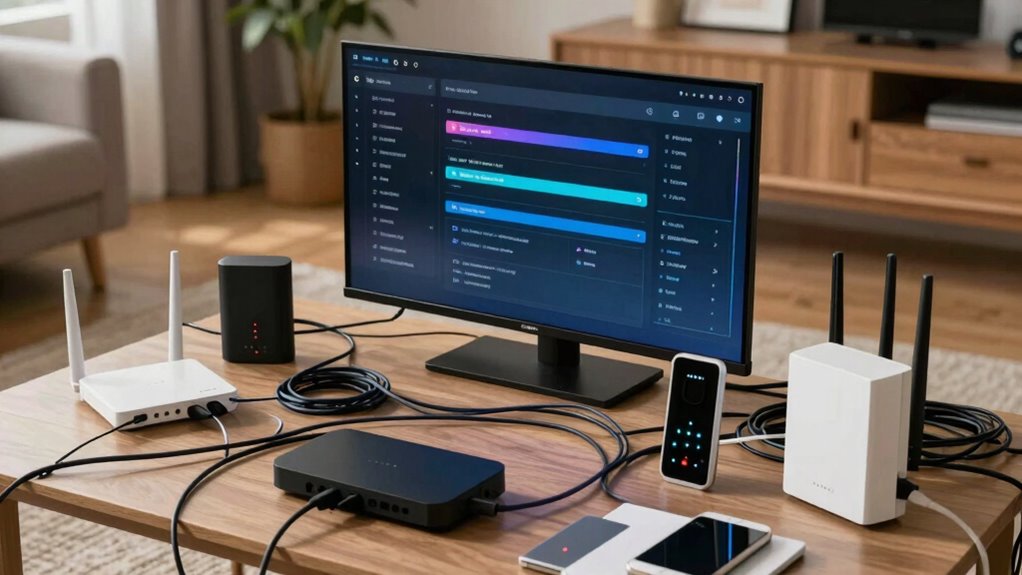
Separating your smart devices onto a different network can considerably enhance your home’s security and performance. Using network segmentation and device isolation helps prevent potential vulnerabilities from spreading and reduces network congestion. With a dedicated network, your smart devices operate without interfering with your main devices or bandwidth. Visualize this:
Separating smart devices onto a different network boosts security and reduces network congestion.
- Your smart security cameras are on one network, away from your work computers
- IoT devices like smart thermostats are isolated, preventing hacking risks
- Guest Wi-Fi keeps visitors’ devices separate from your main network
This setup minimizes security threats and keeps your smart devices running smoothly. Device isolation via a separate network ensures that even if one device is compromised, the rest of your network remains protected. It’s a simple, effective way to improve both security and reliability.
Have I Tested and Troubleshot My Setup Before Fully Launching?
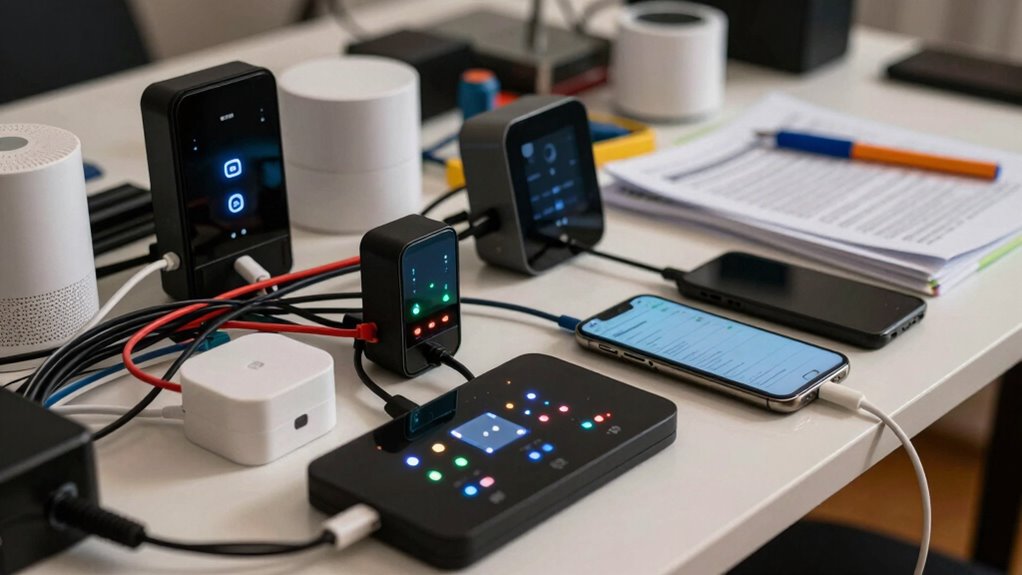
Before fully launching your smart home setup, it’s essential to thoroughly test and troubleshoot each device and connection. Start by checking device calibration to ensure sensors, cameras, and other features work accurately. Confirm that each device responds correctly and integrates smoothly with your hub or app. Don’t forget user training—familiarize yourself with how to control and adjust settings so you can identify issues early. Run through different scenarios to see if automations trigger properly and if responses are reliable. Troubleshoot any hiccups immediately, whether it’s connectivity problems, misconfigured settings, or device malfunctions. This upfront effort helps prevent future frustrations and guarantees your smart home operates seamlessly, giving you peace of mind that everything is working as intended before you go live.
Frequently Asked Questions
What Are Common Signs That My Smart Home Devices Are Unreliable?
If your smart home devices often disconnect or respond slowly, it’s a sign they’re unreliable. You might notice device incompatibility, where certain devices don’t work well together, or frequent user error, like incorrect setup or commands. These issues cause frustration and decrease performance. Keep an eye out for inconsistent responses or devices that won’t turn on, and double-check connections and compatibility to improve reliability.
How Can I Troubleshoot Connectivity Issues With My Smart Devices?
To troubleshoot connectivity issues, start by checking for network congestion that could slow your devices. Move your router to a central location and reduce interference sources like microwaves or cordless phones. Make certain your smart devices are within range of your Wi-Fi signal. Restart your router and devices to refresh the connection. Updating firmware can also fix bugs that cause unreliability. These steps help restore stable connectivity and improve device performance.
What Impact Does Device Placement Have on Smart Home Performance?
You might think perfect device placement is a breeze, but ironically, placing your smart devices too close to metal objects or Wi-Fi routers can cause signal interference. To boost performance, position devices away from thick walls and electronic clutter, ensuring strong, stable signals. Poor placement hampers connectivity, making your smart home less reliable. So, give your devices some space—your smart home’s efficiency depends on it.
How Do I Identify Outdated Firmware Causing Device Malfunctions?
You can identify outdated firmware causing device malfunctions by checking for firmware updates regularly through your smart home app or device settings. If a device isn’t functioning properly, look for notifications about available updates. Outdated firmware can affect device compatibility, leading to issues. Keep your firmware current to ensure your devices run smoothly, and always verify that updates are installed correctly to prevent future malfunctions.
What Mistakes Lead to Security Vulnerabilities in Smart Home Setups?
Did you know that 81% of hacking breaches originate from weak passwords? You risk security vulnerabilities if you ignore proper password management and network encryption. Using default or easily guessable passwords makes it easy for hackers to access your devices. Always change default passwords, enable strong encryption, and regularly update passwords. These steps help protect your smart home from unauthorized access and keep your devices secure.
Conclusion
Are you ready to enjoy a reliable smart home experience? By planning your network, ensuring device compatibility, securing your setup, and troubleshooting early, you can avoid common pitfalls. Don’t let simple mistakes turn your smart home into a source of frustration. With careful setup and ongoing maintenance, you’ll enjoy seamless automation and peace of mind. Isn’t it worth taking these steps now to create a smarter, more dependable home?