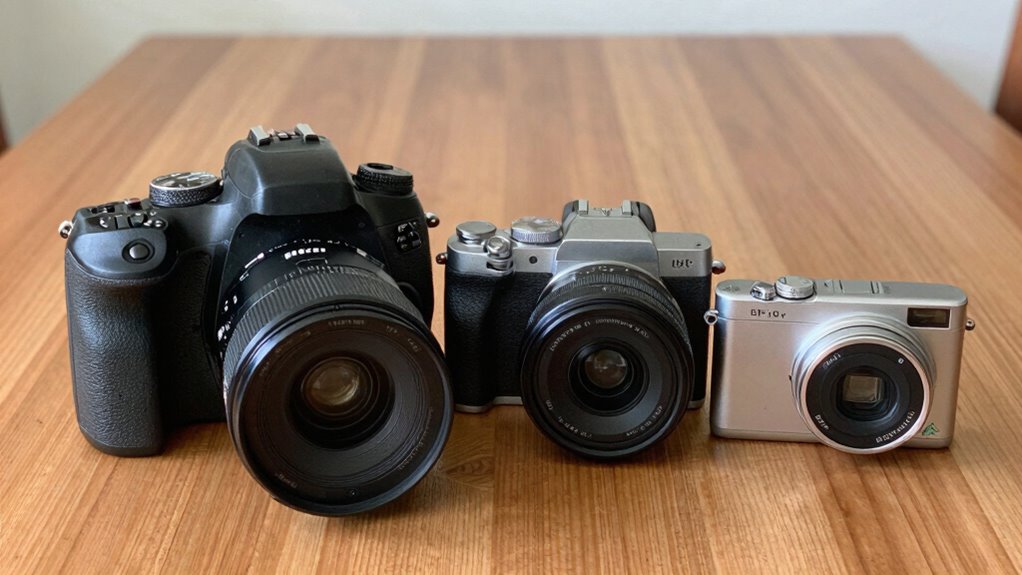
When choosing between mirrorless, DSLR, or compact cameras, consider your priorities like image quality, portability, and budget. Mirrorless cameras offer advanced features, lighter design, and quick autofocus, making them great for versatile shooting. DSLRs provide superior image quality and lens options for serious photographers, though they’re bulkier. Compact cameras are ideal for casual use and travel but may have limitations in low-light conditions. Keep exploring to find exactly what fits your style and needs.
Key Takeaways
- DSLR cameras offer larger sensors and optical viewfinders, providing superior image quality and better low-light performance.
- Mirrorless cameras are more compact, lightweight, and feature advanced autofocus, making them versatile and easier to carry.
- Compact cameras are small and portable but typically have smaller sensors, limiting image quality and low-light capabilities.
- DSLRs generally have longer battery life and a wider selection of lenses, ideal for professional or extended use.
- Mirrorless cameras balance image quality and portability, suitable for enthusiasts and casual photographers alike.

Canon EOS R50 Mirrorless Camera RF-S18-45mm F4.5-6.3 is STM Lens Kit, 24.2 Megapixel CMOS (APS-C) Sensor, 4K Video, Hybrid Camera, Photo and Video, Vlogging, Content Creator, RF Mount, Black
High Image Quality: Canon EOS R50 4K digital camera features a 24.2 Megapixel CMOS (APS-C) sensor and DIGIC…
As an affiliate, we earn on qualifying purchases.
As an affiliate, we earn on qualifying purchases.
What Are Mirrorless, DSLR, and Compact Cameras?

Have you ever wondered what sets mirrorless, DSLR, and compact cameras apart? The key difference lies in sensor technology and autofocus systems. DSLR cameras have larger sensors, often providing better image quality and low-light performance, with an optical viewfinder that uses a mirror to reflect light. Mirrorless cameras use electronic viewfinders or LCD screens, featuring smaller, more advanced sensors, which make them more compact. Their autofocus systems are typically faster and more accurate thanks to advanced on-sensor phase detection or contrast-detection methods. Additionally, sensor technology plays a crucial role in overall image quality and camera performance. The size of the sensor directly impacts the level of detail and depth of field you can achieve in your photos. This is especially important for image resolution and capturing fine textures. Moreover, sensor size influences how well a camera performs in different lighting conditions. The rise of security system technology in camera design highlights the importance of durability and reliability in various environments. Compact cameras, on the other hand, have smaller sensors and built-in lenses, prioritizing portability over extensive customization. Understanding these differences helps you choose the right camera based on your photography needs, whether it’s the sensor’s size or the autofocus capabilities.

Canon EOS Rebel T7 DSLR Camera|2 Lens Kit with EF18-55mm + EF 75-300mm Lens, Black
Improved Dual Pixel CMOS AF and eye detection AF 24.1 Megapixel CMOS (APS-C) sensor with is 100–6400 (H:…
As an affiliate, we earn on qualifying purchases.
As an affiliate, we earn on qualifying purchases.
How Do These Camera Types Differ? A Quick Comparison

When comparing camera types, consider their image quality and sensor size, as larger sensors generally produce sharper images with better low-light performance. You’ll also notice differences in size and weight, with compact cameras being more portable but often offering fewer features. Understanding these differences helps you choose the camera that fits your needs and lifestyle best. Additionally, selecting a camera that is simple to operate can make a significant difference in maintaining a calm and organized approach to photography. For beginners, a user-friendly interface can help reduce frustration and improve your learning curve. It’s also helpful to understand that sensor technology plays a crucial role in overall image quality and camera performance, especially as it relates to AI-enhanced features that can assist with focusing and scene optimization. Furthermore, the image processing capabilities of a camera can significantly impact the final result, making advanced processors a valuable feature for capturing high-quality photos.
Image Quality and Sensor Size
The size of a camera’s sensor plays a crucial role in determining image quality, often more so than megapixels alone. Larger sensor sizes capture more light, which improves image resolution, detail, and low-light performance. DSLR cameras typically feature bigger sensors, like full-frame or APS-C, producing sharper, more detailed images with better dynamic range. Mirrorless cameras also offer large sensors, providing similar image quality but in a more compact body. Compact cameras usually have smaller sensors, which can limit image resolution and detail, especially in challenging lighting. While megapixels impact the potential image resolution, sensor size influences how well the camera handles noise and detail retention. Overall, a larger sensor generally delivers superior image quality, regardless of the camera type. Sensor size is a key factor that affects how well a camera performs across different shooting conditions. Larger sensors also tend to have better depth of field control, allowing for more professional-looking images with pleasing background blur. Additionally, larger sensors often enable greater dynamic range, capturing a wider spectrum of tones in a single shot. To maximize image quality, many photographers consider sensor technology advancements that improve noise performance and color accuracy across various camera models.
Size, Weight, and Portability
Different camera types vary widely in size, weight, and portability, affecting how easily you can carry and use them. Compact cameras are lightweight and small, making them ideal for travel and casual shooting, but they may sacrifice ergonomics comfort and battery life. DSLR cameras tend to be larger and heavier, offering better ergonomics and comfort during extended shoots, with longer battery life to match. Mirrorless cameras strike a balance, being smaller than DSLRs but often still providing good ergonomics and decent battery performance. If portability is your priority, compact models excel, but for comfort during longer sessions, DSLRs are preferable. Mirrorless cameras offer a middle ground, blending portability with solid ergonomics, though battery life may be shorter than DSLRs. Consider camera ergonomics and how the design impacts your grip and handling during use. Additionally, weight distribution can influence how comfortable the camera is during prolonged use, especially if you plan on shooting for extended periods.
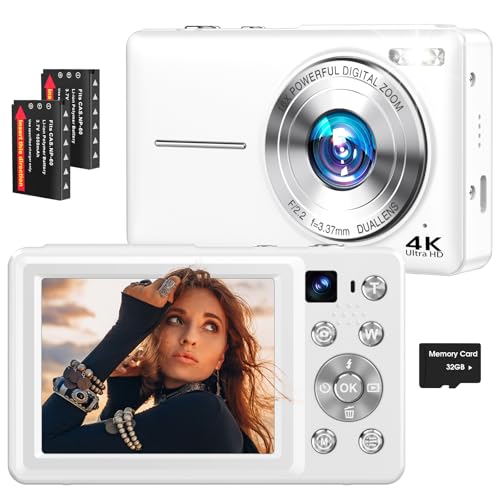
4K Digital Camera, 64MP Autofocus Vlogging Camera with Dual Lens, 16X Digital Zoom YouTube Compact Travel Point Shoot Camera for Teens Beginner, Anti-Shake,2 Batteries, 32GB Card (White)
【Ultra Clear 4K Video & 64MP Photo】 – Capture life's stunning details in ultra-clear 4K resolution and take…
As an affiliate, we earn on qualifying purchases.
As an affiliate, we earn on qualifying purchases.
What Are the Main Benefits of Mirrorless Cameras?

Mirrorless cameras offer several compelling advantages that make them a popular choice for both amateur and professional photographers. One major benefit is their advanced sensor technology, which often results in better image quality in a compact design. Additionally, their autofocus speed is typically faster and more accurate, helping you capture sharp images quickly. The absence of a mirror allows for a lighter, smaller body, making your camera easier to carry and handle. To visualize this, consider the following:
| Feature | Benefit | Example |
|---|---|---|
| Sensor technology | Superior image quality | Clear, vibrant photos |
| Autofocus speed | Faster, precise focus | Action shots or portraits |
| Size & weight | Lightweight, portable | Travel or street photography |
Furthermore, many mirrorless cameras support interchangeable lenses, providing greater flexibility for different shooting scenarios. The compact design of these cameras also makes them ideal for traveling and everyday photography. Plus, the technological innovations incorporated into mirrorless models continually improve their performance and usability. For example, manufacturers are integrating advanced image stabilization systems to enhance handheld shooting stability. Additionally, sensor advancement plays a crucial role in elevating image clarity and low-light performance.
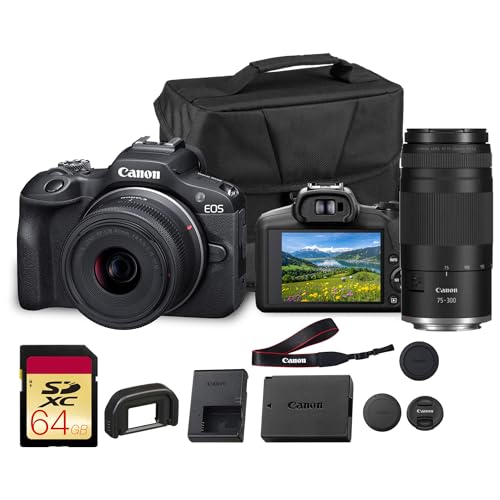
Canon EOS R100 Mirrorless Camera Double Lens Kit with RF-S 18-45mm and RF 75-300mm Lenses | Compact 24.2MP APS-C Camera with 4K Video, Dual Pixel Autofocus with Bag and 64GB Card
Items Included: Canon EOS R100 Mirrorless Camera, LP-E17 Lithium-Ion Battery Pack, LC-E17 Charger Canon R-F-5 Camera Cover, EM-200DB…
As an affiliate, we earn on qualifying purchases.
As an affiliate, we earn on qualifying purchases.
Why Choose a DSLR? Key Advantages for Serious Photographers
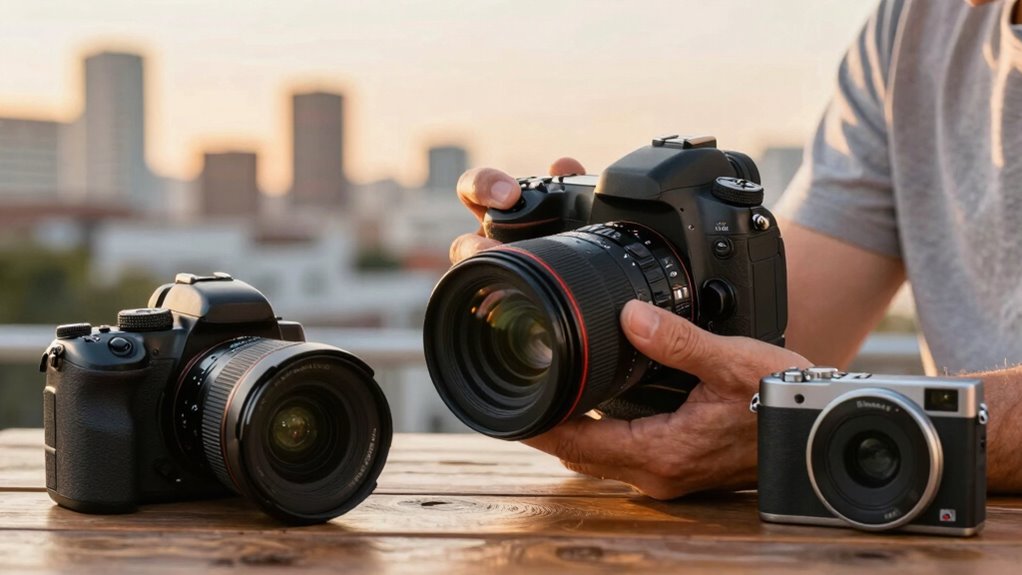
Choosing a DSLR gives you superior image quality that captures sharp, detailed photos. You’ll also benefit from a wide range of lens options, allowing for greater creative control. Plus, advanced manual controls help you fine-tune settings for professional results. Additionally, the best modern toilets often feature high-performance flushing mechanisms that ensure reliability and efficiency. For astrophotography, a DSLR’s sensor size and compatibility with various filters make it especially versatile for capturing deep-sky objects. Moreover, selecting a DSLR can be more reliable, especially when paired with proper maintenance and quality accessories. Incorporating holistic SEO practices into your camera knowledge can help you stay updated with the latest trends and features in photography equipment.
Superior Image Quality
Have you ever wondered why DSLR cameras consistently deliver superior image quality? The answer lies in their larger sensor sizes and higher image resolution. Larger sensors capture more light, resulting in better detail, dynamic range, and low-light performance. This means your photos will have richer colors and less noise, even in challenging conditions. Higher image resolution also allows for greater detail and flexibility in cropping or enlarging images without losing quality. DSLRs provide the sharpness and clarity that serious photographers demand, making them ideal for professional work or fine art photography. While mirrorless and compact cameras have improved, nothing quite matches the sensor size and resolution capabilities of a well-equipped DSLR, giving you the edge in producing stunning, high-quality images.
Extensive Lens Options
One of the biggest advantages of DSLRs is their extensive range of lenses, giving you the flexibility to capture various scenes and styles. With broad lens compatibility, you can choose from a variety of options to suit your needs. This variety enhances zoom versatility, allowing you to go from wide-angle landscapes to close-up portraits seamlessly.
Here are some key benefits:
- Access to specialized lenses like macro, telephoto, and fisheye.
- Greater control over image composition and perspective.
- The ability to upgrade lenses without replacing your camera body.
This wide lens selection ensures you’re prepared for any photographic challenge, providing the tools to develop your skills and achieve professional results.
Advanced Manual Controls
With a wide range of lenses at your disposal, you can capture many scenes creatively, but mastering your camera’s advanced manual controls takes your photography to the next level. DSLR cameras offer precise manual focus, allowing you to fine-tune your shots for sharpness and clarity, especially in tricky lighting or complex subjects. Exposure compensation gives you quick control over brightness, helping you achieve the perfect exposure without relying solely on automatic settings. These features let you respond instantly to changing conditions, giving you greater creative freedom and control. By mastering manual focus and exposure compensation, you can better realize your artistic vision, ensuring your images are exactly how you envision them. This level of control makes DSLRs ideal for serious photographers seeking professional results.
Are Compact Cameras a Good Fit for Your Photography Needs?

Are compact cameras a good fit for your photography needs? If you value compact convenience and pocket portability, then yes. They’re perfect for capturing spontaneous moments without lugging around bulky gear. Compact cameras excel in situations like travel, casual outings, or everyday snapshots. Consider these points:
Compact cameras are ideal for spontaneous shots and everyday moments on the go.
- Ease of use – They’re straightforward, with automatic modes that handle settings for you.
- Portability – Small enough to slip into your pocket or bag, making them always accessible.
- Image quality – Modern compact cameras offer impressive image resolution, though they may not match larger systems for low-light or high-detail shots.
If these features align with your needs, a compact camera could be a great choice for you.
How to Pick the Right Camera Based on Your Style and Budget
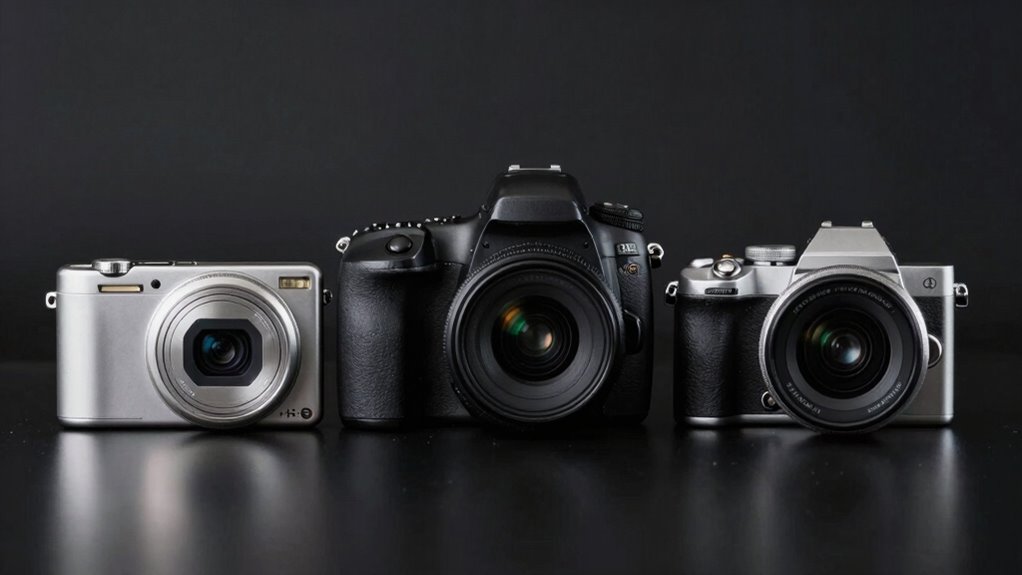
Choosing the right camera depends on your personal photography style and how much you’re willing to spend. To find the best fit, consider camera ergonomics and user interface—these affect how comfortable and intuitive it is to shoot. For example, if you prefer quick access to settings, look for models with a simple layout. If comfort matters most, choose a camera with a balanced grip. Use this guide:
| Camera Type | Best For | Budget Range | Key Feature |
|---|---|---|---|
| DSLR | Enthusiasts | Moderate to high | Customizable controls, robust ergonomics |
| Mirrorless | Versatile | Affordable to high | Compact, fast autofocus |
| Compact | Beginners | Low to moderate | Easy to carry, straightforward UI |
Match your style and budget to these factors for a satisfying choice.
Tips for Testing Cameras Before You Buy

Before making a purchase, it’s vital to test the camera in person to guarantee it feels right in your hand and operates smoothly. During testing, focus on these key areas:
- Lens Compatibility – Check if the camera’s lens mount suits your planned lenses and future upgrades.
- Battery Life – Use the camera for a few minutes to see if the battery lasts long enough for your typical shoots.
- Handling and Controls – Ensure the buttons and menus are intuitive, and the grip feels comfortable for extended use.
Testing these aspects helps you avoid surprises later. Make certain to try different shooting modes and review photos immediately to assess image quality. A hands-on test ensures the camera fits your needs and style.
Checklist: How to Choose the Best Camera for You

Selecting the right camera involves evaluating your specific needs, shooting style, and budget to find the best fit. Start by considering sensor technology—larger sensors often improve image quality and low-light performance, which matters if you shoot in diverse conditions. Next, assess camera ergonomics; choose a design that feels comfortable in your hands and offers intuitive controls, especially if you’ll shoot for extended periods. Think about whether a mirrorless, DSLR, or compact camera suits your portability and versatility needs. Identify essential features like autofocus speed, image stabilization, and connectivity options. Also, consider future upgrades or accessories. By analyzing sensor technology and camera ergonomics alongside your shooting habits, you’ll be better equipped to select a camera that enhances your photography experience.
Frequently Asked Questions
How Do Mirrorless and DSLR Cameras Compare in Low-Light Performance?
Mirrorless and DSLR cameras generally perform similarly in low-light conditions, thanks to their large sensors and high sensor sensitivity. However, mirrorless models often have advanced noise reduction features that help maintain image quality at higher ISO settings. You’ll notice less noise and clearer details in low-light shots with either type, but choosing a camera with better sensor sensitivity and effective noise reduction can make a big difference.
What Are the Maintenance and Durability Differences Among Camera Types?
Like a trusty steed, your camera’s maintenance and durability depend on its type. DSLRs, with their robust build, often have longer sensor longevity and durable lenses, making them great for rugged use. Mirrorless cameras, with fewer moving parts, generally require less maintenance but might have slightly shorter sensor lifespan. Compact cameras are the least durable but are perfect for quick, everyday shots without much fuss.
Can Compact Cameras Be Upgraded With External Accessories?
Yes, you can upgrade compact cameras with external accessories, but options are limited compared to other camera types. Many compact cameras support external flashes, microphones, or filters through specific ports or hot shoes. However, their compatibility for extensive upgrades is restricted due to their smaller size and design. To maximize your compact camera’s potential, check its external accessory compatibility before purchasing upgrades, ensuring they work seamlessly for your photography needs.
How Does Autofocus Speed Vary Across Mirrorless, DSLR, and Compact Cameras?
Autofocus speed is like a race, with DSLR cameras often leading thanks to advanced autofocus technology and quick sensor data processing. Mirrorless cameras also race fast, offering impressive tracking accuracy and rapid focus, while compact cameras tend to be slower due to simpler autofocus systems. Your choice depends on how quickly and accurately you need to lock onto subjects, especially in fast-moving scenes.
What Are the Typical Battery Life Differences Among These Camera Types?
You’ll notice battery longevity varies across camera types due to differences in power consumption. DSLRs typically last longer because they use optical viewfinders, which consume less power. Mirrorless cameras tend to have shorter battery life since their electronic viewfinders and screens draw more energy. Compact cameras often fall in between, but actual battery life depends on usage. If you need extended shooting sessions, choose a camera with lower power consumption to maximize your battery longevity.
Conclusion
Choosing the right camera depends on your style, needs, and budget. Whether you opt for a mirrorless, DSLR, or compact, remember that the best camera is the one that inspires you to capture your world. As the saying goes, “The best camera is the one you have with you.” Trust your instincts, test your options, and start shooting—your perfect camera awaits!