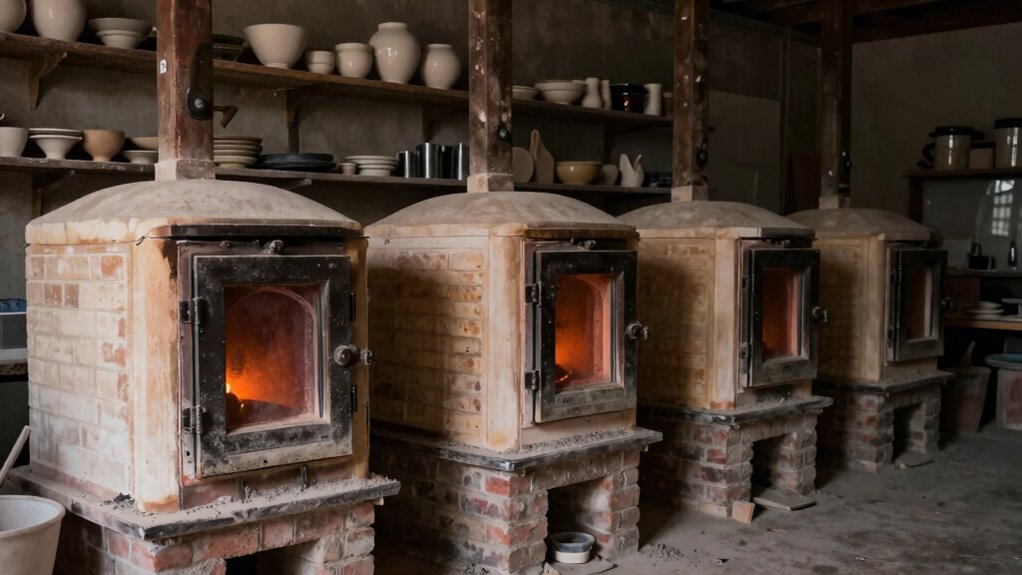

Owning a home kiln allows you to take full control of your ceramic journey, turning it into a personal exploration of your craft. It lets you experiment with glazing techniques, adjust firing schedules, and refine your artistic style anytime inspiration strikes. This level of involvement boosts your skills and pushes your creative boundaries. If you keep exploring, you’ll discover how to make your kiln experience even more fulfilling and safe.

Get your wardrobe favorites delivered free — and shop member deals
- Fast, free delivery on millions of items
- Access to Prime Big Deal Days deals on October 6–7
- Prime Video, Amazon Music and more included
Key Takeaways
- Owning a home kiln allows for continuous experimentation and refinement of glazing techniques to deepen craftsmanship.
- It provides control over firing conditions, enabling precise adjustments for artistic growth.
- Regular use of a home kiln fosters mastery through repeated firing cycles and glaze testing.
- Safe operation and maintenance are essential to protect both artwork and personal well-being.
- Personal kiln ownership cultivates a stronger connection to the craft and promotes ongoing creative exploration.

For many ceramic artists, owning a home kiln represents more than just convenience; it symbolizes a desire to deepen their craft and develop a more personal connection to their work. When you have your own kiln at home, you gain the freedom to experiment with glazing techniques whenever inspiration strikes, without the constraints of studio hours or shared equipment. This control allows you to refine your style and push creative boundaries, turning your visions into tangible pieces more quickly and authentically. The ability to control your firing schedule and conditions also allows for more precise temperature control, which is essential for achieving desired glaze effects. However, with this independence comes responsibility, especially when it comes to kiln safety. Understanding how to operate your kiln safely is vital to protect yourself, your home, and your artwork.
Mastering glazing techniques becomes more intuitive when you have repeated access to firing cycles. You can test different glazes, observe how they evolve through various firing temperatures, and adjust your methods accordingly. This iterative process enhances your skill and confidence, helping you achieve consistent, beautiful results. The more you experiment, the more you understand the nuances of glaze chemistry, application methods, and firing schedules. This hands-on approach fosters a deeper connection to your craft, transforming your studio into a personal laboratory for artistic growth. Additionally, gaining knowledge about kiln safety and proper operation is essential for maintaining a secure workspace and extending the lifespan of your equipment. Incorporating sustainable practices into your kiln operation can also minimize environmental impact and promote conservation.
Yet, handling a home kiln responsibly demands a solid grasp of kiln safety. Before firing, you need to ensure your workspace is well-ventilated, free of flammable materials, and equipped with smoke detectors. Regular maintenance, such as cleaning out kiln shelves and inspecting electrical connections, prevents accidents and prolongs the life of your equipment. When firing, always follow manufacturer instructions, monitor the process closely, and never leave the kiln unattended during essential heating or cooling phases. Developing a fire safety plan is crucial to respond effectively in case of emergencies and protect everyone in your workspace. Safety precautions like using proper protective gear—heat-resistant gloves and eye protection—are non-negotiable. Understanding the signs of kiln malfunction or overfiring helps you respond promptly, avoiding damage or hazards.
Ultimately, owning a home kiln empowers you to grow as an artist, offering the flexibility to refine your glazing techniques and the responsibility to prioritize kiln safety. It’s a commitment that pays off by fostering a more intimate relationship with your work. Each firing becomes a step toward mastery, a chance to explore new textures, colors, and forms—all within the comfort of your own space. This combination of creative freedom and safety awareness transforms your ceramic practice into a deeper, more meaningful journey, where every piece reflects your evolving skill and passion.
As an affiliate, we earn on qualifying purchases.
Frequently Asked Questions
What Safety Precautions Are Necessary When Operating a Home Kiln?
When operating a home kiln, you need to prioritize ventilation safety by ensuring proper airflow and working in a well-ventilated space to avoid harmful fumes. Always keep a fire extinguisher nearby, and never leave the kiln unattended while firing to prevent fire hazards. Regularly check electrical cords and connections for safety, and follow manufacturer guidelines closely. These precautions help protect you and your home during your craft practice.
How Much Space Is Needed to Set up a Home Kiln?
You need enough space for safe kiln placement and proper ventilation, or risks could skyrocket. A home kiln typically requires a dedicated area with at least 3 to 4 feet of clearance around it for airflow and safety. Don’t underestimate the importance of ventilation—without it, fumes can accumulate dangerously. Make sure your space can accommodate these needs, or your craft could turn hazardous before you know it.
What Are the Ongoing Costs of Maintaining a Home Kiln?
The ongoing costs of maintaining a home kiln include energy bills, which vary based on usage and kiln size, and regular maintenance routines like cleaning and inspecting elements. Cost considerations also involve replacing parts like kiln shelves or thermocouples over time. You’ll need to budget for these consumables and occasional repairs, but proper upkeep guarantees your kiln runs efficiently, helping you save money and extend its lifespan.
Can a Home Kiln Be Used for All Types of Clay?
A home kiln can’t be used for all types of clay, especially if you work with high-fire or porcelain clay. Think of firing temperatures as a gatekeeper—different clay types require specific heat levels to mature properly. Low-fire clays work well in most home kilns, but high-fire clays demand higher temperatures that some kilns can’t reach. Always check your kiln’s capabilities and your clay’s firing requirements before starting your project.
How Do I Choose the Right Kiln for My Skill Level?
To choose the right kiln for your skill level, start by considering kiln size—opt for a smaller one if you’re just beginning, making it easier to manage and learn. Look for models with precise temperature control, so you can master firing techniques without surprises. As your skills grow, you can upgrade to larger kilns with advanced controls. Always match the kiln’s features to your current experience and long-term goals.
Conclusion
Bringing a kiln into your home is like planting a seed of possibility, nurturing your craft into something deeper and more personal. It’s a leap of faith that transforms your space into a sanctuary of creation, where your passion blooms like a wildflower. Embrace this dream, and watch your skills grow stronger with each firing, forging a connection to your art that’s as enduring as the fire itself. Your journey toward mastery begins now—dare to ignite it.
Fall Picks
fall essentials
As an affiliate, we earn on qualifying purchases.