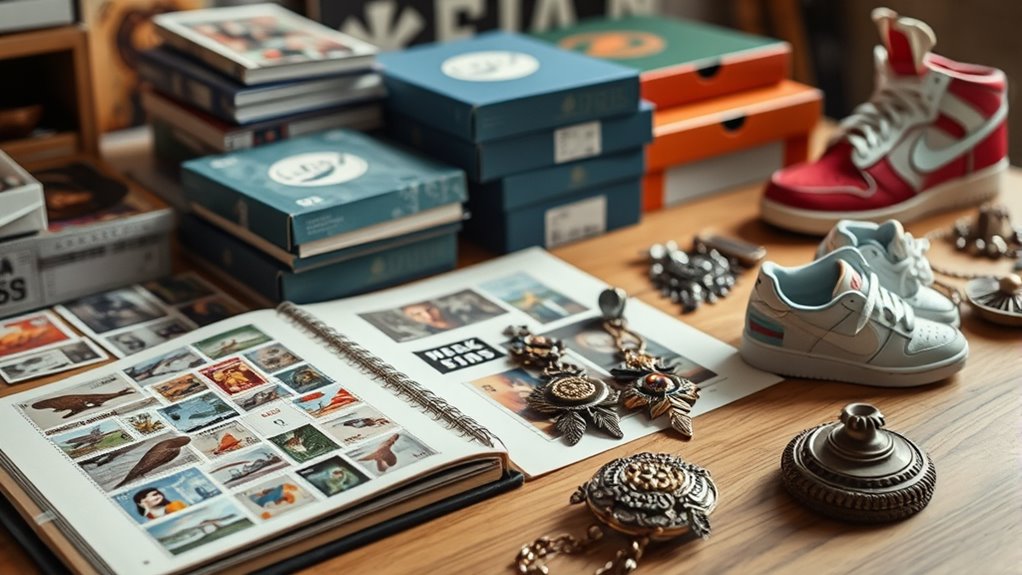

Collecting things like stamps or sneakers connects you to your interests, history, and personal stories. You find joy in discovering rare, valuable items and understanding their background, which enhances their meaning. Valuing each piece involves considering rarity, condition, demand, and history. This process makes collecting more than just a hobby—it’s a way to build a meaningful collection that reflects your passions. Want to learn how to make your collection even more special?
Key Takeaways
- Collecting fulfills personal interests and passions, creating a meaningful connection to items like stamps or sneakers.
- The pursuit of rarity, condition, and demand enhances the thrill and perceived value of collected items.
- Items with historical significance deepen the emotional and educational value of a collection.
- Researching patterns and market trends helps collectors make informed decisions and track value shifts.
- Personal stories and emotional attachments transform collecting into a rewarding, identity-reflecting hobby.

Ever wondered how to start your own collection? It all begins with understanding what draws you to certain items. Whether it’s stamps, sneakers, or vintage toys, knowing why you’re interested helps shape your approach. When you’re getting started, one of the key steps is learning about valuation techniques. These techniques help you determine the worth of your items, especially when you’re considering buying, selling, or simply understanding their importance. Valuation isn’t just about price; it involves appraising rarity, condition, demand, and historical significance. For example, a rare vintage stamp with a unique print error might be worth more because of its scarcity and the story it tells about a specific era. Recognizing the historical significance of an item deepens your connection to your collection, transforming it from mere objects into pieces of history. Knowing that a vintage toy once played a role in childhood memories or that a rare coin was part of a significant event adds layers of meaning that make collecting more fulfilling. Additionally, understanding design thinking principles can help you organize and expand your collection more creatively and efficiently.
When you’re evaluating items, start by researching their background. Look into their origin, how many were made, and their relevance in history. This way, you’ll develop a clearer picture of their value and significance. For instance, a coin from a pivotal period in history isn’t just a piece of metal — it’s a tangible link to a specific moment that shaped nations. Understanding these stories makes your collection more than just a hobby; it becomes a way to preserve history. As you grow more confident, you’ll begin to see patterns and trends that influence valuation. You might notice that certain styles or themes become more popular, impacting their market value. Keeping track of these shifts helps you make smarter decisions, whether you’re acquiring new items or trading with others.
In addition, the emotional aspect of collecting often intertwines with these valuation techniques and historical insights. Items with rich stories or personal significance tend to hold greater sentimental value, making them even more cherished. By appreciating both the monetary and historical aspects, you’ll find your collection evolves into a meaningful reflection of your interests and history itself. Ultimately, starting your collection involves curiosity, research, and a genuine interest in the stories behind each piece. When you understand valuation techniques and recognize the historical significance of your items, you’ll not only build a valuable collection but also develop a deeper appreciation for the history and stories they carry. That’s what makes collecting truly rewarding.
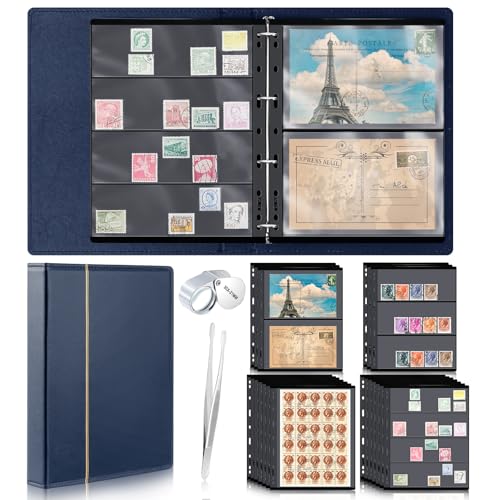
Lewtemi Stamp Collecting Albums Set Stamp Collection Book Include 20 Pages Album Binder Tweezer and Loop Magnifier Collecting Supplies for Collectors(Blue,1/2/3/4 Rows)
Complete Package for Comprehensive Collection: our package includes 20 stamp pages, 1 stamp collecting album, 1 reliable stamp…
As an affiliate, we earn on qualifying purchases.
As an affiliate, we earn on qualifying purchases.
Frequently Asked Questions
How Do I Start a Collectible Collection on a Budget?
If you want to start a collectible collection on a budget, begin with simple budget tips like setting a limit on how much you spend. Focus on entry level items that are affordable and easy to find, such as vintage postcards or small sneakers. Look for deals at garage sales, thrift stores, or online marketplaces. Patience and research will help you build a meaningful collection without overspending.
What Are the Most Valuable Collectibles Today?
You’re curious about the most valuable collectibles today, and it’s exciting to explore rare collectibles and modern collectibles. Right now, items like limited-edition sneakers, vintage comic books, and high-end art pieces top the list. You can find value in unique, well-preserved pieces, especially those with rarity or cultural significance. Keep an eye on trends, and you might discover modern collectibles that could appreciate in worth over time.
How Can I Authenticate Rare Items?
To authenticate rare items, you should start with provenance research to trace their history and verify authenticity. Consulting with authentication experts is essential, as they have the expertise and tools to identify genuine items and detect forgeries. Always request official certifications or appraisals, and compare your item with trusted references. These steps help *guarantee* your collectibles are authentic, preserving their value and your peace of mind.
What Are Common Mistakes New Collectors Make?
Did you know that over 60% of new collectors make grading mistakes? You might overlook proper storage, leading to damage or deterioration. Common mistakes include not researching items thoroughly and neglecting secure storage solutions. These errors can devalue your collection. To avoid them, learn about grading standards and invest in proper storage. Staying informed helps you build a valuable, well-preserved collection and prevents costly errors early on.
How Do I Preserve and Store Collectibles Properly?
To preserve and store your collectibles properly, focus on good storage tips and preservation techniques. Keep items in a cool, dry place away from direct sunlight to prevent fading and damage. Use acid-free containers or sleeves for delicate items, and avoid handling them with bare hands. Regularly check your collection for signs of deterioration, and consider climate control options to maintain ideal conditions, ensuring your collectibles stay in great shape for years to come.

Memorabilia Sports Shoes Display Frame Case Lockable Wall Mount Wooden Cleat Sneaker Cabinet Storage Shelves Box for Football Basketball Sports Shoes Display with Anti-Fade UV Protection Acrylic Door
PREMIUM QUALITY WITH RELIABLE FEATURES – MADE OF solid wood with Anti-fade Matt BLACK finish, SNAIL Memorabilia Sports…
As an affiliate, we earn on qualifying purchases.
As an affiliate, we earn on qualifying purchases.
Conclusion
So, are you ready to start your own collection? Whether it’s stamps, sneakers, or something else, collecting brings joy, purpose, and a sense of achievement. It’s a way to connect with history, express your personality, and even meet new people. Why not take that first step today? After all, isn’t it exciting to see your collection grow and discover the stories behind each item? Your next great find is just waiting to be uncovered!

The Complete US Error Coin Guide: A Proven 10-Step System with Expert Strategies to Identify & Authenticate Rare Mint Errors, Avoid Mistakes, Spot … Finds, & Stay Updated with New Discoveries
As an affiliate, we earn on qualifying purchases.
As an affiliate, we earn on qualifying purchases.

ULLTOON Portable 9-Pocket Trading Card Binder, Holds 1080 Cards with 60 Removable Double-Sided Sleeves, Baseball Card Binder Card Storage Organizer Album for Boys, Girls, Sports & Game Cards
Holds Up to 1080 Cards: The Card Binder includes 60 double-sided pages with 9 pockets per side, allowing…
As an affiliate, we earn on qualifying purchases.
As an affiliate, we earn on qualifying purchases.

Emma is a culinary expert from New York City, USA, with extensive experience in gourmet cooking and food journalism. She collaborates with prestigious food publications and high-end restaurants, bringing exquisite taste and culinary insights to the A Luxury Lifestyle platform. Emma’s expertise elevates our gastronomic offerings.