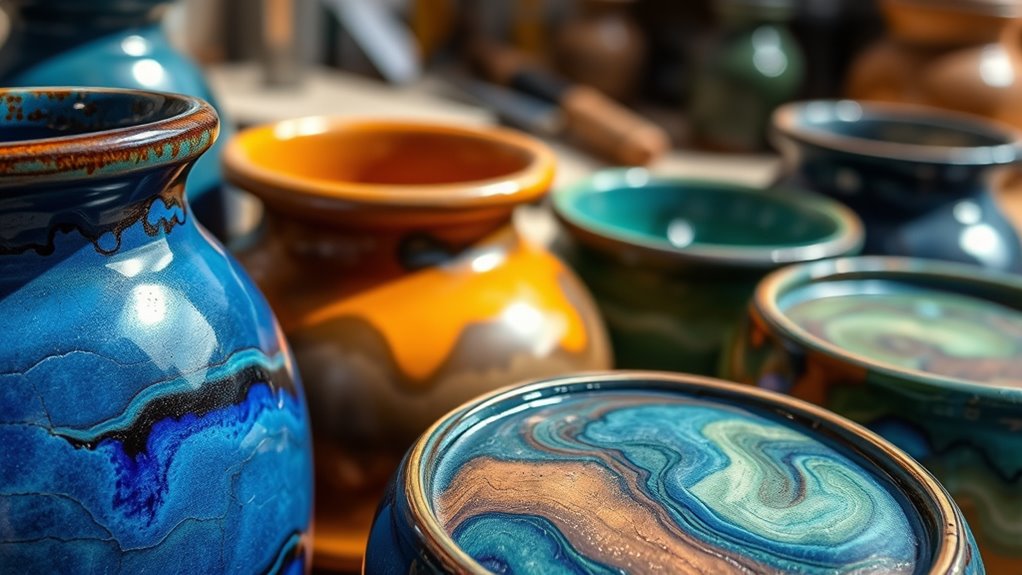

Ceramic glazes are made from a mix of silica, fluxes, minerals, and colorants that create a glassy coating when fired. As a beginner, focus on understanding how each ingredient influences melting, color, and texture. Balancing these components is key to achieving the desired effects. Firing temperature and atmosphere further affect the glaze’s appearance. With some experimentation and patience, you can learn how chemistry shapes beautiful, durable glazes—more details await as you explore further.
Key Takeaways
- Silica forms the glassy matrix, providing transparency and smooth surface in the glaze.
- Fluxes lower the melting point, enabling the glaze to fuse during firing at specific temperatures.
- Metal oxides and stains serve as colorants, creating vibrant hues and special effects in the glaze.
- Firing temperature and atmosphere (oxidation or reduction) significantly influence glaze color and surface finish.
- Proper ingredient ratios and firing techniques are essential for achieving desired glaze properties and effects.
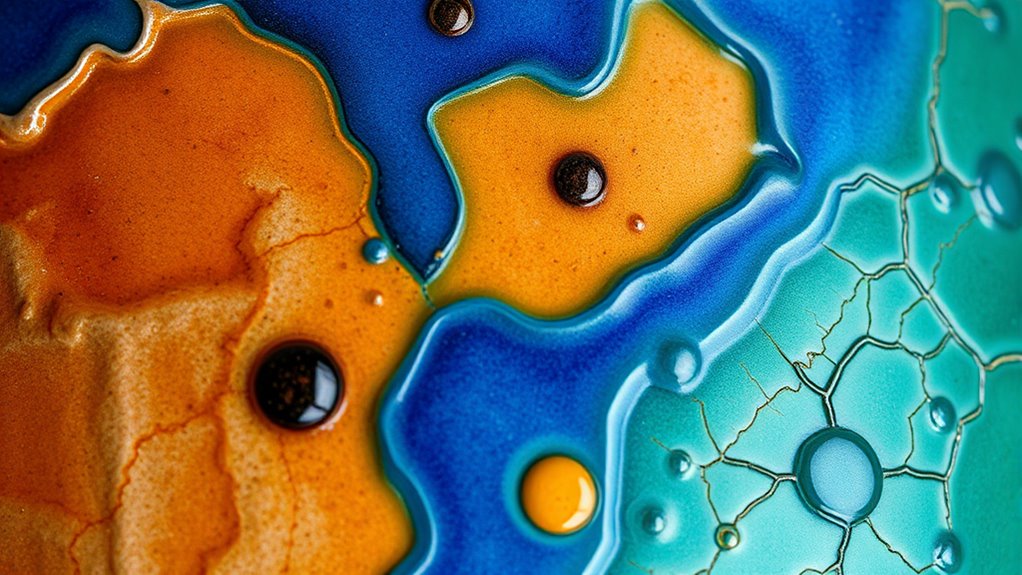
Have you ever wondered how artists transform plain clay into vibrant, glossy pottery? The secret lies in the art and science of ceramic glazes. Glaze formulation is the foundation—mixing minerals, silica, fluxes, and colorants to create a liquid coating that, once fired, becomes a smooth, glass-like surface. Understanding how these ingredients interact is essential. Silica forms the glassy matrix, while fluxes lower the melting point, allowing the glaze to melt and fuse with the clay body during firing. Colorants like metal oxides or stains are added to achieve specific hues and effects. When you experiment with different proportions and ingredient combinations, you control the glaze’s transparency, texture, and color intensity. It’s a delicate balance, requiring both creativity and knowledge of chemistry. Employing proper firing techniques ensures consistent results and enhances the glaze’s appearance.
Once you’ve prepared your glaze, firing techniques come into play. Firing is the process of heating the glazed piece in a kiln until the glaze melts and fuses to the surface. The temperature and atmosphere inside the kiln are vital—they determine whether the glaze develops a glossy or matte finish, whether it runs or remains stable, and how colors will appear. For instance, low-fire glazes typically melt around 1,820°F (998°C), creating bright, vibrant surfaces, while high-fire glazes require temperatures exceeding 2,300°F (1,260°C) for a more subtle, durable finish. Controlling the firing curve—how quickly you heat and cool the piece—affects the final appearance. Slow cooling can enhance certain effects, like crystalline or iridescent finishes, while rapid cooling might produce a more matte surface. Atmosphere within the kiln also matters; oxidation creates bright, clear colors, whereas reduction can deepen hues or produce metallic effects. Learning to manipulate firing conditions allows you to achieve the desired aesthetic and functional qualities in your pottery.
Mastering glaze formulation and firing techniques empowers you to craft unique, beautiful pieces. As you gain experience, you’ll start to understand how different ingredients and firing parameters influence the final look. Experimentation is key—try varying ingredient ratios, firing temperatures, and cooling methods. Keep detailed notes on each firing to track what works and what doesn’t. Over time, you’ll develop a deeper intuition for creating glazes that suit your artistic vision. The combination of chemistry and craftsmanship makes ceramic glazing both a science and an art, giving you endless opportunities to explore and express your creativity.
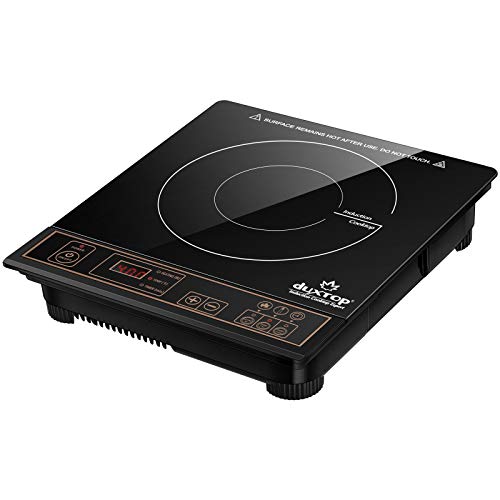
Duxtop 1800W Portable Induction Cooktop Countertop Burner, Gold 8100MC/BT-180G3
Requires induction compatible cookware. If a magnet sticks well to the bottom of the pan and is at...
As an affiliate, we earn on qualifying purchases.
Frequently Asked Questions
How Do Temperature Changes Affect Glaze Chemistry?
Temperature changes directly impact glaze chemistry by affecting thermal expansion and melting points. As you heat your ceramic piece, the glaze’s thermal expansion causes it to expand or contract, influencing its adhesion and appearance. When temperatures approach the melting points of glaze ingredients, the glaze melts and fuses to the surface. Too high or low temperatures can cause crazing or crawling, so carefully control your kiln firing to achieve the desired finish.
Can Natural Materials Be Used for Homemade Glazes?
Yes, you can use natural materials for homemade glazes. You might incorporate organic sources like plant ash or natural clay, which provide essential minerals. Additionally, mineral substitutions such as feldspar or silica can be replaced with locally available natural materials. Just remember, experimenting with organic sources requires careful testing, as their composition varies. This approach can create unique, eco-friendly glazes, but always prioritize safety and consistency in your formulations.
What Safety Precautions Are Necessary When Working With Glaze Chemicals?
Oh, the thrill of working with potentially hazardous glaze chemicals—who wouldn’t want a safety adventure? You should always wear personal protective equipment like gloves, masks, and goggles to shield yourself. Follow chemical storage guidelines carefully to prevent spills or accidents. It’s easy to forget, but safety measures aren’t just for show—they protect you from harmful fumes and skin contact. Stay cautious, and enjoy creating beautiful glazes safely!
How Do Different Firing Atmospheres Impact Glaze Appearance?
You’ll see that firing atmospheres greatly impact your glaze’s appearance. In oxidation, the atmosphere adds oxygen, brightening colors and enhancing glaze layering. In reduction, oxygen is limited, often deepening colors and creating unique effects like metallics. These atmospheres influence how chemicals react during firing, so experiment to see how oxidation or reduction alters your glaze’s final look. Adjust firing conditions to achieve the desired aesthetic and surface effects.
What Are Common Causes of Glaze Defects or Crazing?
Glaze defects like crazing and cracking can strike like lightning if you don’t control your firing temperature or glaze thickness. You might notice glaze cracking or glaze pinholes forming because of rapid cooling or uneven application. Sometimes, incompatible glaze and clay body combinations cause stress, leading to crazing or glaze cracking. To prevent this, guarantee proper firing schedules, consistent application, and compatible materials for a smoother, defect-free finish.
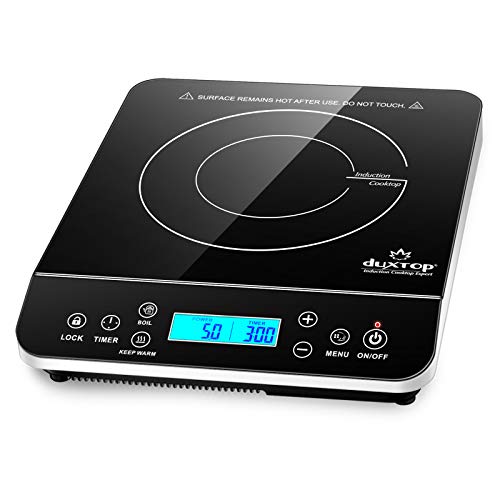
Duxtop Portable Induction Cooktop, Countertop Burner Induction Hot Plate with LCD Sensor Touch 1800 Watts, Silver 9600LS BT-200DZ
PORTABLE INDUCTION BURNER: Duxtop induction cooktop uses 110/120 V 15 amp electrical outlet–standard in all North American homes....
As an affiliate, we earn on qualifying purchases.
Conclusion
Now that you understand the basics of ceramic glazes, you’re ready to experiment like a modern alchemist in your own studio. Remember, chemistry is your magic wand, transforming simple ingredients into beautiful, functional art—much like the artisans of ancient Persia crafting their renowned tiles. So, don’t be afraid to mix, test, and learn. With patience and curiosity, you’ll create glazed masterpieces that stand the test of time—no need for a wizard’s spell, just your own hands and mind.

Amazon Basics 1800W Portable Electric Induction Cooktop, Burner and Child Lock, Overheat Protection, Timer, 8 Power Settings, Temperature Control Up to 440°F, for Cookware Diameter 5.7"-8.2", Black
FLEXIBLE & SPACE-SAVING: This versatile portable induction stovetop allows you to cook meals without a full range, making...
As an affiliate, we earn on qualifying purchases.

Nuwave Flex Precision Induction Cooktop, 10.25” Shatter-Proof Ceramic Glass, 6.5” Heating Coil, 45 Temps from 100°F to 500°F, 3 Wattage Settings 600, 900 & 1300 Watts, Black
MAKE ADJUSTMENTS ON-THE-FLY – Want hotter temperature or need to cook it longer? No problem. Simply adjust on-the-fly...
As an affiliate, we earn on qualifying purchases.

Born in Dubai to Pakistani parents, Aisha deeply understands Middle Eastern and South Asian luxury markets. She excels in forging strategic partnerships with top-tier luxury brands worldwide, fostering cross-cultural collaborations that enhance our global presence.