Mastering proportion is key to elevating your style because it helps you create balanced, harmonious outfits that highlight your best features. When you understand how to play with size, color, and fabric, you can craft looks that emphasize your natural shape and boost confidence. It’s not just about clothing size, but how everything works together for a polished finish. Keep exploring how proportion can transform your wardrobe and elevate your personal style.

Get your wardrobe favorites delivered free with Prime
- Fast, free delivery on millions of items
- Prime Video, Amazon Music and more included
- Member-only deals all year
Key Takeaways
- Proper proportion creates a balanced silhouette, enhancing overall appearance and highlighting your best features.
- It guides effective color and fabric choices, ensuring a cohesive and harmonious outfit.
- Mastering proportion helps achieve a polished, confident look by fitting clothing naturally to the body’s lines.
- It simplifies wardrobe choices by focusing on balance, making styling easier and more intentional.
- Developing proportion skills elevates personal style, transforming dressing into an art of visual harmony.
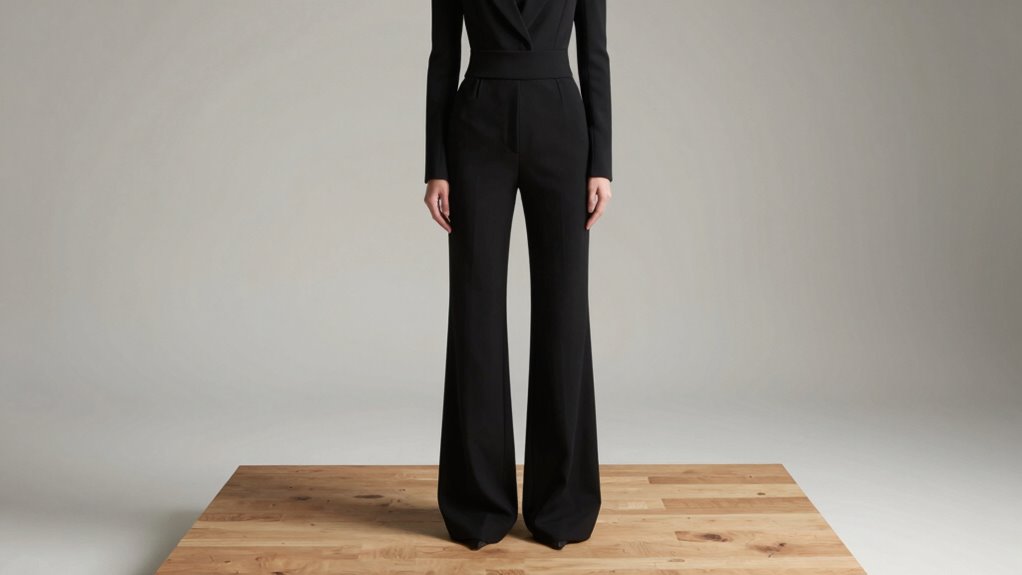
Have you ever wondered why some outfits instantly elevate your look while others fall flat? The secret often lies in proportion, a fundamental fashion skill that can make or break your style. When you understand how to balance your clothing items, you create a harmonious silhouette that draws attention to your best features. Proportion isn’t just about size; it’s about how different elements work together to craft a unified look. It guides your choices in color coordination and fabric pairing, ensuring each piece complements the others rather than competing for attention. For instance, pairing a fitted top with wide-leg pants can create a balanced, elongated appearance, making you look taller and more confident. Similarly, choosing the right proportion of accessories, like a chunky necklace with a simple dress, adds visual interest without overwhelming your frame.
Color plays a crucial role in proportion as well. When you’re mindful of color coordination, you can visually divide or elongate your body, depending on the effect you want. Darker shades tend to recede, making parts of your body seem smaller, while lighter hues attract attention, highlighting specific areas. Combining colors thoughtfully helps you create a balanced look that accentuates your natural shape. Fabric pairing also influences proportion. Pairing heavier fabrics with lighter ones creates contrast that emphasizes certain areas, while mixing textures adds depth without disrupting the overall balance. For example, a sleek silk blouse paired with structured denim gives a polished look that’s proportionally pleasing. The weight and drape of fabrics can either elongate or shorten your appearance, so choosing fabrics that work well together is key to maintaining visual harmony. Recognizing how fabric drape affects overall proportion can significantly improve your styling choices.
Ultimately, mastering proportion means knowing how to balance your silhouette through strategic choices. It’s about understanding that your clothing should fit your body’s natural lines and not obscure them. When you get this right, your outfit naturally flows, making you look confident and put-together. You don’t need an extensive wardrobe; just a keen eye for proportion, paying attention to how your pieces relate in size, color, and texture. As you develop this skill, dressing becomes an art of balance—one that enhances your personal style and showcases your best features effortlessly. Developing an understanding of visual harmony can further elevate your styling skills and help you create cohesive looks. In the end, proportion is the foundation of great style, giving you the power to look polished and proportionally perfect every time you get dressed.
women's high-waisted wide-leg pants
As an affiliate, we earn on qualifying purchases.
As an affiliate, we earn on qualifying purchases.
Frequently Asked Questions
How Do I Determine My Ideal Body Proportions?
To determine your ideal body proportions, start by evaluating your body symmetry—notice how balanced your shoulders, waist, and hips are. Focus on proportion balance, ensuring your upper and lower body complement each other. Use clothing that highlights your best features and creates visual harmony. Experiment with different styles, and don’t be afraid to seek advice from fashion experts to help you find the most flattering proportions for your unique shape.
Can Proportion Be Adjusted With Accessories or Only Clothing?
Think of your wardrobe as a palette—you can paint different shapes with accessories and clothing adjustments. Yes, proportion can be adjusted with accessory tricks like belts, statement jewelry, or shoes, and clothing adjustments such as tailoring. These tools help you create balance and harmony in your look. With a few strategic choices, you can emphasize or downplay certain areas, transforming your overall silhouette effortlessly.
Does Proportion Vary Across Different Body Types?
Yes, proportion varies across different body types. You can create a proportion illusion by choosing clothing that enhances your body’s natural symmetry. For example, if you have a shorter torso, high-waisted pants can elongate it, while vertical lines emphasize height. Understanding your unique body shape helps you adjust clothing to balance proportions, making you look more harmonious and confident. Accessories can complement, but the main focus should be on clothing that accentuates your body’s natural proportions.
How Does Height Influence Proportion Choices?
Your height influences your proportion choices by guiding how you balance your look. If you’re tall, you can experiment with larger, bolder proportions to create visual balance or elongate your silhouette with vertical lines for a sleek effect. If you’re shorter, focus on achieving height balance with fitted, streamlined pieces and vertical details that promote visual elongation. Understanding these principles helps you dress confidently, emphasizing your best features.
Are There Universal Proportion Rules for All Styles?
There aren’t universal proportion rules for all styles, as fashion misconceptions often suggest. Your body shape and personal style influence what looks best, making versatility key. Instead of strict rules, focus on balancing your proportions to enhance your features. Embrace your unique body and experiment with different styles to find what works. This flexible approach helps you develop a personalized look, proving that fashion is about expression, not rigid standards.
Conclusion
So, after all that, you’d think mastering proportion is just a small detail, right? But here’s the irony: ignoring it can turn your stylish vision into a fashion disaster faster than you can say “trend.” It’s almost cruel how such a simple skill holds the power to elevate or ruin your look. So, next time you dress, remember—getting proportion right isn’t just a tip, it’s your secret weapon for effortless style, or total chaos. Choose wisely.
Halloween Picks
halloween
As an affiliate, we earn on qualifying purchases.