
To assess fabric quality visually, start by examining the fibers—natural fibers like cotton and silk appear vibrant and soft, while synthetic ones may be shinier or stiffer. Check the weave pattern—tight, even weaves indicate durability, while loose or uneven ones may fray quickly. Feel the fabric’s surface—smooth, consistent textures suggest higher quality. Notice the weight and drape; heavier, well-woven fabrics tend to last longer and hang better. Keep exploring to uncover more ways to evaluate fabric quality!

Get your wardrobe favorites delivered free with Prime
- Fast, free delivery on millions of items
- Prime Video, Amazon Music and more included
- Member-only deals all year
Key Takeaways
- Examine fiber appearance: natural fibers are vibrant and soft, while synthetic fibers may appear shinier or stiffer.
- Check weave consistency: high-quality fabrics have tight, even, and smooth weaves without loose threads.
- Assess surface texture: a well-constructed fabric feels smooth and uniform, free from frays or gaps.
- Observe weight and drape: heavier fabrics with natural fall indicate better quality and durability.
- Test resilience visually: high-quality fabric recovers shape quickly after gentle stretching without distortion.
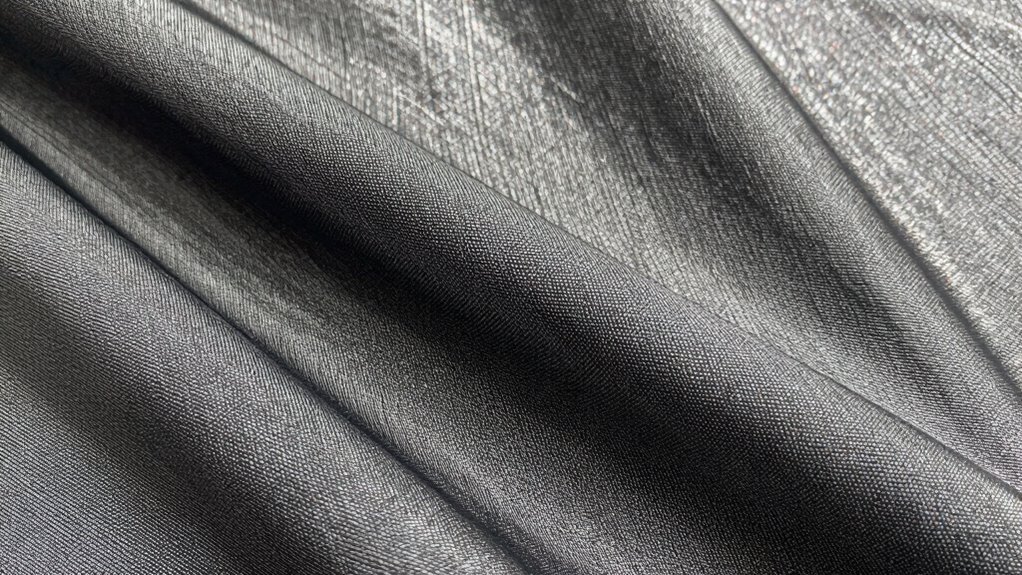
Have you ever wondered how to determine if a piece of fabric is high quality just by looking at it? It’s easier than you might think if you pay attention to a few key details. First, examine the fiber types. Different fibers have distinct appearances and textures, which can tell you a lot about the fabric’s quality. Natural fibers like cotton, silk, wool, and linen tend to look vibrant and feel soft, sturdy, and breathable. Synthetic fibers, such as polyester or nylon, might have a shinier or stiffer appearance, but high-quality versions of these can still resemble natural fibers quite closely. The trick is to look for consistency in the fiber’s thickness and a uniform appearance across the fabric. If the fibers appear uneven, frayed, or overly shiny, that may indicate lower quality or synthetic blends that aren’t well-made.
Next, consider the weave patterns, which are fundamental to fabric quality. The way threads are woven together influences durability, texture, and overall feel. High-quality fabrics typically feature tight, even weave patterns. For example, a plain weave, where threads cross at right angles in a simple crisscross pattern, often suggests durability. More intricate weaves like twill or satin can also indicate quality, especially if they’re tightly woven and uniform. Look closely at the surface: a well-woven fabric should have a smooth, consistent texture without loose threads or gaps. Uneven or loose weaves may be a sign of lower quality, as they tend to pill, fray, or wear out faster. Pay attention to the fabric’s weight and drape as well; heavier, well-woven fabrics generally feel more substantial and maintain their shape better over time. Additionally, understanding the fabric’s construction can help you identify higher-quality textiles. Recognizing fabric durability through visual inspection is also an important aspect when evaluating quality. To further assess, examine the fabric’s resilience by gently stretching a small section; higher-quality fabrics tend to recover quickly without distortions or damage.
Popular right now

Dyson Big Ball Multi Floor Canister Vacuum, Yellow

TCL 85-Inch QM6K Series QLED Mini LED 4K HDR Smart Google TV

Bose QuietComfort Headphones (2nd Gen), Wireless Noise-Cancelling Over-Ear Headphones, Eucalyptus Green
As an affiliate, we earn on qualifying purchases.
Frequently Asked Questions
Can Fabric Quality Be Determined by Feel Alone?
Yes, fabric quality can be partly judged by feel alone. You sense the fiber composition—natural fibers like cotton or silk feel softer and smoother, while synthetics may feel slick or plasticky. Also, pay attention to dye saturation; high-quality fabrics often have even, deep color without uneven patches. Your touch helps detect durability and softness, but for a complete assessment, combine feel with visual clues like weave tightness and finish.
How Does Fabric Color Affect Perceived Quality?
Imagine the fabric’s color as a mirror of its soul; vibrant, even hues suggest dye consistency, while uneven shades hint at shortcuts. If the color fades easily or appears washed-out, it signals poorer quality. Bright, rich colors usually indicate better dyeing processes, making the fabric feel more luxurious. So, a consistent, deep hue isn’t just eye-catching—it’s a sign of careful craftsmanship and lasting quality.
What Role Does Fabric Weight Play in Quality Assessment?
Fabric weight plays a vital role in evaluating quality because it reflects fiber composition and weave density. Heavier fabrics often indicate durable, high-quality materials with tighter weaves, offering better longevity. You’ll notice that lightweight fabrics may feel more delicate but aren’t necessarily inferior. When examining weight, consider the fiber type and weave density to determine if the fabric suits your needs, whether for clothing, upholstery, or other applications.
Are Designer Fabrics Always of Higher Quality?
Not necessarily. Designer fabrics often come from reputable textile manufacturing and are carefully sourced, but quality can vary. You should evaluate the fabric’s texture, weave, and weight rather than assuming it’s superior just because it’s designer. Good fabric sourcing guarantees high standards, but always inspect the material closely. Remember, some designer brands prioritize aesthetics over durability, so your assessment should focus on the fabric’s actual qualities.
How Does Fabric Care Impact Its Longevity and Quality?
If you want your fabrics to last, pay close attention to fabric care—it’s the secret to preserving quality and extending longevity impact. Skimping on proper washing or storage can silently weaken fibers over time, diminishing their look and feel. By following care instructions diligently, you guarantee your fabrics stay vibrant and durable, guarding against premature wear. Neglect this, and your investment may fade away faster than you think.
Conclusion
Now that you know what to look for, picture yourself holding a fabric—feeling its weight, inspecting its weave, catching the subtle sheen. Imagine the story it tells through tiny imperfections or flawless smoothness. With this knowledge, you’re ready to confidently judge quality at a glance. But beware—sometimes, what’s beneath the surface isn’t immediately visible. Will your keen eye uncover the hidden secrets that make or break a fabric’s true worth? The choice is yours.