Fashion has evolved from the eclectic, artistic expressions of 19th-century bohemian styles to today’s boho-chic, which blends vintage influences with modern trends. You’ll see how it reflects cultural symbolism and personal stories, connecting heritage with current fashion. The movement emphasizes craftsmanship, timeless design, and meaningful, nostalgic elements. If you want to understand how this shift shaped contemporary wardrobe choices and cultural storytelling, you’ll find plenty more to explore below.
Key Takeaways
- The bohemian style originated in 19th-century artists’ circles, emphasizing free-spirited, eclectic fashion rooted in cultural and artistic expression.
- Vintage influences, such as retro prints and historical garments, have shaped modern boho-chic styles, blending nostalgia with contemporary trends.
- Cultural symbolism in fashion, like embroidery and patterns, historically conveyed social identity and resistance, influencing boho aesthetics today.
- The transition from bohemian to boho-chic reflects a shift toward more polished, wearable interpretations that retain historical and cultural significance.
- Modern boho-chic continues to celebrate craftsmanship and storytelling, connecting current fashion to centuries of cultural and artistic heritage.

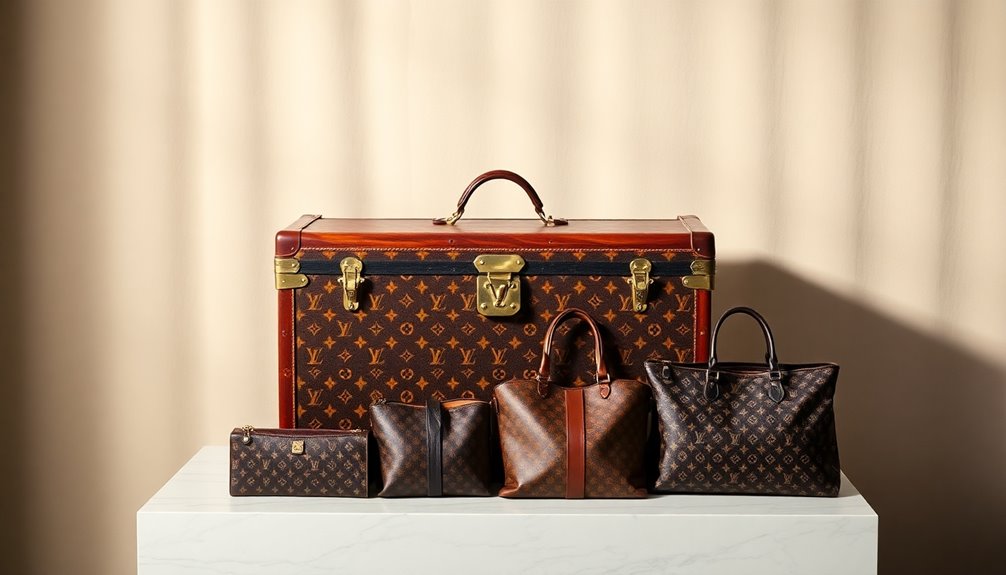
Have you ever wondered how fashion has evolved over the centuries? It’s a fascinating journey that reflects changing tastes, societal shifts, and cultural stories. One of the key ways fashion tells its story is through vintage influences, which bring back styles from past eras, and through cultural symbolism, where clothing becomes a language of identity, beliefs, and history. These elements connect us to our heritage while allowing personal expression to flourish. Incorporating vintage-inspired accessories further enhances this connection, blending old-world charm with modern trends. Vintage influences play a significant role in shaping contemporary fashion. By revisiting styles from the early 20th century—think flapper dresses, high-waisted trousers, or retro prints—you’re not just choosing a look; you’re embracing history. These influences often pop up in modern collections, offering a nostalgic nod to the glamour of the Roaring Twenties or the rebellious spirit of the 1960s. They remind you that fashion is cyclical, constantly reinventing itself by borrowing from the past. Wearing vintage-inspired pieces connects you to a broader narrative, blending old-world charm with modern sensibilities. It’s about preserving a sense of craftsmanship, valuing timeless design, and appreciating the stories behind each garment.
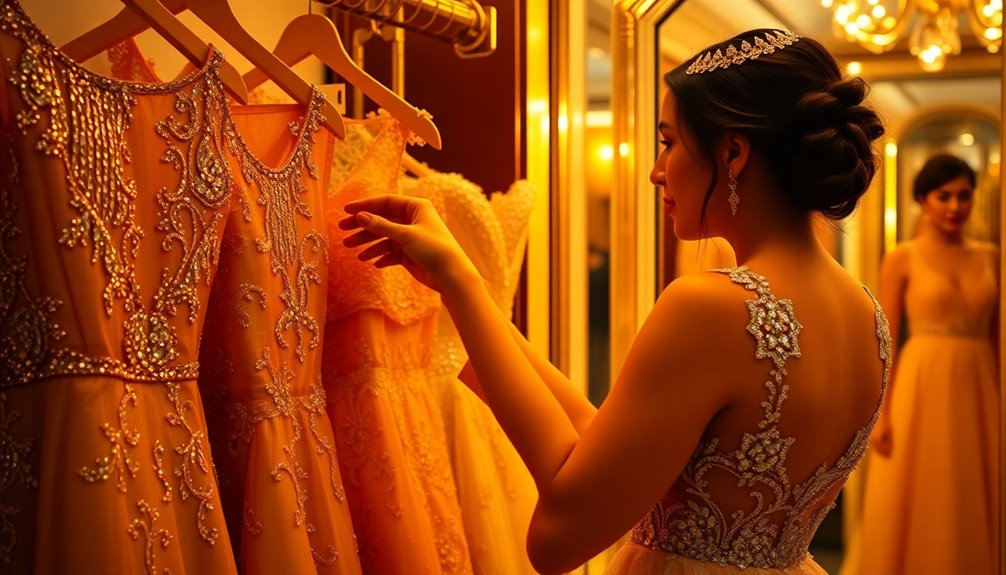
Cultural symbolism is equally crucial in understanding fashion’s evolution. Throughout history, clothing has served as a visual language, conveying social status, religious beliefs, or political allegiance. For example, the intricate embroidery of traditional garments can symbolize regional identity, while specific colors or patterns may signify belonging or resistance. When you choose to wear certain styles or accessories, you’re participating in this ongoing dialogue—asserting your cultural roots or challenging societal norms. Fashion becomes a tool for storytelling, a way to honor ancestors or make a statement about your values. It’s not just about looking good; it’s about expressing who you are and what you stand for.
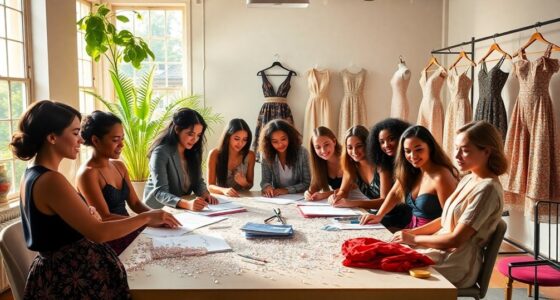
As fashion moved from the bohemian styles of the 19th and early 20th centuries—marked by free-spirited, eclectic influences—toward the more relaxed and diverse boho-chic of today, these themes persisted. Boho-chic combines vintage influences with cultural symbolism, creating a look that’s both nostalgic and meaningful. When you adopt this style, you’re blending historical elements with contemporary trends, making a statement that’s rich in history and personal significance. Ultimately, understanding the evolution of fashion involves recognizing how vintage influences and cultural symbolism continue to shape your wardrobe, connecting you to centuries of stories, traditions, and social movements.

4 Pairs Bohemian Vintage Dangle Earrings Boho Jewelry for Women Retro Star Rhinestone Boho Dangle Drop Earrings Gifts(Vivid Style)
4 Pair Bohemian earrings: each package come with 4 pairs vintage earrings with 4 different designs, very statement…
As an affiliate, we earn on qualifying purchases.
As an affiliate, we earn on qualifying purchases.
Frequently Asked Questions
How Did Bohemian Fashion Influence Mainstream Trends?
Bohemian fashion influences mainstream trends by embracing sustainable fabrics and highlighting artisan craftsmanship. You’ve probably noticed boho-chic styles in everyday wear, featuring flowy skirts, embroidered details, and eco-friendly materials. This movement encourages you to prioritize eco-conscious choices while appreciating handcrafted details. As a result, mainstream fashion now incorporates more sustainable fabrics and celebrates artisan craftsmanship, making bohemian influences more accessible and relevant in modern, everyday style.
What Materials Were Popular in Boho-Chic Clothing?
You’ll find that boho-chic clothing often features textured textiles and versatile sustainable fabrics, creating its signature relaxed vibe. Textile techniques like embroidery, patchwork, and fringe add depth and personality, while eco-friendly materials like organic cotton, hemp, and bamboo reflect the movement’s eco-conscious roots. These materials help you achieve that effortlessly layered, earthy look—making your style both sustainable and undeniably boho-chic.
Who Were Key Designers Behind Bohemia’s Fashion Movement?
You should know that key designers behind the hippie movement and bohemian fashion include vintage designers like Yves Saint Laurent and Diane von Fürstenberg, who embraced free-spirited styles. These designers helped popularize relaxed, eclectic looks that became central to boho-chic. They drew inspiration from the hippie movement’s emphasis on individuality and natural fabrics, shaping a lasting cultural and fashion legacy that still influences contemporary boho style today.
How Has Bohemian Style Evolved Globally Over Centuries?
You might think bohemian style stayed put, but it actually evolved through the centuries, riding the wave of the hippie movement and inspiring global fashion diffusion. As it traveled from 19th-century Europe to modern streets worldwide, it embraced diverse cultures and aesthetics. Today, boho-chic blends vintage charm with contemporary flair, proving that this free-spirited style keeps reinventing itself while still honoring its rebellious, eclectic roots.
Are There Cultural Sensitivities Associated With Boho-Chic Fashion?
Yes, you should be aware of cultural sensitivities with boho-chic fashion. It can sometimes lead to cultural appropriation, where you might adopt styles or symbols without understanding their meaning, which disrespects the culture. Avoid ethnic stereotypes by choosing pieces that honor their origins and support artisans. Being respectful and informed helps you embrace boho-chic style authentically without offending or perpetuating misunderstandings.

chouyatou Women's 2026 Lace Eyelet Embroidery Maxi Dress V-Neck Trumpet Sleeve Boho Flowy Swing Dress (Large, Red)
Please check the "Size Chart" Carefully before ordering. Our size chart consists of two parts: the Body size…
As an affiliate, we earn on qualifying purchases.
As an affiliate, we earn on qualifying purchases.
Conclusion
As you trace fashion’s journey from bohemia to boho-chic, you realize it’s like a flowing river, constantly evolving yet always rooted in free-spirited roots. Embrace the waves of change and find your own style within this vibrant current. Whether you’re inspired by vintage bohemia or modern boho-chic, remember that fashion is your personal canvas—an endless river where you can swim freely, expressing your unique spirit with every current shift.

Zeagoo Womens Button Down Shirt Business Casual Tops Boho Long Sleeve Blouses Ethnic Printed Dressy Vintage Clothing XL
Fabric: This ZEAGOO button down shirts crafted from lightweight, breathable, and skin-friendly material. And solid colors have stain-resistant…
As an affiliate, we earn on qualifying purchases.
As an affiliate, we earn on qualifying purchases.
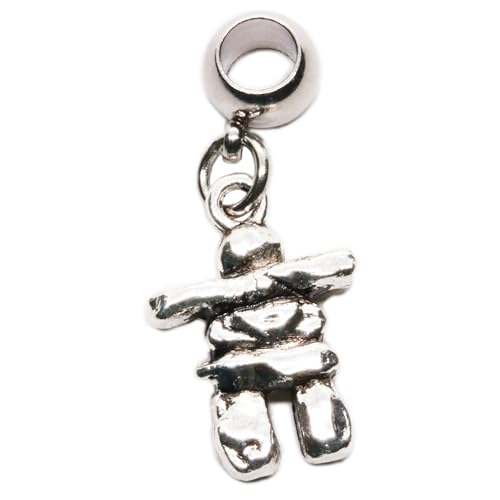
Dave The Bunny Native American Inukshuk Charm – Authentic Native American Jewelry & Decor – Handcrafted Inuksuk Charm for Cultural Appreciation & Unique Gift – Symbol of Hope & Friendship
Authentic Inukshuk Charm: This meticulously crafted charm represents traditional american decor and reflects native american history and art….
As an affiliate, we earn on qualifying purchases.
As an affiliate, we earn on qualifying purchases.
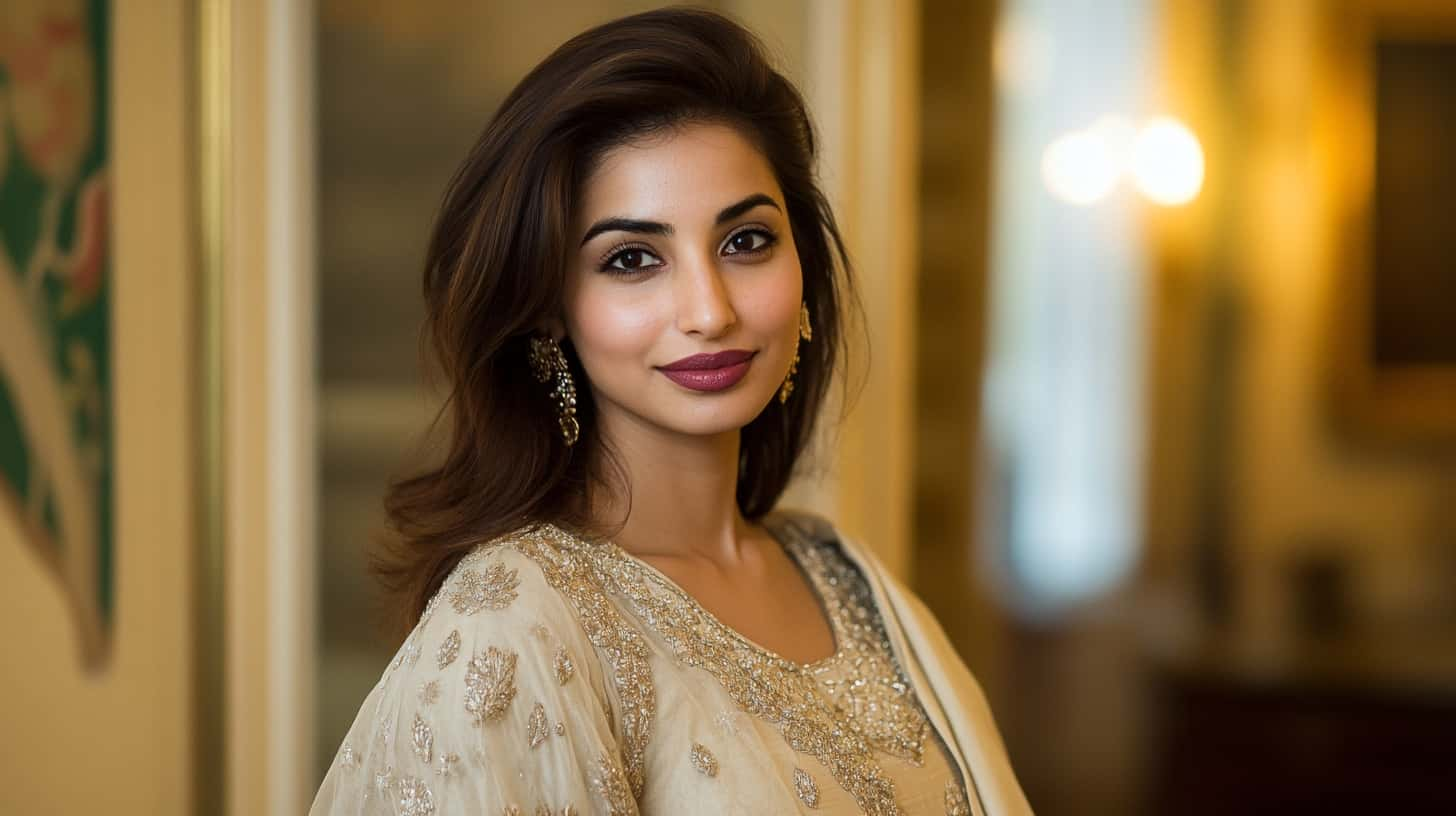
Born in Dubai to Pakistani parents, Aisha deeply understands Middle Eastern and South Asian luxury markets. She excels in forging strategic partnerships with top-tier luxury brands worldwide, fostering cross-cultural collaborations that enhance our global presence.