
Understanding water chemistry involves knowing how salts, chlorine, and alternatives work together to keep your water safe and balanced. Salt-based systems like salt chlorination produce less harmful by-products and are popular for disinfection, while chlorine remains effective at killing pathogens but can affect taste and odor. Alternatives like UV and ozonation avoid chemicals altogether. If you explore further, you’ll uncover how each method interacts with mineral levels and pH, ensuring your water stays clean and healthy.
Key Takeaways
- Salt chlorination produces chlorine for disinfection with fewer harmful by-products than traditional chlorination.
- Chlorine effectively kills pathogens but can cause taste, odor, and chemical interaction issues in water.
- Alternatives like UV light and ozonation provide chemical-free disinfection options with minimal chemical interactions.
- Maintaining proper pH and mineral levels enhances disinfection efficacy and prevents corrosion or scaling.
- Water treatment methods including ion exchange and reverse osmosis help optimize salt, chlorine, and alternative disinfectant levels.

Have you ever wondered what makes water such a critical and versatile substance? It’s not just about quenching your thirst; water’s chemistry plays an essential role in everything from health to maintaining a safe environment. Understanding the basics of water chemistry, especially pH balancing and mineral content, helps you appreciate how water interacts with your body and the world around you.
pH balancing is fundamental because it determines how acidic or alkaline your water is. You want water that’s close to neutral, around a pH of 7, to prevent corrosion in pipes and guarantee safe consumption. When water’s pH is too low, it becomes acidic, which can cause metal pipes to corrode and leach harmful metals into your water. On the other hand, if it’s too high, the water is alkaline, which may lead to mineral buildup and affect taste and clarity. Achieving the right pH balance is key to maintaining water safety and quality. This balance also affects mineral content, which includes elements like calcium, magnesium, and trace minerals that are naturally present or added during water treatment. These minerals are essential for your health, supporting bone strength and muscle function, but excessive mineral content can cause scaling in pipes and appliances, impacting efficiency and longevity.
Understanding mineral content is crucial because it influences water’s taste and its suitability for various uses. Hard water, rich in calcium and magnesium, can leave deposits on dishes and fixtures, while soft water, with fewer minerals, might feel different and sometimes taste flat. When you’re dealing with municipal water supplies, treatment processes often aim to optimize mineral content—not just to improve taste but also to prevent corrosion and improve overall water stability. Different treatment methods, like ion exchange or reverse osmosis, are used to adjust mineral levels and pH, ensuring water stays safe and palatable.
In addition to pH balancing and mineral management, the chemistry of water also involves understanding how chemicals like salt and chlorine interact. Salt-based methods, such as salt chlorination, are popular alternatives for disinfection because they produce fewer harmful by-products than traditional chlorination. Chlorine remains a common disinfectant because it effectively kills pathogens, but it can also produce undesirable tastes and odors. Alternatives like ultraviolet light or ozonation are gaining popularity because they offer effective sanitation without adding chemicals. By understanding these chemical interactions, you can better appreciate how water treatment methods aim to keep water safe, balanced, and pleasant to use, whether in your home or in larger systems.

Hayward W3AQR15 AquaRite Salt Chlorination System for In-Ground Pools up to 40,000 Gallons, White
Hayward’s AquaRite Salt Chlorination System is part of the world’s #1 best-selling salt system family
As an affiliate, we earn on qualifying purchases.
As an affiliate, we earn on qualifying purchases.
Frequently Asked Questions
How Does Ph Affect Water Chemistry?
You should know that pH affects water chemistry by influencing how water interacts with chemicals and your pool’s surfaces. A balanced pH maintains proper water alkalinity, preventing issues like corrosion or scaling. When pH is too low, water becomes acidic, and when it’s too high, water turns alkaline. Keeping the pH in the ideal range guarantees your pool stays clean, safe, and comfortable for swimming.
What Are the Health Risks of High Chlorine Levels?
High chlorine levels in your water can pose health risks from chlorine exposure, including skin irritation, respiratory issues, and potential long-term effects like increased cancer risk. You might also experience eye irritation or stomach upset if you consume or come into contact with overly chlorinated water. To protect your health, consider testing your water regularly and using filtration systems that reduce chlorine levels, minimizing these health implications.
Can Saltwater Pools Be Eco-Friendly?
Think of a saltwater pool as a gentle wave in your eco-friendly oasis. Yes, they can be greener options because they reduce chemical use and conserve water, making them kinder to the environment. Saltwater benefits include fewer harsh chemicals, less skin irritation, and lower environmental impact. By choosing a saltwater pool, you’re surfing toward sustainability, creating a invigorating swim experience that’s both enjoyable and eco-conscious.
What Are Natural Alternatives to Chemical Sanitizers?
You can consider natural sanitizers like mineral purification systems, which use minerals such as copper and silver to inhibit bacteria and algae. These systems reduce reliance on chemicals and create a healthier swimming environment. Additionally, UV and ozone purifiers are effective natural alternatives, using light and oxygen to sanitize water without introducing harmful substances. These options help you maintain clean water while being eco-friendly and gentle on your skin.
How Often Should Water Chemistry Be Tested?
You should test your pool water chemistry at least twice a week during peak usage and after heavy rain or storms. Many experts believe frequent testing guarantees proper water balancing, preventing issues like algae growth or corrosion. Regular testing helps you maintain safe, clean water and reduces chemical costs. By staying on top of water chemistry, you keep your pool inviting and minimize maintenance hassles, making your swimming experience more enjoyable.
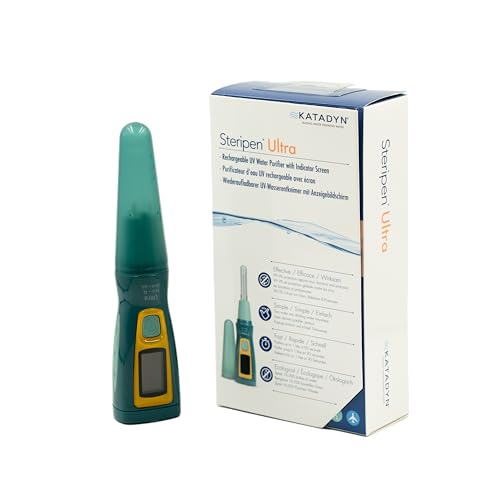
Katadyn Steripen Ultra Portable UV Water Purifier – Rechargeable 2200mAh Battery, Eliminates 99.99% Microorganisms, Fast Water Treatment for Hiking, Camping & Travel
Powerful UV-C Purification: Eliminates 99.99% of harmful microorganisms, ensuring safe drinking water free from bacteria, viruses, and protozoa.
As an affiliate, we earn on qualifying purchases.
As an affiliate, we earn on qualifying purchases.
Conclusion
Now that you understand the basics of salt, chlorine, and their alternatives, you might think your water is safe and balanced. But beneath the surface, unexpected changes can happen—hidden chemicals, unseen risks, or sudden shifts in water quality. Will you be prepared for what’s lurking below? Stay vigilant, continue learning, and keep your water’s chemistry in check. Because sometimes, the most surprising elements are the ones you least expect. Are you ready to uncover the truth?
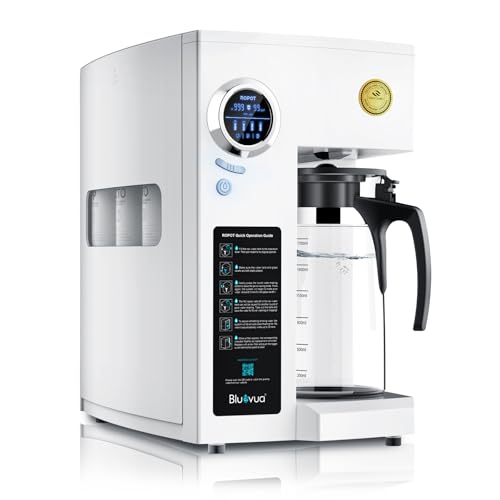
Bluevua RO100ROPOT-UV Reverse Osmosis System Countertop Water Filter – 6 Stage Purification with UV and Remineralization, Counter RO Filtration, Portable Water Purifier
6-STAGE ADVANCED FILTRATION WITH UV LIGHT: The Bluevua RO100ROPOT-UV boasts a superior 6-stage filtration system, featuring a 0.0001μm…
As an affiliate, we earn on qualifying purchases.
As an affiliate, we earn on qualifying purchases.

VIVOSUN Digital pH and TDS Meter Kits, 0.01pH High Accuracy Pen Type pH Meter ± 2% Readout Accuracy 3-in-1 TDS EC Temperature Meter for Hydroponics, Pool and Aquarium, Yellow Blue, UL Certified
Application: Great for all home and laboratory TDS & pH testing applications including aquariums, swimming pools
As an affiliate, we earn on qualifying purchases.
As an affiliate, we earn on qualifying purchases.

Born in Dubai to Pakistani parents, Aisha deeply understands Middle Eastern and South Asian luxury markets. She excels in forging strategic partnerships with top-tier luxury brands worldwide, fostering cross-cultural collaborations that enhance our global presence.